



product description
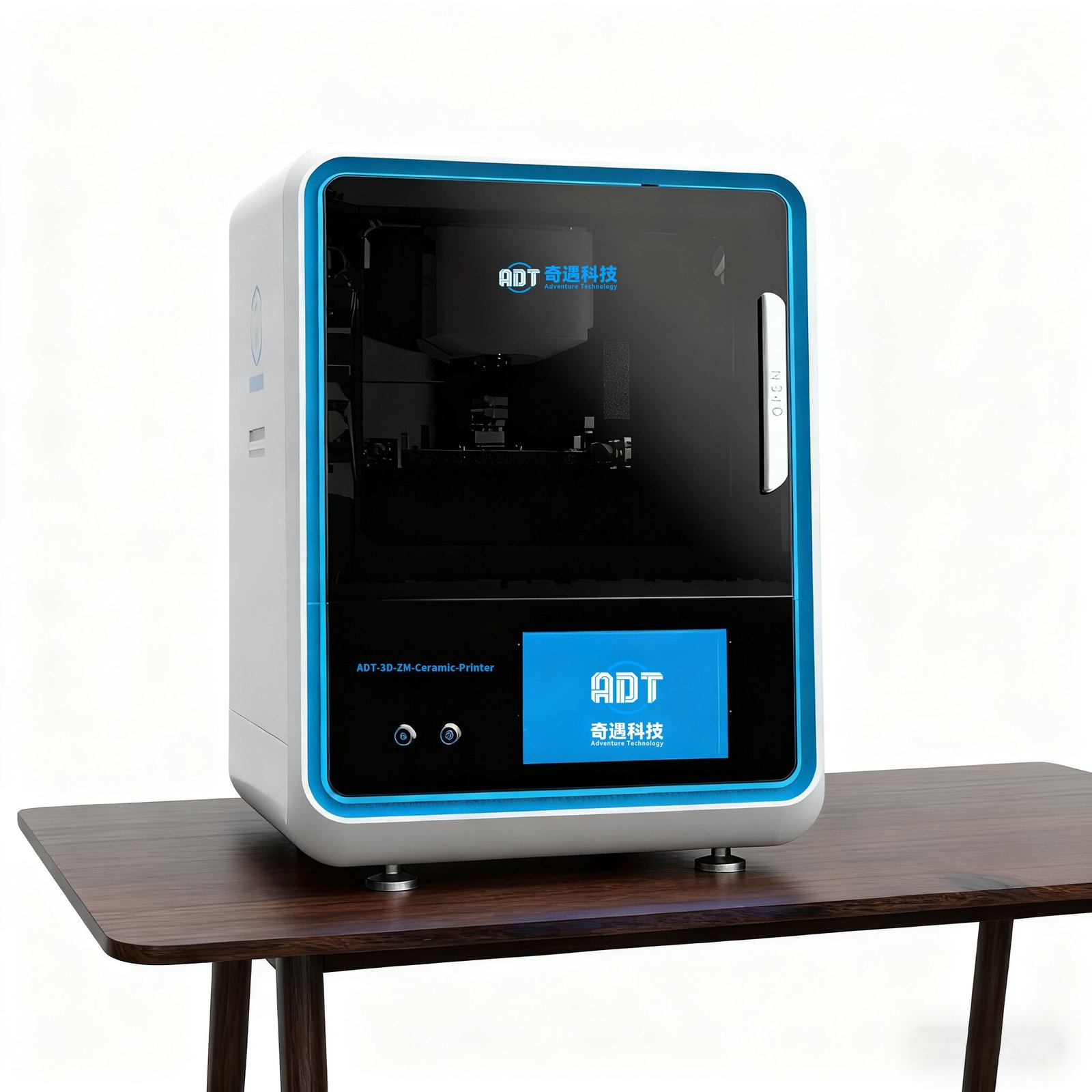
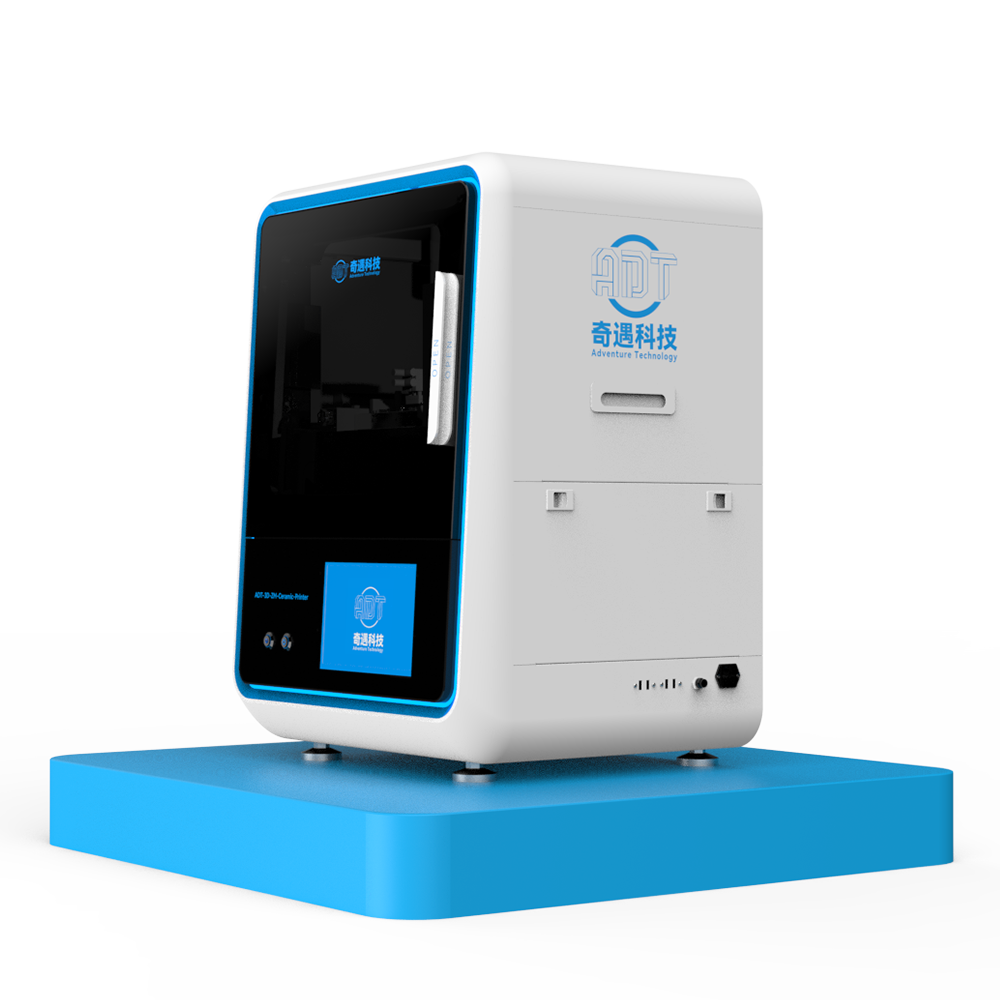
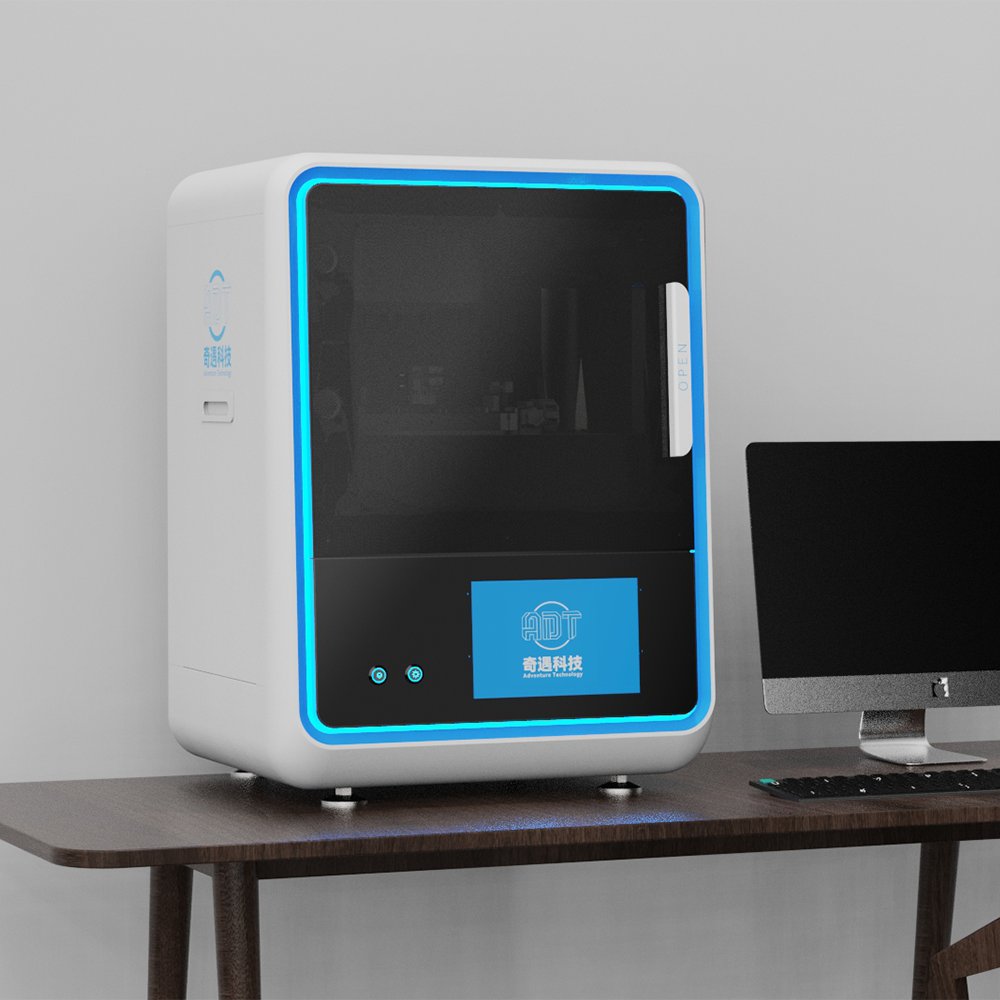
Standard Model DLP Ceramic 3D Printer Product Features:
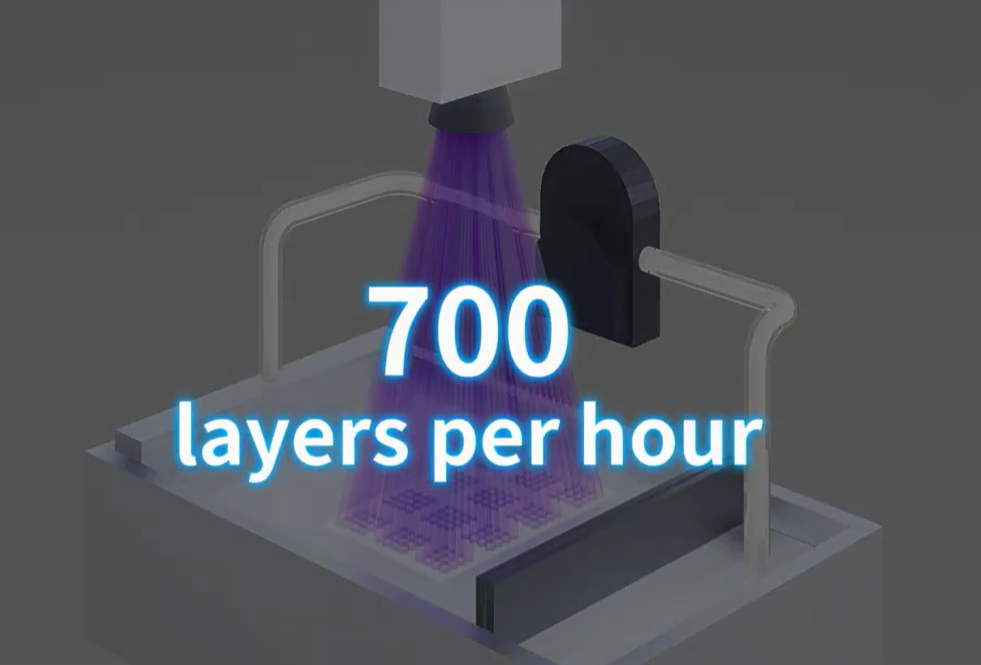
1. Ultra-fast: 700 layers per hour (aluminum oxide), accelerating R&D and production;
2. High printing success rate: Upright sinking molding method and peristaltic filtration feeding system;
3. Multi-material compatibility: Capable of printing various ceramic materials to meet different research needs;
4. Simplified printing process: Built-in material process parameter package for one-click printing;
5. Comprehensive software functions: Includes functions such as photography, video recording, and algorithm correction.
| Specification | Details |
|---|---|
| Equipment name | DLP Ceramic 3D Printer-Standard |
| Equipment type | ADT-3D-ZM-Ceramic-96-50 |
| Equipment size | 605×510×850mm |
| Formating space | 96×54×90mm |
| Light spot diameter | 50μm |
| Actual surface power | 60mW/cm² |
| Formating mechanism | DLP (Digital Light Processing) |
| Resolution ratio | 1920×1080 |
| UV wavelength | 405nm |
| Suggested printing layer thickness | 2μm |
| Slurry volume to start | 250mL |
| Print rate | ≥700 layers/hour |
| Feeding method | Pump type |
| File support format | STL |
| Forming method | Vertical sinking molding |
| Adaptation material | Zirconia, alumina, silicon carbide, silicon oxide, hydroxyapatite, barium titanate, ceramic materials curable by UV, and photosensitive resins suitable for SLA/DLP 3D printing. |
Learn more about our
ceramic 3D printing solutions.
Standard Model DLP Ceramic 3D Printer Ultra-Fast Printing
As a globally leading ceramic 3D printing device in terms of speed, the ADT-3D-ZM-Ceramic-96-50 utilizes Digital Light Processing (DLP) molding technology and a unique scraper design structure, achieving a printing speed of 700 layers/hour, accelerating research and production processes.
Standard Model DLP Ceramic 3D Printer Multi-Material Compatibility
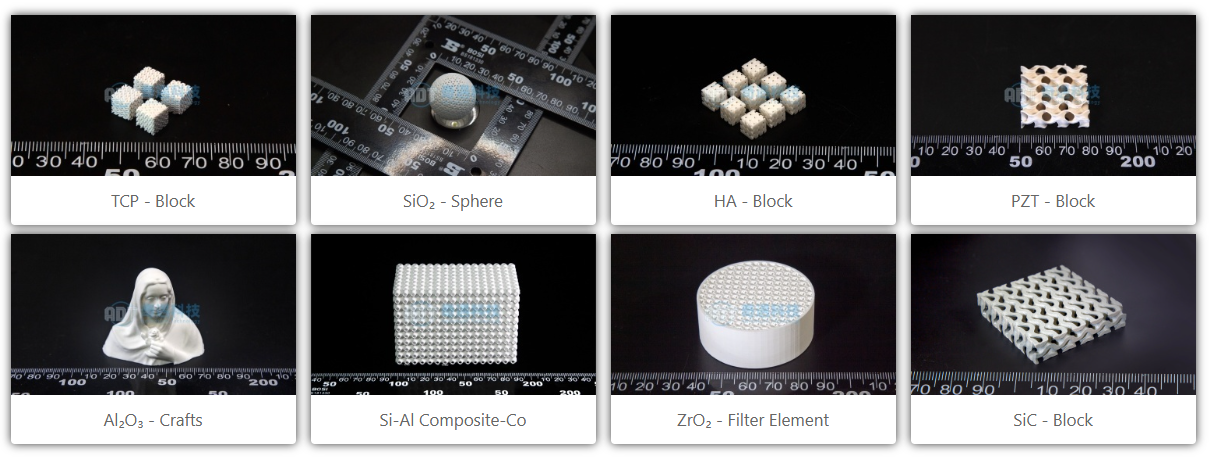
Currently, high-precision/large-size ceramic materials such as oxide ceramics, non-oxide ceramics, piezoelectric ceramics, bioceramics, and photosensitive resins have been internally validated, meeting the needs of various material application explorations – a powerful tool for scientific research.
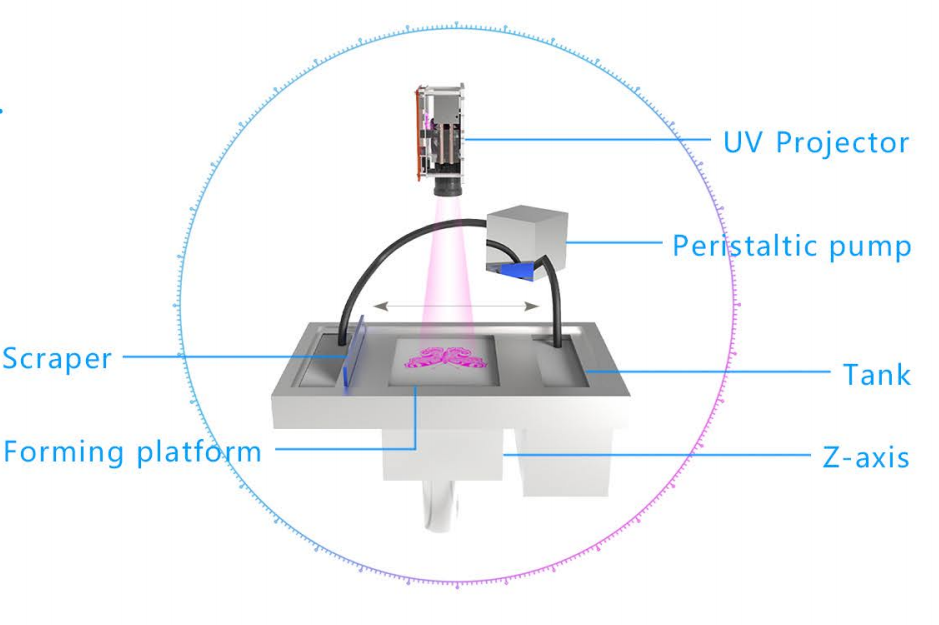
Standard Model DLP Ceramic 3D Printer Upright Submersion Molding
The DLP upright submersion molding method effectively improves the success rate of ceramic 3D printing. Furthermore, a peristaltic filtration feeding system ensures uniform slurry supply during the printing process, reducing waste and maximizing material utilization.
Standard Model DLP Ceramic 3D Printer Application Cases
Send an Inquiry
