Research
ADT ceramic 3D printing solutions support universities, research institutes, and laboratories in developing new materials, complex structures, and advanced ceramic components for research and experimentation.
Explore research →
From material development to industrial production, ADT provides ceramic 3D printers, materials, printing services, and process support.
DLP, DIW and SLA ceramic 3D printing technologies for research and production.
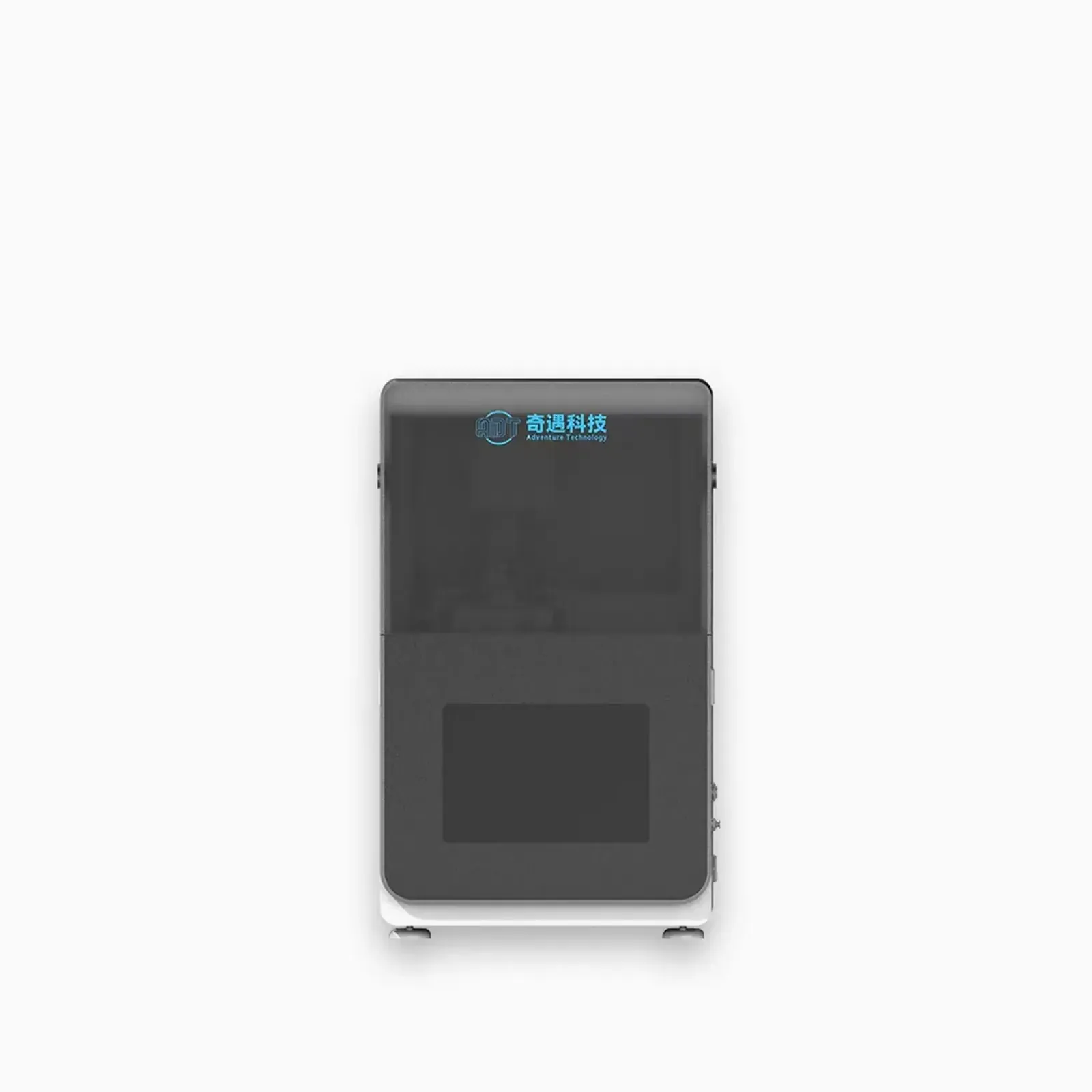
High-precision 20μm ceramic 3D printing at an exceptional value for research and education.
Learn More →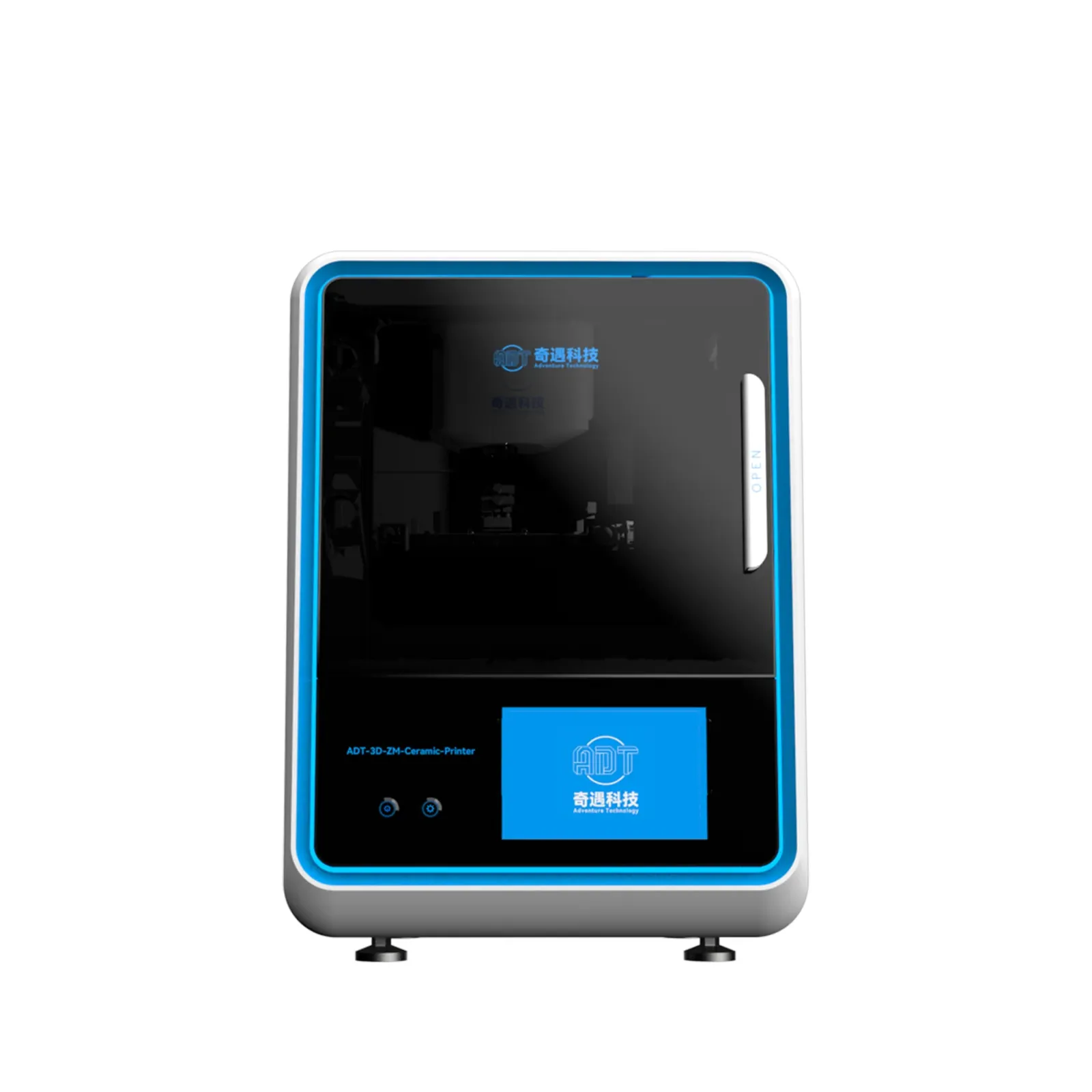
Research-level 50μm precision, industrial 700 layers/hour speed — for experimentation and mass production.
Learn More →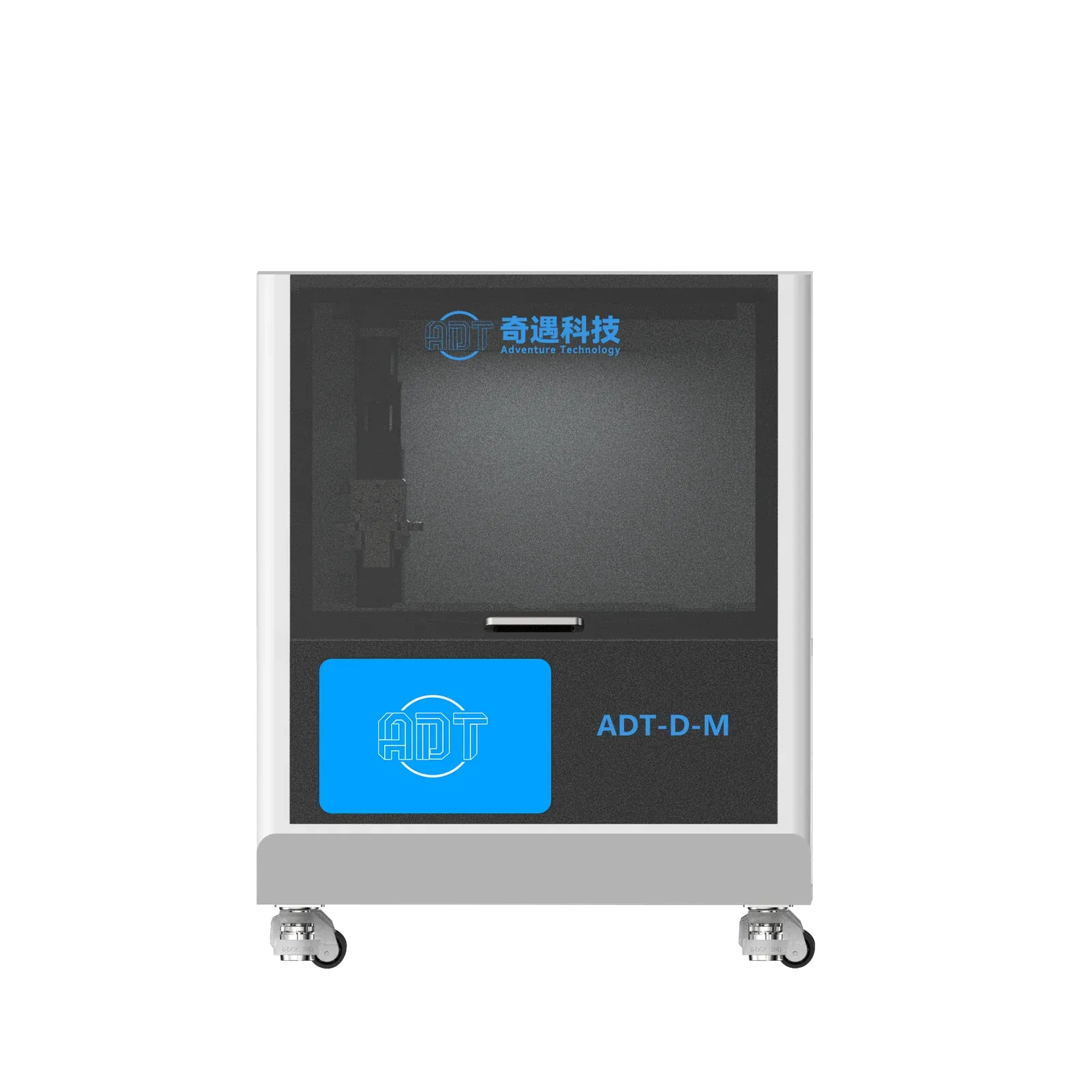
Multi-material, 25μm precision — the preferred 3D printing platform for advanced materials research.
Learn More →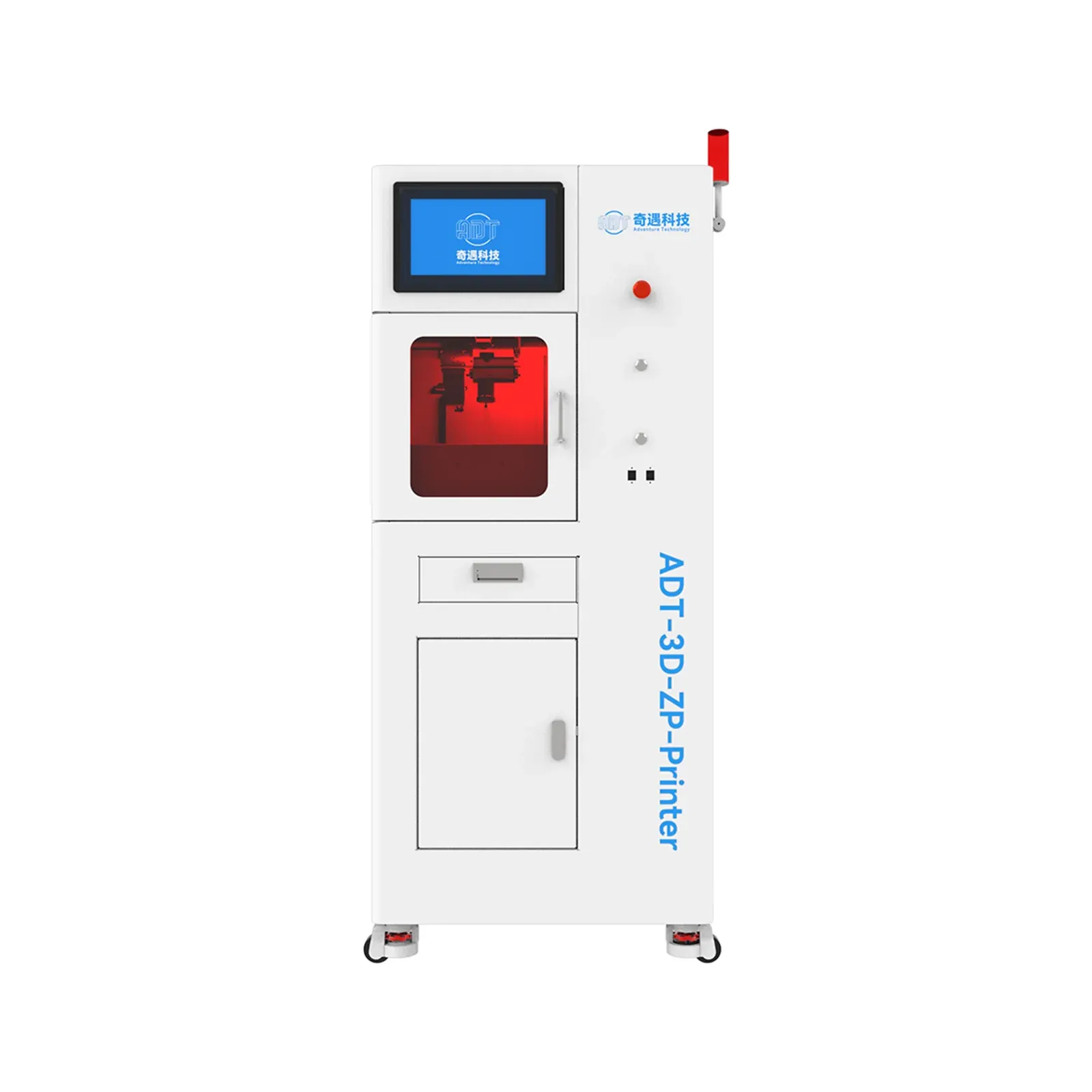
25μm precision, high success rate, 100Pa·s compatibility — a ceramic 3D printer tailored for scientific research.
Learn More →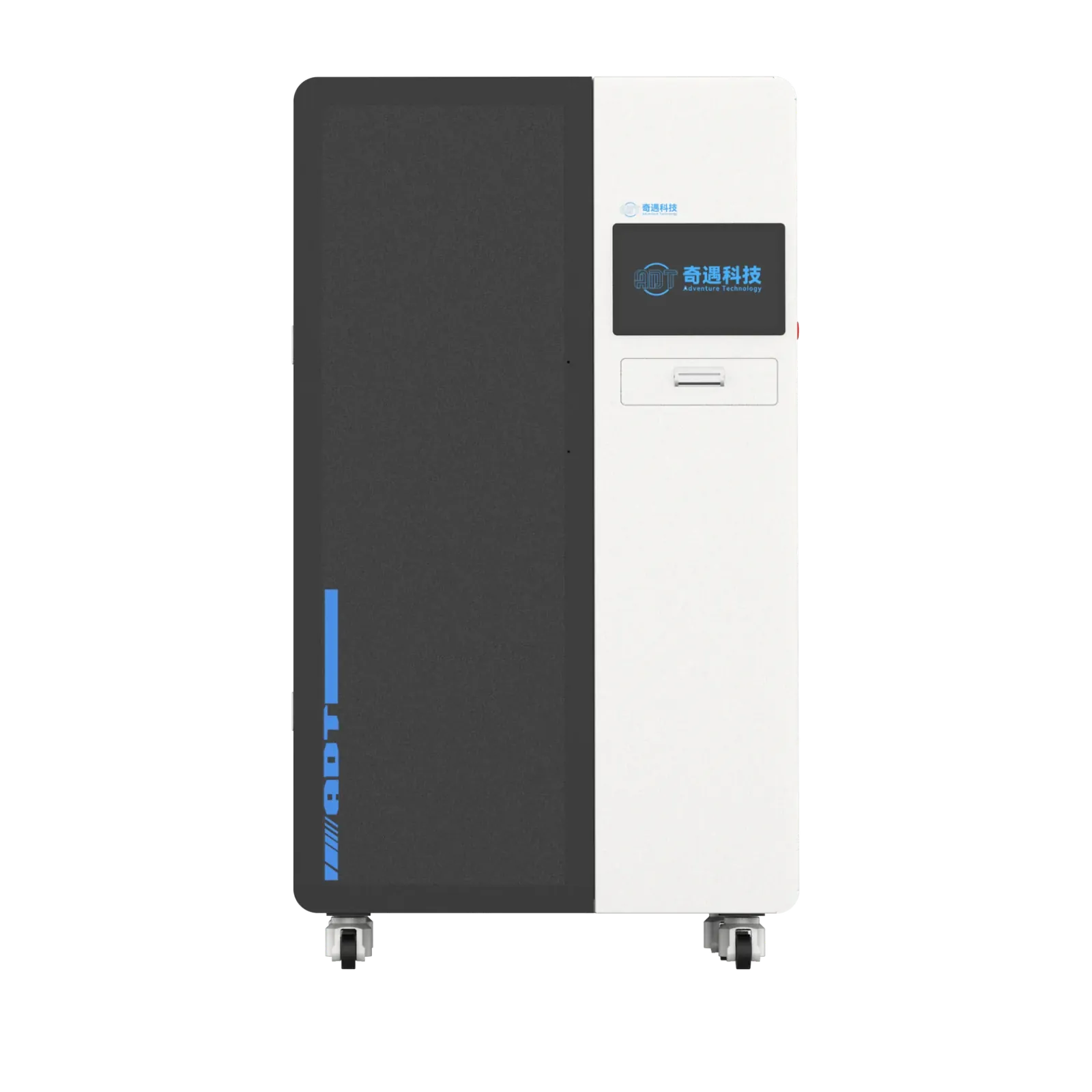
Bigger, faster, more stable — up to 295×184×120 mm, up to 600 layers/hour for research and mass production.
Learn More →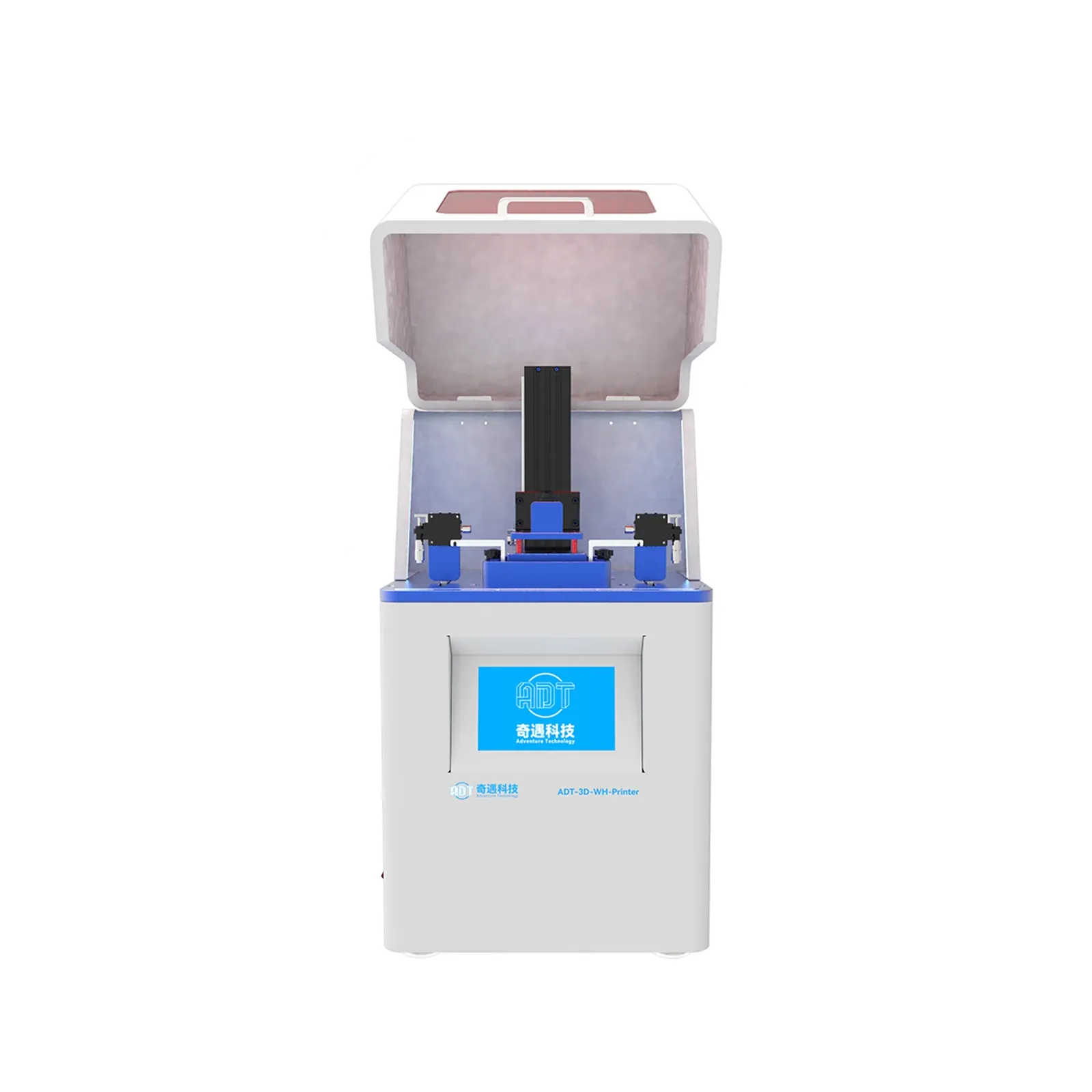
5–20 mL material start, easy operation, ideal for material development.
Learn More →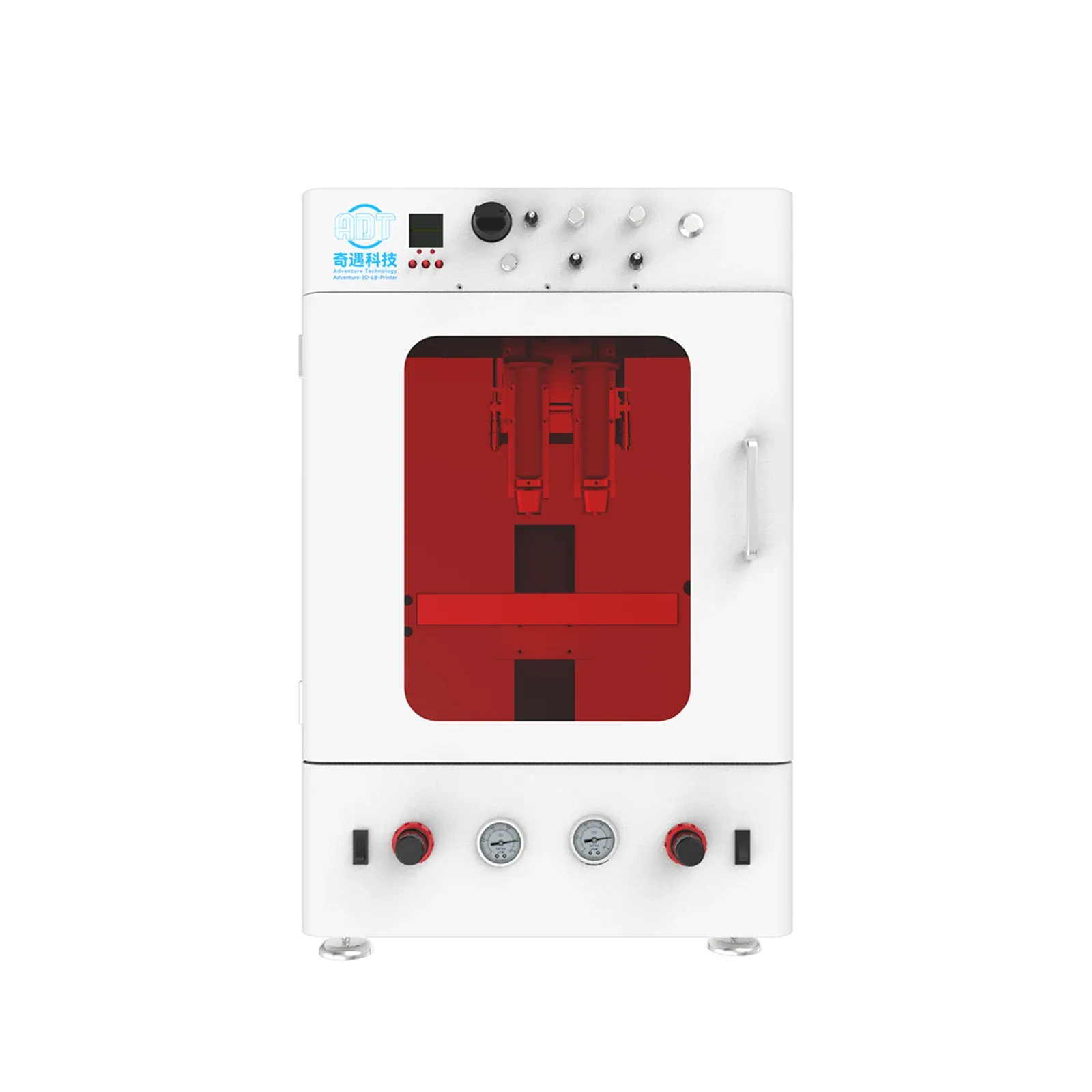
Designed for research, combining high precision with broad material compatibility.
Learn More →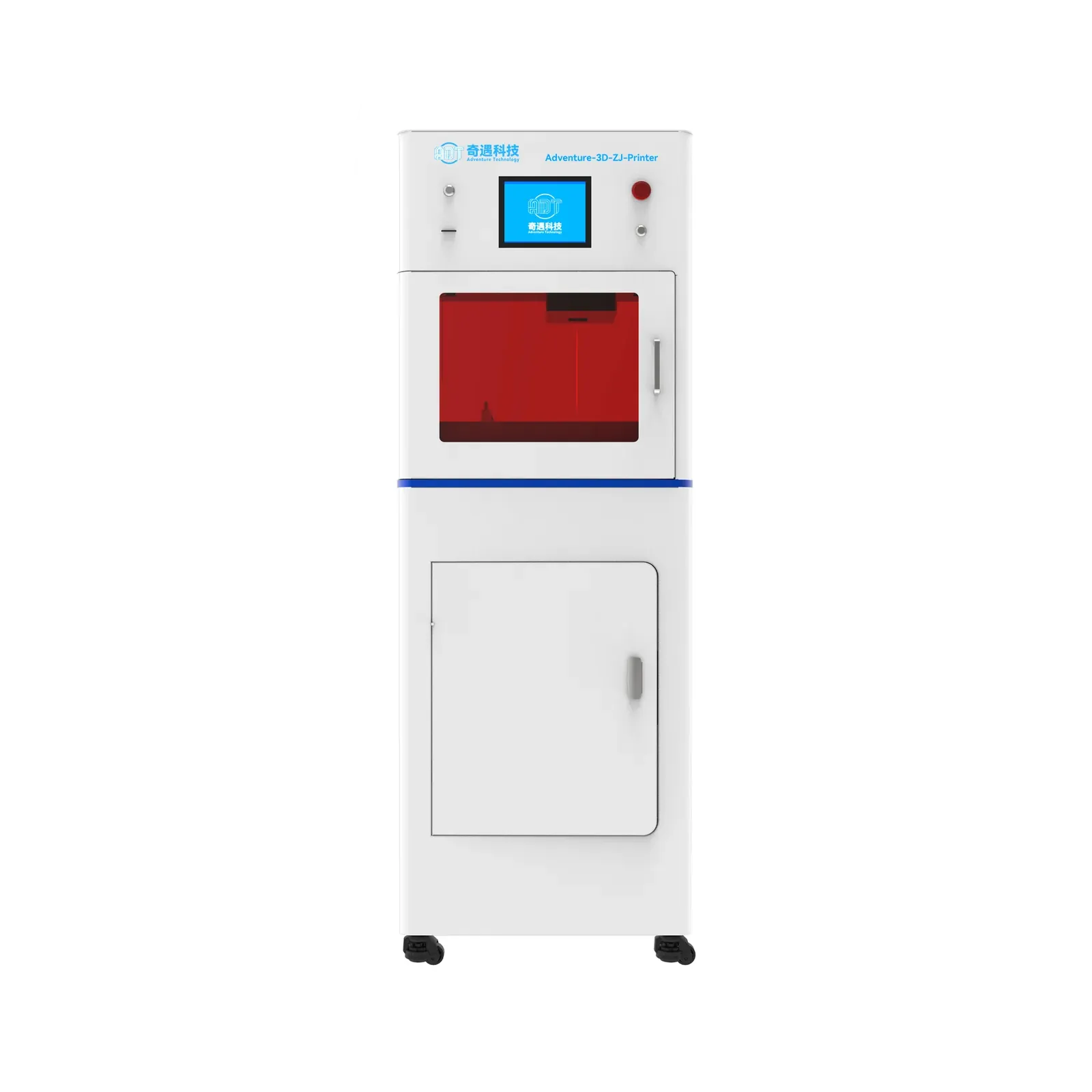
Laser forming with exceptional surface finish and dimensional stability.
Learn More →Tackle any problem with our industry-leading ceramic materials.
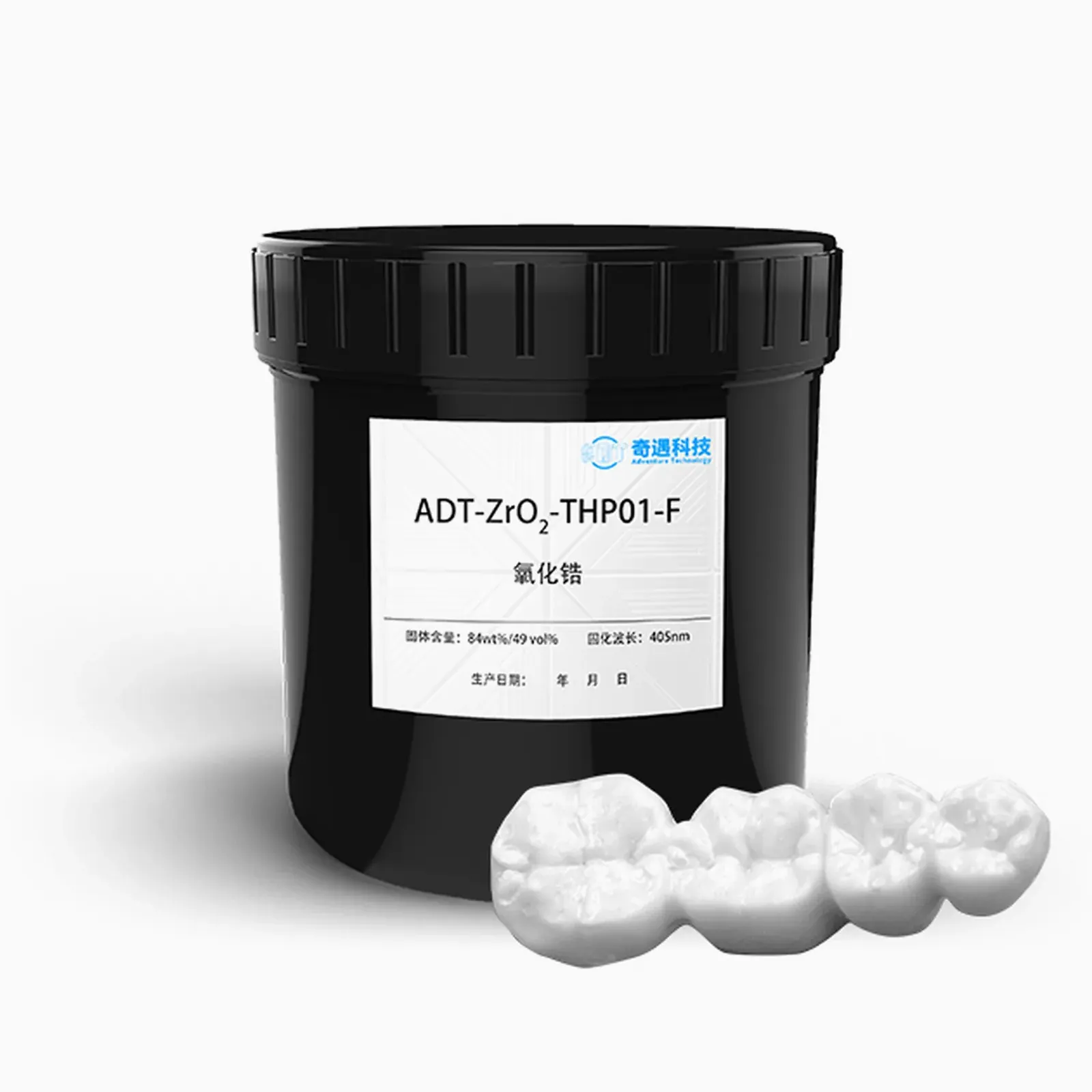
Alumina and zirconia slurries with excellent high-temperature and corrosion resistance.
Learn More →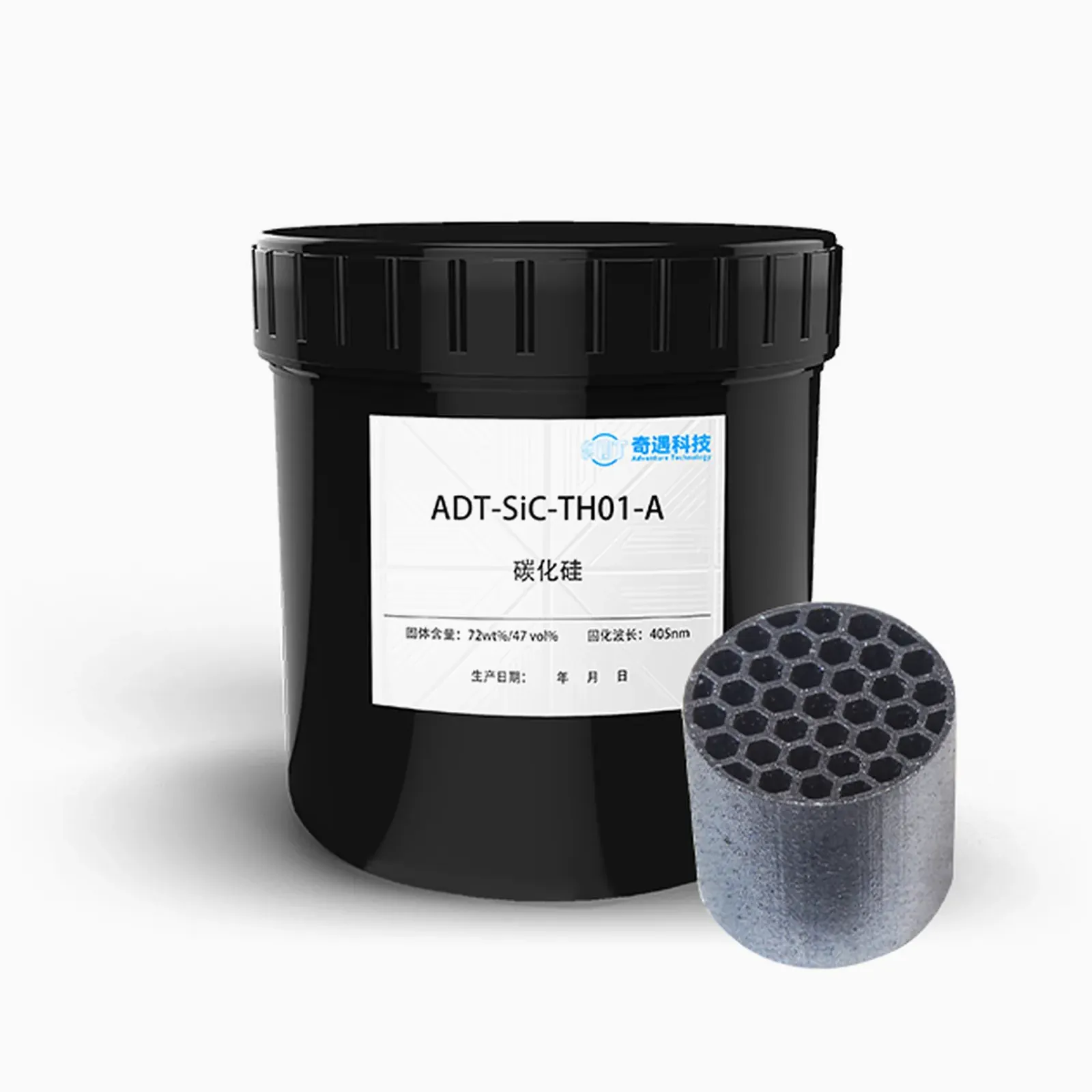
Silicon carbide and silicon nitride with wear resistance, thermal conductivity and chemical stability.
Learn More →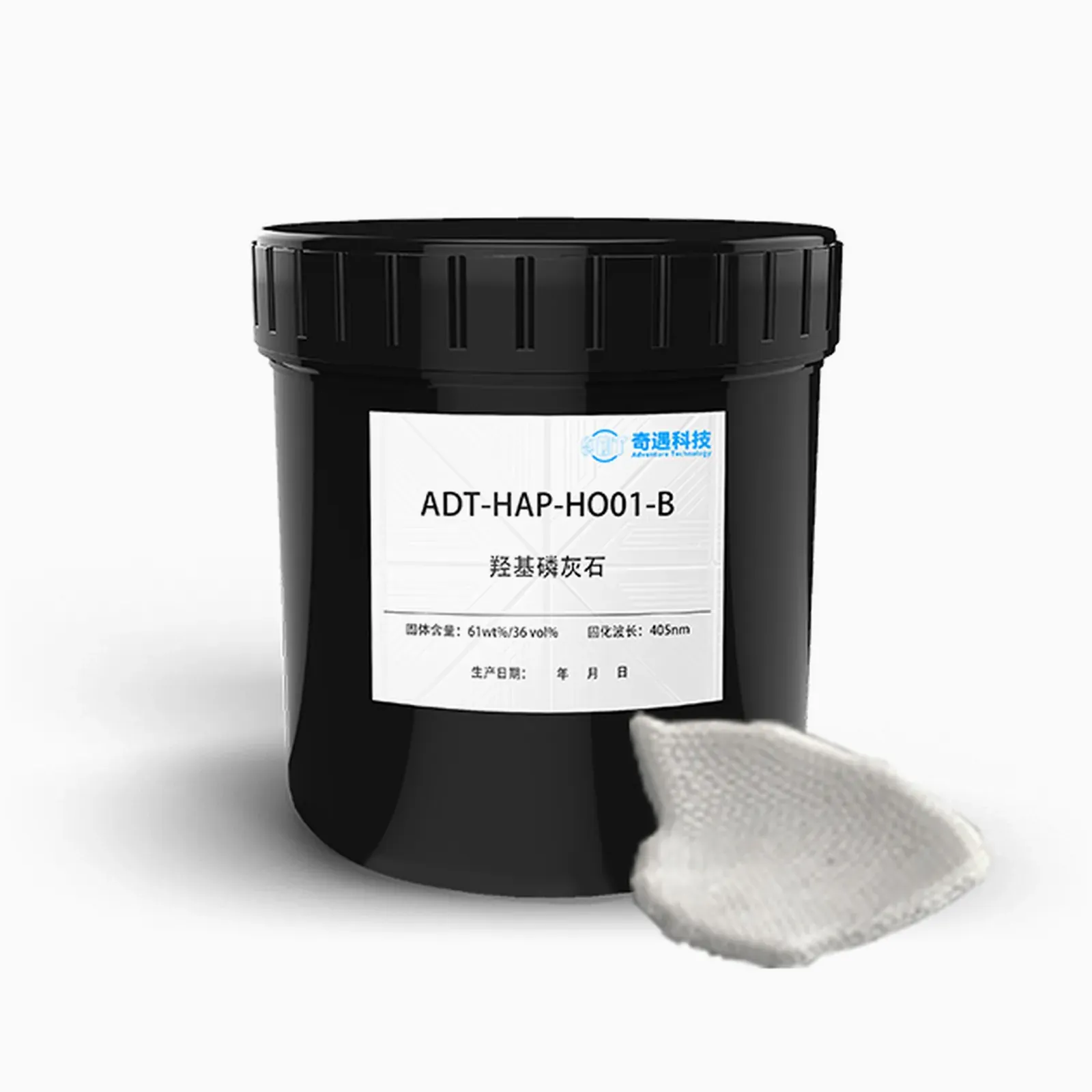
HAP and TCP with excellent biocompatibility for dental and bone repair.
Learn More →From basic research to industrial development and production applications, ADT ceramic 3D printing technology helps researchers and engineers explore new materials, structures, and advanced ceramic applications.
Explore Application Areas →
ADT ceramic 3D printing solutions support universities, research institutes, and laboratories in developing new materials, complex structures, and advanced ceramic components for research and experimentation.
Explore research →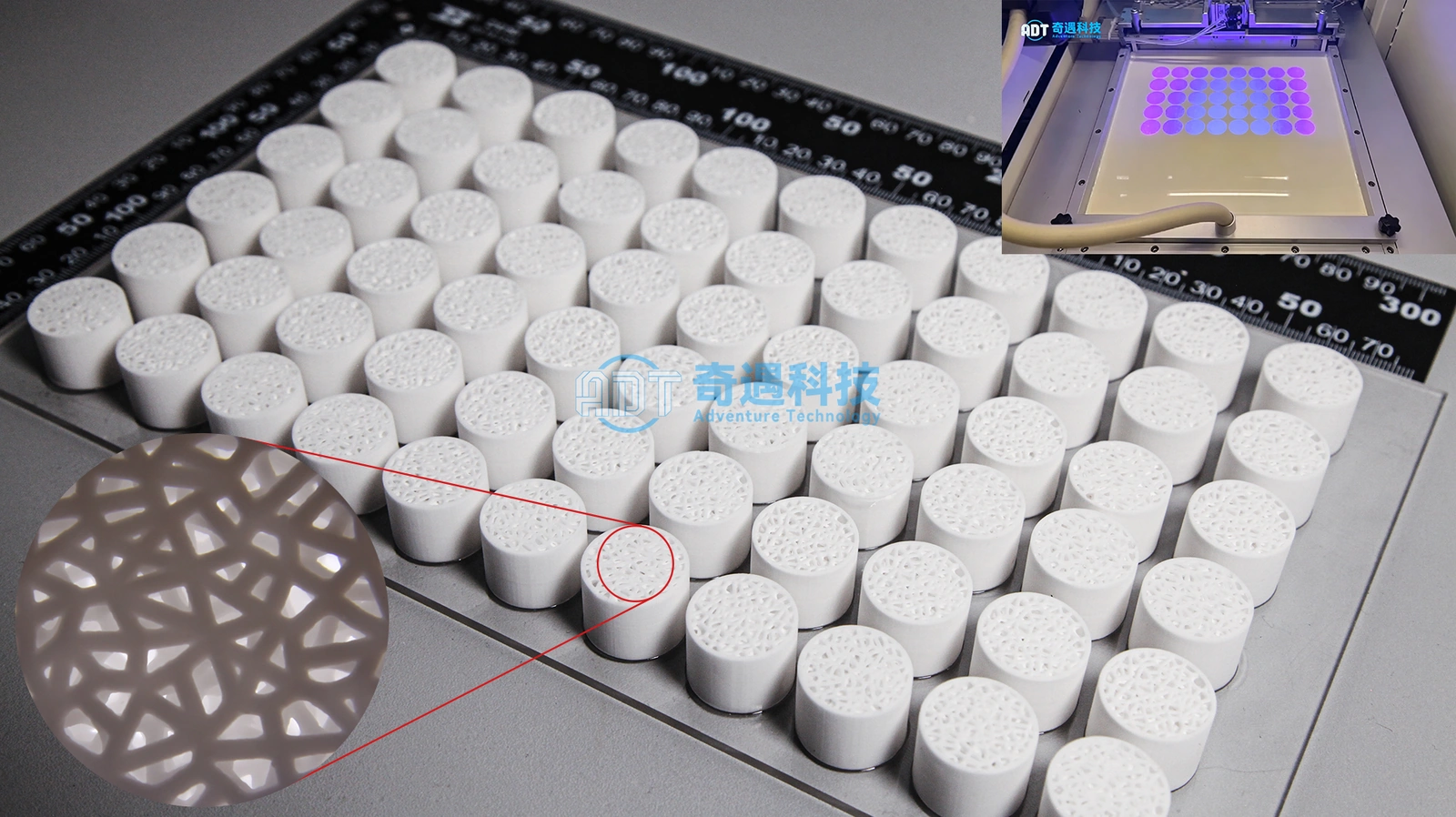
ADT ceramic 3D printing solutions support industrial R&D teams and manufacturers in developing ceramic components, optimizing production processes, and bringing advanced ceramic applications from development to production.
Explore industry →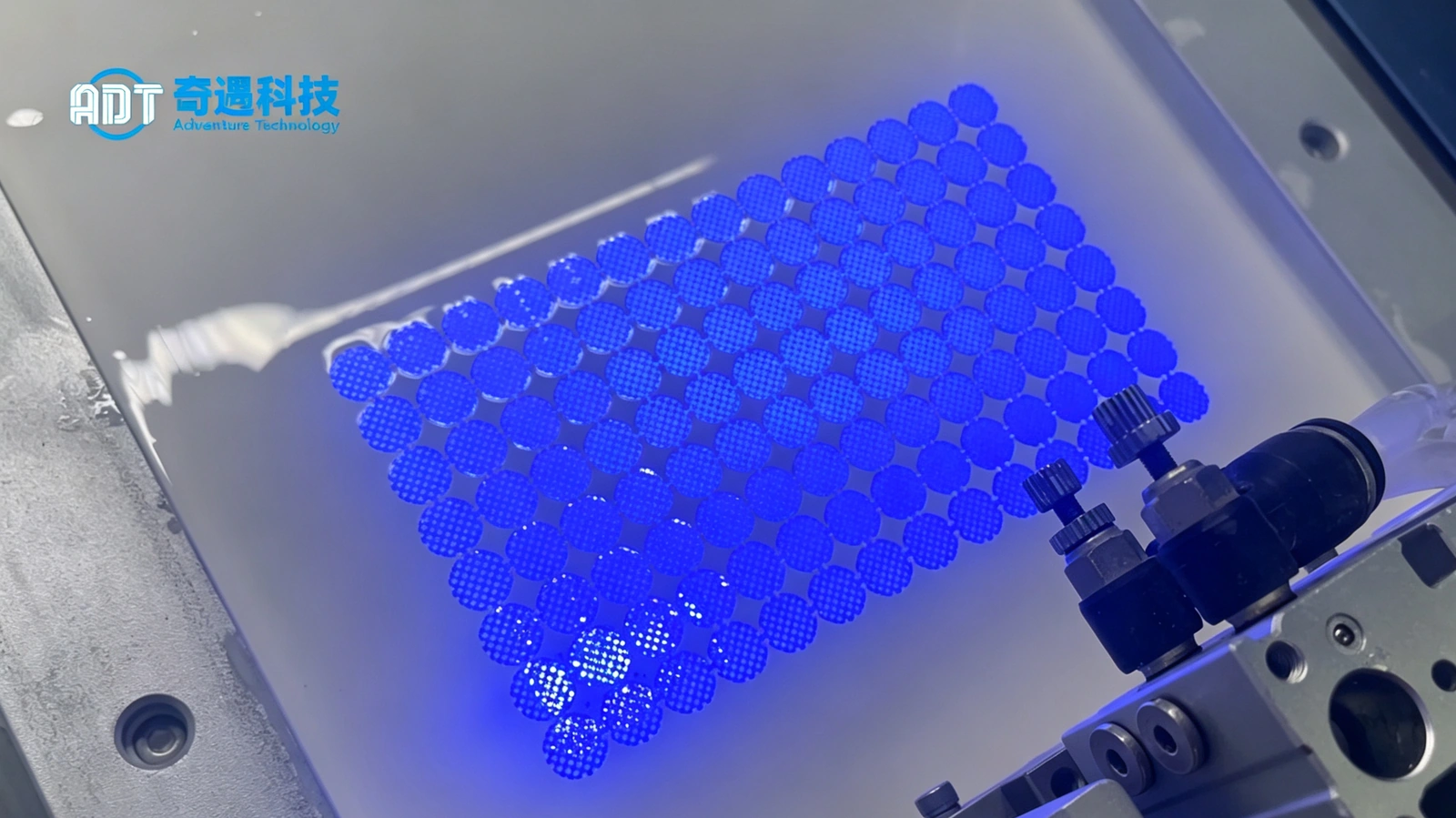
Need ceramic parts but don't have a printer? ADT offers professional ceramic 3D printing services, covering slurry preparation, model design, printing, sintering, and final delivery.
Explore printing service →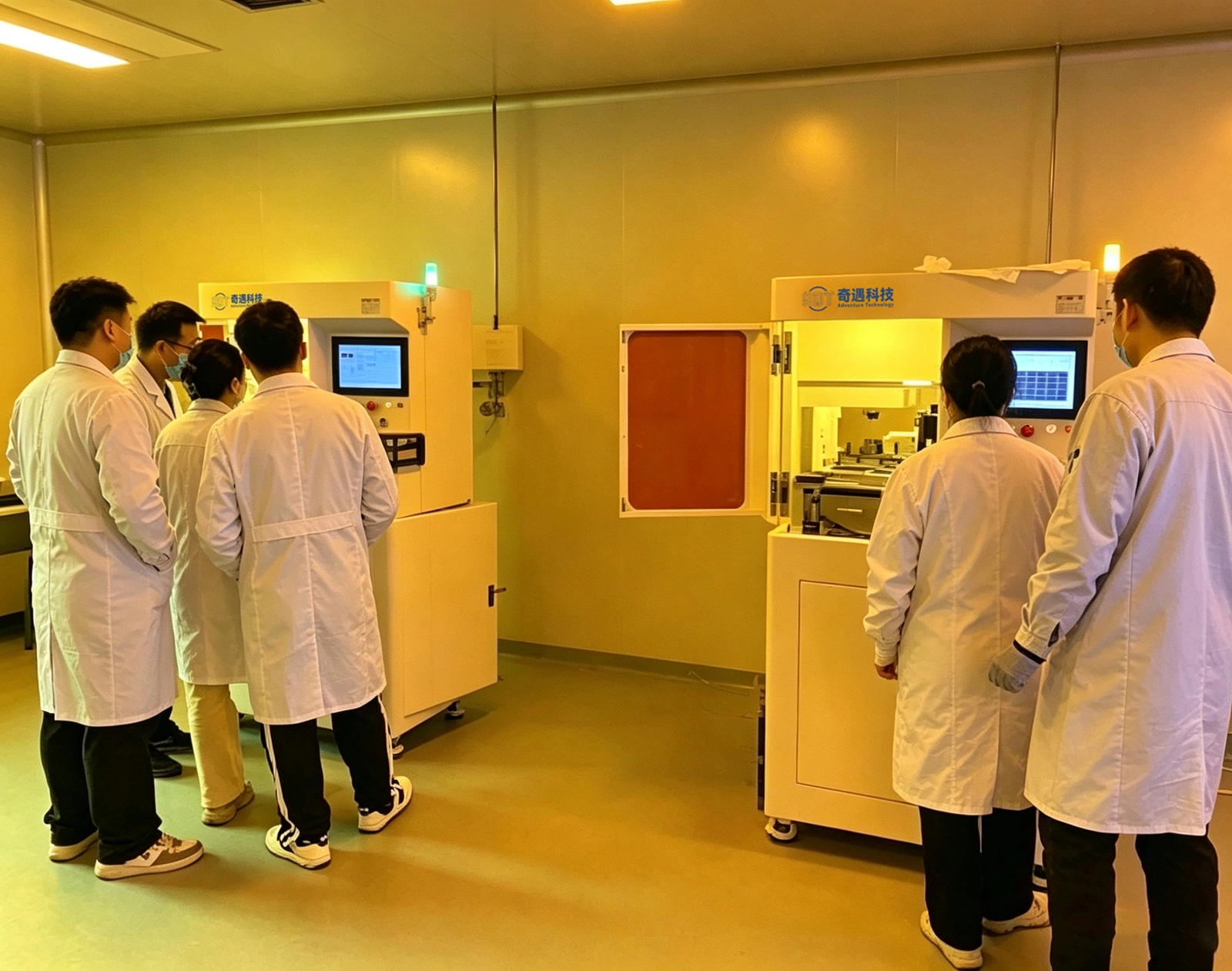
Get the knowledge, tools, and support needed to operate your ADT system effectively, including hands-on training, software and parameter packages, application guidance, and after-sales support.
Explore Technical Support →From outsourced ceramic 3D printing to technical training and after-sales support, ADT helps researchers and engineers move from materials exploration to successful ceramic production.
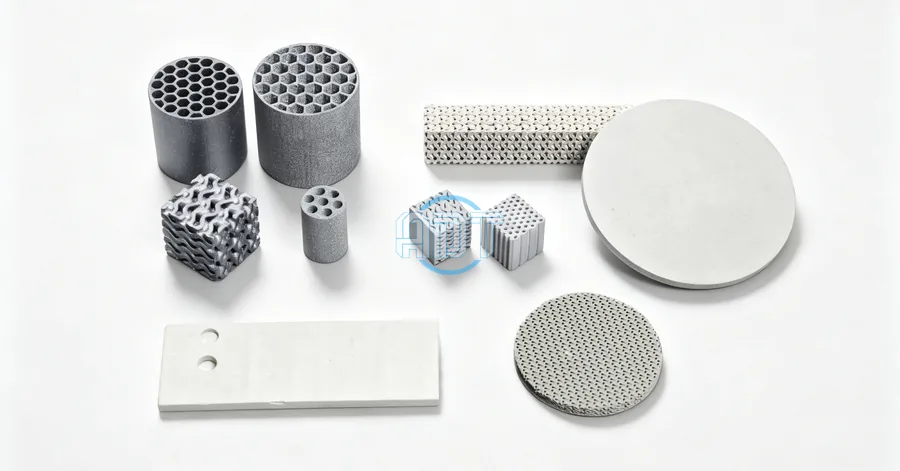
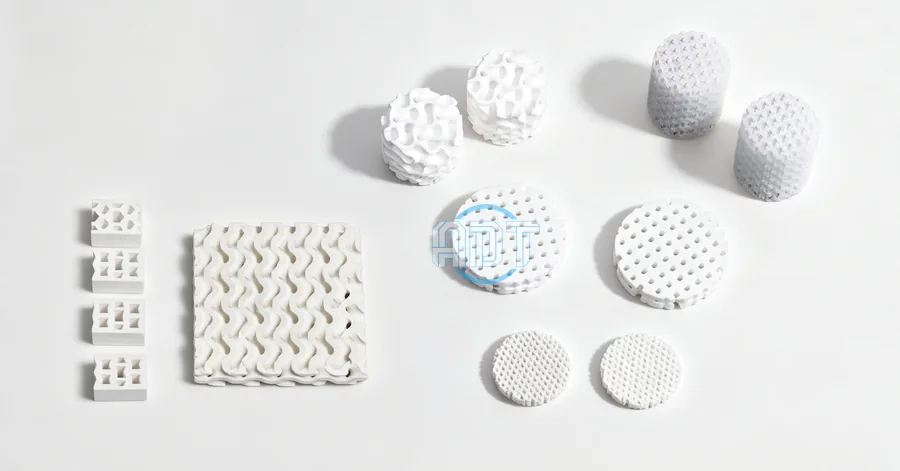
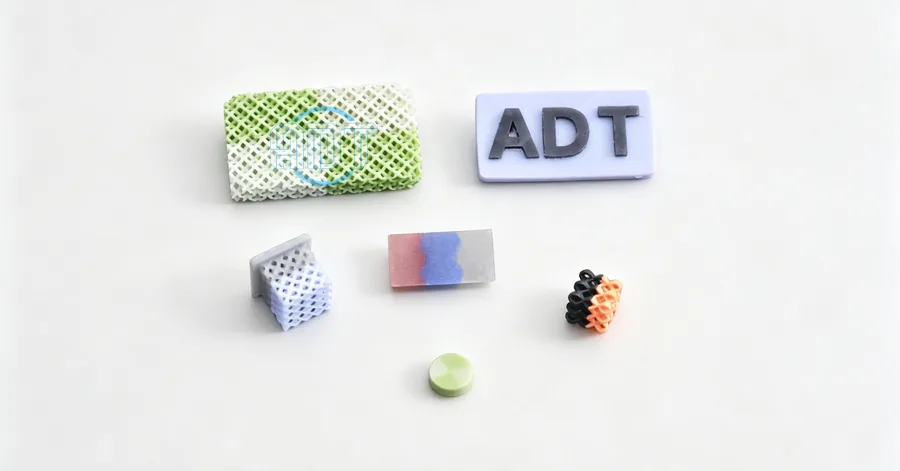
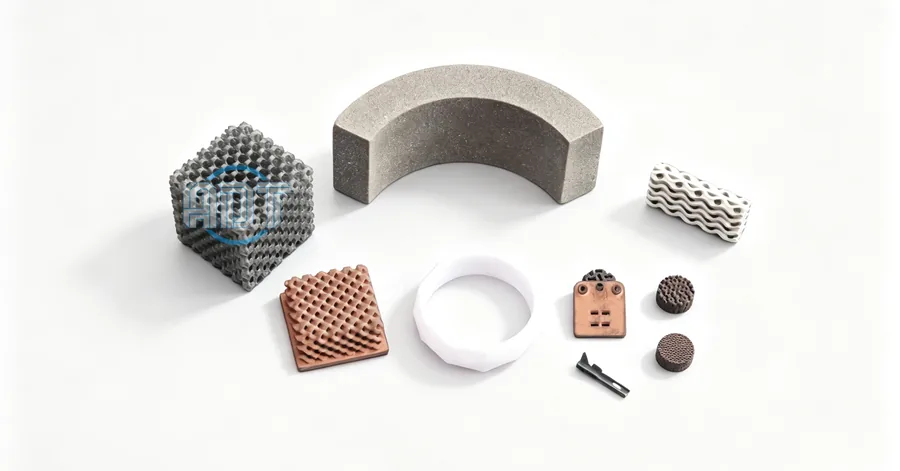
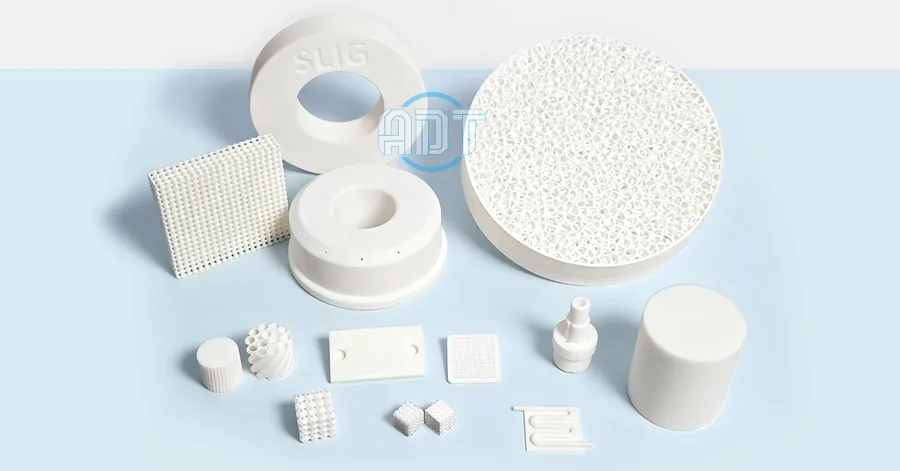
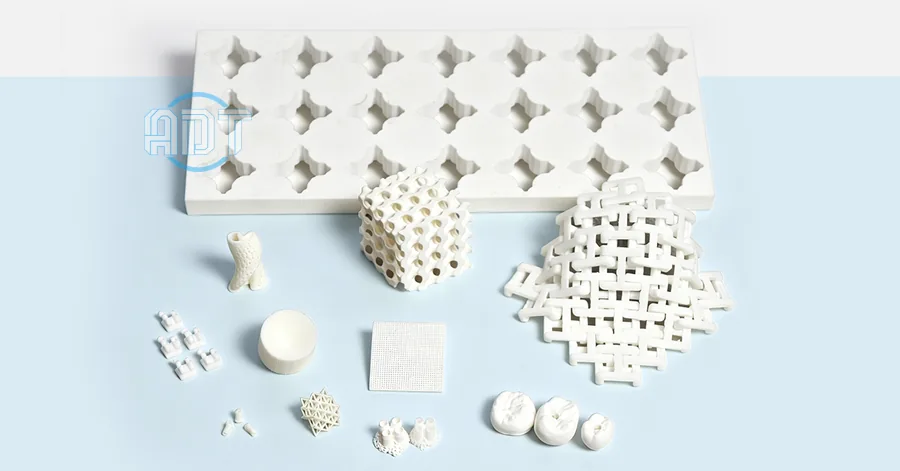
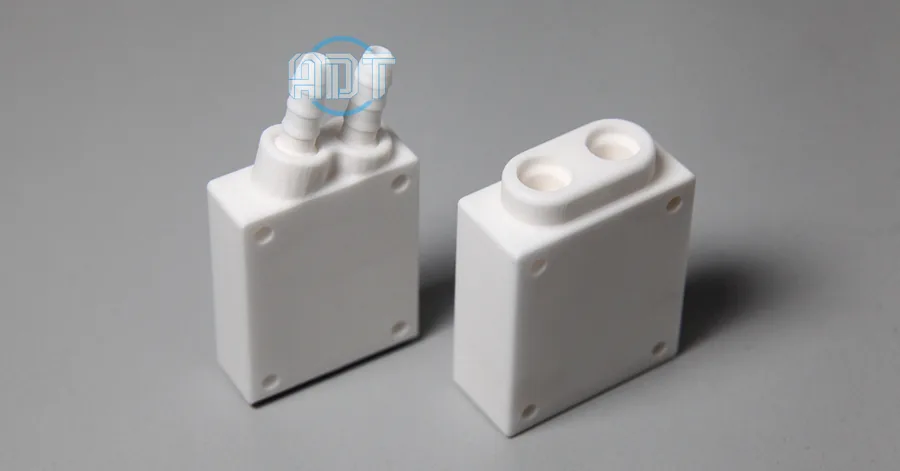
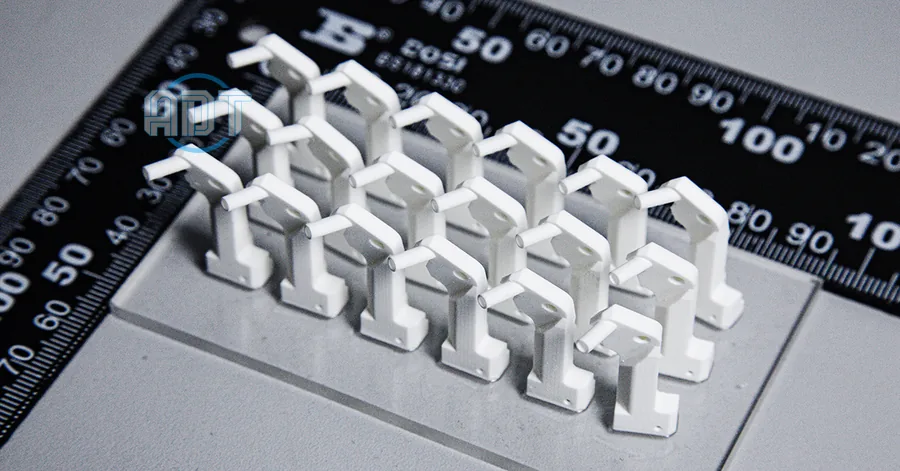
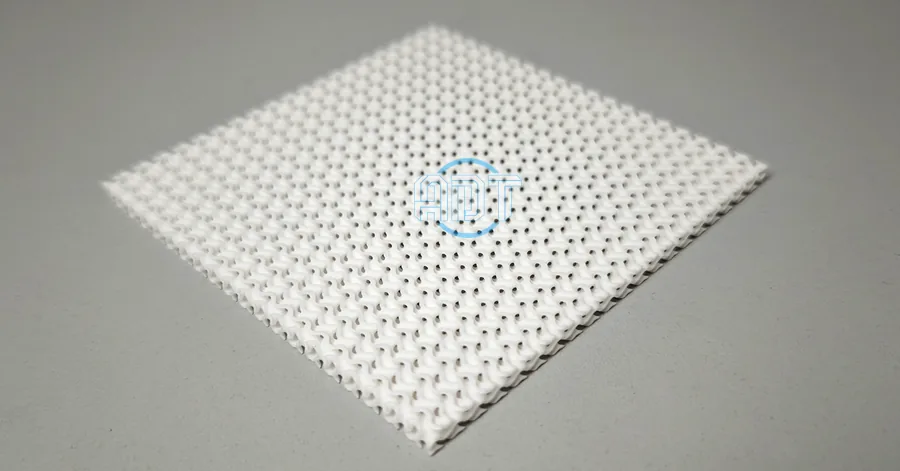
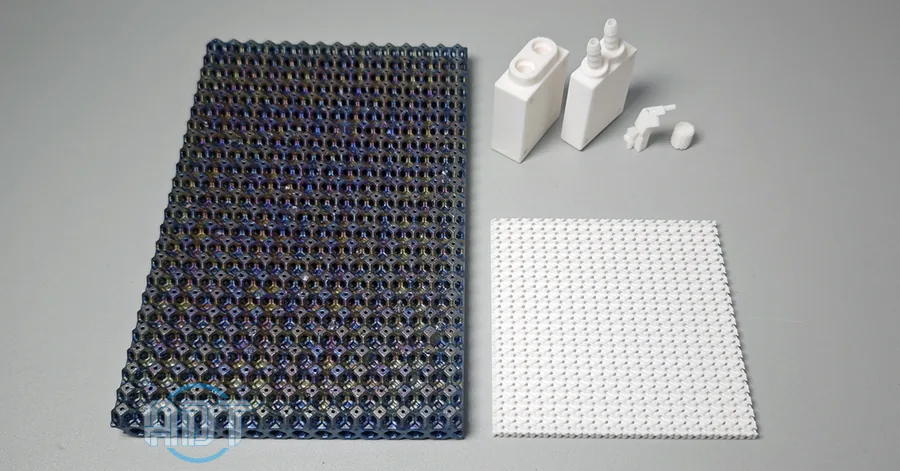
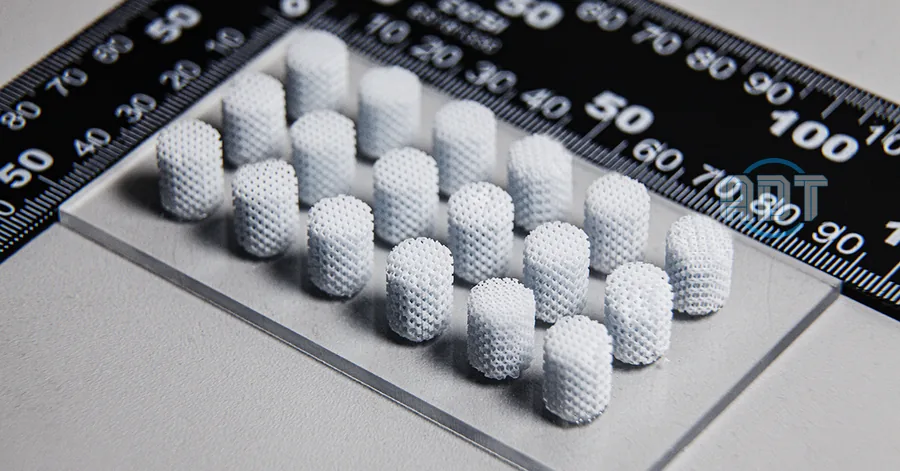
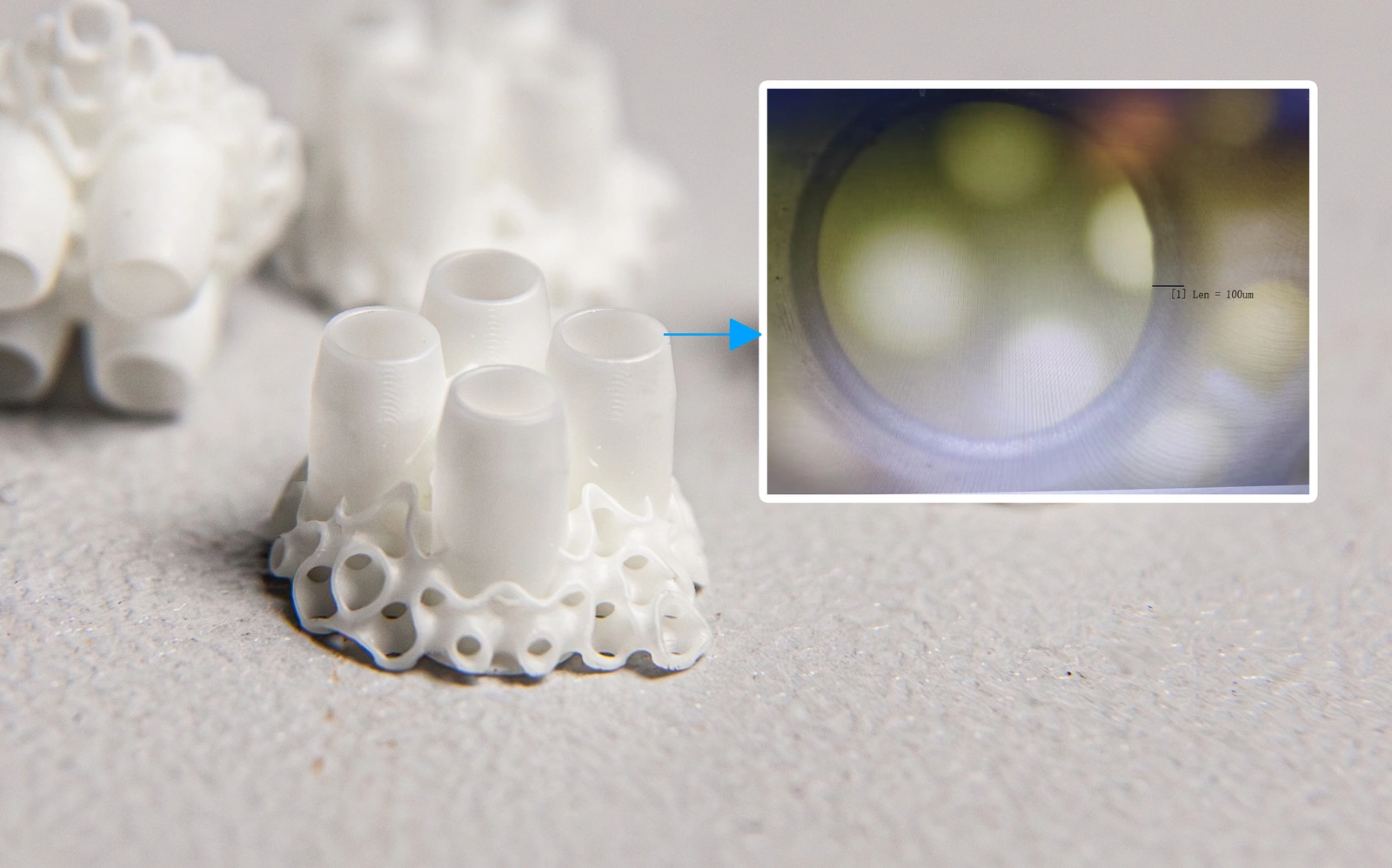
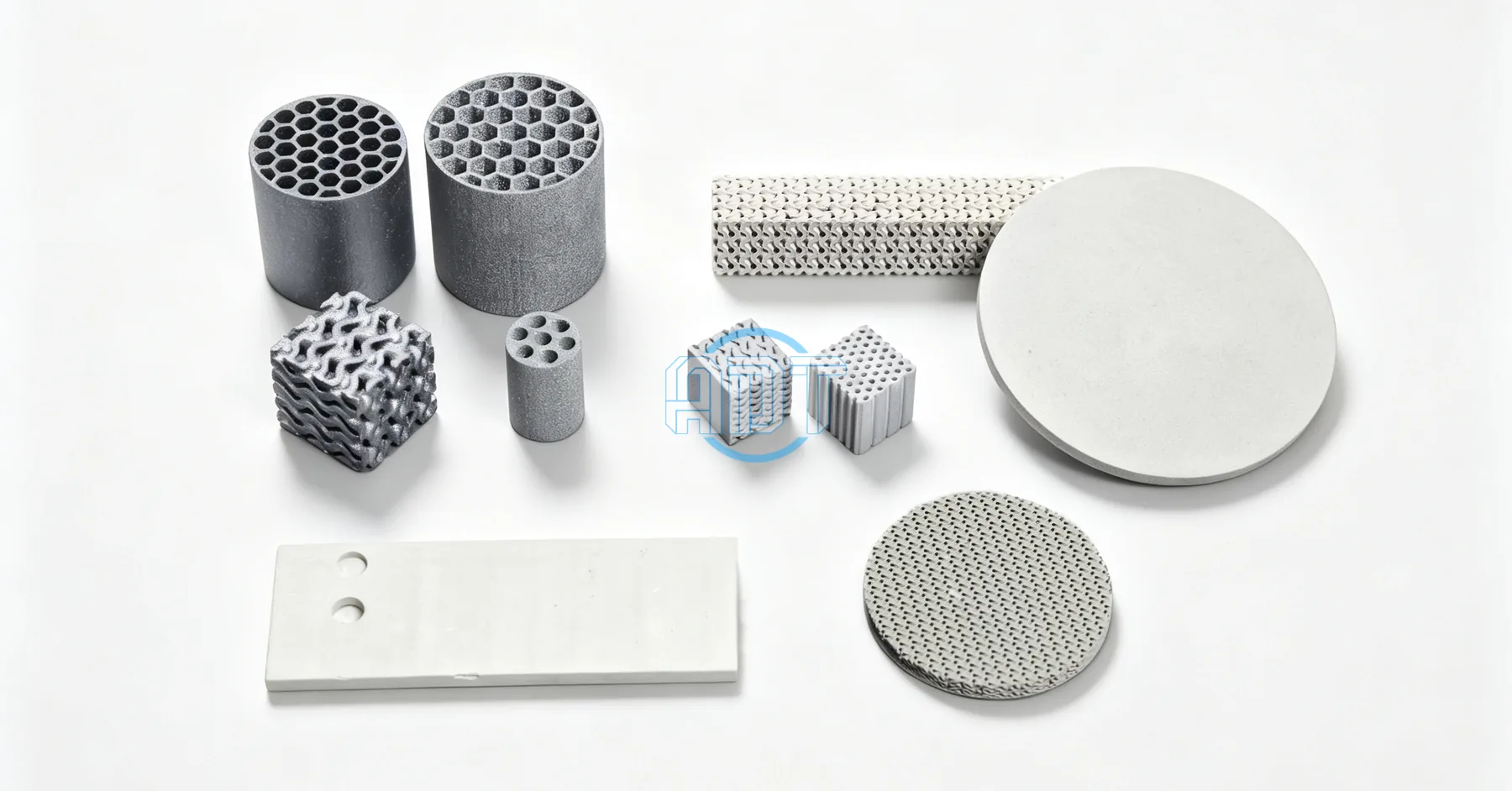
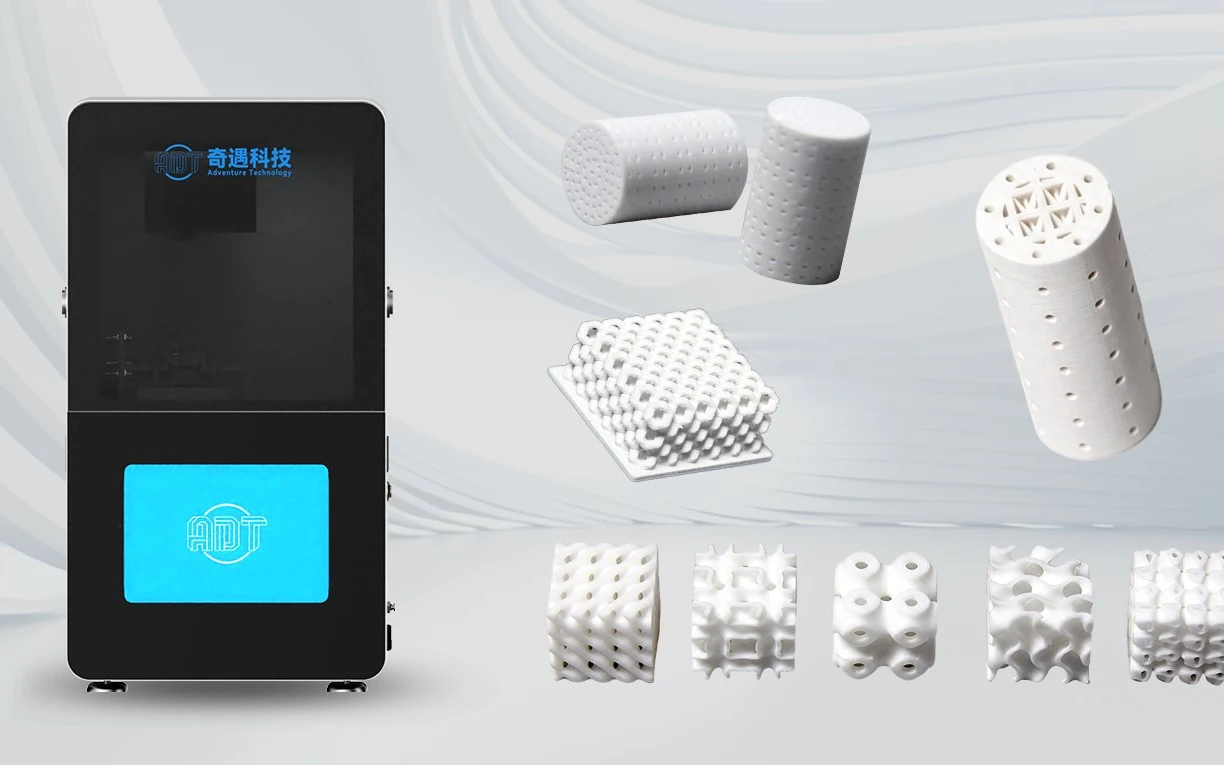
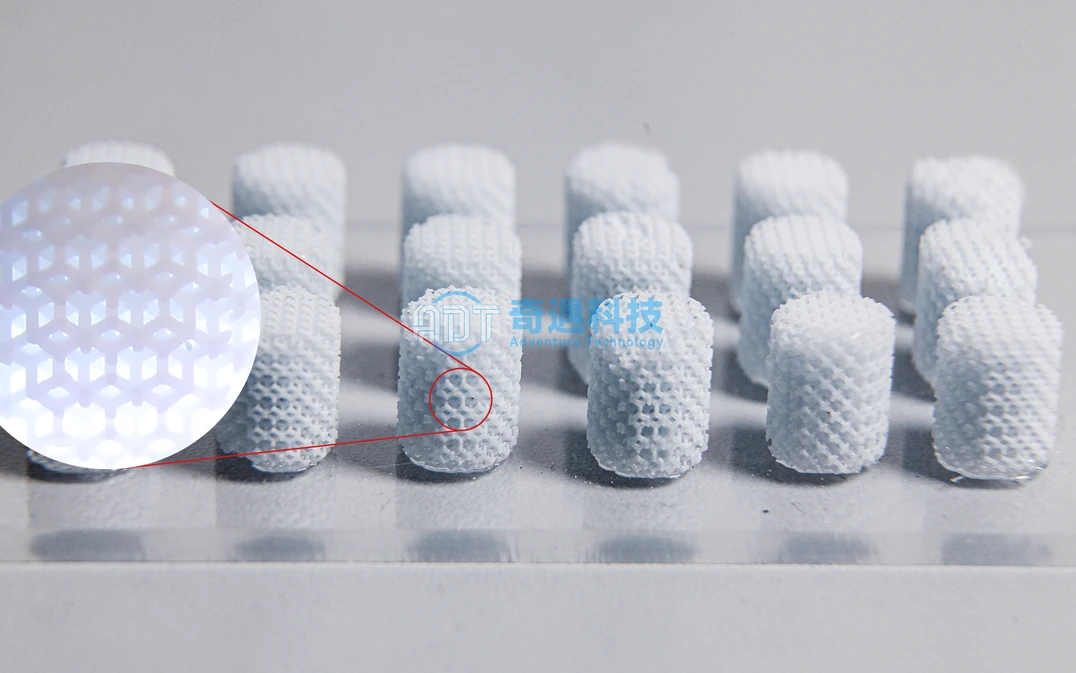
Explore Service →Real parts printed on ADT ceramic 3D printers — alumina, zirconia, silicon carbide, multi-material and bioceramic samples.
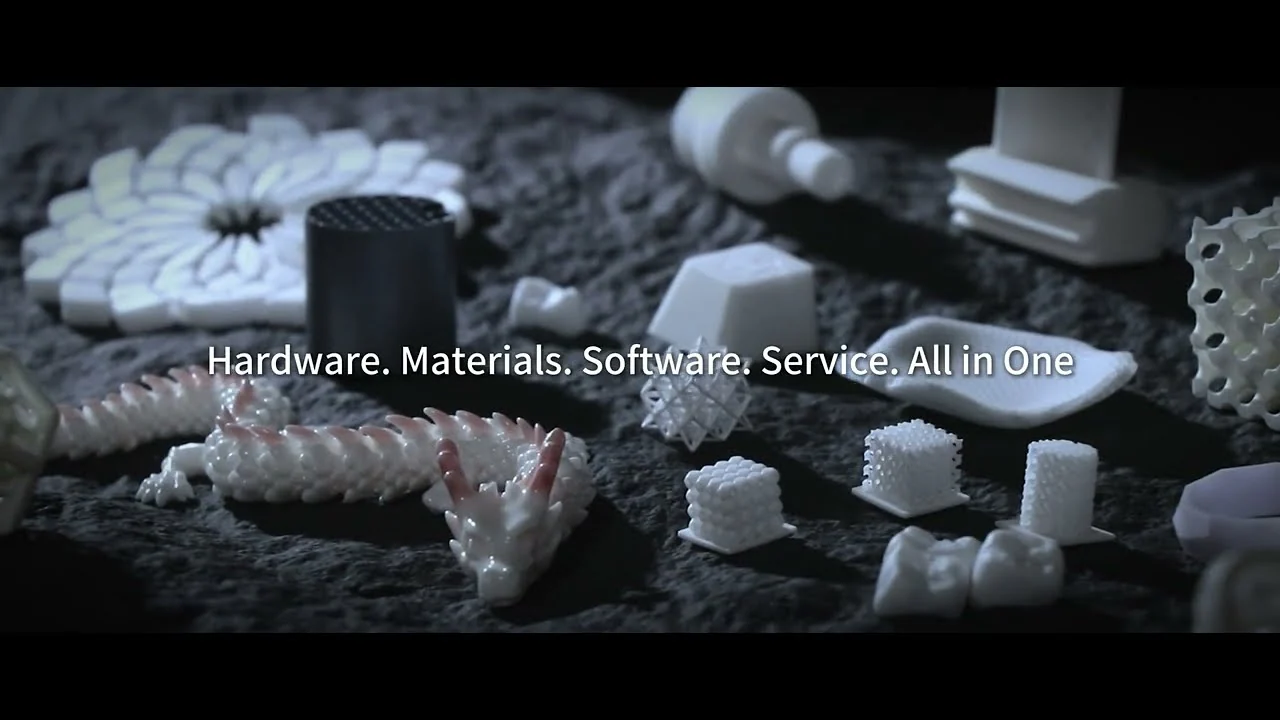
Hardware, materials, software and service — see how ADT ceramic 3D printing works in practice.
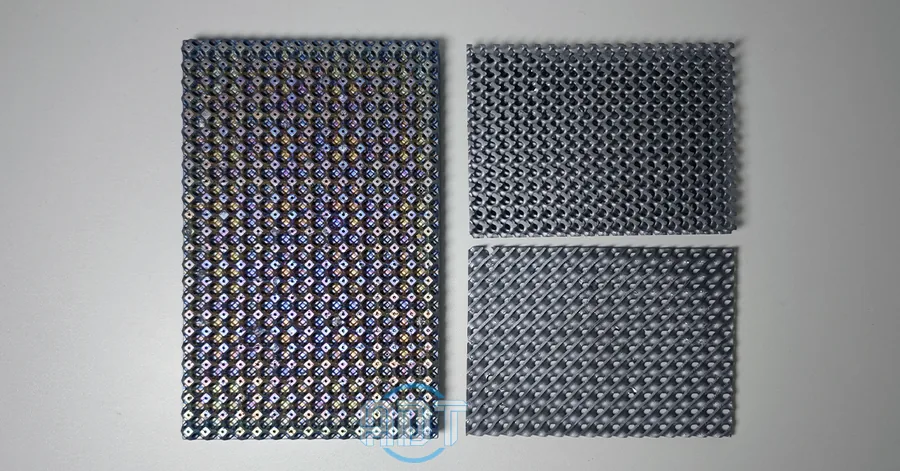
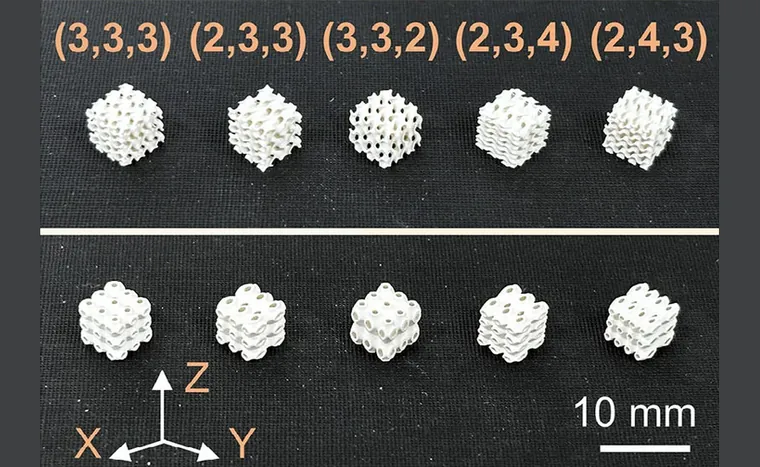
A BaTiO₃ slurry at 90 wt.% solids (over 62 vol.%) was printed into TPMS lattices whose X, Y and Z periods are scaled independently. With the poling direction fixed, breaking that symmetry leaves each axis with a different charge response, so one monolithic part resolves force direction without an array of sensors. The 90 wt.% ceramic reached d₃ 240 pC N⁻¹ and a compressive strength of 342 MPa; the sensing builds (80 wt.%, thinner walls) gave 0.42 V N⁻¹, R² > 0.999, a 1.4 ms response and 68.6 µW cm⁻³, and were used for wireless gait capture.
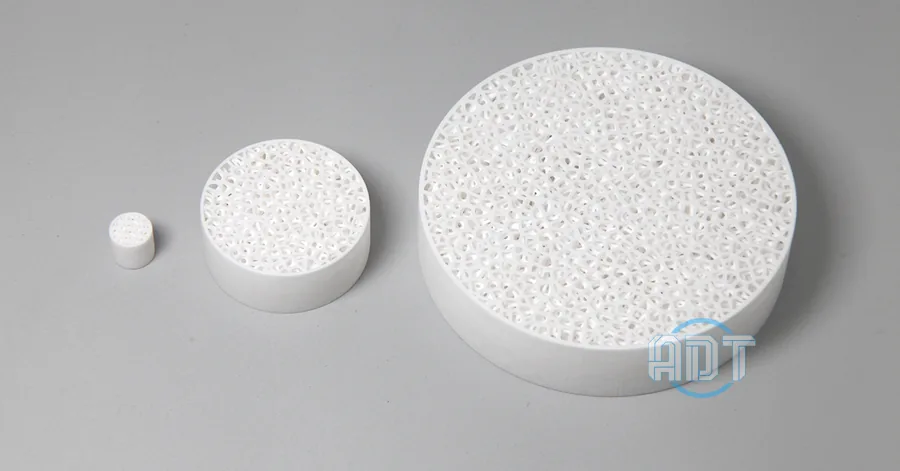
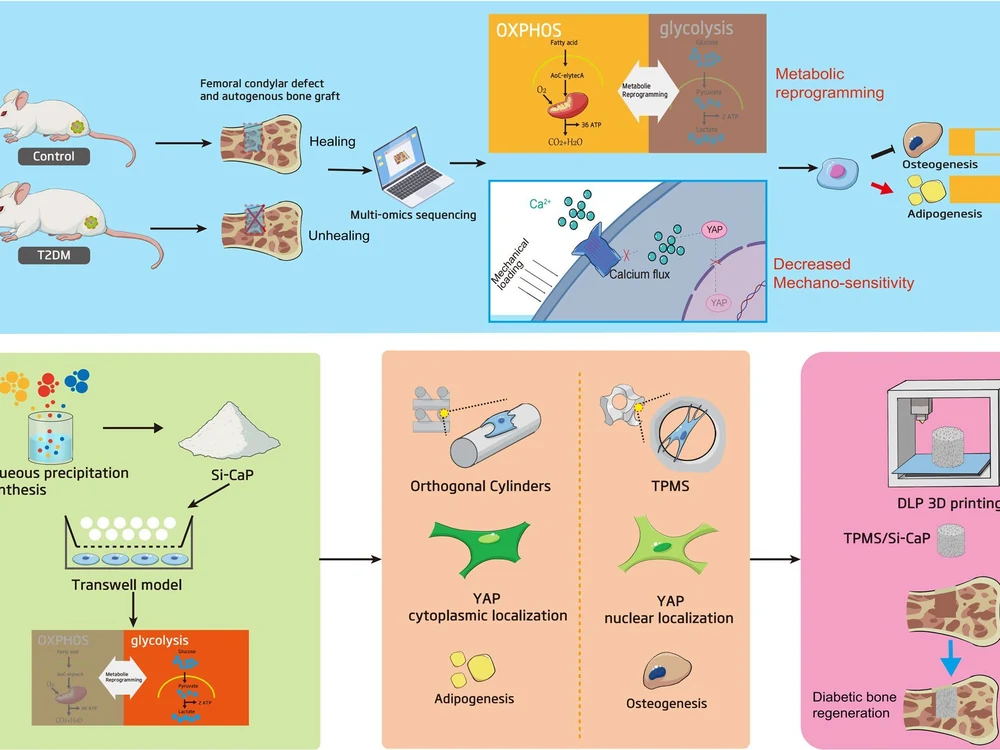
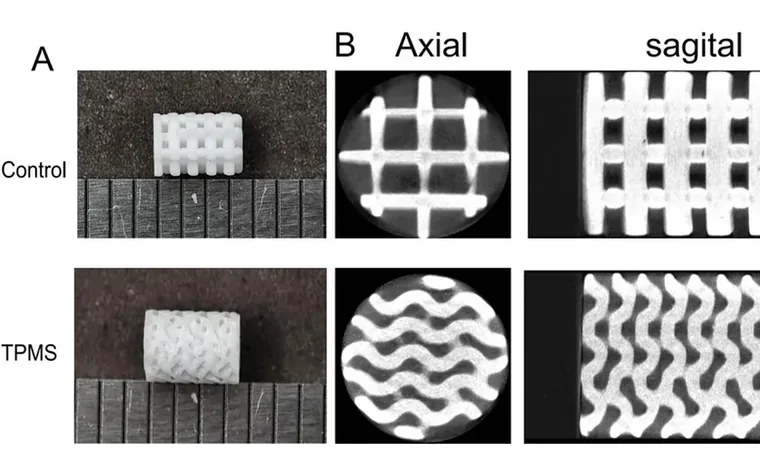
The study made 3 mm diameter × 4 mm deep femoral condyle defects in type 2 diabetic rats and showed that even autologous bone graft heals poorly. Proteomics and energy metabolomics traced the failure to a PKM bottleneck that stalls glycolysis; a separate line of experiments found that the per-cell calcium influx is blunted, which leaves YAP in the cytoplasm and pushes BMSCs toward adipogenesis. Silicon-substituted calcium phosphate restored glycolysis but not cell fate; a TPMS architecture restored YAP nuclear translocation and shifted differentiation back to osteogenesis. The two were combined into a 3 mm diameter × 4 mm tall Si-CaP scaffold, printed by DLP on an ADT Ceram-D-L96 system; in diabetic rats it improved BMD, BV/TV and trabecular number at 4, 8 and 12 weeks.
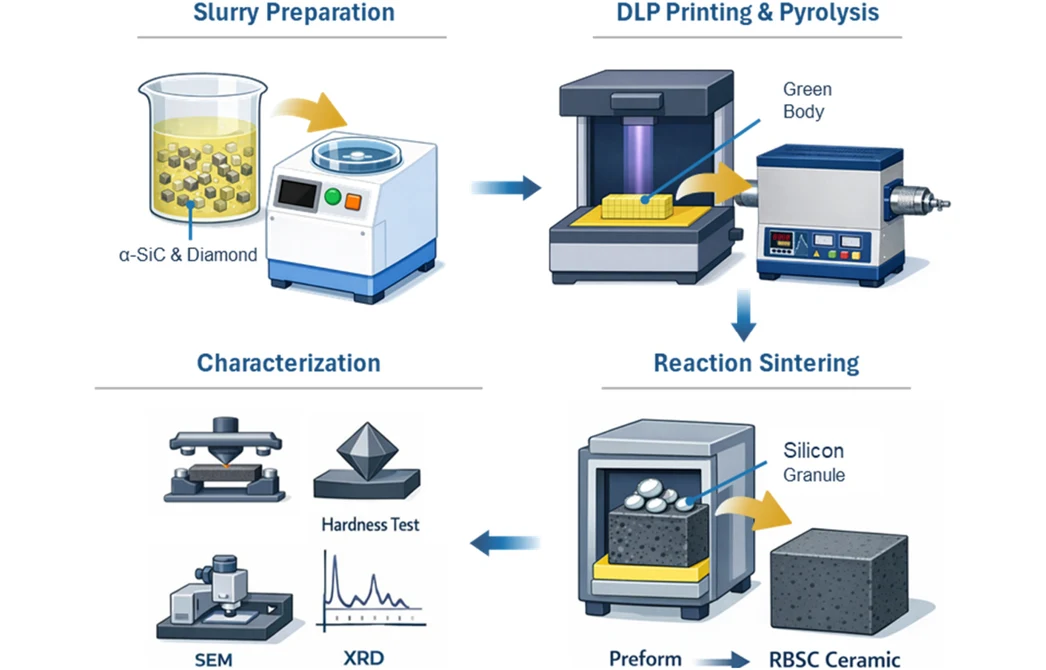
The study printed nine SiC–diamond slurry formulations on an ADT Ceram-D-F192-class DLP printer (192 × 108 × 120 mm build, 405 nm, 30 µm layers), pyrolyzed them and reaction-sintered with molten silicon. Submicron diamond served as a low-UV-absorption carbon source: it migrated onto SiC surfaces during pyrolysis and drove heterogeneous nucleation of secondary SiC. The optimized formulation achieved 452.4 MPa flexural strength, 43.56 GPa Vickers hardness, 3.14 g/cm³ density and 7.8 vol% residue silicon, with a −934 ± 112 MPa compressive surface stress analogous to chemically tempered glass.
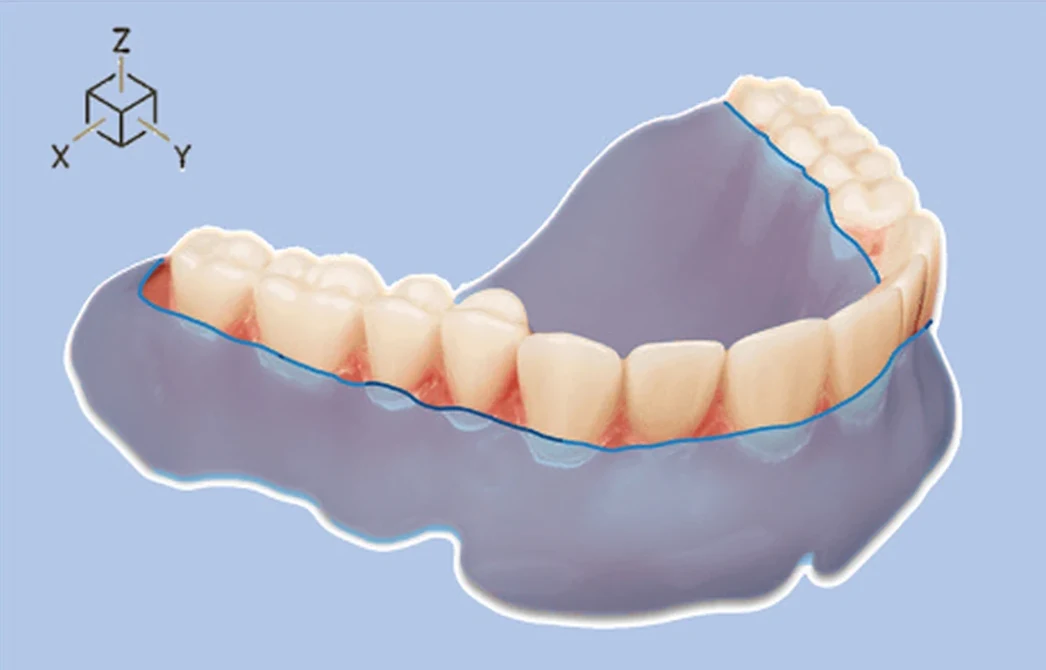
The study printed denture teeth and denture base as one part on a dual-vat DLP system, then compared it with the conventional print-then-bond route across shear bond strength, surface texture, water sorption and solubility, biaxial flexural strength, and cytocompatibility under ISO methods. The printed interface reached 17.78 ± 3.22 MPa in shear bond strength against 7.96 ± 2.03 MPa for the bonded control (2.2×); the multi-material specimens failed cohesively in 100% of cases, and the material showed no cytotoxicity in L929 cells.
Ready to explore ceramic 3D printing? Our team is here to help you choose the right equipment and materials.