
With the rapid evolution of Ceramic 3D Printing, manufacturers can now design and fabricate highly optimized ceramic catalyst support structures that were previously impossible using conventional methods. This shift is enabling a new generation of high surface area catalyst systems with superior performance.
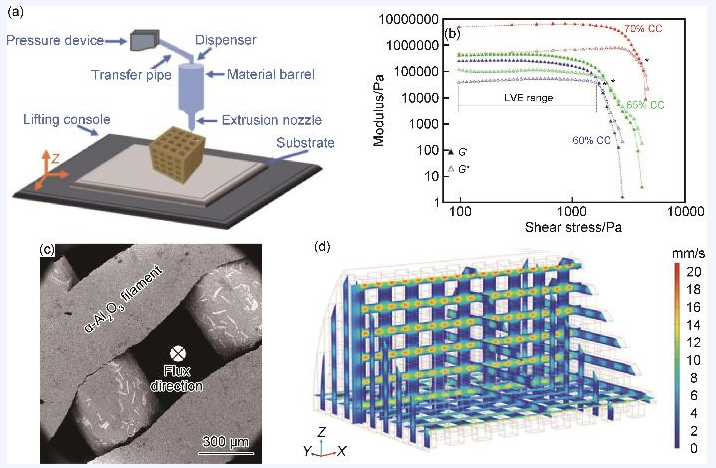
What Are Catalyst Support Materials?
Catalyst support materials are porous structures that disperse active catalytic phases while maintaining mechanical integrity under extreme conditions. Common materials include alumina, zirconia, silicon carbide, and cordierite.
An ideal support must provide:
- High specific surface area for active site dispersion
- Controlled pore size distribution for mass transport
- Thermal and chemical stability in harsh environments
- Mechanical strength for industrial operation
Traditional manufacturing methods, such as extrusion and foam replication, often limit the achievable geometry and pore control, restricting catalyst performance.
Limitations of Conventional Catalyst Supports
Despite decades of development, conventional catalyst supports face several inherent limitations:
- Random or poorly controlled pore structures
- Limited design flexibility
- Trade-off between strength and porosity
- Inefficient mass transfer pathways
These challenges make it difficult to achieve optimal structured catalyst design, especially for high-performance industrial applications such as emissions control, hydrogen production, and chemical synthesis.
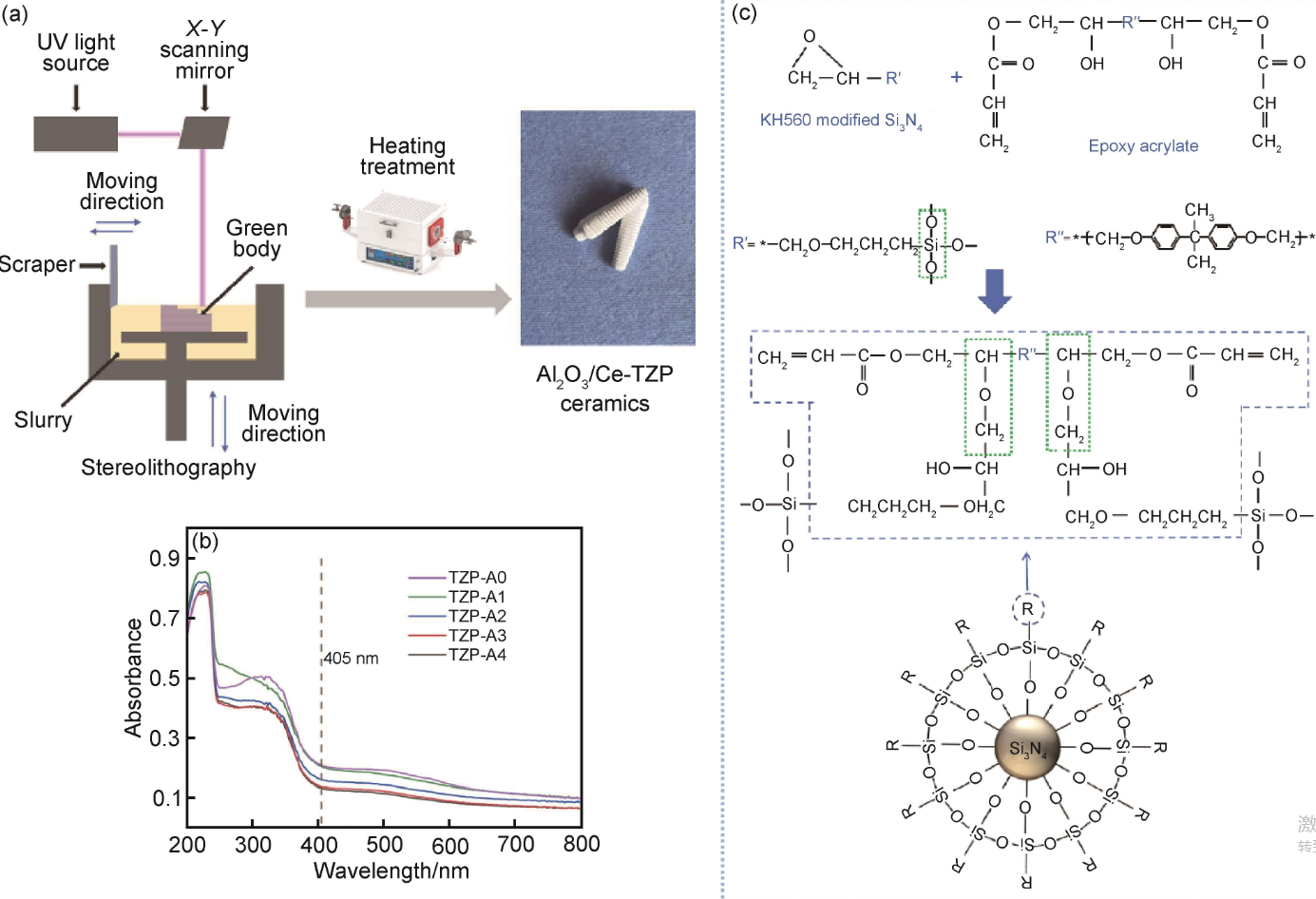
How Ceramic 3D Printing Transforms Catalyst Design
Ceramic 3D Printing introduces a paradigm shift by enabling precise control over geometry, porosity, and internal architecture. Technologies such as DLP (Digital Light Processing) allow for micron-level accuracy in fabricating complex ceramic structures.
1. Structured Catalyst Design
Additive manufacturing allows engineers to design fully customized structured catalyst design geometries, including:
- Gyroid and lattice structures
- Hierarchical porosity (macro + micro pores)
- Optimized flow channels
- Gradient density structures
These designs significantly enhance mass transfer efficiency and catalytic activity.
2. High Surface Area Catalyst Optimization
Through precise architecture control, high surface area catalyst supports can be achieved without compromising mechanical strength. This enables:
- Higher catalytic loading
- Improved reaction efficiency
- Reduced pressure drop
As a result, ceramic 3D printed supports outperform traditional structures in both efficiency and durability.
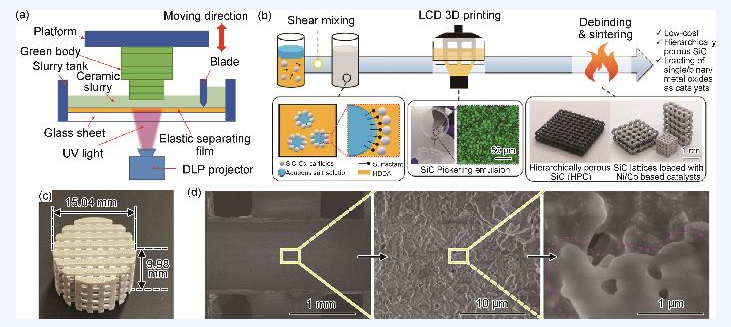
ADT Ceramic 3DP: Enabling Next-Generation Catalyst Supports
ADT Ceramic 3DP is a leading provider of advanced ceramic catalyst support solutions, specializing in high-precision ceramic additive manufacturing.
With proprietary material systems and deep process expertise, ADT delivers:
- Custom-designed porous ceramic structures
- High-performance ceramic slurry formulations
- Scalable production solutions for industrial applications
ADT’s technology enables manufacturers to transition from traditional supports to fully optimized catalyst support materials tailored for specific reaction environments.
By integrating design, materials, and manufacturing, ADT empowers industries such as energy, environmental engineering, and chemical processing to achieve higher efficiency and sustainability.
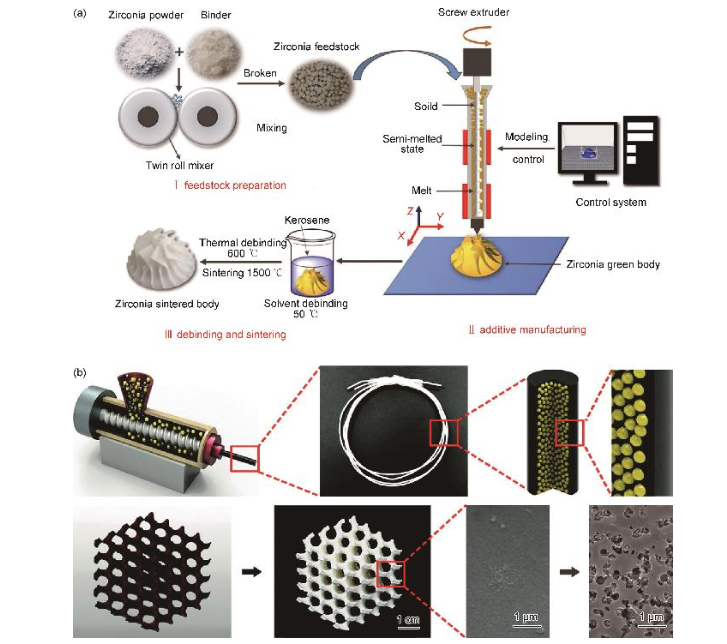
Industrial Applications of Ceramic Catalyst Supports
The adoption of Ceramic 3D Printing in catalyst supports is rapidly expanding across industries:
- Automotive emissions control systems
- Hydrogen production and fuel cells
- Petrochemical processing
- Environmental catalysis (VOC removal, water treatment)
These applications benefit from improved efficiency, longer service life, and reduced operational costs.
Future Outlook: From Design Freedom to Industrial Scale
The future of structured catalyst design lies in the combination of advanced materials and digital manufacturing. As Ceramic 3D Printing technologies mature, the industry is moving toward:
- AI-driven structure optimization
- Multi-material catalyst systems
- Scalable, cost-effective production
Companies like ADT Ceramic 3DP are leading this transition by making high-performance ceramic catalyst support solutions more accessible and commercially viable.
Conclusion
Catalyst support materials are undergoing a fundamental transformation. With the power of Ceramic 3D Printing, manufacturers can now create highly optimized, high-performance structures that significantly enhance catalytic efficiency.
As industries demand more efficient and sustainable processes, advanced ceramic catalyst support solutions will play a crucial role in shaping the future of chemical engineering and industrial manufacturing.
AdventureTech (ADT) provides DLP ceramic 3D printing systems, compatible high-solid-loading slurries, and technical support for developing and optimizing such composite bioceramics. Researchers interested in replicating or extending these workflows can explore compatible equipment and materials through https://adt-ceramic3dp.com.
More articles
Catalyst Support Materials: How Ceramic 3D Printing Enables Advanced Porous Structures
TCT Asia 2026: Ceramic 3D Printing Solutions and Industry Trends in Additive Manufacturing
DLP 3D Printing of Si₃N₄/SiCN Ceramic Substrates with Embedded Microchannels for Thermal Management
Electromechanical Coupling in HA–BaTiO₃ Bioceramic Scaffolds via DLP 3D Printing
Request A quote
