
High-power electronics need better heat dissipation. DLP 3D printing ceramics now solve this challenge. Researchers create Si3N4 ceramic substrate and SiCN ceramic materials with built-in cooling channels. These embedded microchannel cooling designs improve thermal management in electronics. The result: lower operating temperatures and higher reliability in compact devices.
This article explains the full process. It covers slurry design, printing, sintering, and performance. Data comes from peer-reviewed work published in the Journal of the European Ceramic Society. At AdventureTech Co., Ltd. (ADT), our precision DLP ceramic 3D printers and optimized slurries make these advanced substrates easy to produce.
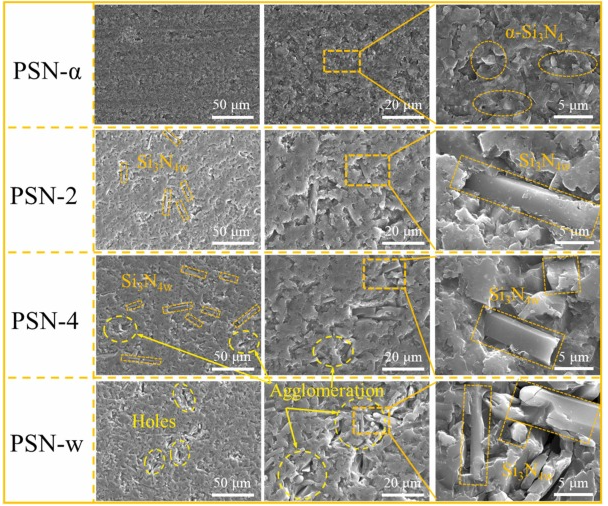
Figure 1: Surface morphology of α-Si₃N₄/Si₃N₄w/SiCN samples after etching. SEM images show particle distribution and whisker integration at different compositions.
Materials and Slurry Design
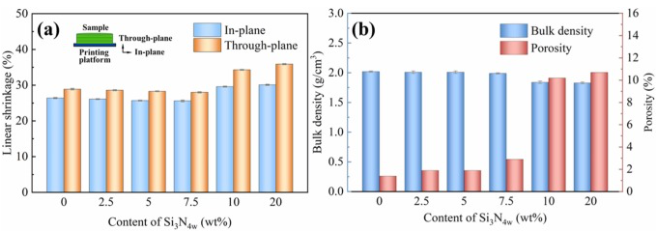
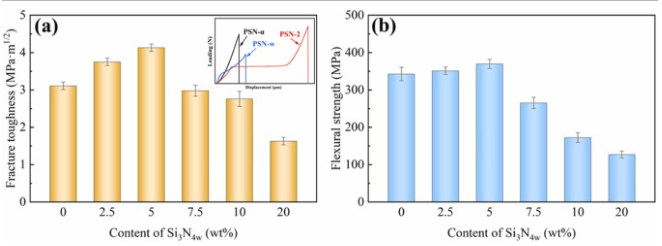
The base uses polysilazane (PSZ) as a precursor. Scientists add α-Si₃N₄ particles and Si₃N₄ whiskers (total 20 wt%). Whisker content ranges from 0 to 20 wt%. The best result appears at 5 wt% whiskers. This mix gives low shrinkage and high toughness.
Figure 2: Linear shrinkage, density, and porosity vs. whisker content. Charts track in-plane and through-plane shrinkage plus bulk density after 1100°C sintering.
DLP 3D Printing Parameters
DLP printing uses a 405 nm light source and 50 μm layer thickness. Exposure time stays at 10 s. This creates precise green bodies with embedded serpentine microchannels (diameter ~467 μm). ADT’s DLP systems deliver the exact resolution needed for SiCN ceramic materials and complex internal features.
Figure 3: Fracture toughness and flexural strength vs. whisker content. Data peaks at 5 wt% Si₃N₄ whiskers (4.1 MPa·m¹/² toughness and 369.8 MPa strength).
Microstructure and Fracture Behavior
Whiskers create bridging and pull-out effects. These mechanisms stop cracks. SEM fracture surfaces confirm this toughening.
Figure 4: Fracture surfaces showing whisker pull-out and crack deflection. Higher whisker content reduces brittle failure.
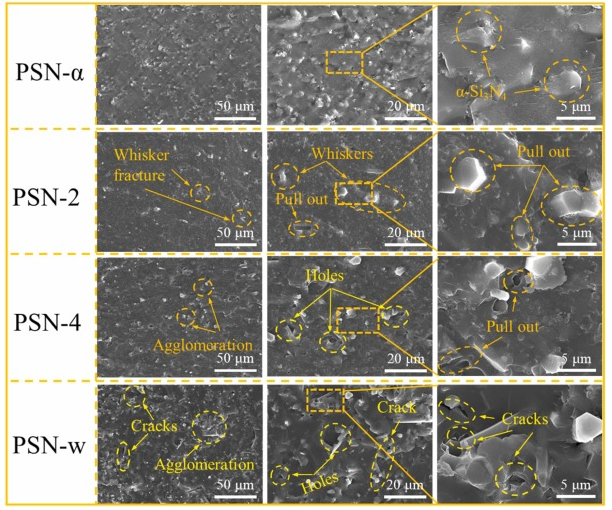
Figure 5: TEM and HRTEM images after 1100°C treatment. Nanoscale views reveal phase interfaces and lattice structure.
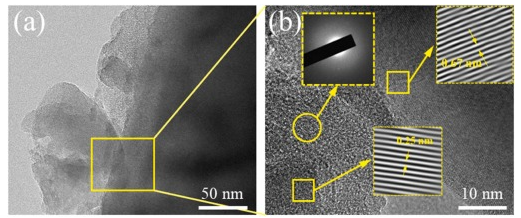
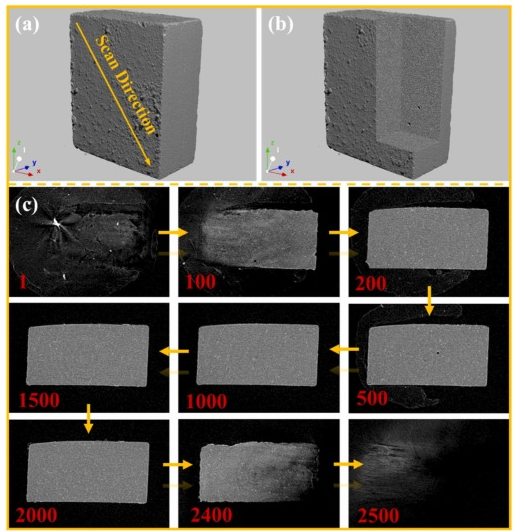
Figure 6: CT scans after thermal shock at 1000°C difference. Series of images track crack propagation and energy dissipation.
Thermal Conductivity and Shock Resistance
At 5 wt% whiskers, thermal conductivity reaches 14.8 W/m·K at 800°C — twice the base matrix. Critical thermal shock temperature rises to 730°C.
Embedded Microchannel Cooling Performance
DLP printing builds the channels directly. No templates needed. Liquid cooling drops substrate temperature from 400°C to 126°C.
Figure 7: Finite element simulation of temperature before and after cooling. Serpentine channels cut peak temperature dramatically.
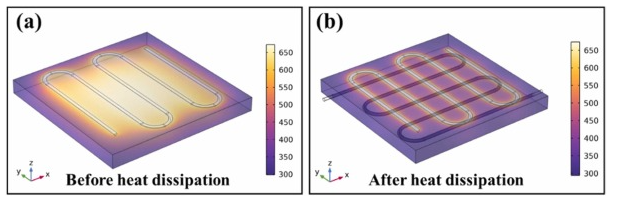
Figure 8: Printed samples on the DLP platform. Green bodies show integrated microchannels and precise edges.
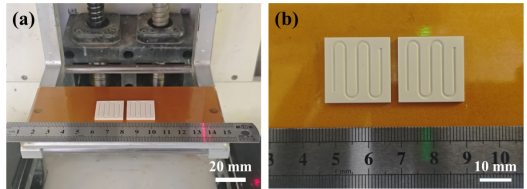
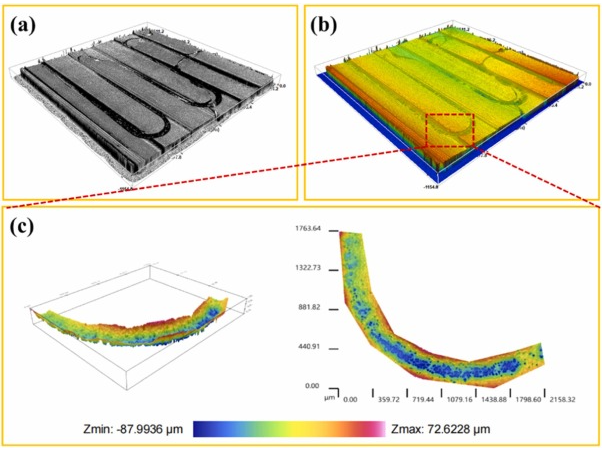
Figure 9: 3D morphology, topology, and roughness of the embedded microchannels. Channel diameter stays at ~467 μm with excellent surface quality.
Why These Substrates Excel in Thermal Management
The combination of Si3N4 ceramic substrate strength and embedded microchannel cooling delivers superior heat dissipation. Linear shrinkage stays low at 25.6%. Density and airtightness remain high. These traits make the parts ideal for high-power electronics.
Researchers and engineers working on DLP 3D printing ceramics and thermal management in electronics can now produce complex SiCN ceramic materials reliably.
AdventureTech Co., Ltd. (ADT) provides complete DLP ceramic 3D printing solutions. Our printers and high-performance slurries support Si₃N₄/SiCN workflows with embedded channels. Visit https://adt-ceramic3dp.com to explore equipment, materials, and technical support.
This approach turns advanced ceramic design into practical thermal management in electronics. Start building high-performance Si₃N₄ substrates with DLP 3D printing today.
More articles
TCT Asia 2026: Ceramic 3D Printing Solutions and Industry Trends in Additive Manufacturing
DLP 3D Printing of Si₃N₄/SiCN Ceramic Substrates with Embedded Microchannels for Thermal Management
Electromechanical Coupling in HA–BaTiO₃ Bioceramic Scaffolds via DLP 3D Printing
Multi-Material Ceramic 3D Printing for Durable Electronic Devices
Request A quote
