

Explore advanced processing strategies, reinforcement design, and cutting-edge equipment for producing high-performance silica-based composite ceramics via DLP 3D printing — backed by science and industrial-grade solutions.
Introduction: The Future of Silica-Based Composite Ceramics
Silica-based composite ceramics represent the next level of high-temperature, chemically durable engineering materials. By combining silica (SiO₂) with tailored reinforcement phases (e.g., alumina, silicon carbide), composite ceramics achieve enhanced mechanical strength, thermal stability, and controlled anisotropy — properties that are critical for aerospace, biomedical, and industrial applications.
In recent years, DLP 3D printing silica ceramics technology has revolutionized how complex ceramic architectures are fabricated — enabling precision geometries that were once impractical with conventional methods.
The Science of Silica Composite Ceramics in DLP Printing
Why Silica-Based Composites?
Silica (SiO₂) delivers excellent chemical resistance, thermal stability, and dielectric performance but is inherently brittle. By incorporating optimized reinforcement phases like alumina (Al₂O₃) or SiC, the resulting silica-based composite ceramics exhibit significant increases in toughness and strength without compromising thermal performance.
Material Reinforcement Mechanics
Reinforcements in ceramic 3D printing fulfill three key functions:
Microstructure control — dispersing particulate phases to reduce crack propagation.
Thermal stability — matching coefficients of thermal expansion to minimize sintering stress.
Mechanical reinforcement — phase distribution impedes crack growth under load.
Scientific studies demonstrate that high solid loading polysiloxane/SiO₂ systems can produce dense bulk silica ceramics when processed with sintering aids and carefully controlled sintering — a foundation for high-performance composites.
Optimized Reinforcement Phases
Selecting phase reinforcements depends on target properties:
Alumina (Al₂O₃) — enhances strength and wear resistance.
Silicon Carbide (SiC) — improves thermal conductivity and fracture toughness.
Bioceramics (e.g., HAp) — for biomedical scaffold applications.
DLP 3D Printing Silica Ceramics: Process Overview
Digital Light Processing (DLP) uses UV light to selectively polymerize photosensitive ceramic slurries — a key method for achieving fine feature detail and controlled microstructures in silica-based ceramics.
Core Steps in DLP Ceramic 3D Printing
Formulating High Solid Loading Slurries
Ceramic particles (SiO₂ + reinforcement phases) are dispersed in photosensitive resins to produce homogenous slurries capable of precise layer curing. High solid content is critical for achieving dense ceramics after sintering.Layer-by-Layer Photopolymerization
A DLP ceramic 3D printer cures each layer of the slurry with patterned light — building complex 3D structures without tooling. Your design’s fidelity is directly tied to light resolution and slurry stability.Debinding & Sintering
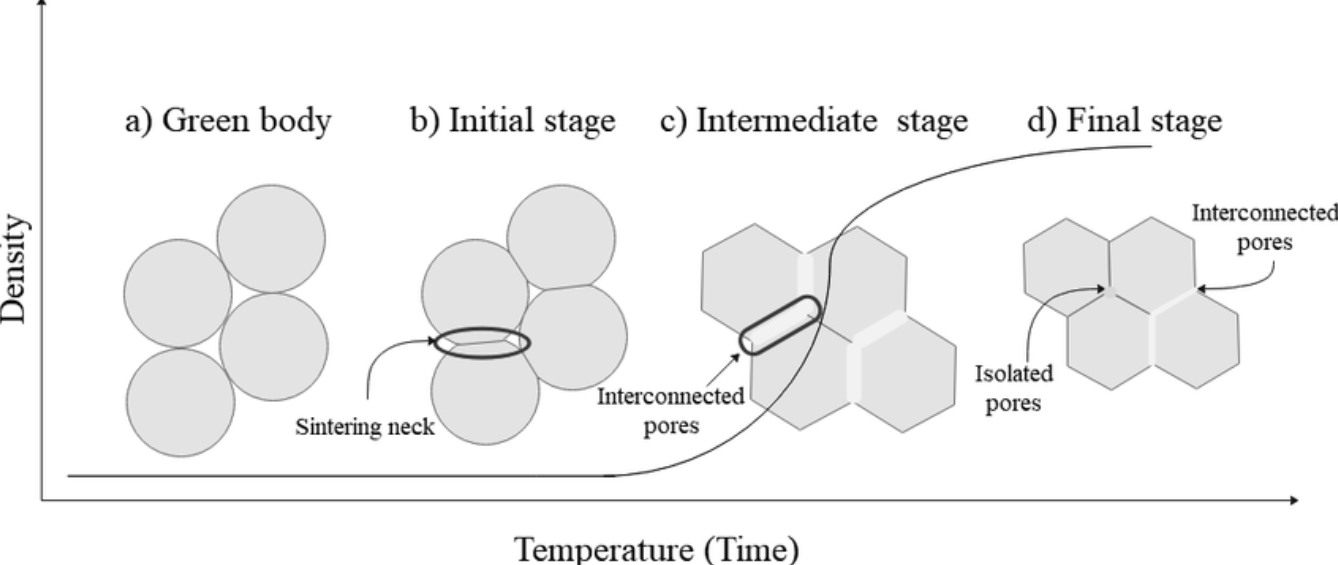
After printing, the polymer binder is removed (debinding), and the ceramic body is sintered at high temperature to densify the structure and activate the reinforcement interaction.
Meet the Equipment Behind High-Performance Ceramic Manufacturing
Here’s how your processes can scale from research to industrial production using AdventureTech’s DLP ceramic 3D printing systems:
High-Performance DLP 3D Printing Platforms
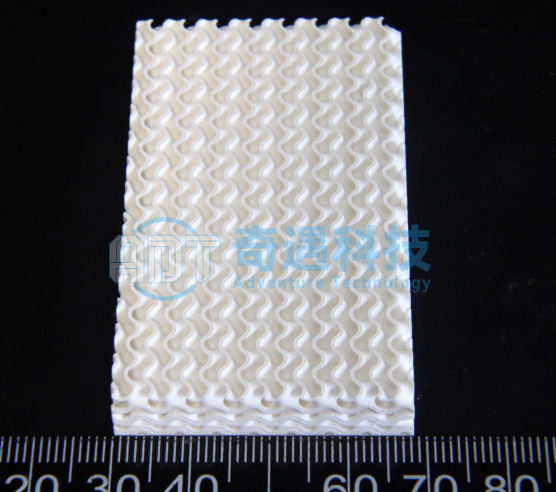
Color: Example visualization of a high-precision silica composite printed part.
1. Standard & Laboratory DLP Ceramic 3D Printers
AdventureTech DLP Ceramic 3D Printer‑Standard systems are optimized for research labs and universities, offering:
Up to 700 layers/hour high-speed printing capability — crucial for rapid prototyping with silica composites.
Upright sinking formation & peristaltic feeding for consistent slurry distribution.
Broad compatibility with oxide and non-oxide ceramics — enabling experimentation with silica-based composite slurries.
2. Industrial-Scale Ceramic 3D Printers
Large-format units provide:
Extended build volumes for structural components.
Robust optical precision down to tens of microns for feature-rich ceramic geometries.
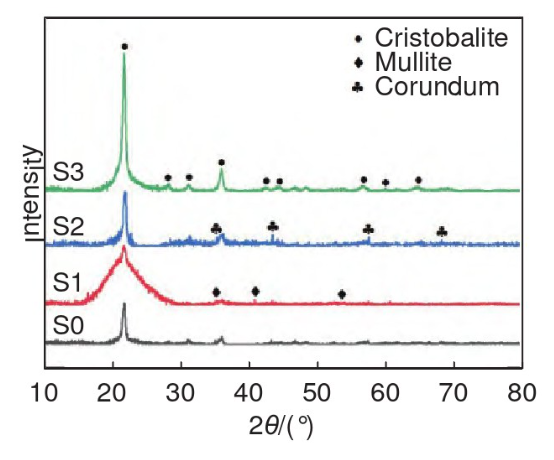
Enhancing Performance: Reinforcement Phases and Post-Processing
Tailoring Composite Properties
Incorporating reinforced phases such as alumina or SiC into silica composites boosts mechanical performance and structural reliability — essential for:
Thermal insulation and aerospace parts.
Wear-resistant tooling and structural ceramics.
Biomedical scaffolds and dental ceramics.
Post-Processing Strategies
Successful production isn’t just printing:
Debinding schedules must eliminate binders without cracking.
Two-step sintering approaches densify components while controlling grain growth.
Phase optimization predicts final properties through controlled phase distribution and thermal behavior.
Studies show that composite systems with optimized reinforcement content and sintering aids can yield dense and crack-free silica ceramics with superior mechanical properties.
Why AdventureTech for Your Silica Ceramic Projects
AdventureTech isn’t just another ceramic 3D printer supplier — we offer complete DLP solutions from material development to equipment and post-processing guidance:
Proven track record partnering with top institutions (e.g., Tsinghua, CAS).
Full support for silica-based composite ceramics and advanced reinforcement research.
Customized equipment and process optimization for cutting-edge DLP 3D printing.
Research labs and industry partners trust our systems to push boundaries in ceramics manufacturing.
Get Started with High-Performance DLP Ceramic 3D Printing
Whether you’re advancing DLP 3D printing silica ceramics research, optimizing reinforcement phases for mechanical performance, or scaling manufacturing applications, AdventureTech offers the tools, expertise, and support to succeed.
📩 Contact us today to learn more about our systems, materials, and services.
Why Leading Institutions Choose AdventureTech
Since 2015, AdventureTech has supplied trusted ceramic 3D printers to Tsinghua University, Harbin Institute of Technology, and the Chinese Academy of Sciences. Our systems excel at processing additive-optimized slurries for structural ceramics, bioceramics, and high-temperature applications.
Whether you are developing new DLP 3D printing formulations or scaling production, our technology delivers the precision and reliability needed to maximize the benefits of ceramic additives.
Ready to optimize your ceramic slurries? Explore AdventureTech’s full range of ceramic 3D printers and expert support: Learn more about AdventureTech
FAQs
Q: What is silica-based composite ceramic?
A silica-based composite ceramic is a material where silica (SiO₂) is combined with reinforcing phases (e.g., alumina, SiC) to enhance strength, thermal resistance, and performance in demanding environments.
Q: How does DLP 3D printing improve ceramic manufacturing?
DLP technology delivers high resolution and precision in layer curing, enabling complex geometric features and consistent microstructures not achievable with traditional ceramic processes.
More articles
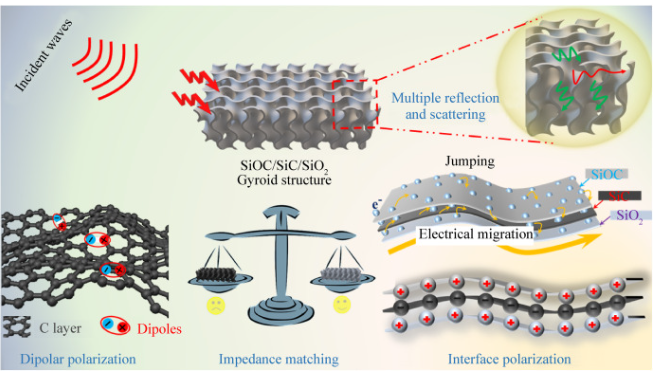
Gyroid-Structured SiOC Composites via DLP 3D Printing for Broadband Microwave Absorption
Sintering Stress Control Strategies for Complex Ceramic Parts Using CTE Insights in 3D Printing
From Powder to Performance: A Systematic Quality Control Pathway for High-Performance Alumina Ceramics
How to Prepare High-Performance Silica Ceramics Using DLP Technology and Optimized Reinforcements
Request A quote
