
TCT Asia returns bigger than ever. The show runs March 17–19, 2026 at the National Exhibition and Convention Center in Shanghai. It fills 55,000 m² across Halls 7.1 and 8.1. Over 550 exhibitors will attend. More than 40,000 visitors will come.
This event sets the pace for additive manufacturing trends. It showcases industrial 3D printing technologies and real-world ceramic AM applications. If you work with high-performance parts, you need to see the latest ceramic 3D printing solutions.
TCT Asia 2026 venue overview at NECC Shanghai. Halls 7.1 and 8.1 will host the full additive manufacturing ecosystem.
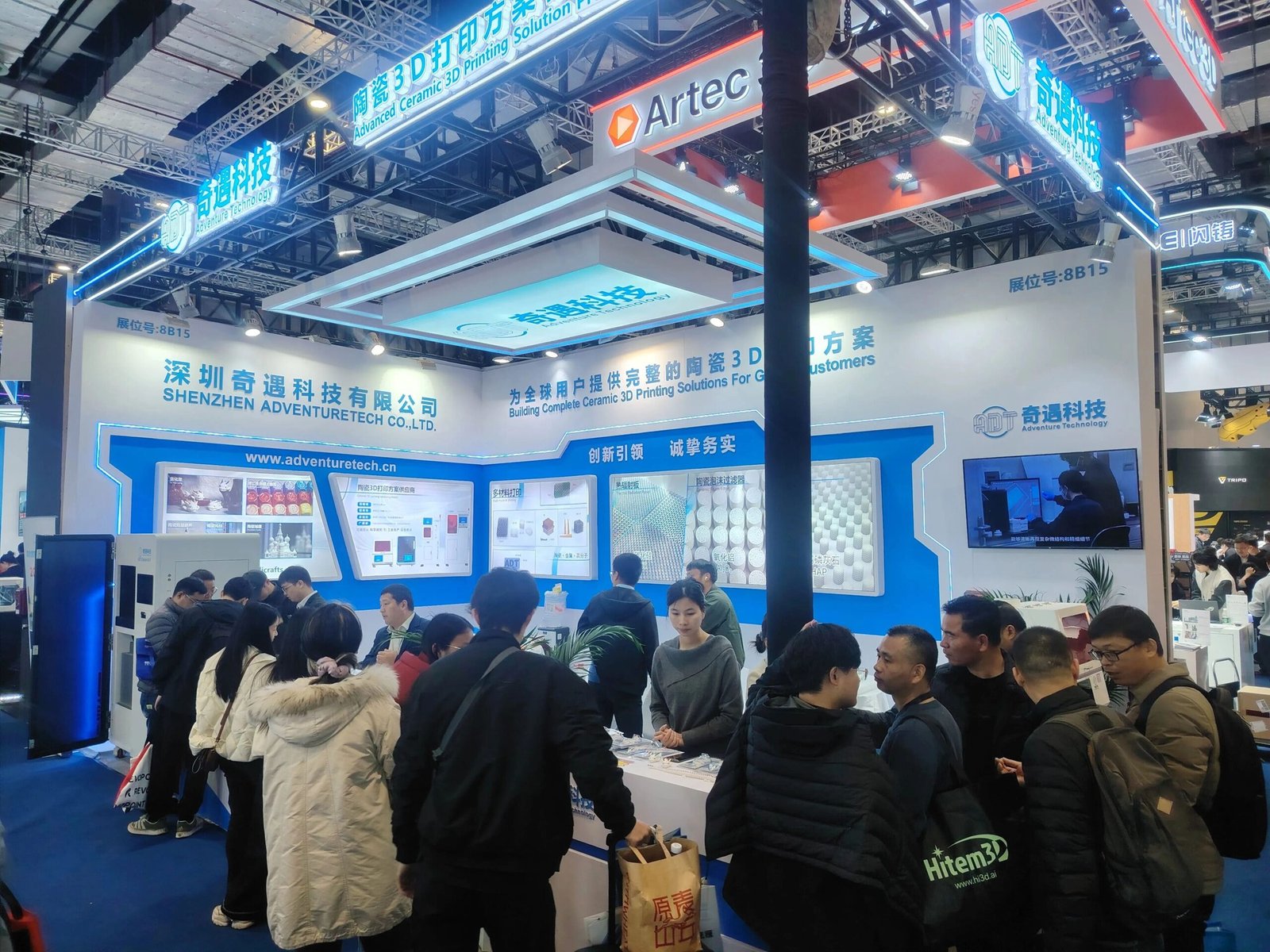
Why TCT Asia 2026 Matters for Additive Manufacturing Trends
The industry moves fast toward production. Companies now demand reliable, scalable solutions. Metal and polymer systems dominate many halls, but ceramic 3D printing solutions stand out for extreme environments.
Ceramics deliver high-temperature resistance, chemical stability, and electrical insulation. These properties open doors in aerospace, electronics, energy, and medical devices. TCT Asia 2026 puts these ceramic AM applications front and center.
Visitors will explore new materials, smarter software, and faster post-processing. The show reveals how industrial 3D printing technologies cut costs and speed up development.
Live demonstration of ceramic 3D printing at previous TCT events. Precision DLP systems produce complex parts in real time.
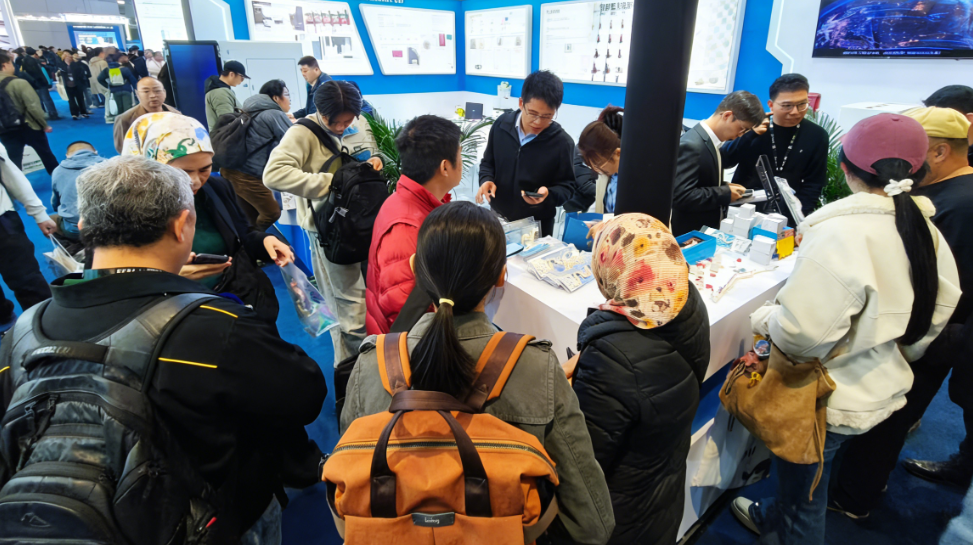
Ceramic 3D Printing Solutions Taking Center Stage
DLP and DIW systems lead the ceramic segment. They print intricate geometries with high resolution. New slurries reach near-theoretical density after sintering.
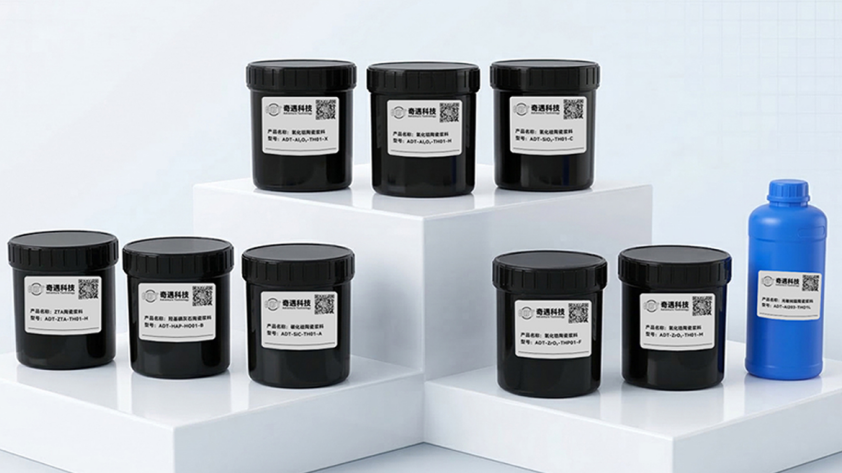
Materials Price Drop At TCT Asia 2026, AdventureTech makes a major announcement. We optimized slurry formulas, dispersion processes, and supply chains. This cuts mainstream ceramic slurry costs dramatically — now as low as 200 RMB/kg.
From “too expensive to use” to “affordable and ready for volume production”, ADT is driving ceramic 3D printing solutions into large-scale applications.
High-precision ceramic components produced by DLP technology. Lattice structures and internal channels highlight design freedom. These complex parts are now far more affordable to print in volume thanks to the new slurry pricing.
Key Industrial 3D Printing Technologies on Display
Metal powder bed fusion grows fast. Polymer systems add speed and scale. Ceramic platforms focus on performance.
Hybrid machines combine processes. Automation and software close the loop from design to finished part. TCT Asia 2026 shows how these industrial 3D printing technologies work together.
Real-world ceramic AM applications in electronics and aerospace. Substrates, insulators, and heat-resistant components solve tough challenges.
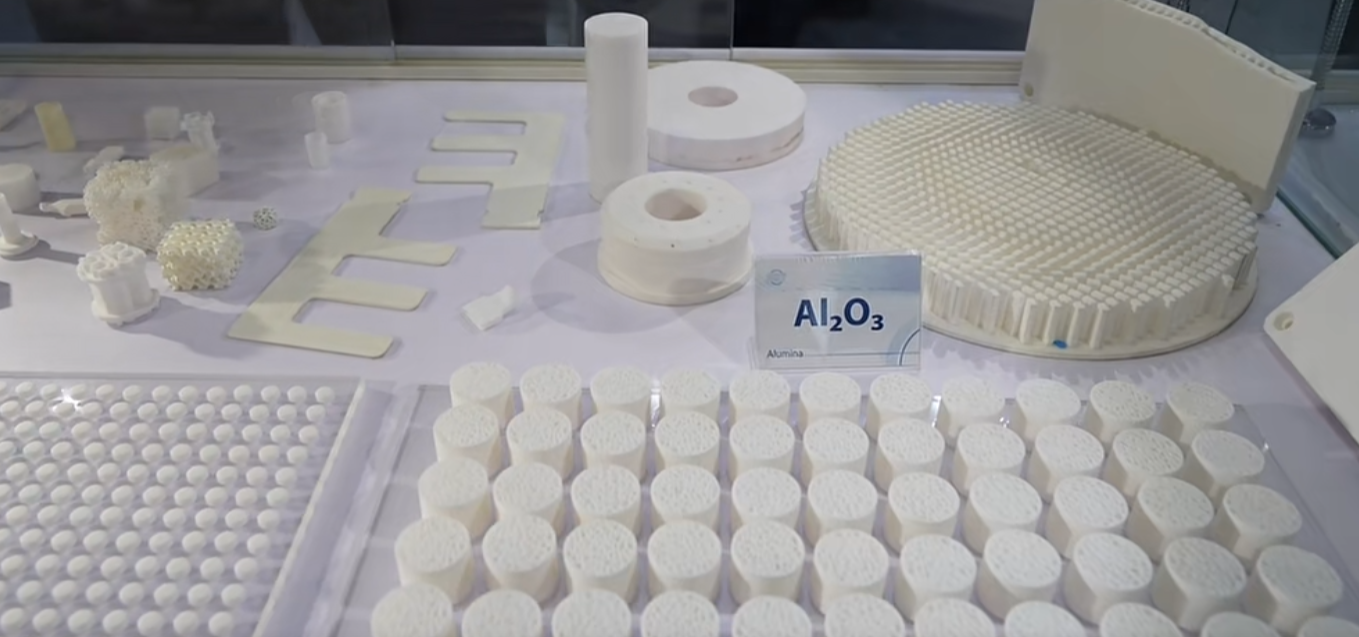
Ceramic AM Applications Driving Market Growth
Ceramic parts now appear in high-frequency electronics, turbine components, and medical implants. They handle heat, wear, and corrosion better than metals or polymers in many cases.
Visitors will see live examples of thermal management parts, bioceramic scaffolds, and structural components. These ceramic AM applications prove the technology has moved from prototype to production.
ADT ceramic 3D printing systems ready for industrial use. DLP printers deliver consistent results for research and manufacturing.
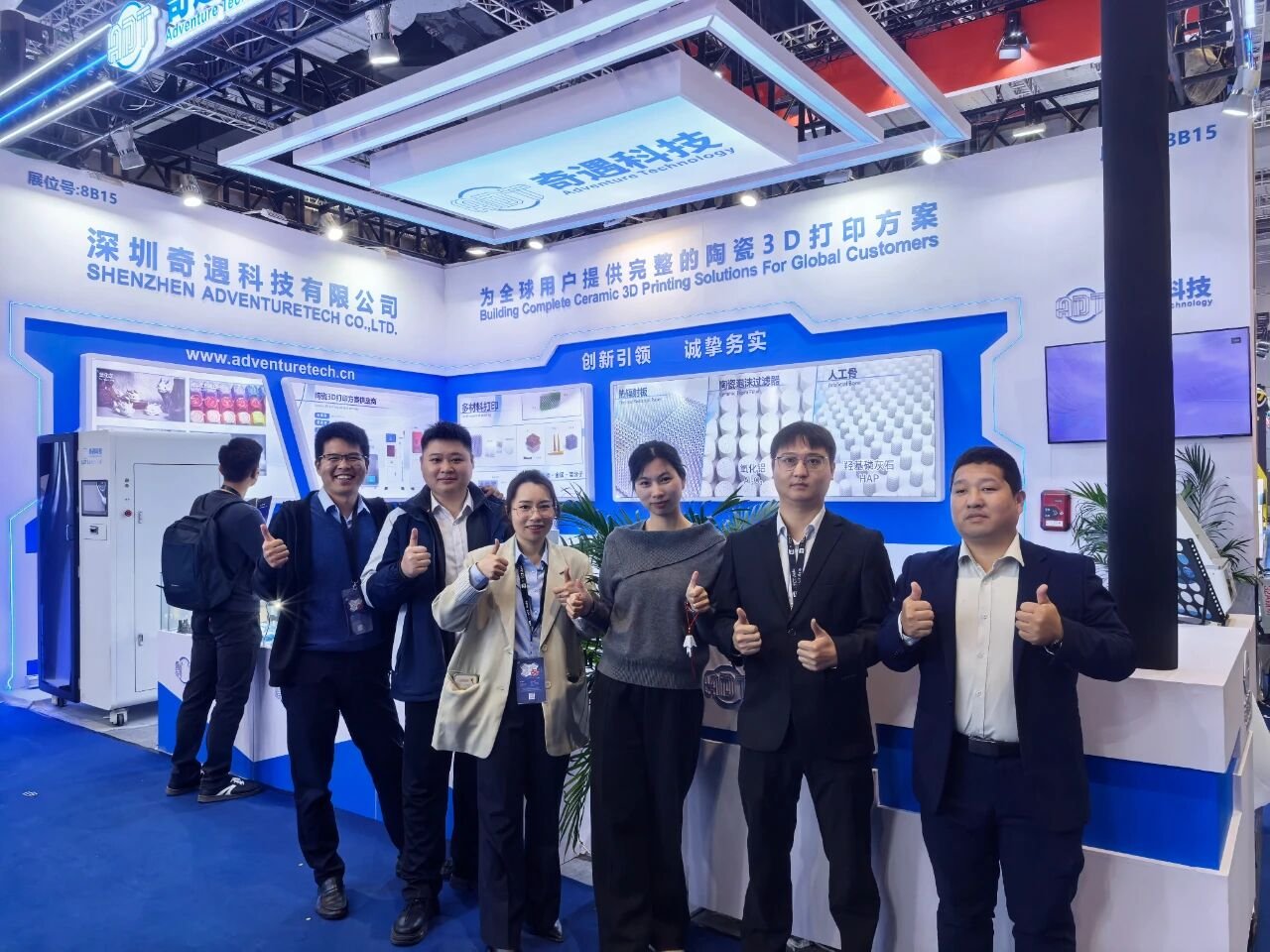
Since 2015, AdventureTech Co., Ltd. (ADT) has specialized in ceramic 3D printing solutions. Our DLP and DIW systems help over 200 universities and research centers build complete ceramic workflows.
We hold more than 40 patents. Our team has run over 10,000 slurry and sintering tests. At TCT Asia 2026, we will demonstrate live printing of complex ceramic parts and share practical tips on additive manufacturing trends.
Ready to explore the future of ceramic AM? Contact ADT today: Website: https://adt-ceramic3dp.com
More articles
TCT Asia 2026: Ceramic 3D Printing Solutions and Industry Trends in Additive Manufacturing
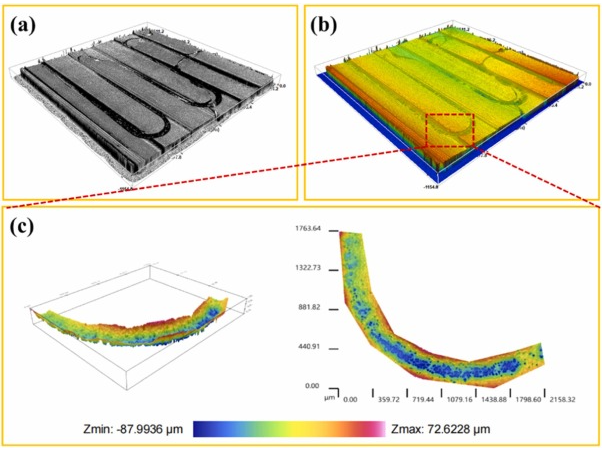
DLP 3D Printing of Si₃N₄/SiCN Ceramic Substrates with Embedded Microchannels for Thermal Management
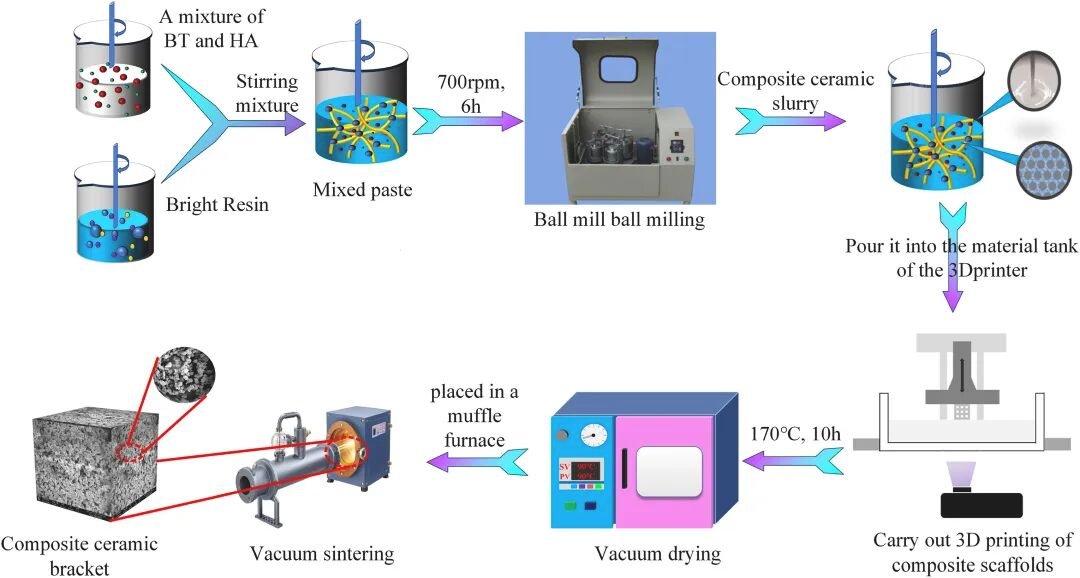
Electromechanical Coupling in HA–BaTiO₃ Bioceramic Scaffolds via DLP 3D Printing
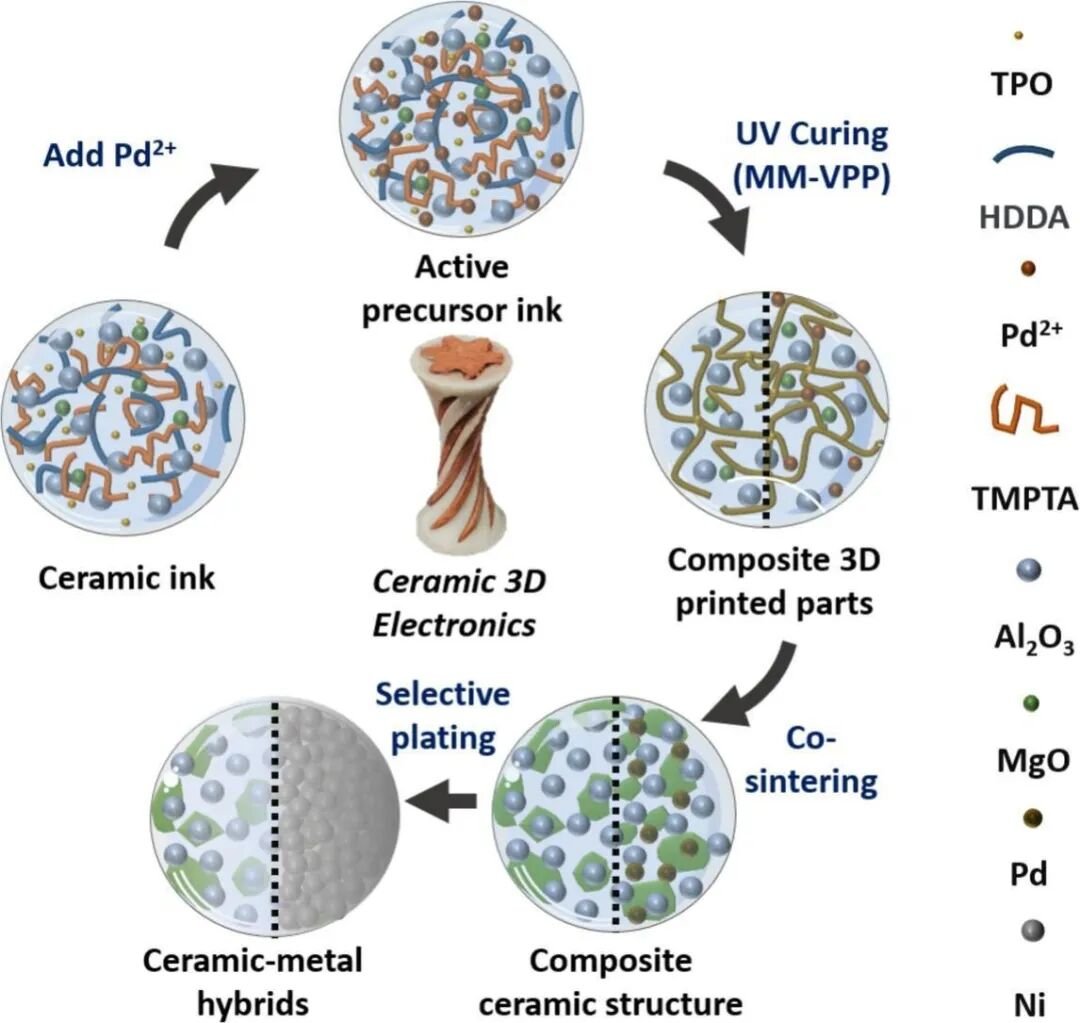
Multi-Material Ceramic 3D Printing for Durable Electronic Devices
Request A quote
