
What is Zirconia Toughened Alumina (ZTA)?
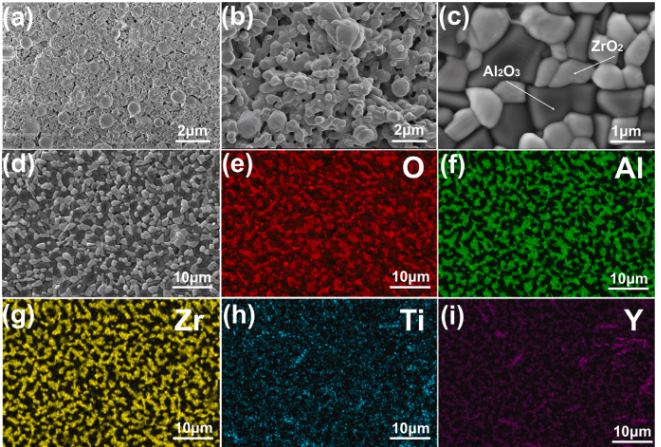
Zirconia toughened alumina is a composite ceramic material where zirconia particles are dispersed within an alumina matrix. This structure enhances fracture toughness through transformation toughening mechanisms.
Compared to pure alumina, ZTA offers significantly improved resistance to crack propagation while maintaining excellent hardness and wear resistance.
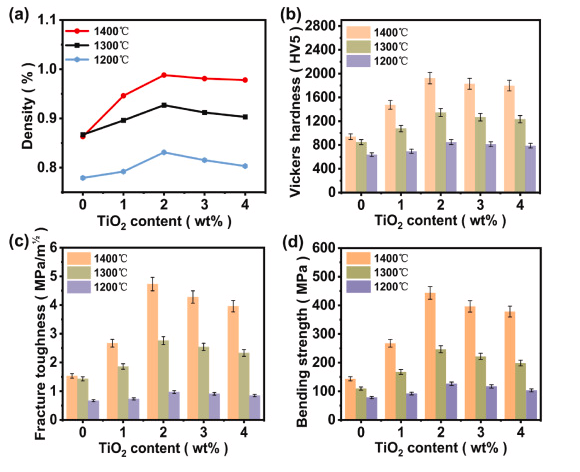
ZTA Ceramic Properties: Strength Meets Toughness
The superior ZTA ceramic properties make it ideal for demanding applications:
- High fracture toughness (enhanced crack resistance)
- Excellent wear resistance
- High hardness and strength
- Good thermal stability
- Resistance to corrosion and chemical attack
These properties position ZTA as a leading material for structural and functional ceramic components in industrial environments.
Low-Temperature Sintering: A Breakthrough for Ceramic 3D Printing
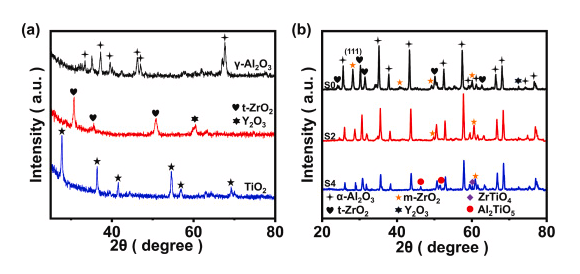
One of the major challenges in ceramic manufacturing is the high sintering temperature required for densification. Traditional ZTA ceramics often require temperatures above 1600°C, limiting their compatibility with additive manufacturing processes.
Recent innovations in low temperature sintering ceramics have significantly reduced the required sintering temperature—enabling better dimensional control, reduced energy consumption, and improved scalability.
Benefits of Low-Temperature Sintering
- Reduced thermal stress and deformation
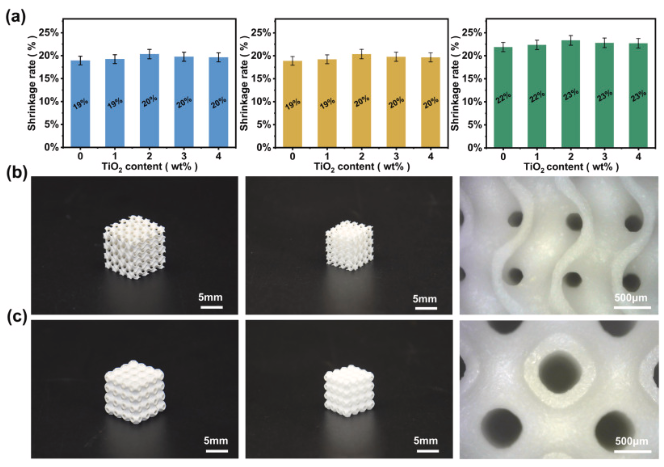
- Improved dimensional accuracy for 3D printed parts
- Lower production costs and energy consumption
- Enhanced compatibility with complex geometries
This advancement is critical for unlocking the full potential of ceramic 3D printing materials.
ZTA in Ceramic 3D Printing Materials
ZTA is increasingly used in ceramic 3D printing materials due to its balanced mechanical performance and processability.
In technologies such as DLP (Digital Light Processing), optimized ZTA slurry formulations enable:
- High-resolution printing
- Uniform particle dispersion
- Stable rheological behavior
- Reliable sintering performance
These characteristics are essential for producing defect-free, high-quality ceramic components.
ADT Ceramic 3DP: Advanced ZTA Solutions
ADT Ceramic 3DP is a leading provider of advanced ceramic additive manufacturing solutions, specializing in high-performance materials such as ZTA.
ADT offers:
- Optimized ZTA ceramic slurry systems
- High-precision ceramic 3D printing technologies
- Customized solutions for industrial applications
By integrating material science with advanced manufacturing, ADT enables the production of reliable high performance ceramic parts with improved efficiency and scalability.
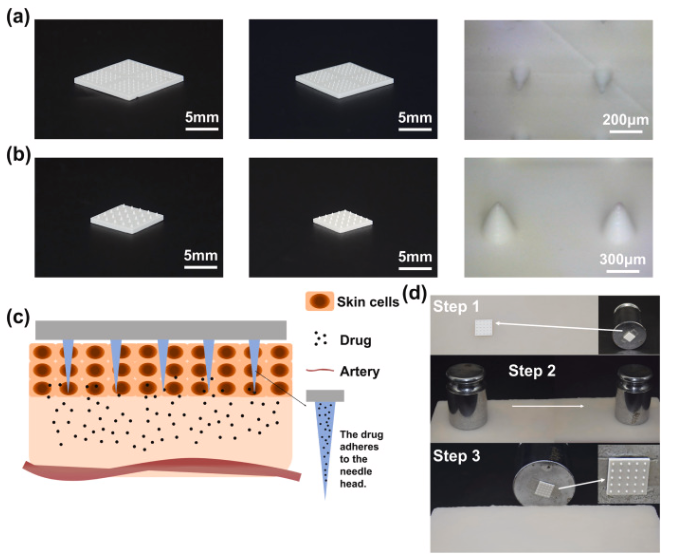
Applications of High-Performance ZTA Ceramic Parts
ZTA-based high performance ceramic parts are widely used in:
- Aerospace components
- Medical implants and dental applications
- Wear-resistant industrial parts
- Electronic and thermal management systems
These applications benefit from ZTA’s unique combination of strength, toughness, and reliability.
Conclusion
Zirconia toughened alumina represents a major advancement in ceramic materials, combining exceptional mechanical performance with improved manufacturability.
With the development of low temperature sintering ceramics, ZTA is becoming a key material in ceramic 3D printing materials, enabling the next generation of high performance ceramic parts.
As additive manufacturing continues to evolve, ZTA will play a crucial role in shaping the future of advanced industrial applications.
AdventureTech (ADT) provides DLP ceramic 3D printing systems, compatible high-solid-loading slurries, and technical support for developing and optimizing such composite bioceramics. Researchers interested in replicating or extending these workflows can explore compatible equipment and materials through https://adt-ceramic3dp.com.
More articles
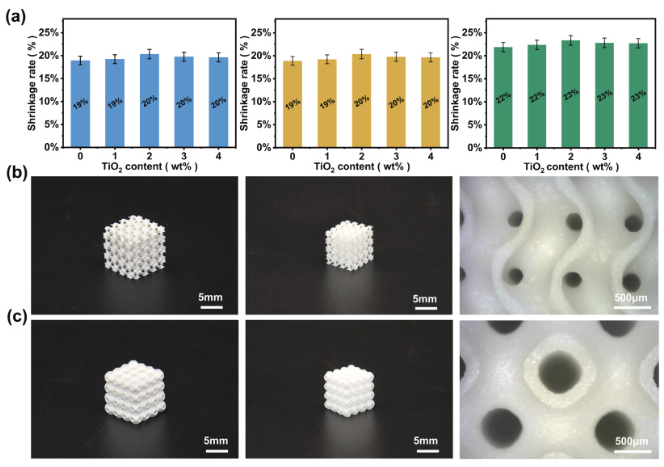
Zirconia Toughened Alumina: Low-Temperature Sintering for 3D Printed Ceramic Parts
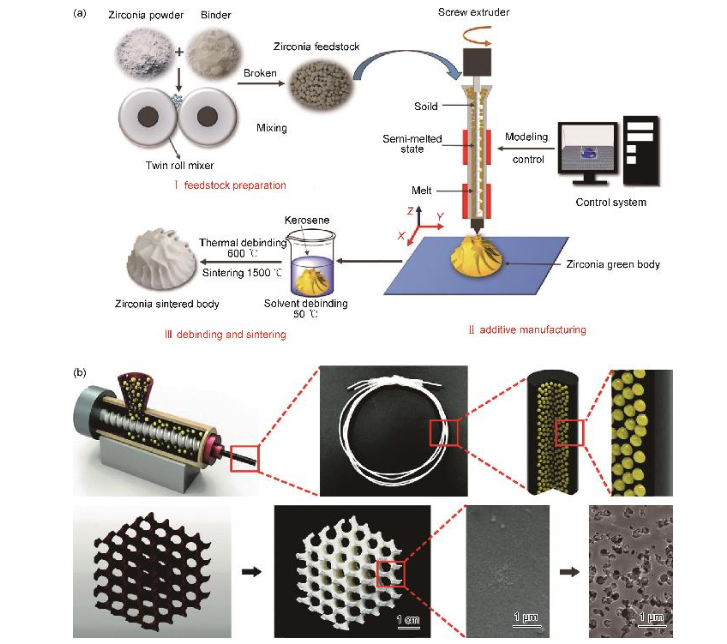
Catalyst Support Materials: How Ceramic 3D Printing Enables Advanced Porous Structures
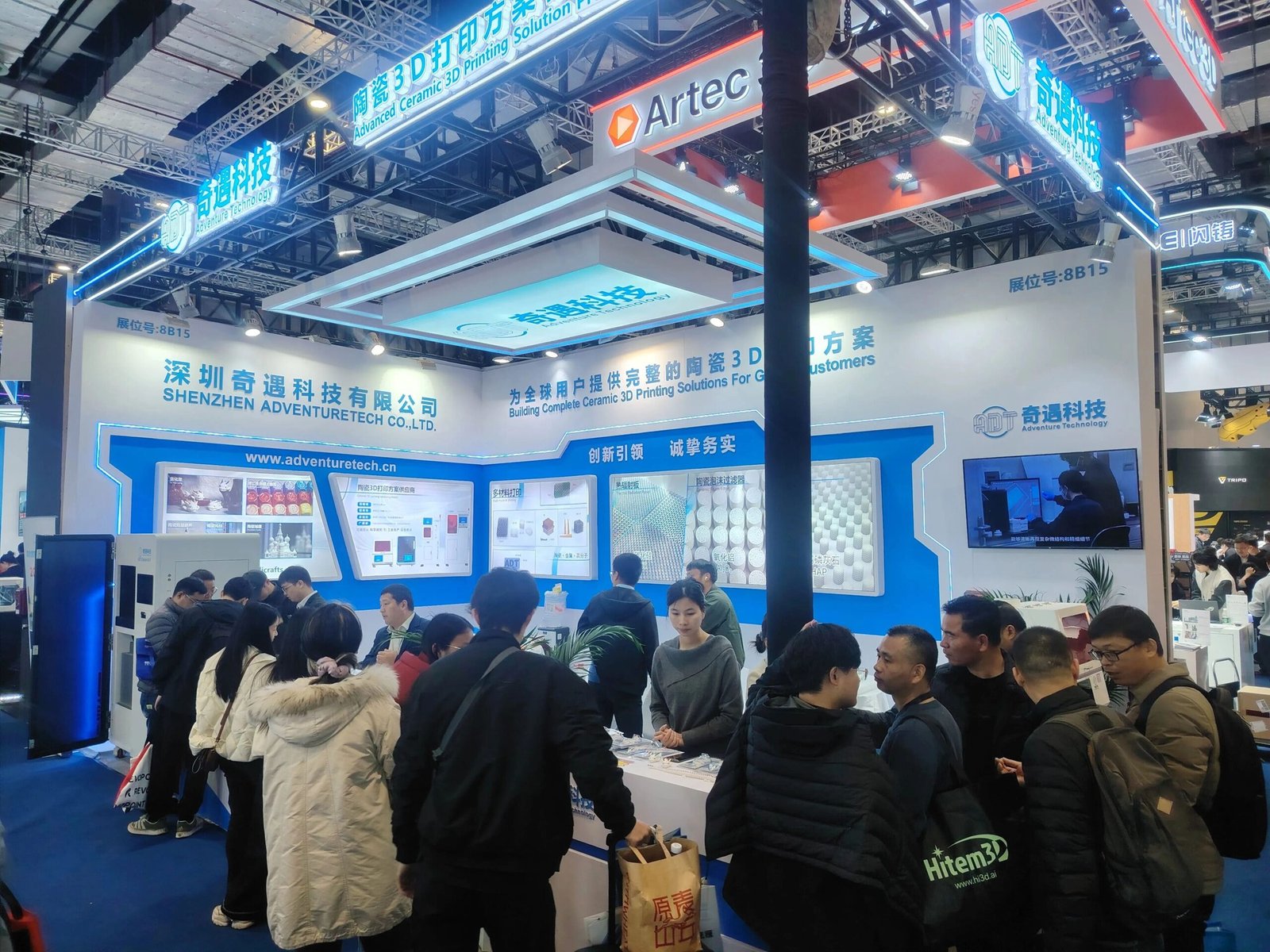
TCT Asia 2026: Ceramic 3D Printing Solutions and Industry Trends in Additive Manufacturing
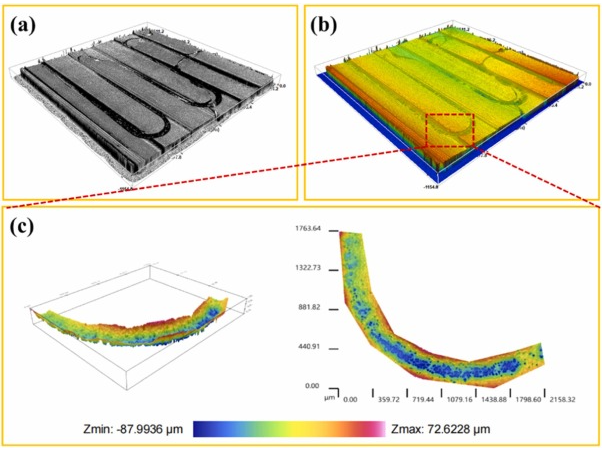
DLP 3D Printing of Si₃N₄/SiCN Ceramic Substrates with Embedded Microchannels for Thermal Management
Request A quote
