

Recently, a research team led by Rujie He at the Beijing Institute of Technology published a pioneering study in Ceramics International on 95MCT Ceramic Luneburg technology. In particular, the study focused on designing a miniaturized K-band flat 95MCT Ceramic Luneburg lens, which was fabricated using vat-photopolymerization (VPP) 3D printing.
In this study, the team successfully designed a miniaturized K-band flat Luneburg lens using 0.95MgTiO₃–0.05CaTiO₃ (95MCT) ceramic. They leveraged its high permittivity and low dielectric loss. Furthermore, the lens was precisely fabricated through vat-photopolymerization (VPP) 3D printing. As a result, this thereby demonstrates the advantages of additive manufacturing for high-performance ceramic electromagnetic components.
Moreover, this innovative method enables the miniaturization of K-band lenses. In addition, it highlights the potential of ceramic 3D printing in advanced RF and microwave applications. Specifically, these include compact antenna systems, next-generation communication devices, and millimeter-wave components.
Original Article Link: https://www.sciencedirect.com/science/article/abs/pii/S0272884224002426
Company Website: http://www.adventuretech.cn/
Research Overview
Luneburg lenses (LLs) are widely recognized in millimeter-wave communications and radar systems because they provide wideband, aberration-free performance. In addition, they simultaneously reduce system complexity and beamforming costs. However, developing high-performance LLs has been limited by material scarcity and constraints of traditional fabrication methods. As a result, achieving miniaturized, flat LLs with complex internal structures remains highly challenging for conventional manufacturing techniques. Fortunately, 3D printing offers a promising solution for these challenges. Specifically, vat-photopolymerization (VPP) 3D printing enables the creation of miniaturized flat LLs with metamaterial-inspired gradient architectures.
In this study, the research team designed a K-band flat Luneburg lens using 95MCT ceramic. Subsequently, they fabricated it successfully via VPP 3D printing. Consequently, the results demonstrate the advantages of additive manufacturing in producing complex electromagnetic components. Moreover, this method allows precise control of both geometry and material properties. Therefore, VPP 3D printing represents a practical approach for next-generation radar and millimeter-wave systems. Overall, these findings highlight the potential of additive manufacturing to overcome limitations of conventional lens fabrication and improve high-performance RF device design.
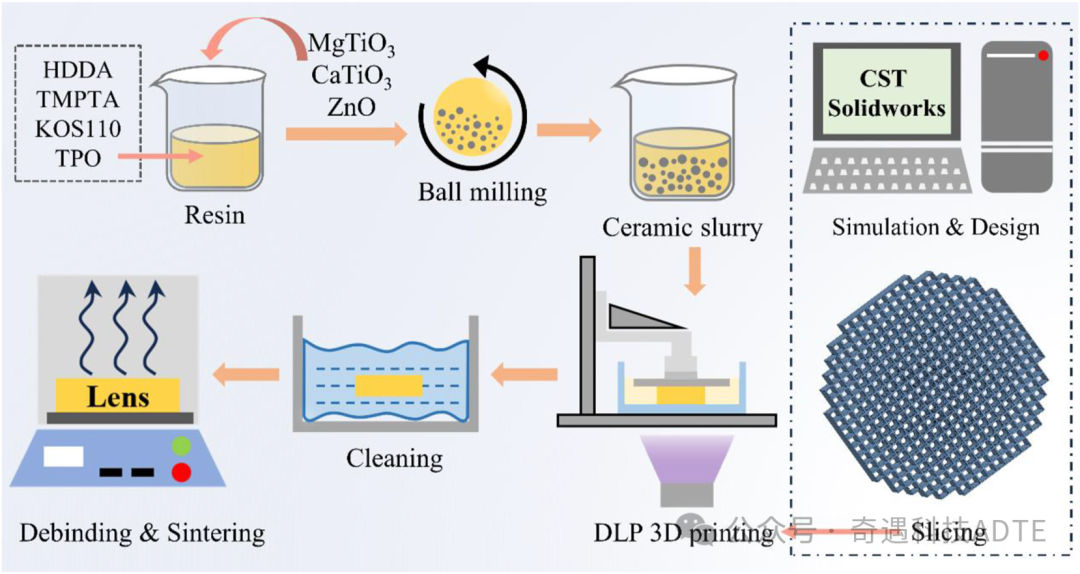
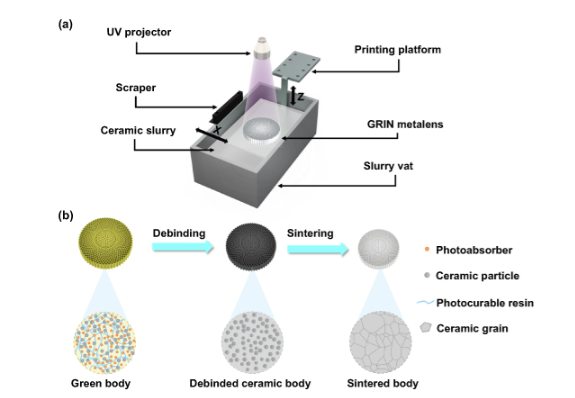
Figure 1. Schematic illustration showing the fabrication process of a flat Luneburg lens via vat-photopolymerization 3D printing.
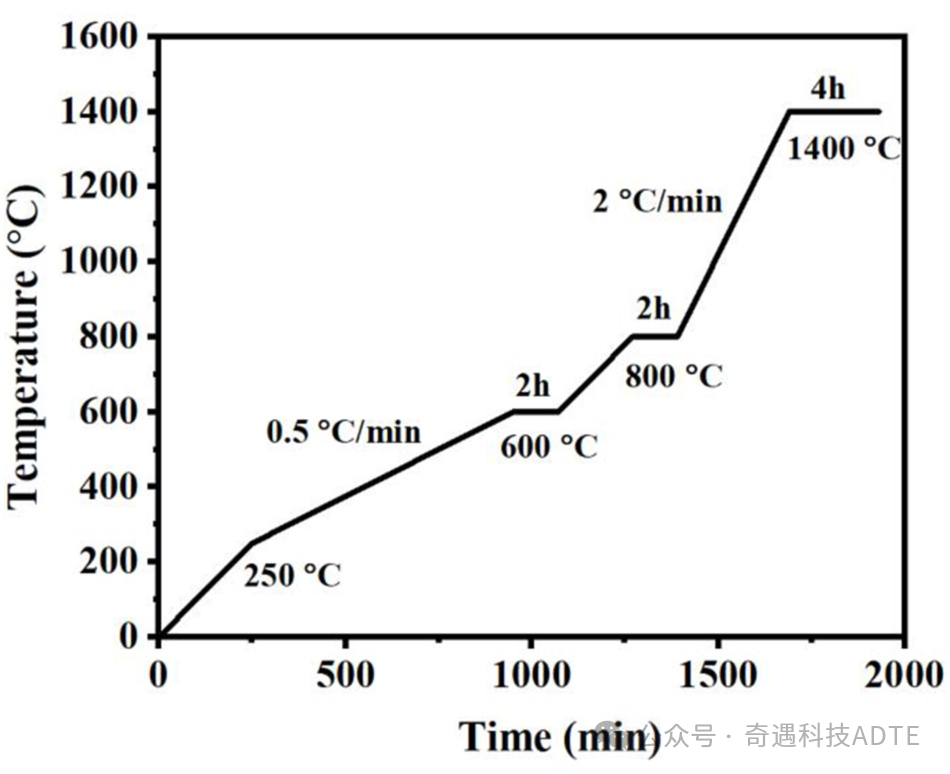
Figure 2. Debinding and sintering profiles of the printed 95MCT ceramic, highlighting the thermal treatment process.
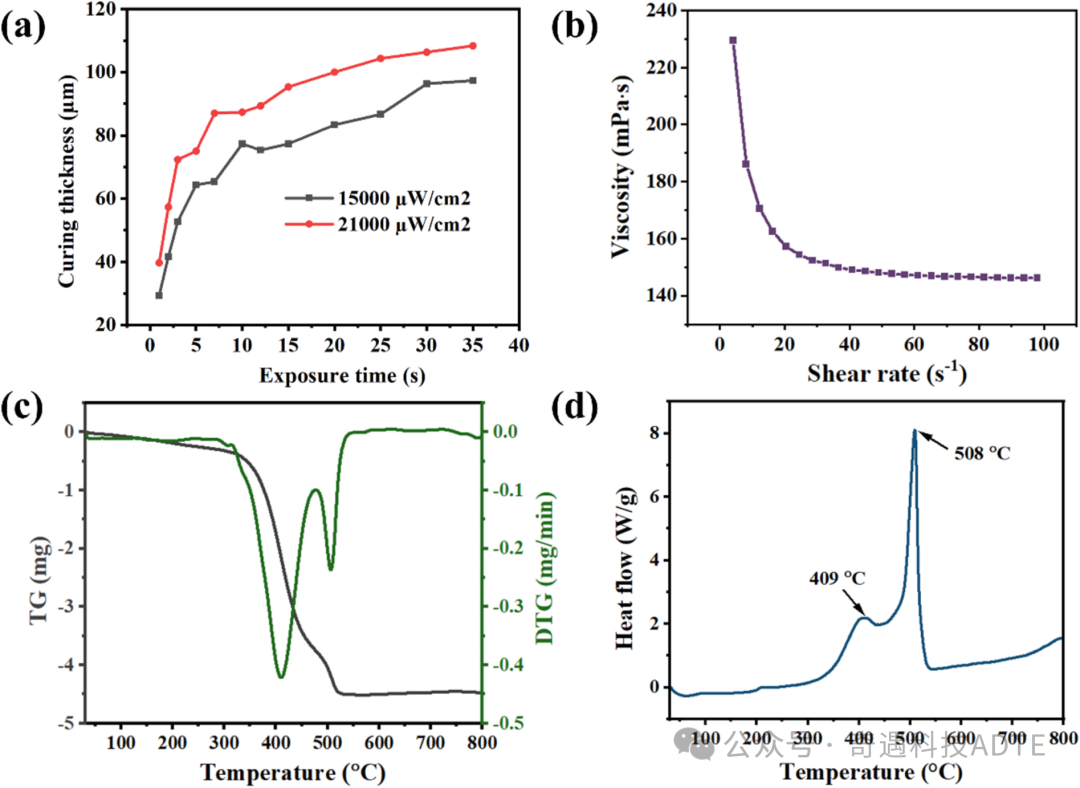
Figure 3. (a) Relationship between cured layer thickness and exposure time under different light intensities, illustrating process optimization. (b) Viscosity versus shear rate curve of the prepared 95MCT ceramic slurry. Characterization of the 3D-printed green body: (c) TG and DTG curves, and (d) DSC curve, showing thermal behavior.
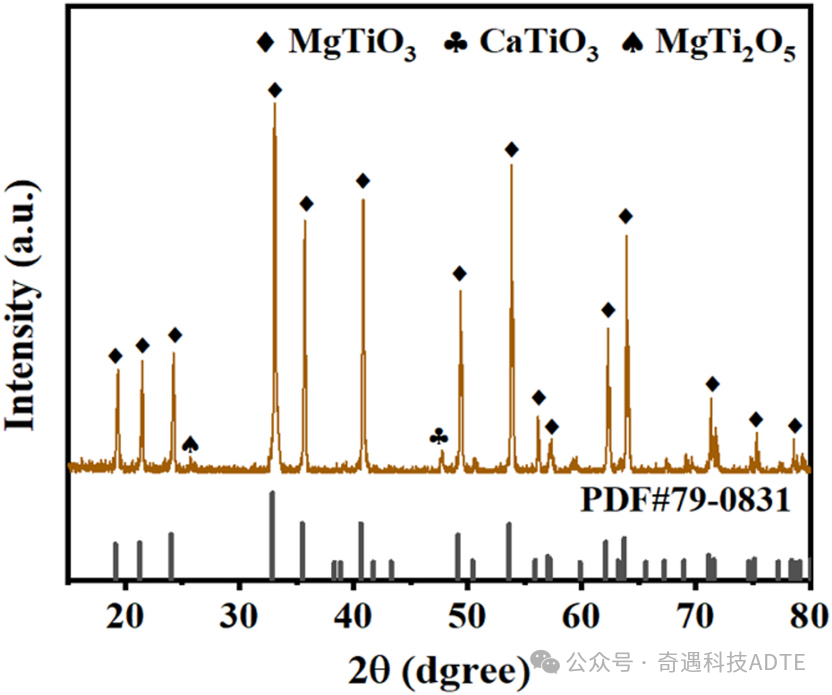
Figure 4. X-ray diffraction (XRD) pattern of the 95MCT ceramic, demonstrating phase composition.
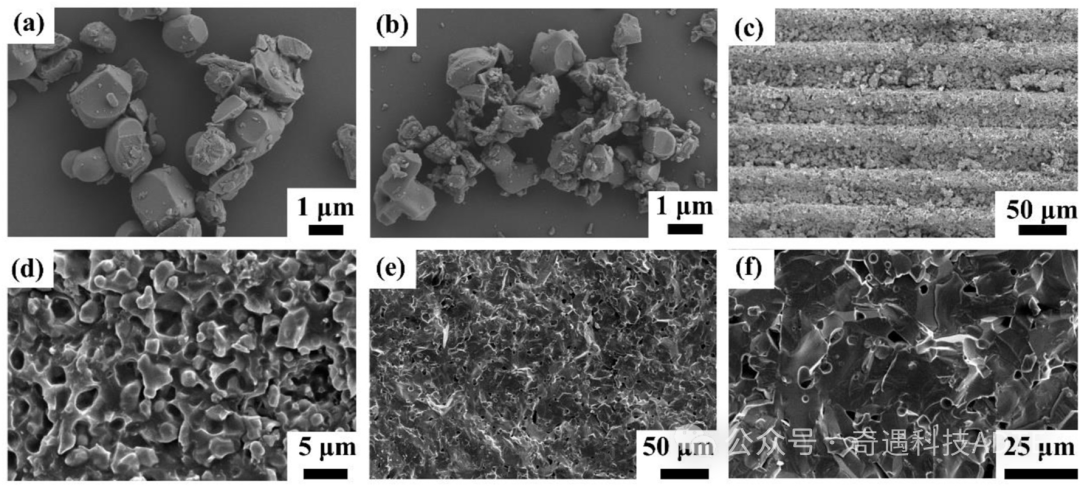
Figure 5. Scanning electron microscopy (SEM) images, depicting: (a) MgTiO₃ particles, (b) CaTiO₃ particles, (c) intermediate layer, (d) fracture of the 95MCT green body, (e) fracture of the sintered 95MCT ceramic, and (f) high-magnification image of the sintered 95MCT ceramic.
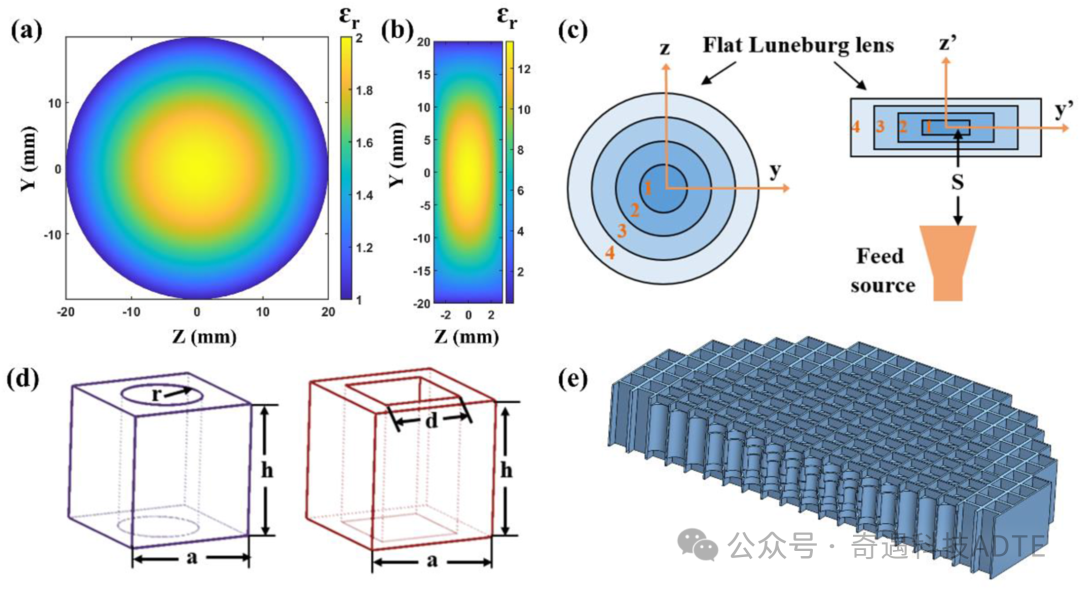
Figure 6. (a) Dielectric constant distribution in the YOZ plane of the spherical Luneburg lens, and (b) in the YOZ plane of the flat Luneburg lens, illustrating material property gradients. (c) Top-view and side-view structural models of the flat Luneburg lens. (d) Schematic of the metamaterial unit cell. (e) Sectional modeling view of the flat Luneburg lens, highlighting internal gradient structures.
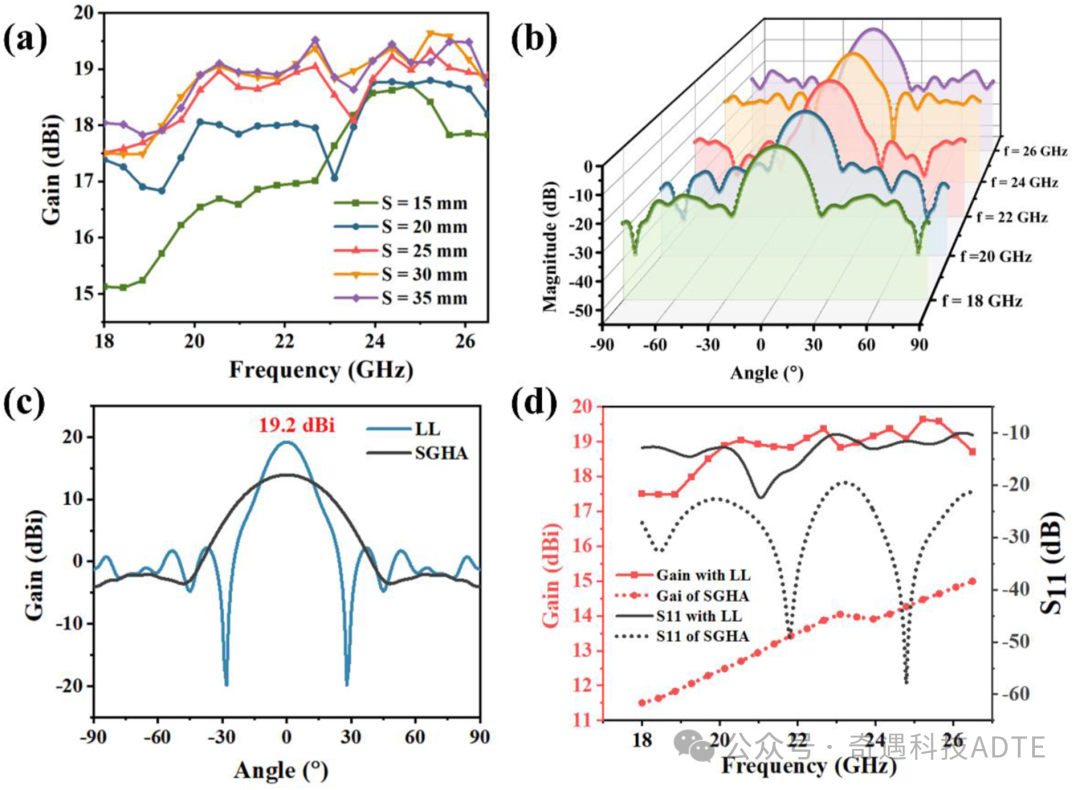
Figure 7. (a) Gain variation with lens focal length. (b) Radiation patterns at different frequencies. (c) Comparison of radiation patterns between a single-feed horn antenna (SFHA) and an SFHA integrated with the flat Luneburg lens. (d) Gain and reflection coefficient as functions of frequency, demonstrating lens performance.
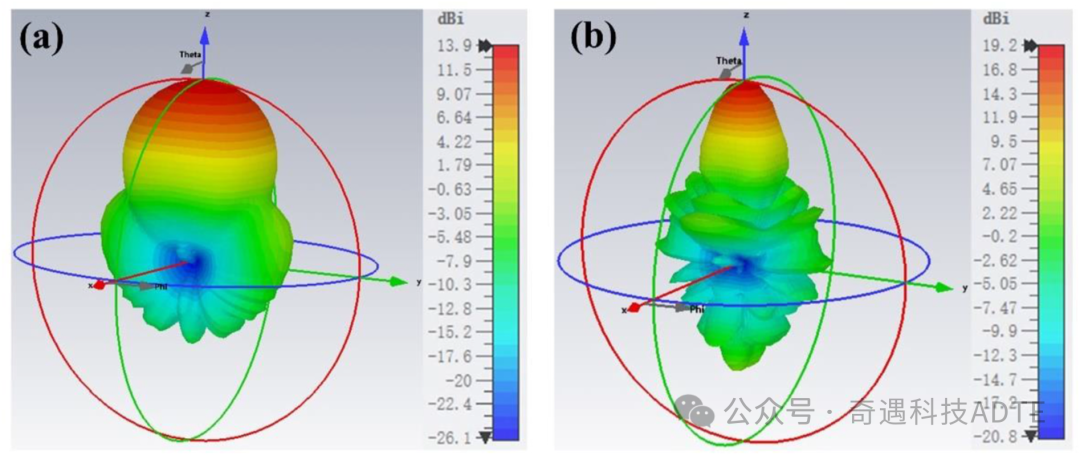
Figure 8. Three-dimensional radiation patterns of (a) the single-feed horn antenna (SFHA). (b) the SFHA integrated with the flat Luneburg lens, highlighting the effect of lens integration.
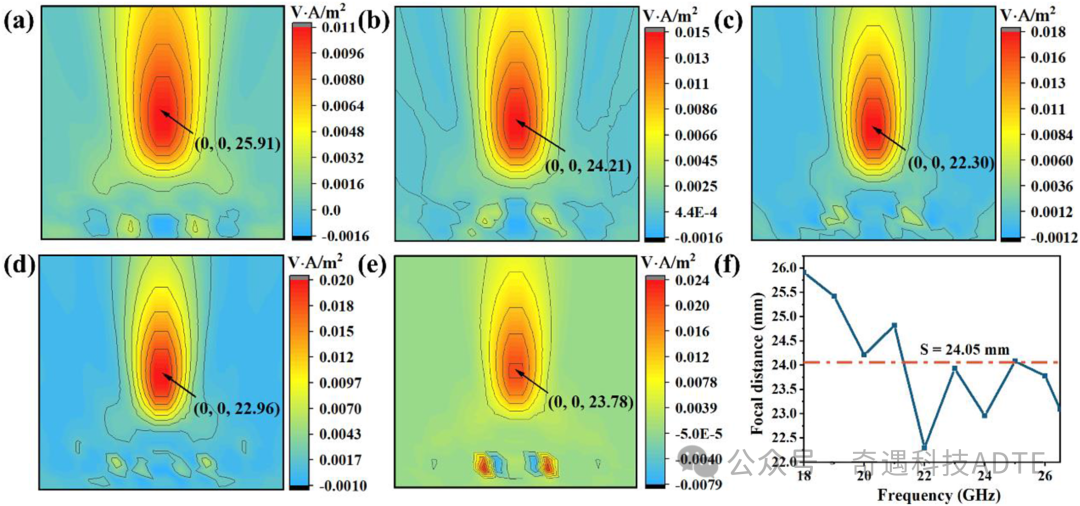
Figure 9. Power flow of the flat Luneburg lens under normal plane-wave incidence at different frequencies: (a) 18 GHz, (b) 20 GHz, (c) 22 GHz, (d) 24 GHz, (e) 26 GHz, showing electromagnetic wave propagation. (f) Relationship between the focal length of the flat Luneburg lens and frequency, illustrating frequency-dependent focusing.
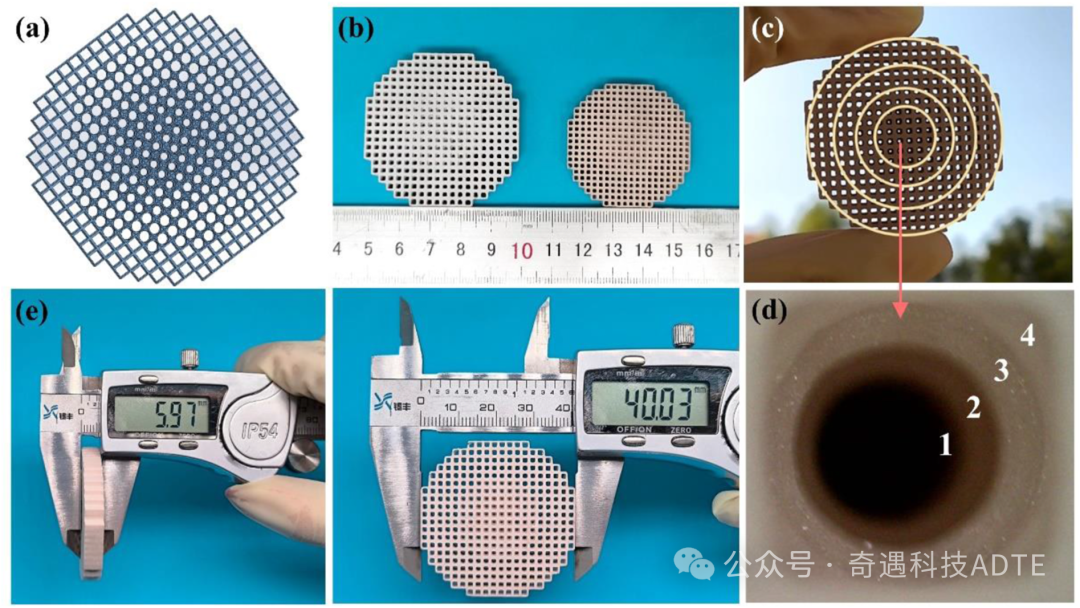
Figure 10. (a) Complete modeling diagram of the proposed flat Luneburg lens. (b) Comparison between the green body and sintered sample. (c) Metamaterial structure of the sintered sample. (d) Magnified view of the innermost metamaterial layer. (e) Dimensional characteristics of the sintered sample, highlighting structural details.
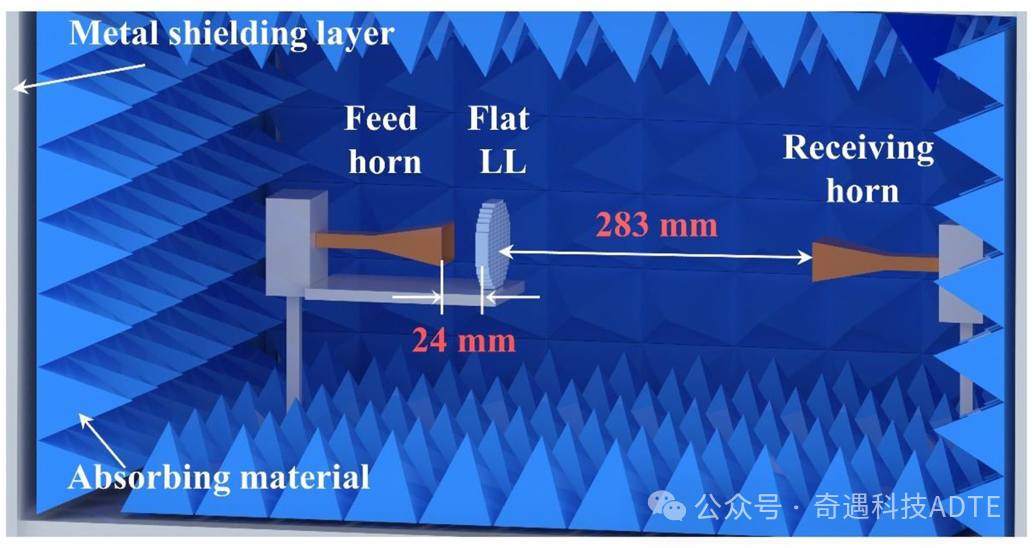
Figure 11. Measurement setup using the 3D-printed Luneburg lens, with a 10 dBi SFHA positioned at the lens focal point, demonstrating experimental arrangement.
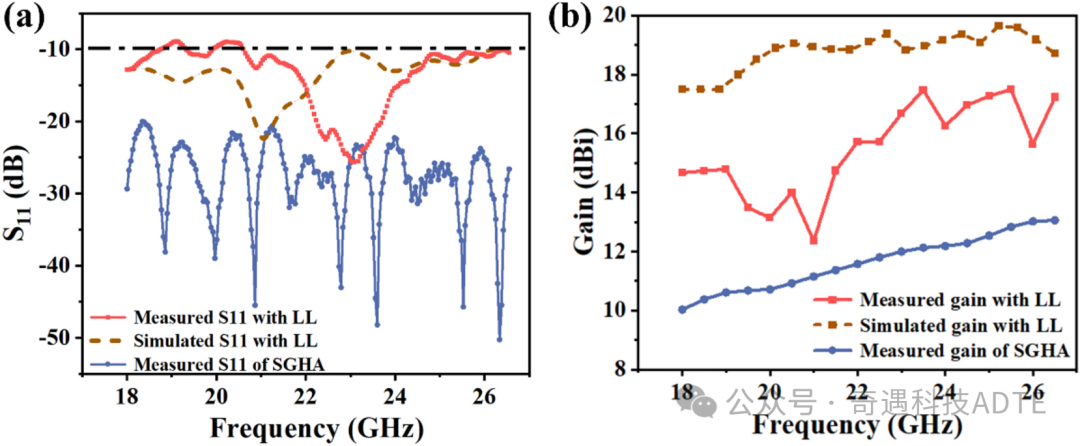
Figure 12. (a) Measured and simulated S11 of the SFHA integrated with the fabricated flat Luneburg lens. (b) Measured and simulated gain of the SFHA integrated with the fabricated flat Luneburg lens, illustrating agreement between simulation and experiment.
Research Outcomes
The study successfully fabricated a K-band flat Luneburg lens from 95MCT ceramic using optimized 3D printing parameters and thermal treatment. Consequently, the sintered ceramic exhibited a density of 3.40 g/cm³, a flexural strength of 81.78 MPa, a dielectric constant of 17.7, and a dielectric loss of 4.56 × 10⁻⁴. In addition, the printed lens, with a diameter of 40 mm and a thickness of 6 mm, featured a complex gradient structure and achieved a gain enhancement of over 5 dBi. Overall, this work demonstrates that vat-photopolymerization 3D printing provides a promising approach for fabricating complex RF and millimeter-wave components, while offering precise control over geometry and material properties. Therefore, it highlights the potential of additive manufacturing for high-performance ceramic RF devices, thereby enabling innovations in communication systems, radar technologies, and compact antenna design.
More articles
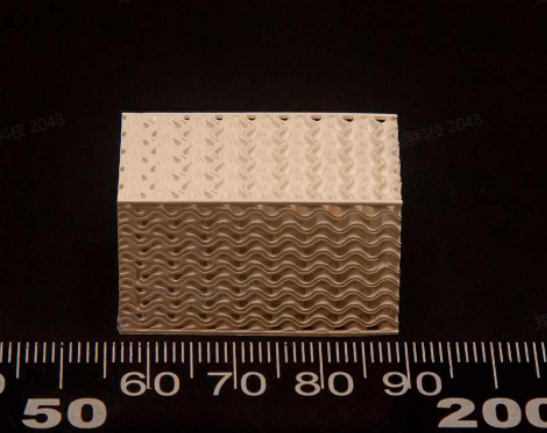
Progress in Light Curing 3D Printing: Advances in Photosensitive Resin Modification
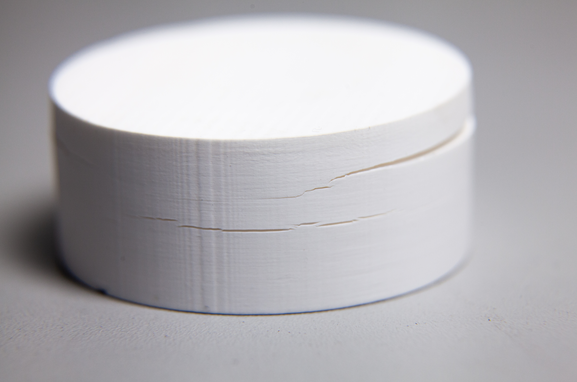
Mastering Debinding in Ceramic 3D Printing: The “Invisible” Stage That Determines Success
Optimizing Silicon Nitride Performance: Understanding the Sintering Logic for Microstructural Excellence in Ceramic 3D Printing
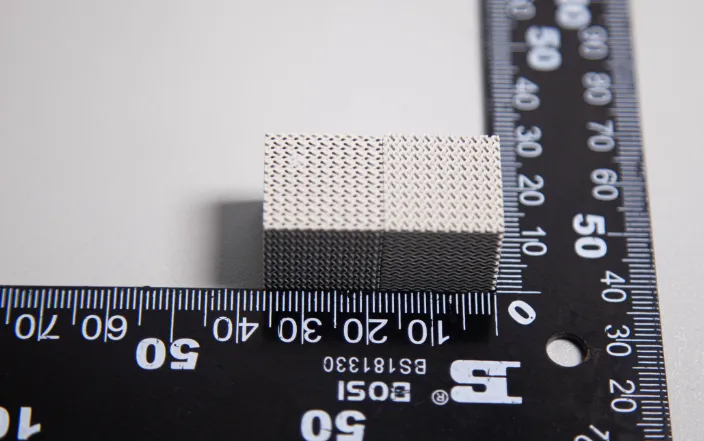
DLP Ceramic 3D Printing of W-Band Gradient Refractive Index (GRIN) Metalens: Fabrication and Performance Analysis
Request A quote
