
Bioceramics
- 1
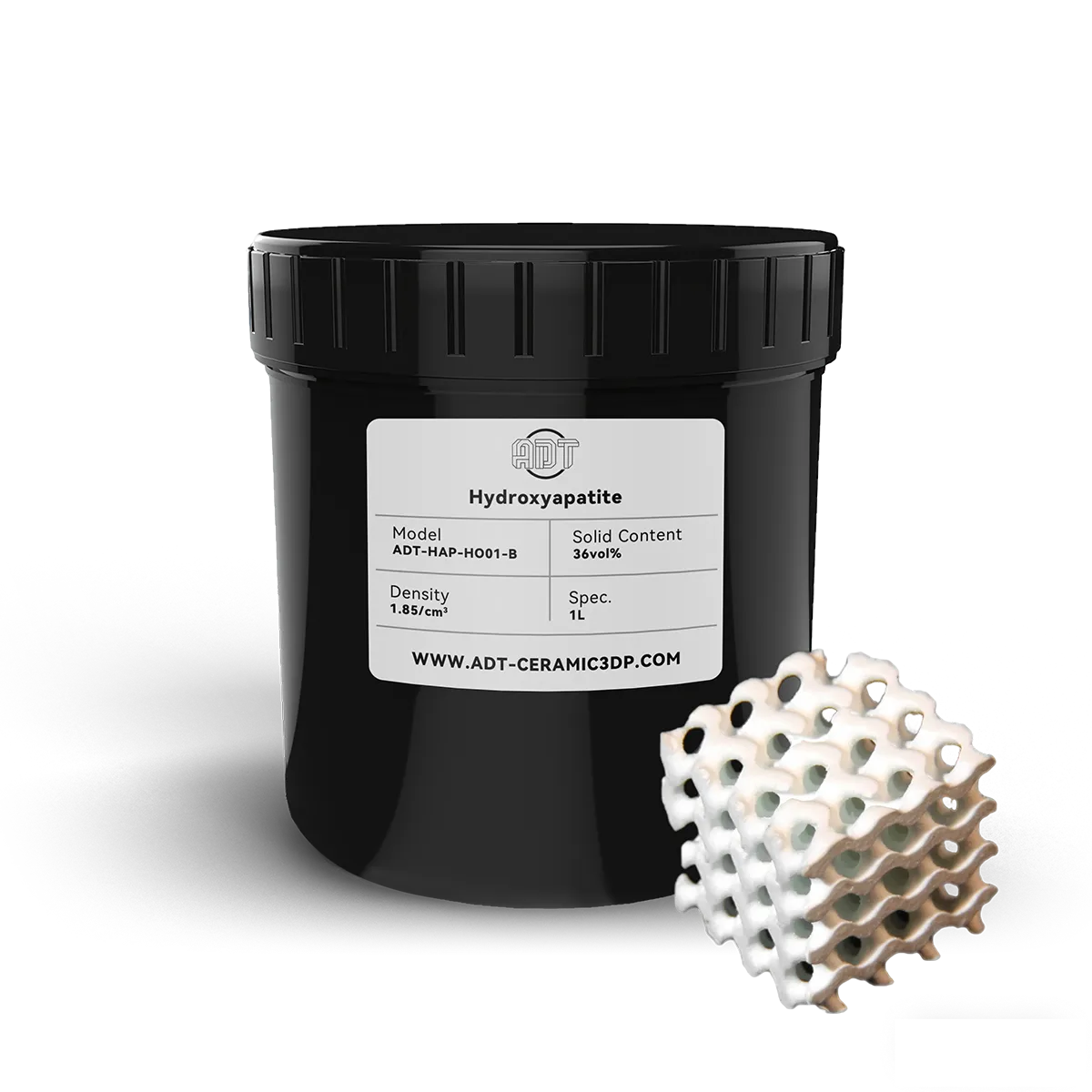
Hydroxyapatite (HAP)
Hydroxyapatite (HAP) ceramic slurry is a bioactive calcium phosphate material designed for high-precision ceramic 3D printing applications..
- 2
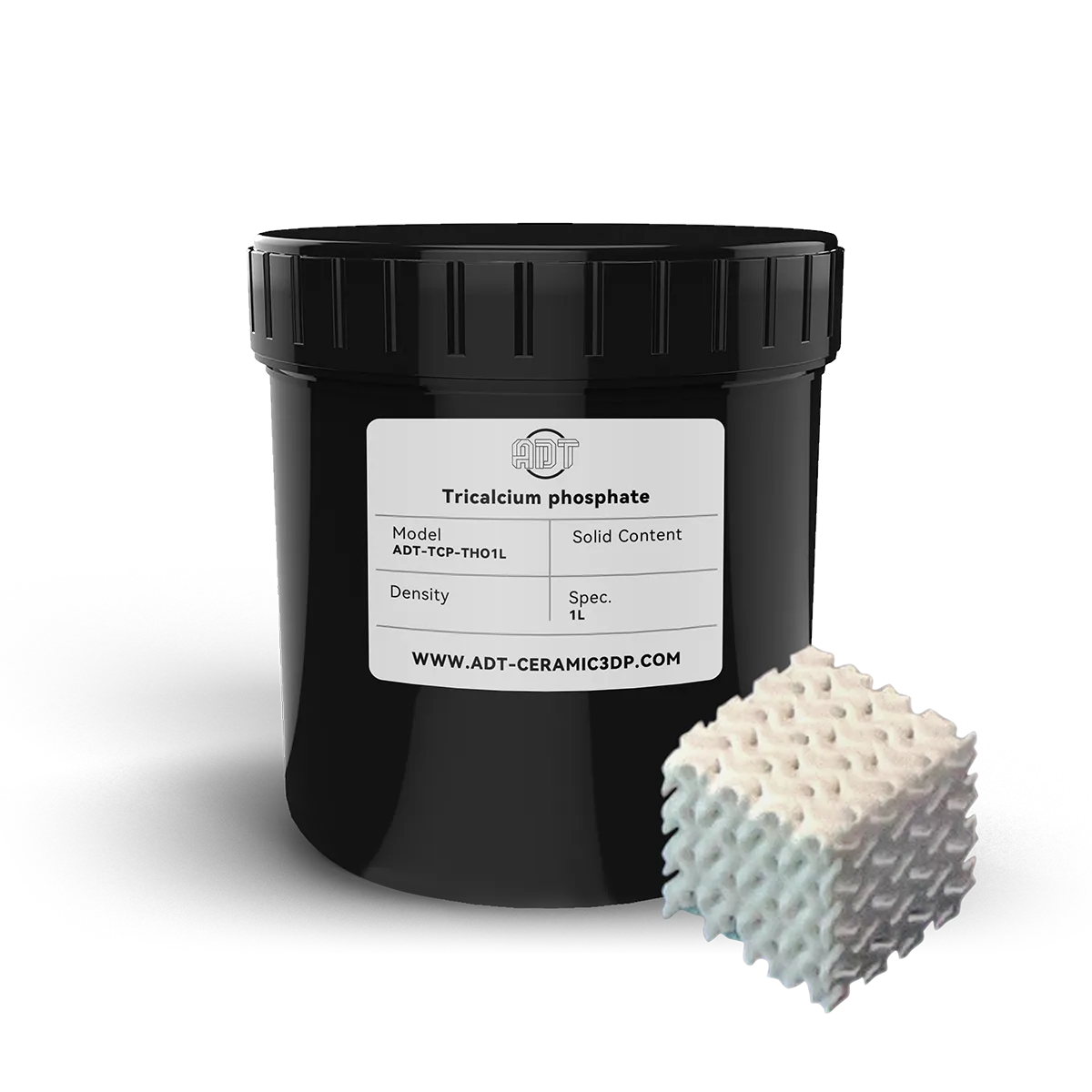
Tricalcium Phosphate (TCP)
Tricalcium phosphate (TCP) ceramic slurry is a bioresorbable ceramic material developed for advanced biomedical 3D printing applications.
What Are Bioceramics?
Bioceramics are a class of ceramic materials specifically designed for biomedical applications, particularly for interaction with biological tissues. Common bioceramics include calcium phosphate–based materials such as hydroxyapatite (HAP) and tricalcium phosphate (TCP).
These materials are known for their biocompatibility, bioactivity, and ability to support bone regeneration. Unlike structural ceramics, bioceramics are often used in applications where controlled degradation, osseointegration, and biological response are critical. With the advancement of ceramic 3D printing, bioceramics enable the fabrication of patient-specific implants and porous scaffolds for tissue engineering.
Product Introductionn
Hydroxyapatite (HAP)
Ceramic Slurry
Hydroxyapatite (HAP) slurry is formulated to replicate the mineral composition of natural bone, offering excellent biocompatibility and bioactivity. It features optimized solid loading and stable rheological properties, ensuring reliable printability in processes such as DLP and SLA.
Applications:
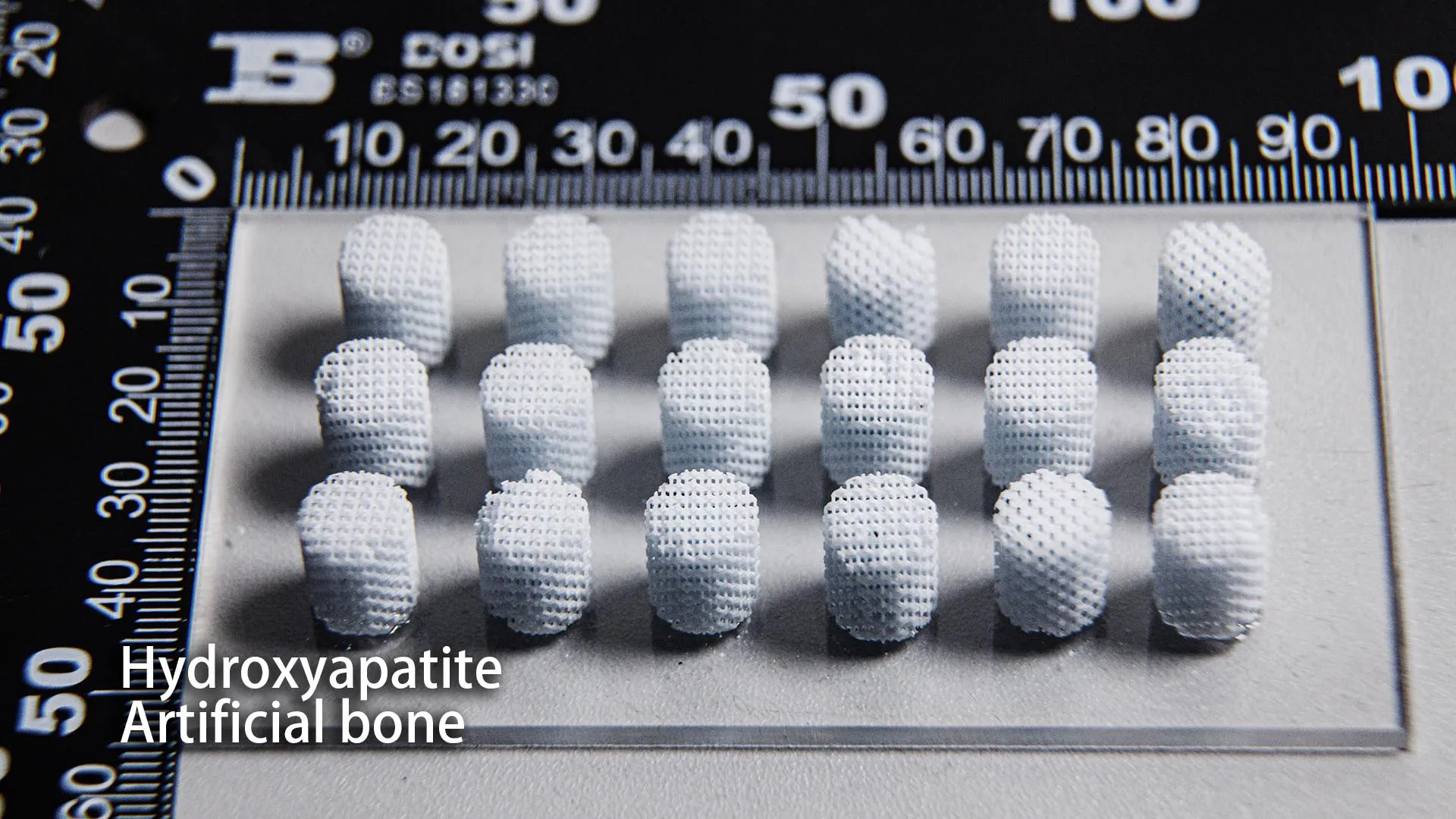
Bone tissue engineering scaffolds.
Dental implants and coatings.
Orthopedic implants.
Regenerative medicine research.
Customized biomedical structures via 3D printing.
Tricalcium Phosphate (TCP)
Ceramic Slurry
Tricalcium Phosphate (TCP slurry is engineered with controlled particle distribution and rheological stability to ensure consistent printing performance. It enables the fabrication of complex porous structures and supports gradual material resorption in biological environments. This makes it suitable for applications requiring temporary structural support and tissue regeneration.
Applications:
Tissue engineering scaffolds.
Drug delivery systems.
Orthopedic research.
Customized biodegradable implants.
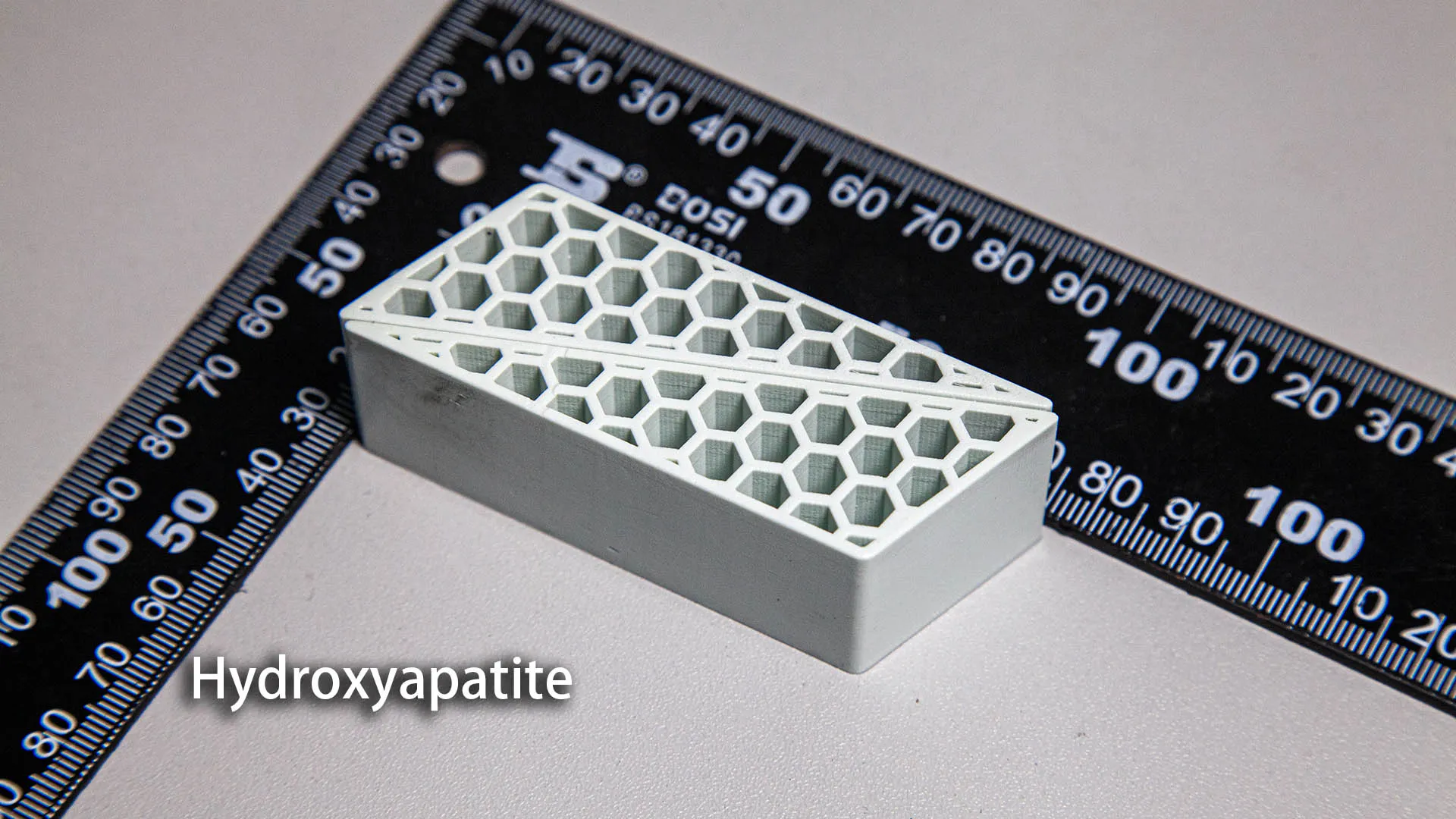
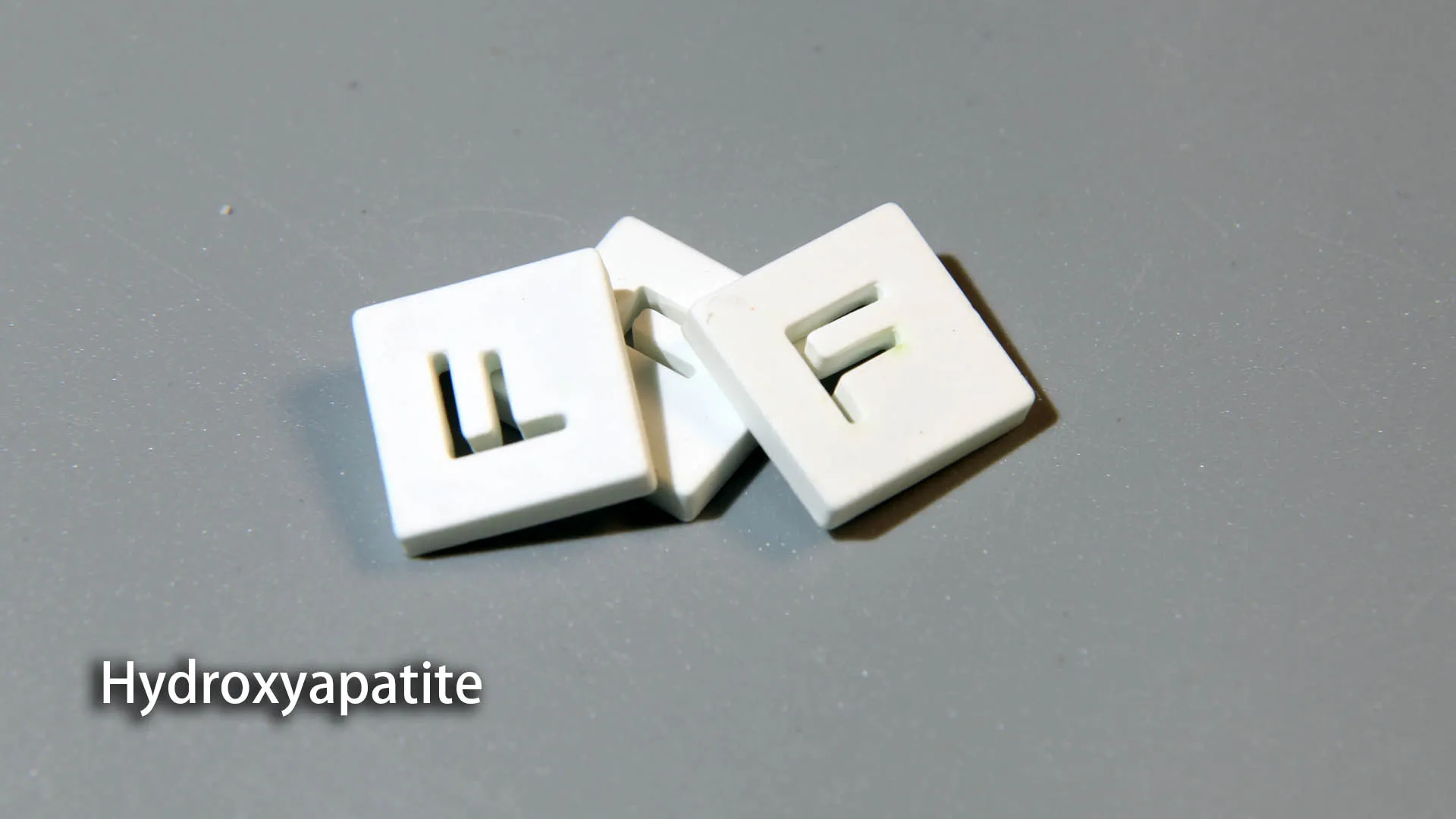
Printing Case
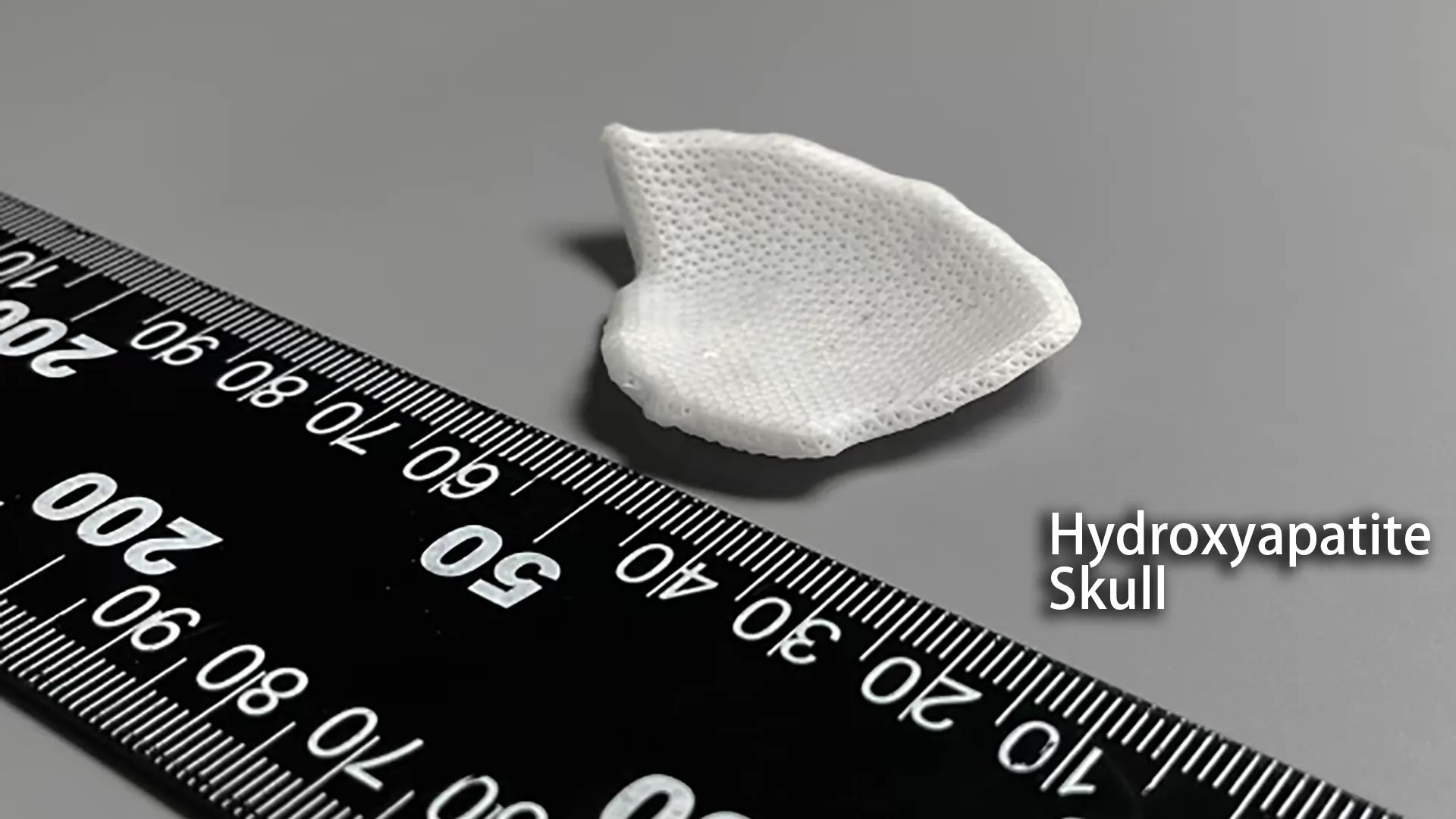
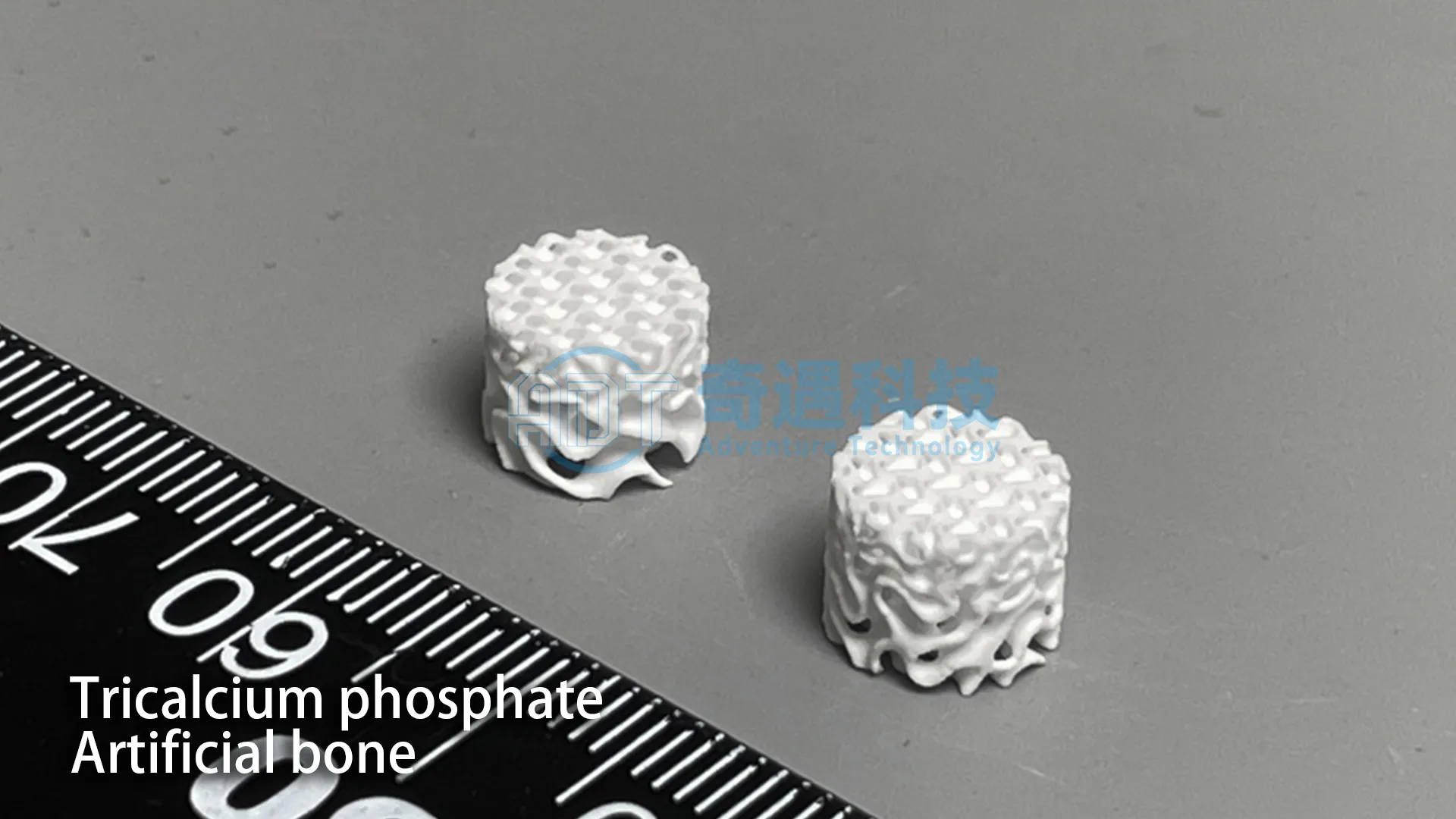
Biomedical Applications
Bioceramics such as hydroxyapatite (HAP) and tricalcium phosphate (TCP) are widely used in biomedical applications due to their biocompatibility and bioactivity. They are commonly applied in bone grafts, dental implants, and orthopedic devices, where they support bone integration and tissue regeneration. Their ability to interact with biological tissues makes them essential materials in modern medical treatments.
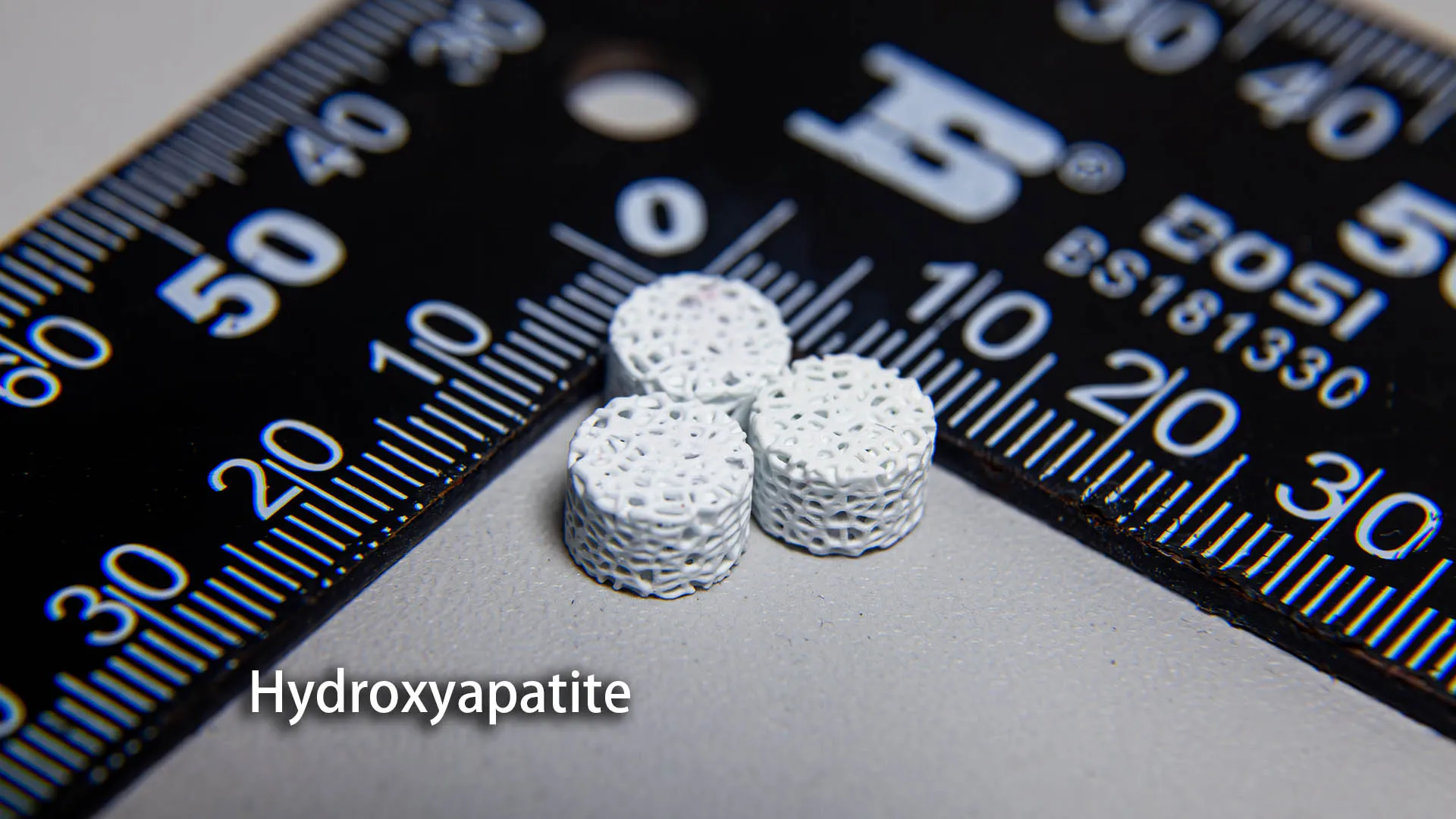
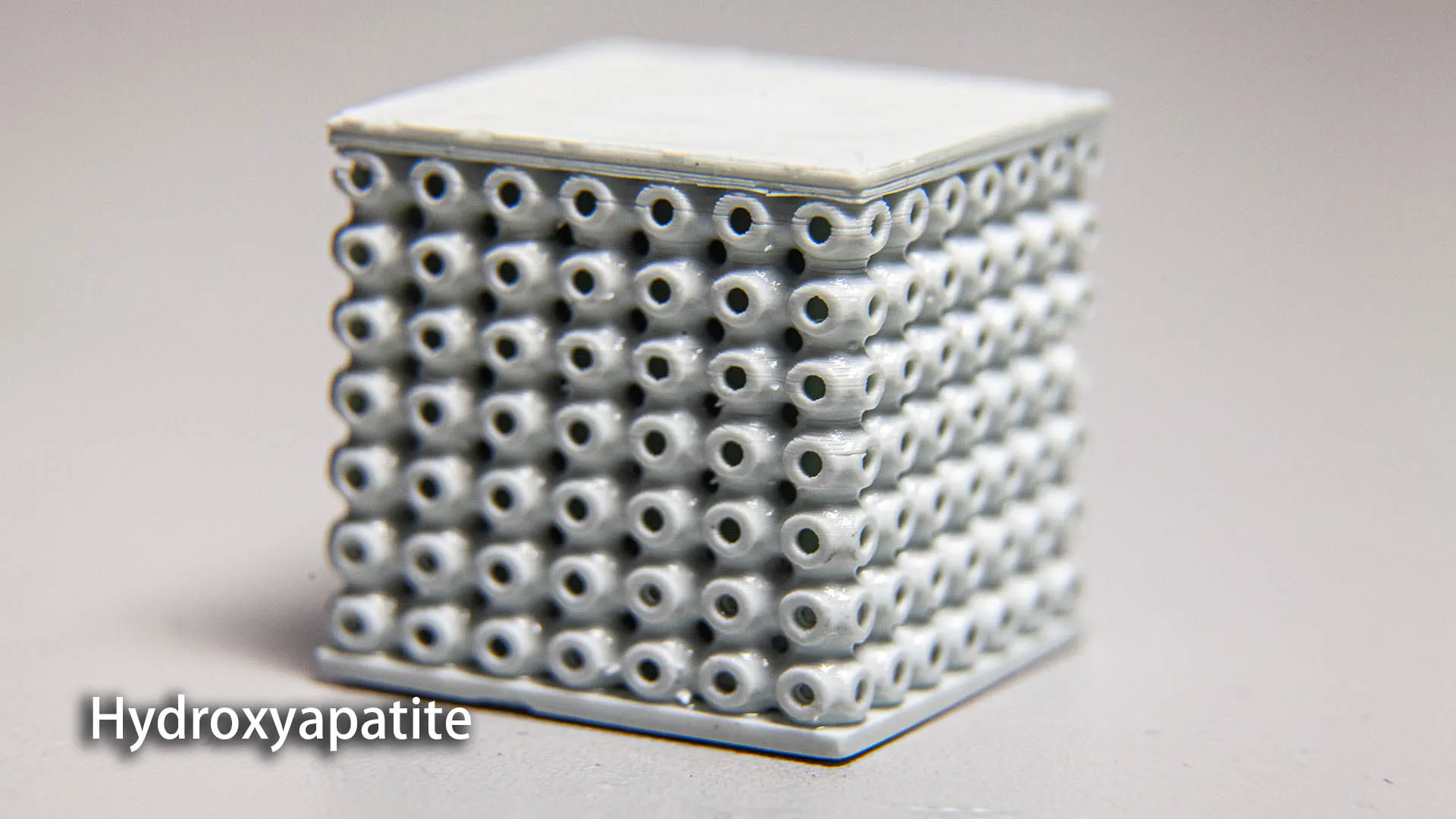
Research Applications
In research and laboratory settings, bioceramics are extensively used in tissue engineering, regenerative medicine, and biomaterials studies. Materials like HAP and TCP are applied to investigate cell behavior, scaffold design, and controlled degradation, as well as to develop advanced ceramic 3D printing solutions for customized biomedical structures.
Material parameters
Hydroxyapatite (HAP)Ceramic Slurry
| Material Model | ADT-HAP-HO01-B |
|---|---|
| Powder | |
| Purity (%) | ≥ 96 |
| Slurry | |
| Solid Content (vol%) | 36 |
| Solid Content (wt%) | 61 |
| Viscosity (50 s⁻¹) (Pa·s)¹ | 5.6 |
| Slurry Density (g/cm³) | 1.85 |
| Shelf Life | 12 Months |
| Sintered Ceramics | |
| Sintering Temperature (°C) | 1300 |
| Theoretical Density (g/cm³) | 3.16 |
| Actual Density (g/cm³) | 2.9 |
| Relative Density (%) | 91.8 |
| Porosity (%) | 8.2 |
| Three-point Bending Strength (MPa)² | 122.75 |
| Compressive Strength (MPa) | 55.2 |
| Max. Working Temperature (°C) | 1100 |
