
Non-Oxide Ceramics
- 1
Silicon Carbide (SiC)
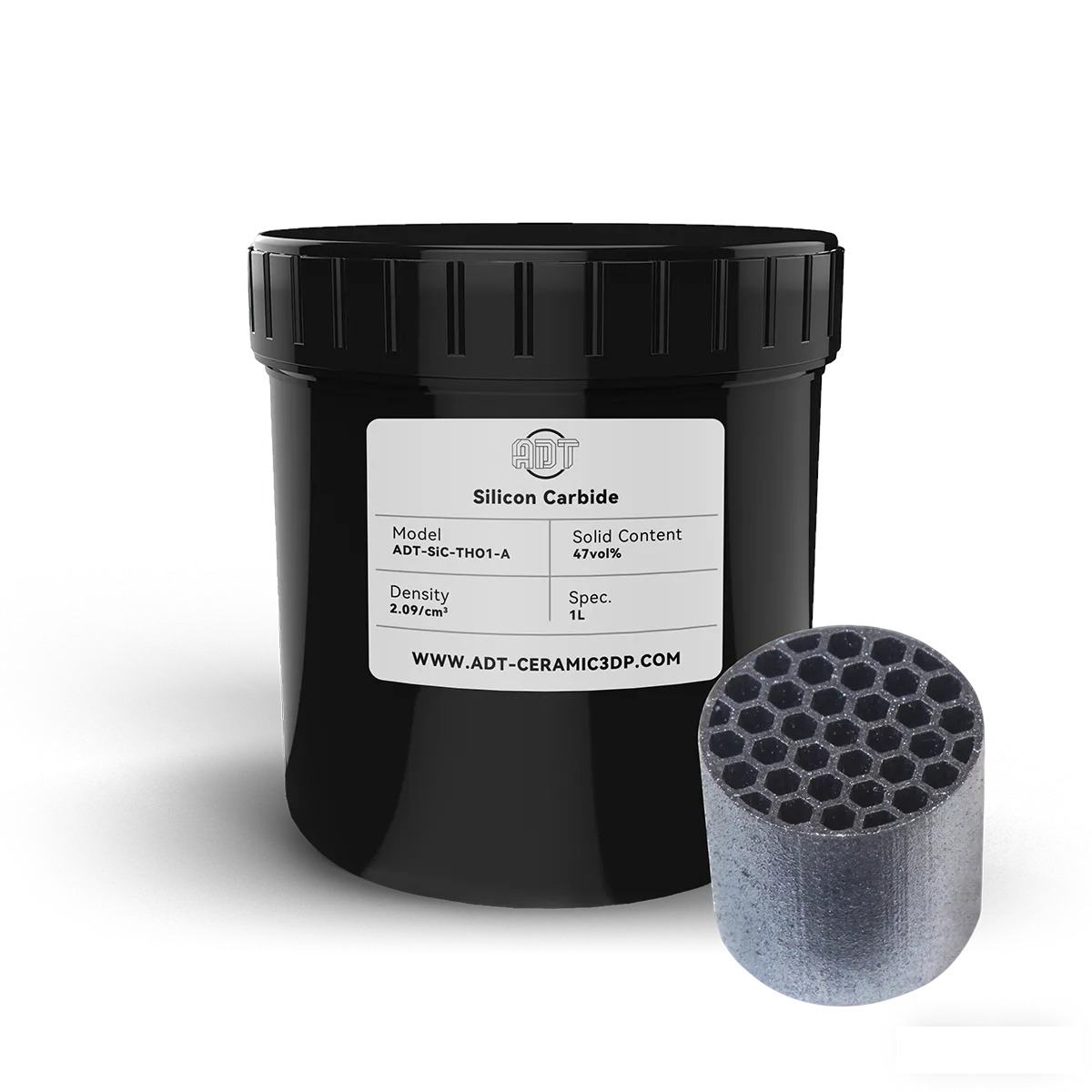
Silicon carbide (SiC) ceramic slurry is designed for high-performance ceramic 3D printing processes such as DLP and SLA. It features optimized particle dispersion, controlled rheology, and high solid loading to enable the fabrication of dense and complex SiC components.
- 2
Silicon Nitride (Si₃N₄)
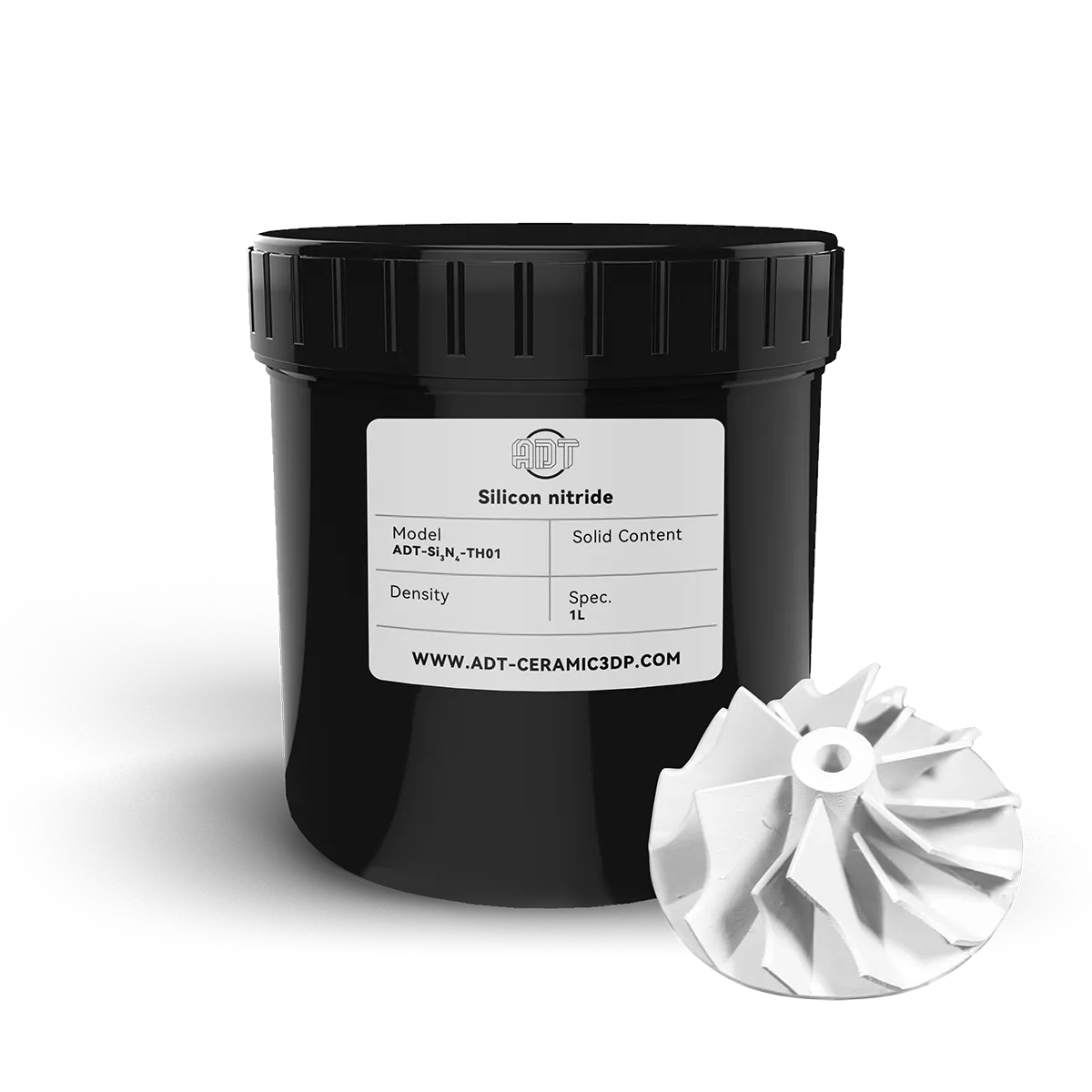
Silicon nitride (Si₃N₄) ceramic slurry is engineered for advanced ceramic additive manufacturing, offering excellent dispersion stability and controlled viscosity for reliable printing performance..
What Are Non-Oxide Ceramics?
Non-oxide ceramics are advanced ceramic materials composed of non-oxygen compounds, typically including carbides, nitrides, and borides. Common examples include silicon carbide (SiC) and silicon nitride (Si₃N₄).
Unlike oxide ceramics, non-oxide ceramics exhibit superior performance in extreme environments, particularly in reducing or inert atmospheres. They are known for their exceptional high-temperature strength, thermal shock resistance, and, in some cases, high thermal conductivity.
Product Introductionn
Silicon Carbide (SiC)
Ceramic Slurry
SiC is characterized by its outstanding thermal conductivity, high hardness, and excellent resistance to oxidation and wear. The slurry system ensures stable printing behavior while maintaining dimensional accuracy during sintering.
Applications:
Heat exchangers and thermal management components.
Semiconductor processing equipment.
Aerospace high-temperature structures
Mechanical seals and wear-resistant parts.
Energy systems and chemical processing equipment.
Silicon Nitride (Si₃N₄)
Ceramic Slurry
Si₃N₄ is known for its high strength, excellent thermal shock resistance, and good fracture resistance, making it one of the most reliable structural ceramics under dynamic and high-stress conditions. The slurry formulation supports the fabrication of lightweight yet durable components with complex geometries.
Applications:
Bearings and rolling elements.
Automotive and aerospace components.
Cutting tools and wear-resistant parts.
High-temperature structural components.
Advanced mechanical and engineering systems.
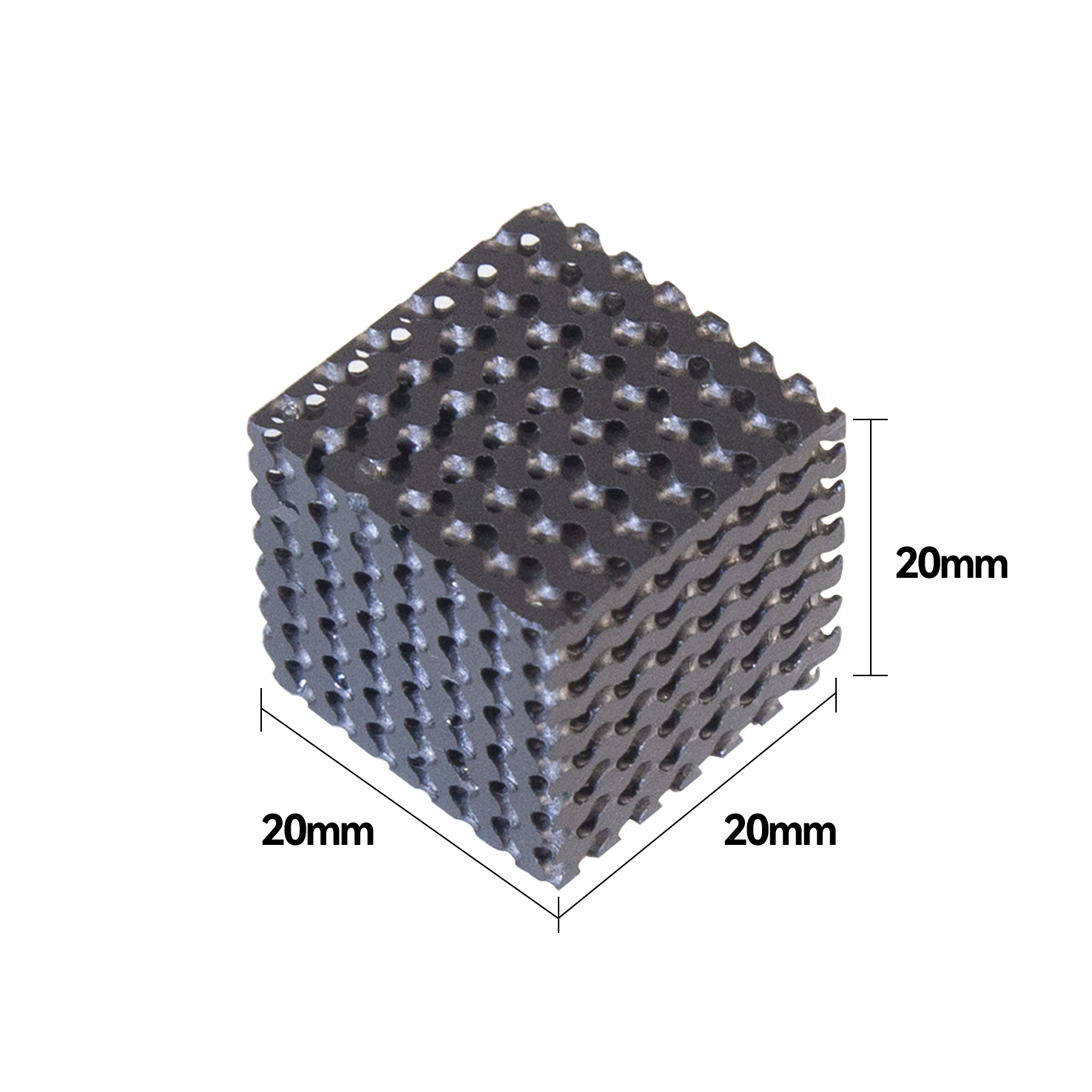
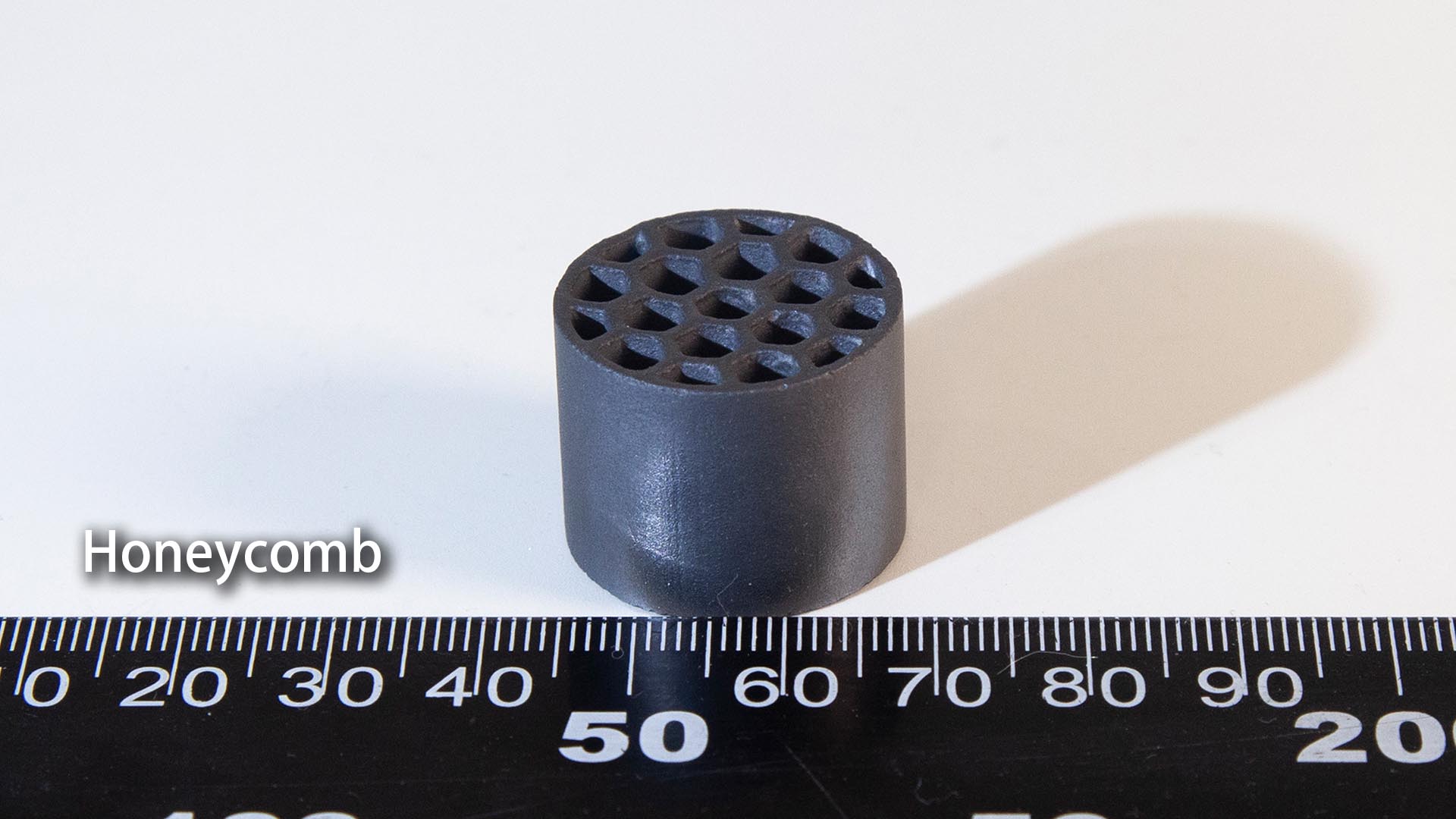
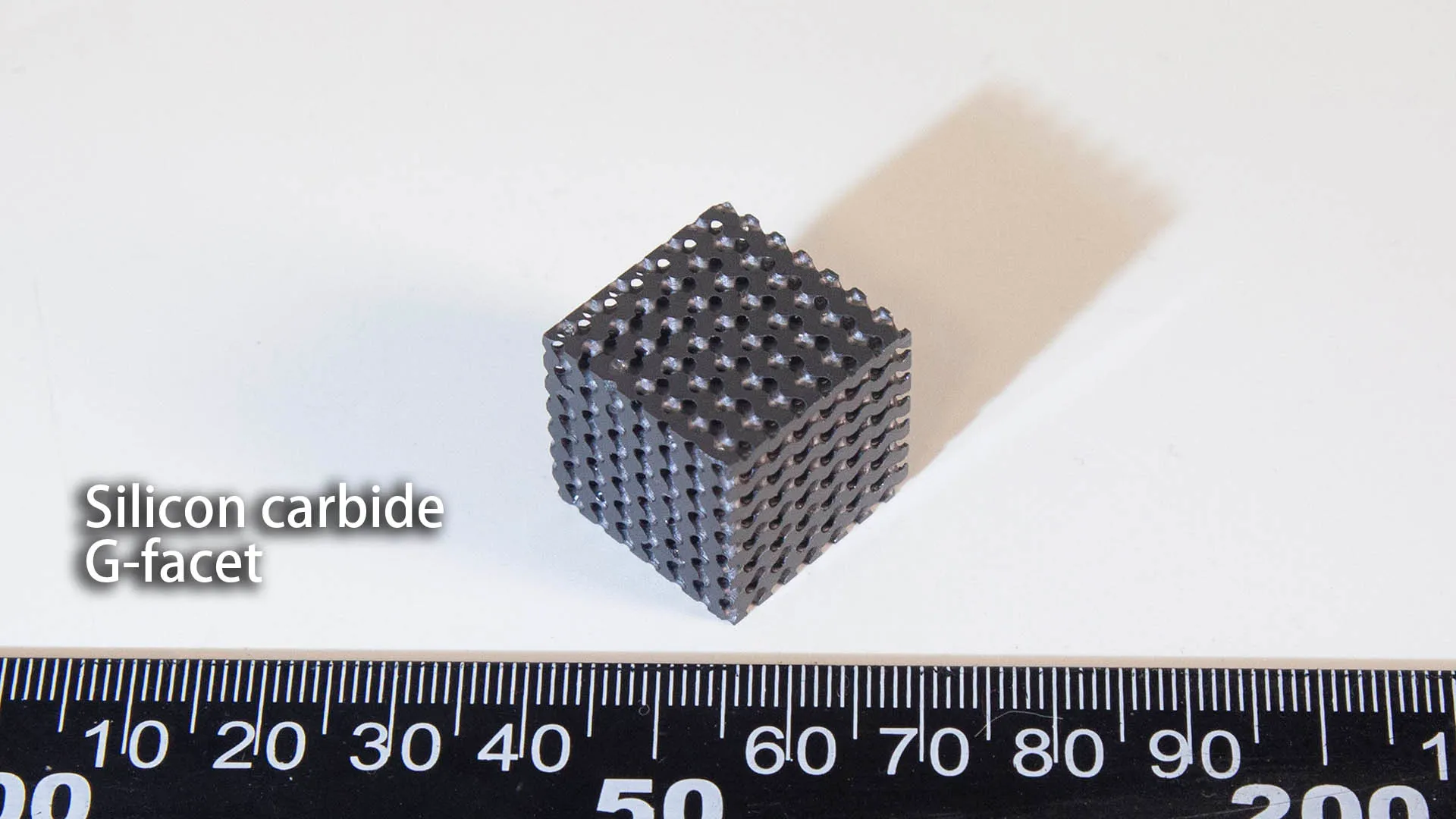
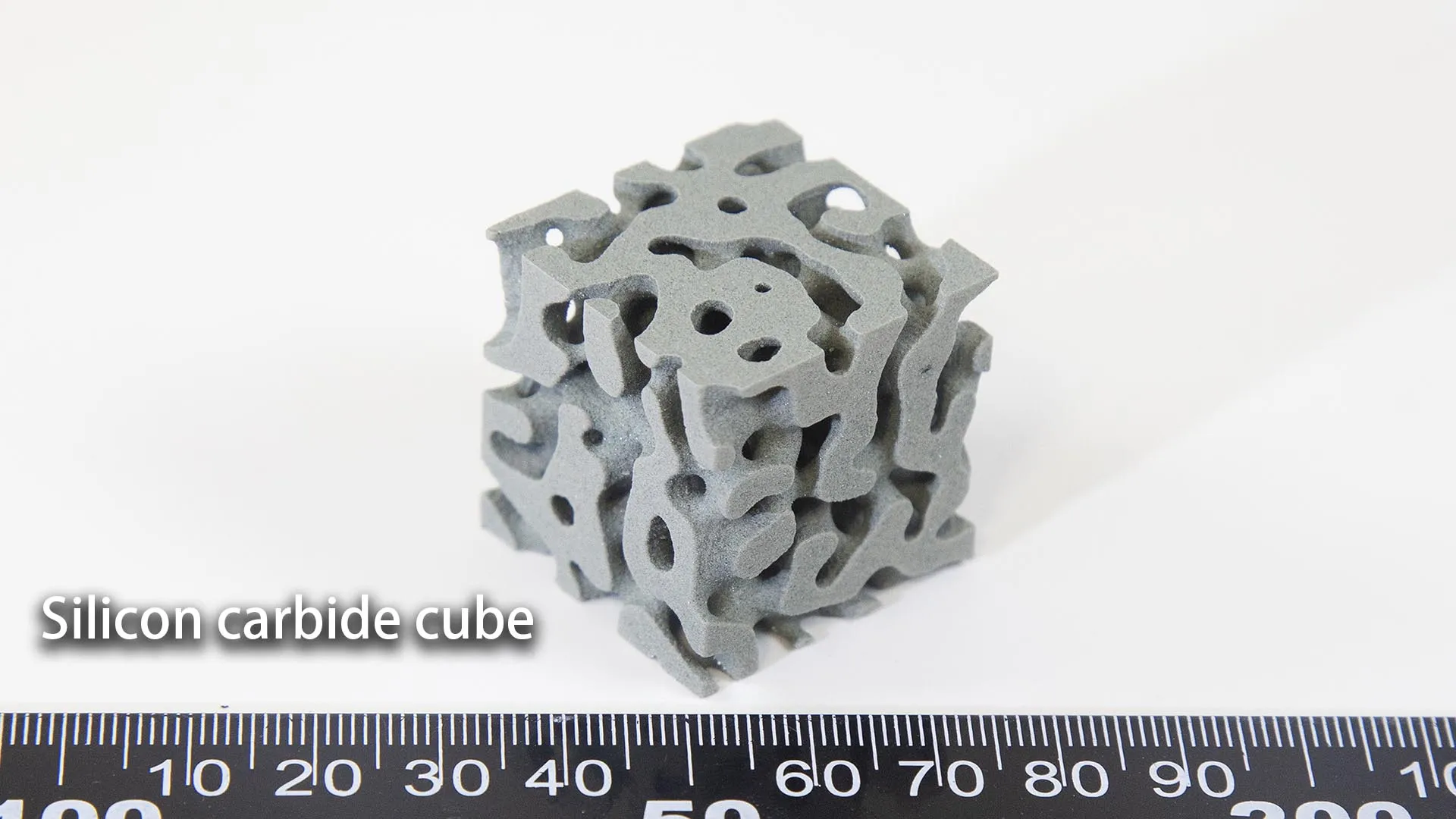
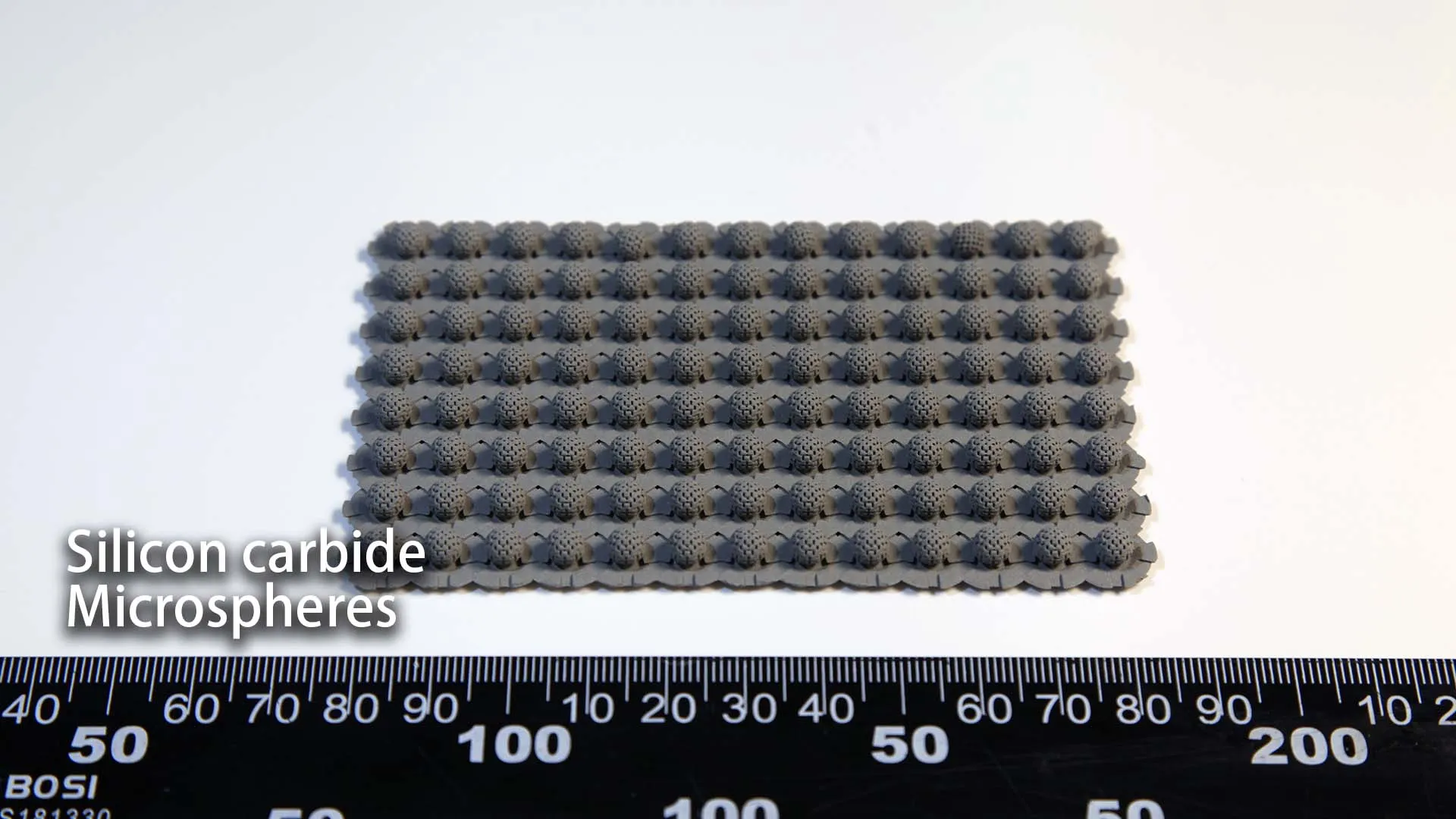
Printing Case
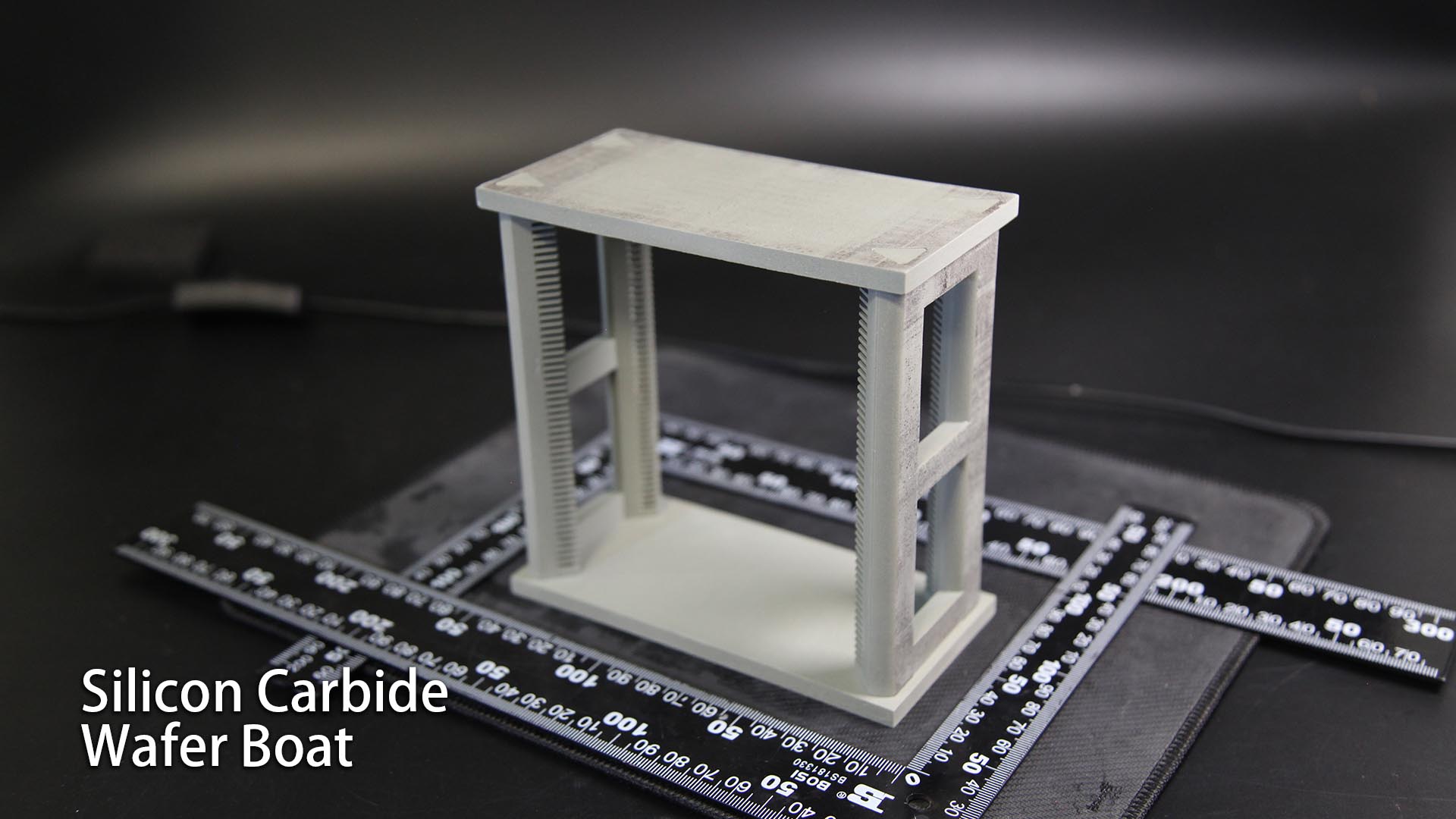
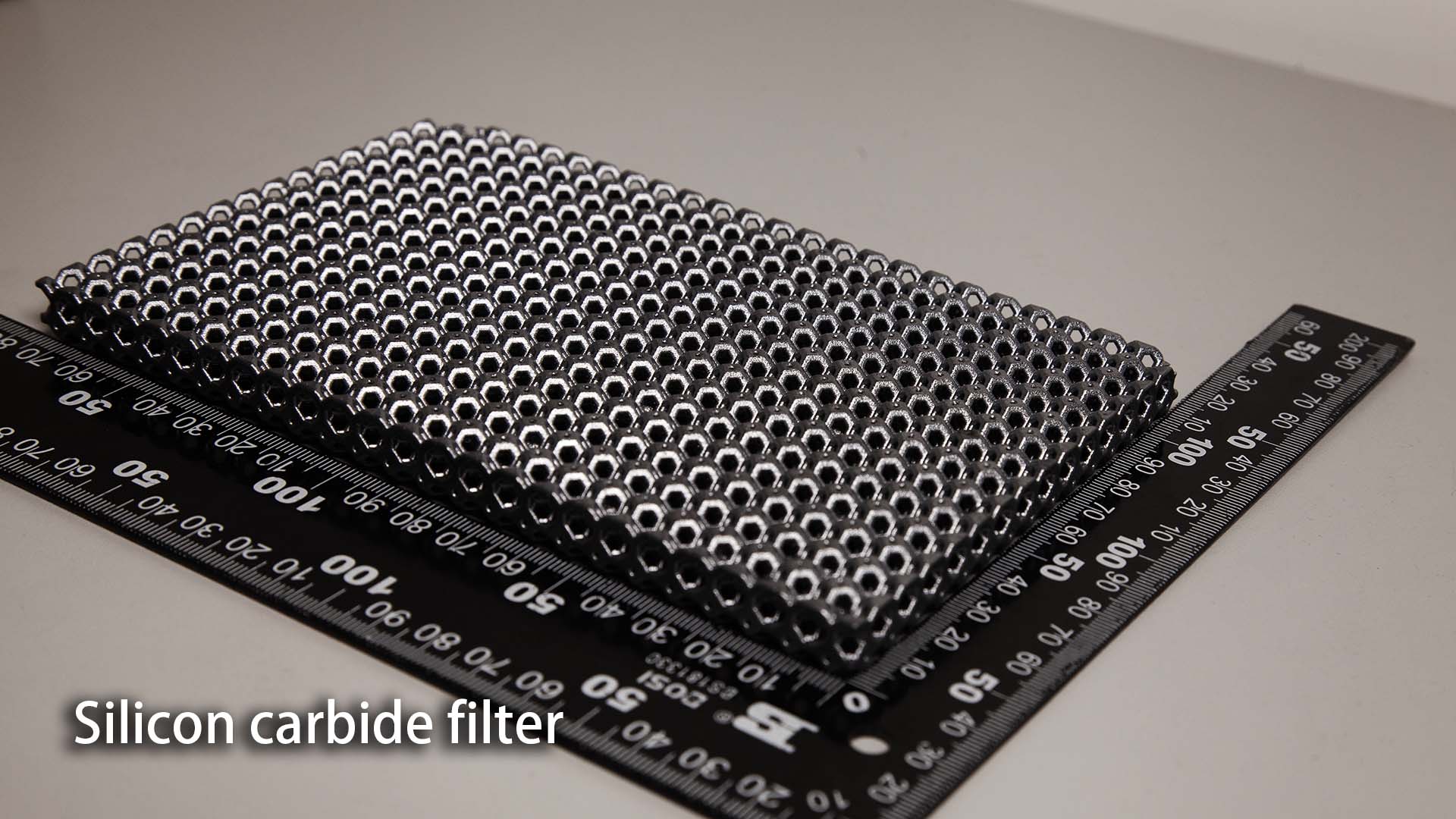
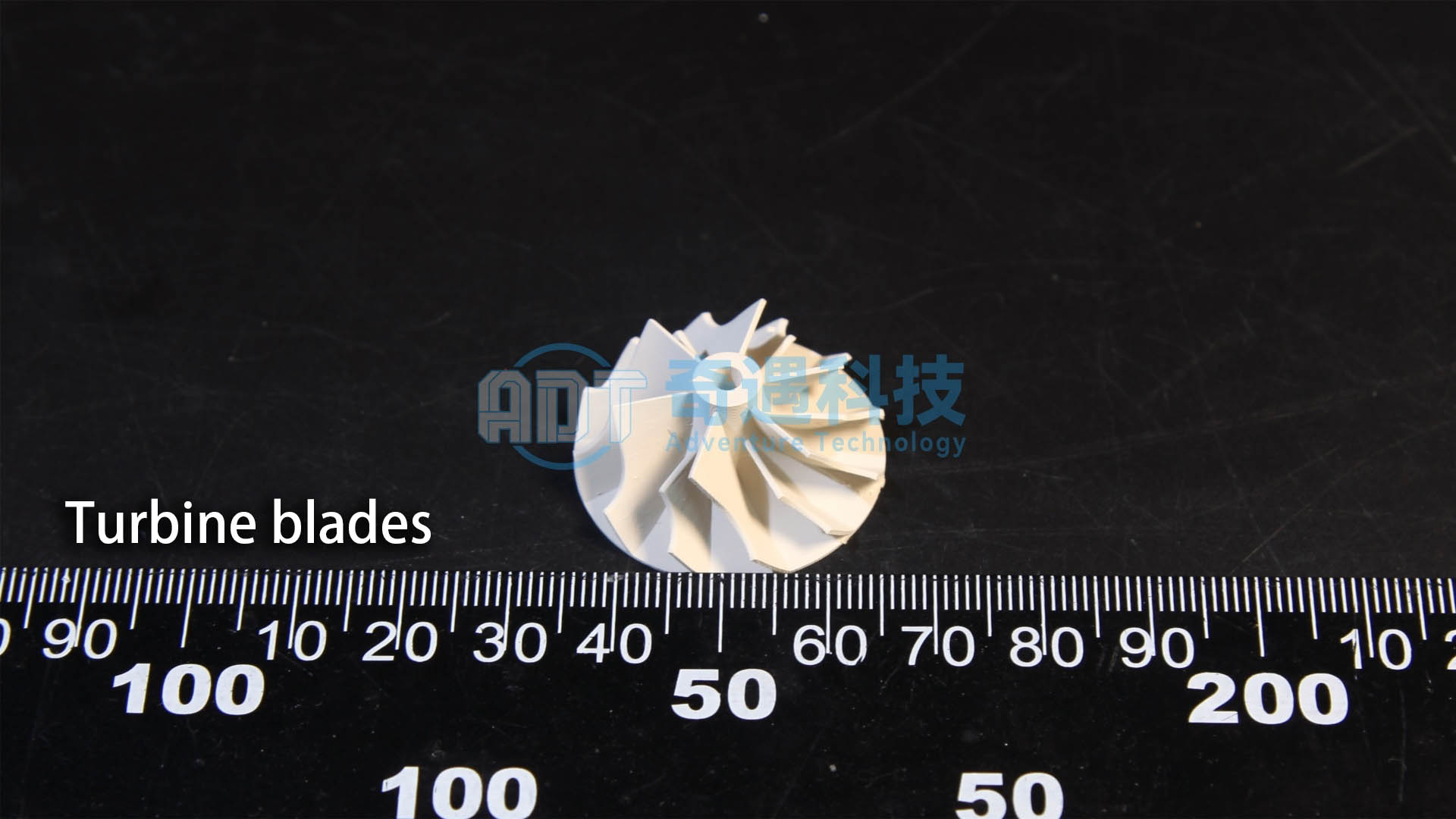
Industrial Applications
Non-oxide ceramics such as silicon carbide (SiC) and silicon nitride (Si₃N₄) are widely used in industrial applications requiring high temperature resistance, wear resistance, and thermal stability. They are commonly applied in aerospace components, semiconductor equipment, heat exchangers, and mechanical parts, helping improve durability and operational efficiency in harsh environments.
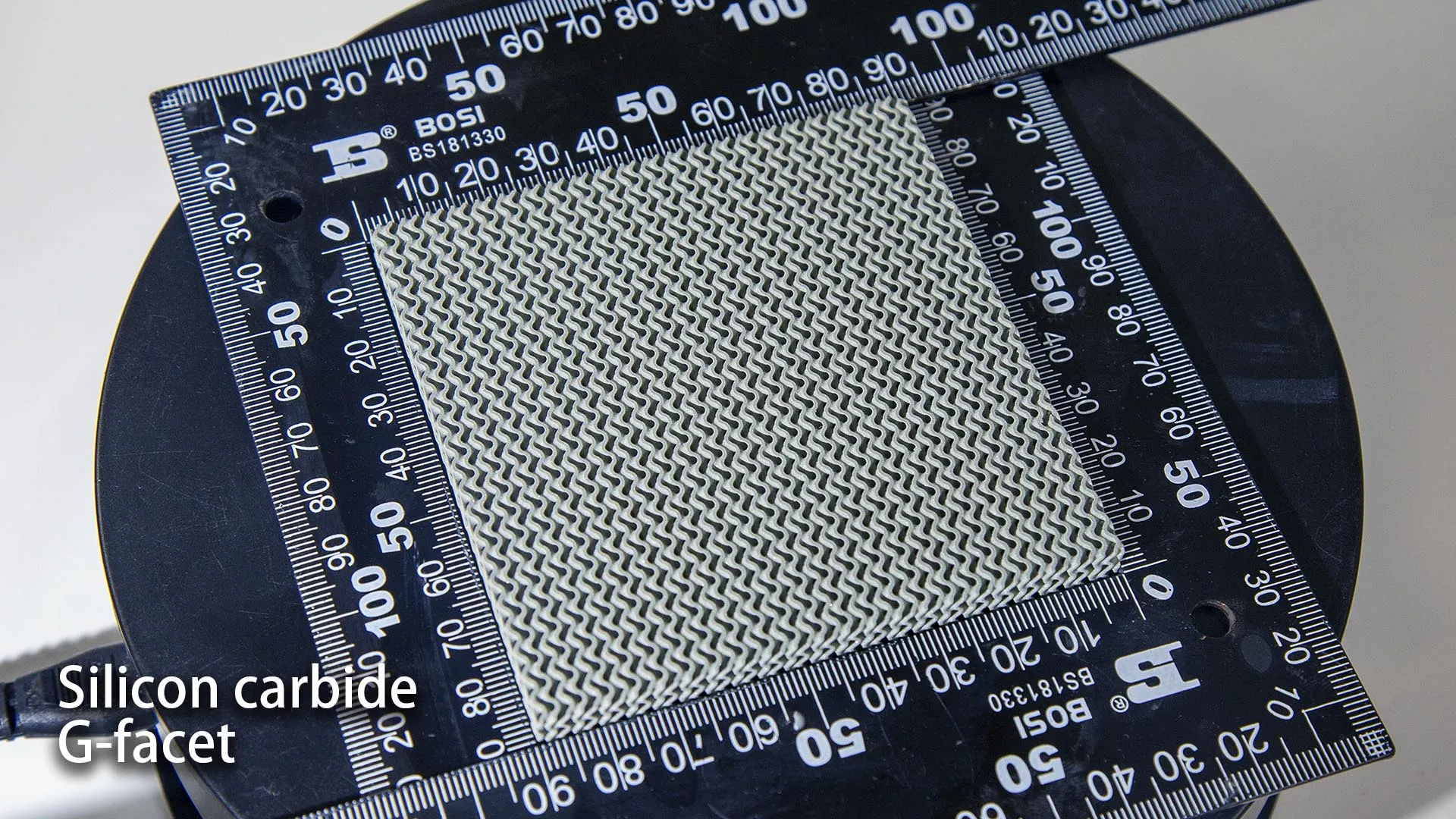
University Research
In research and laboratory settings, non-oxide ceramics are used to study high-temperature materials, microstructure control, and advanced manufacturing processes such as ceramic 3D printing. Materials like SiC and Si₃N₄ are key to developing next-generation structural ceramics and exploring performance under extreme conditions.
Material parameters
Silicon Carbide (SiC)Ceramic Slurry
| Material Model | ADT-SiC-TH01-A |
|---|---|
| Powder | |
| Purity (%) | ≥ 99 |
| Slurry | |
| Solid Content (vol%) | 47 |
| Solid Content (wt%) | 72 |
| Viscosity (50 s⁻¹) (Pa·s)¹ | 3.3 |
| Slurry Density (g/cm³) | 2.09 |
| Shelf Life | 12 Months |
| Sintered Ceramics | |
| Sintering Temperature (°C) | 1500 |
| Theoretical Density (g/cm³) | 3.22 |
| Actual Density (g/cm³) | 2.78 |
| Three-point Bending Strength (MPa)² | 142 |
| Max. Working Temperature (°C) | 1400 |
