
Photosensitive Resin
- 1
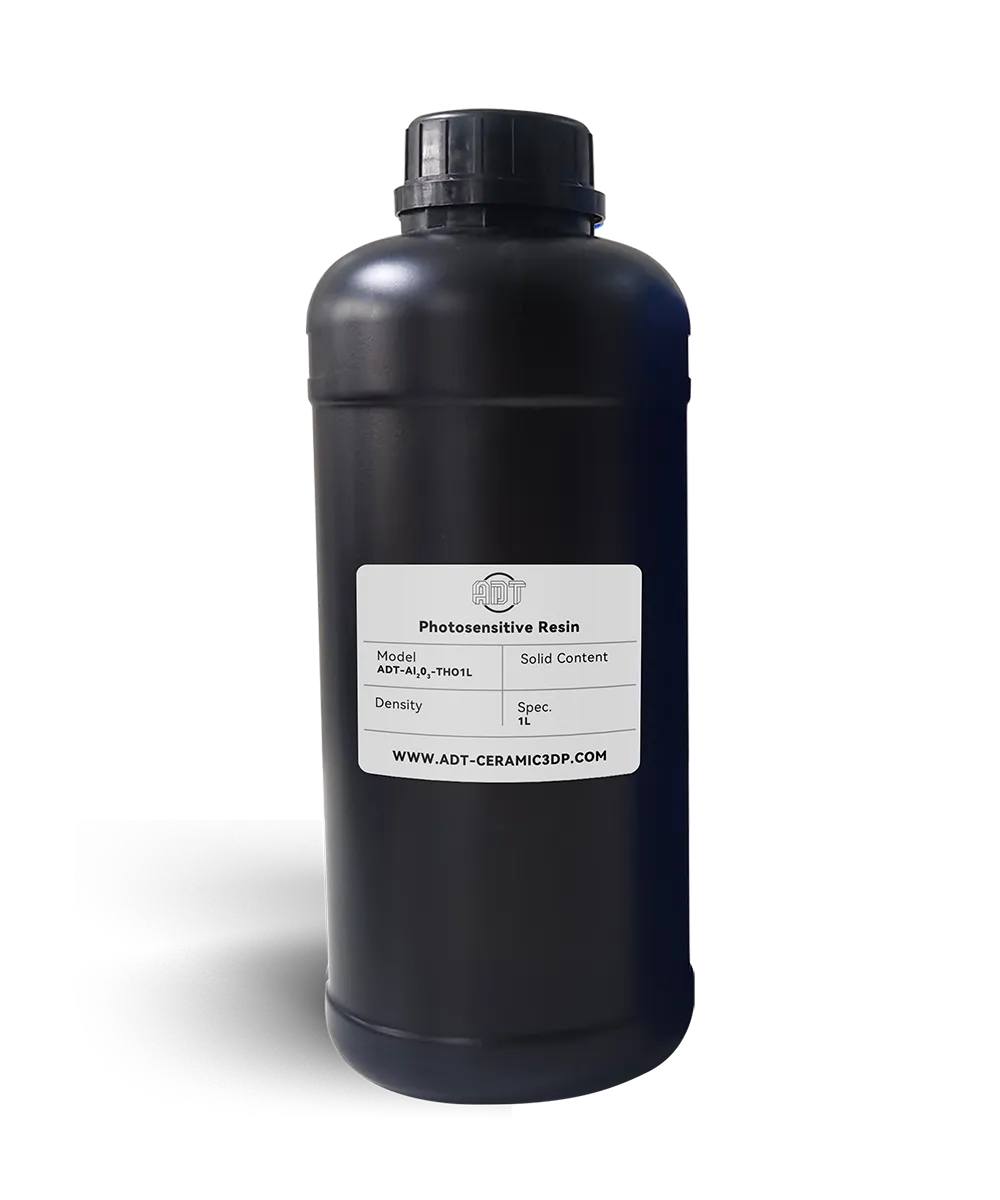
Alumina photosensitive resin
Alumina photosensitive resin is a high-performance ceramic slurry formulated for precision 3D printing of alumina components.
- 2
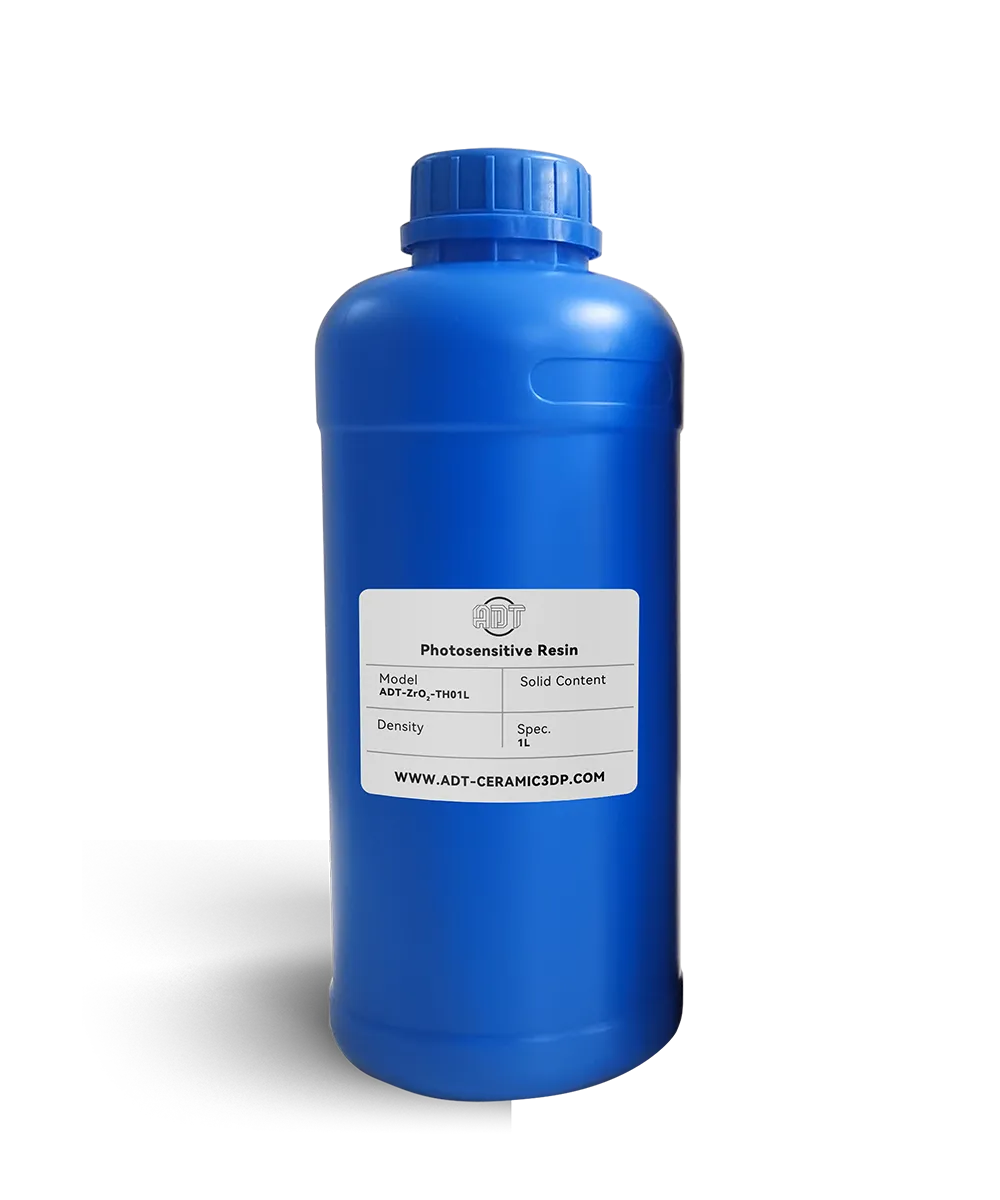
Zirconia photosensitive resin
Zirconia photosensitive resin is a ceramic slurry designed for high-precision additive manufacturing of zirconia components.
What Are Photosensitive resins?
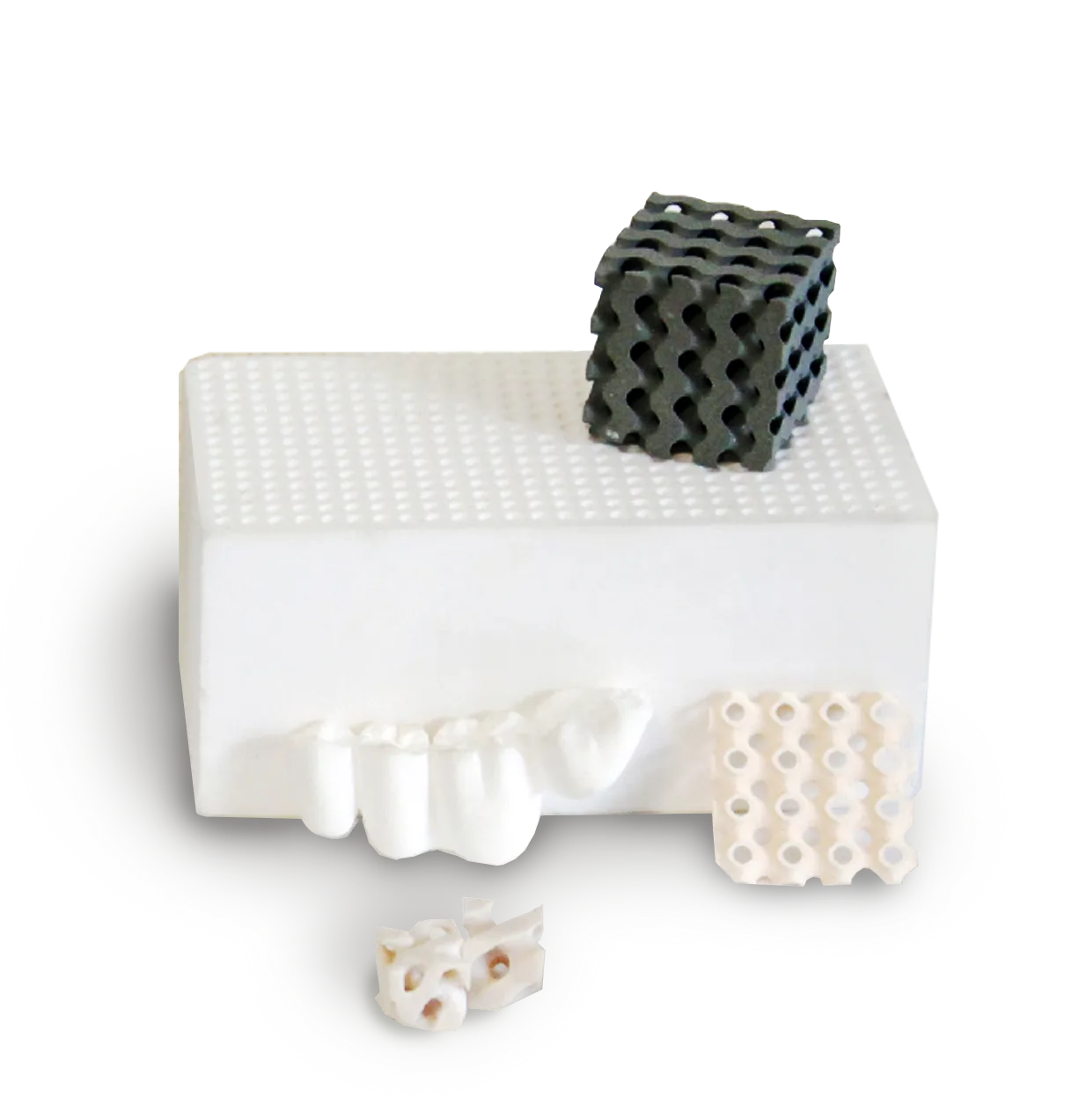
Photosensitive resins for ceramic 3D printing are functional composite materials specifically developed for ceramic additive manufacturing. They consist of finely dispersed ceramic particles combined with photosensitive polymers, forming a slurry system suitable for high-precision printing processes such as DLP and SLA.
During printing, the material is selectively cured layer by layer using ultraviolet (UV) light to form the desired geometry. The printed green body then undergoes debinding and high-temperature sintering to remove organic components and achieve dense, fully ceramic parts. This technology enables the fabrication of complex structures with high resolution and excellent surface quality.
Product Introductionn
Alumina photosensitive resin
Alumina photosensitive resin combines high-purity alumina powders with a UV-curable resin system, offering stable dispersion, optimized viscosity, and reliable curing behavior. The material is designed to achieve high density and excellent dimensional accuracy after sintering, making it suitable for advanced engineering applications.
Applications:
Electronic substrates and insulating components.
Industrial wear-resistant parts.
High-temperature structural components.
Precision engineering parts.
Ceramic 3D printed prototypes and functional parts.
Zirconia Photosensitive Resin
Zirconia Photosensitive Resin formulation ensures stable rheological properties and consistent curing performance, enabling the fabrication of complex geometries with good surface finish. After sintering, the material provides high strength and reliable mechanical performance for demanding applications.
Applications:
Structural ceramic components.
Wear-resistant and mechanical parts.
Dental and precision components (R&D use).
Advanced engineering prototypes.
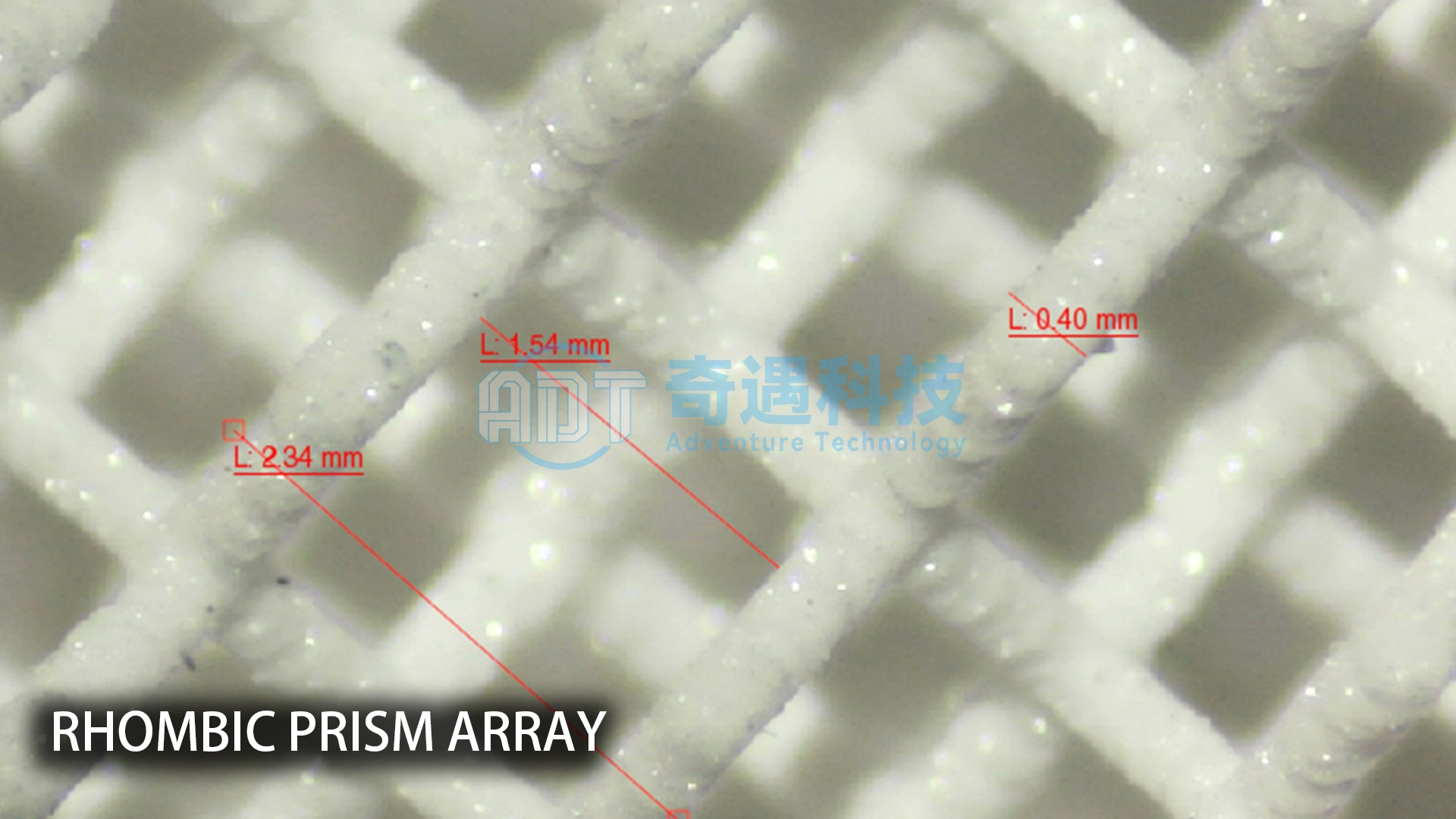
Printing Case
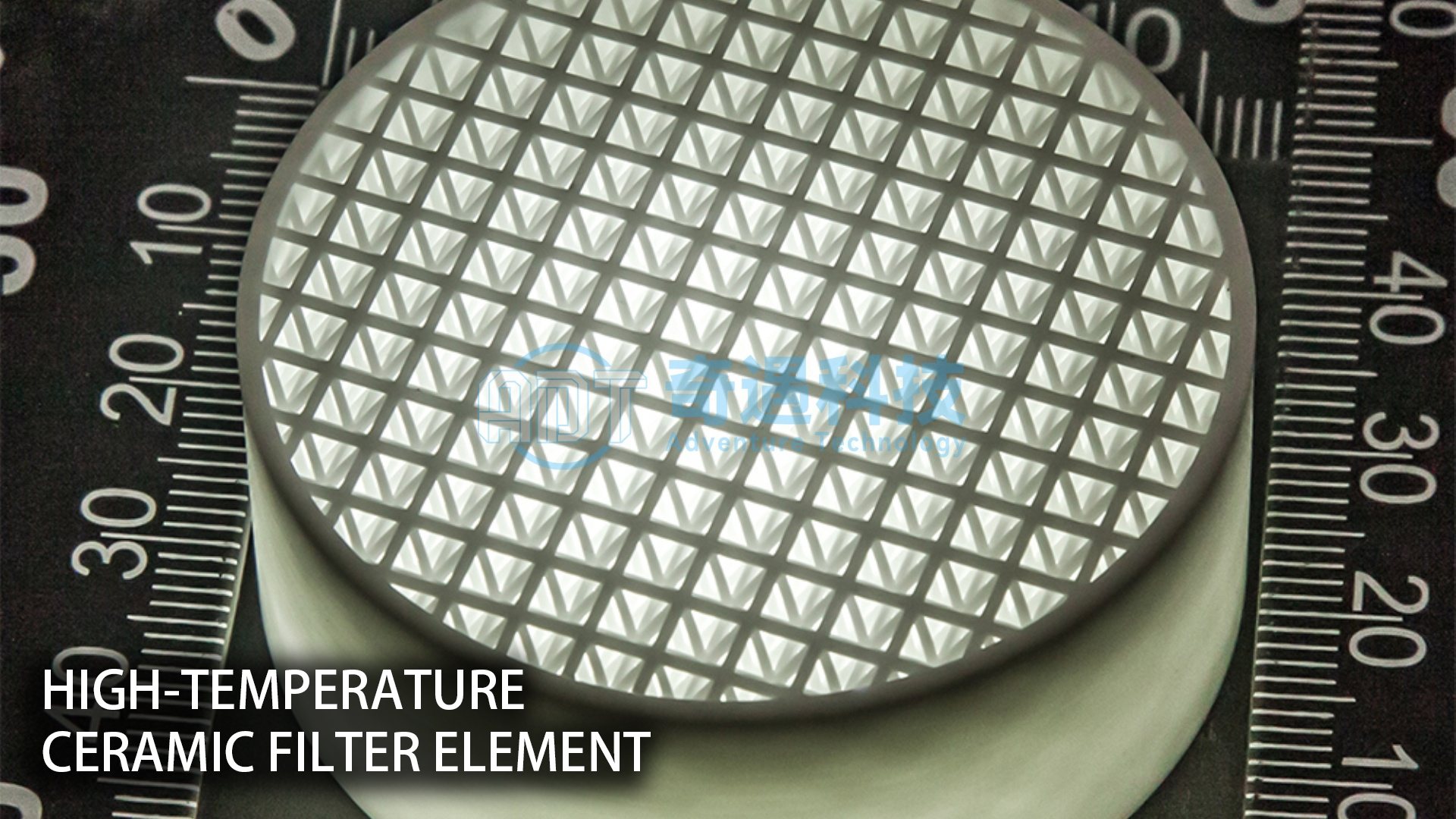
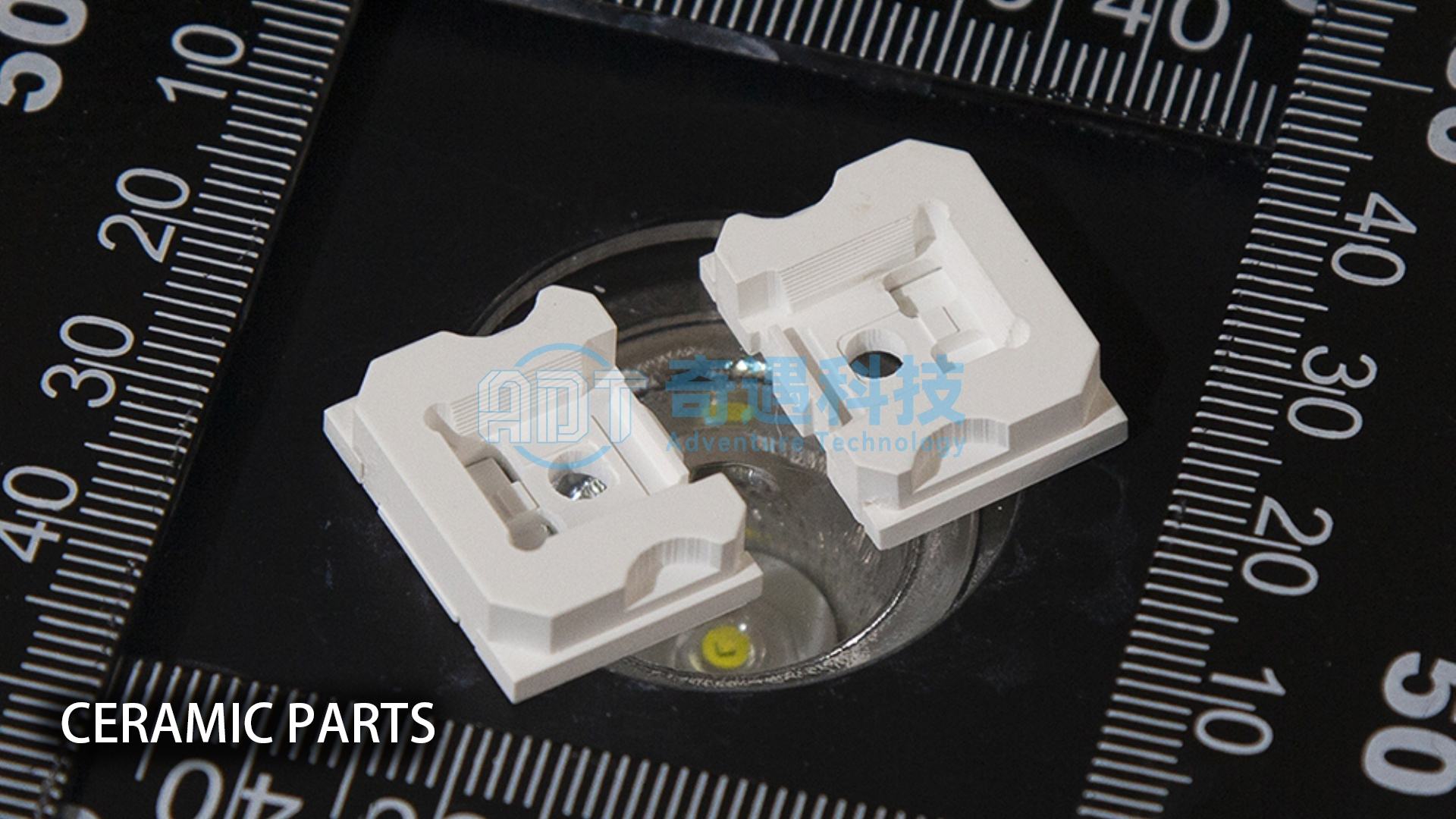
Industrial Applications
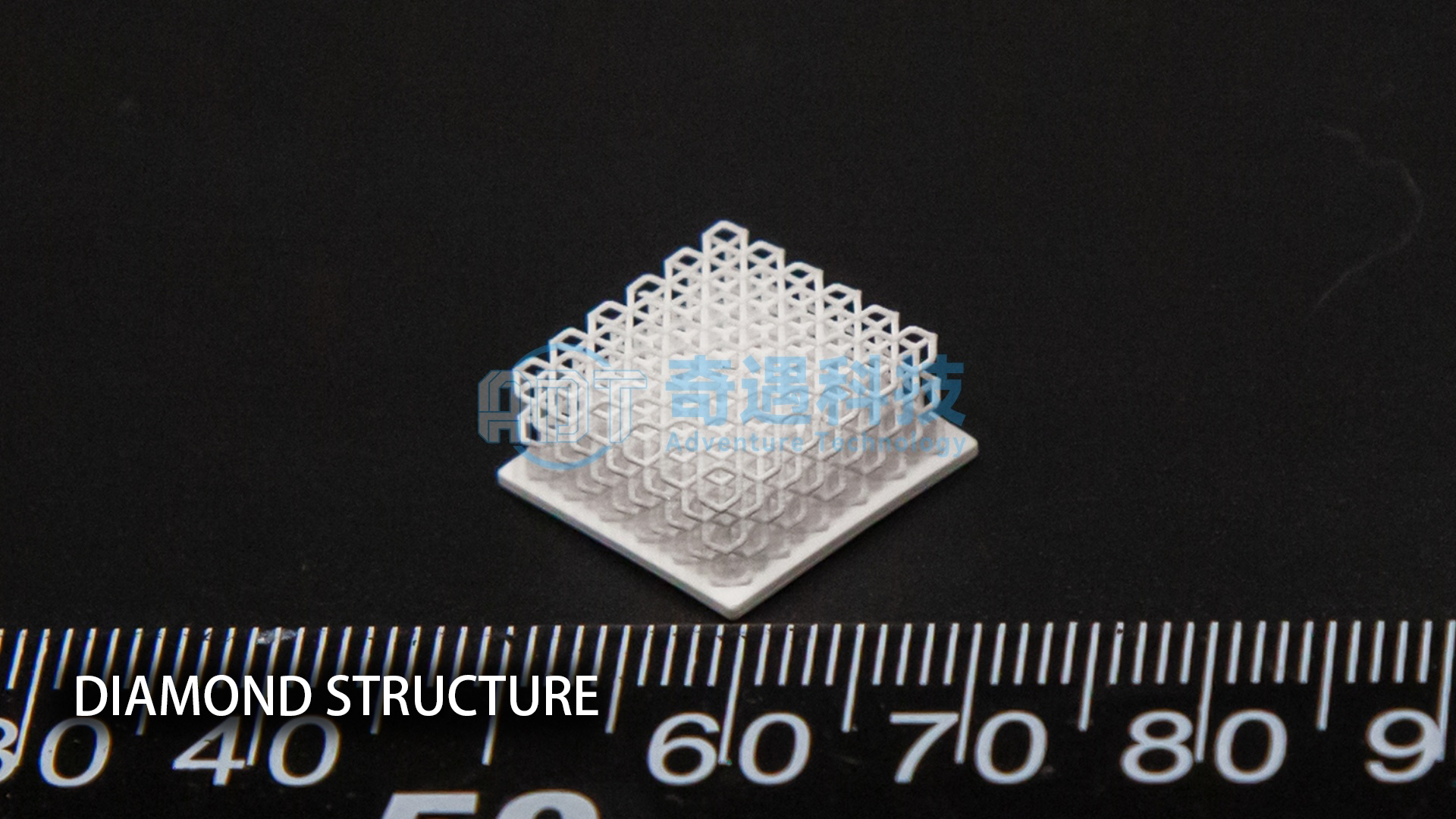
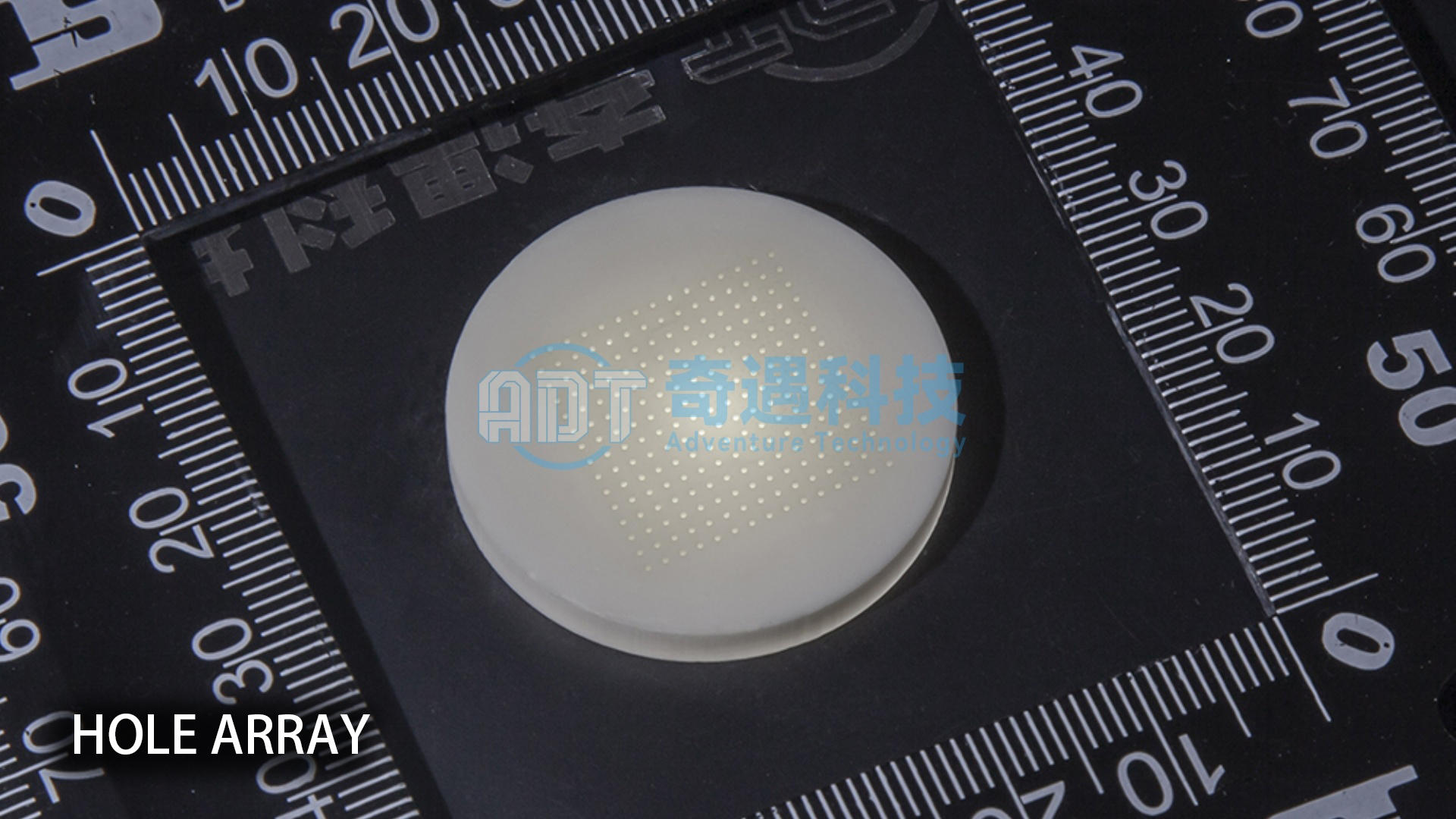
Ceramic 3D printing technology can be utilized to fabricate high-precision molds and components; serving as a complement to traditional techniques, it helps reduce waste in conventional manufacturing processes and shortens product development cycles.
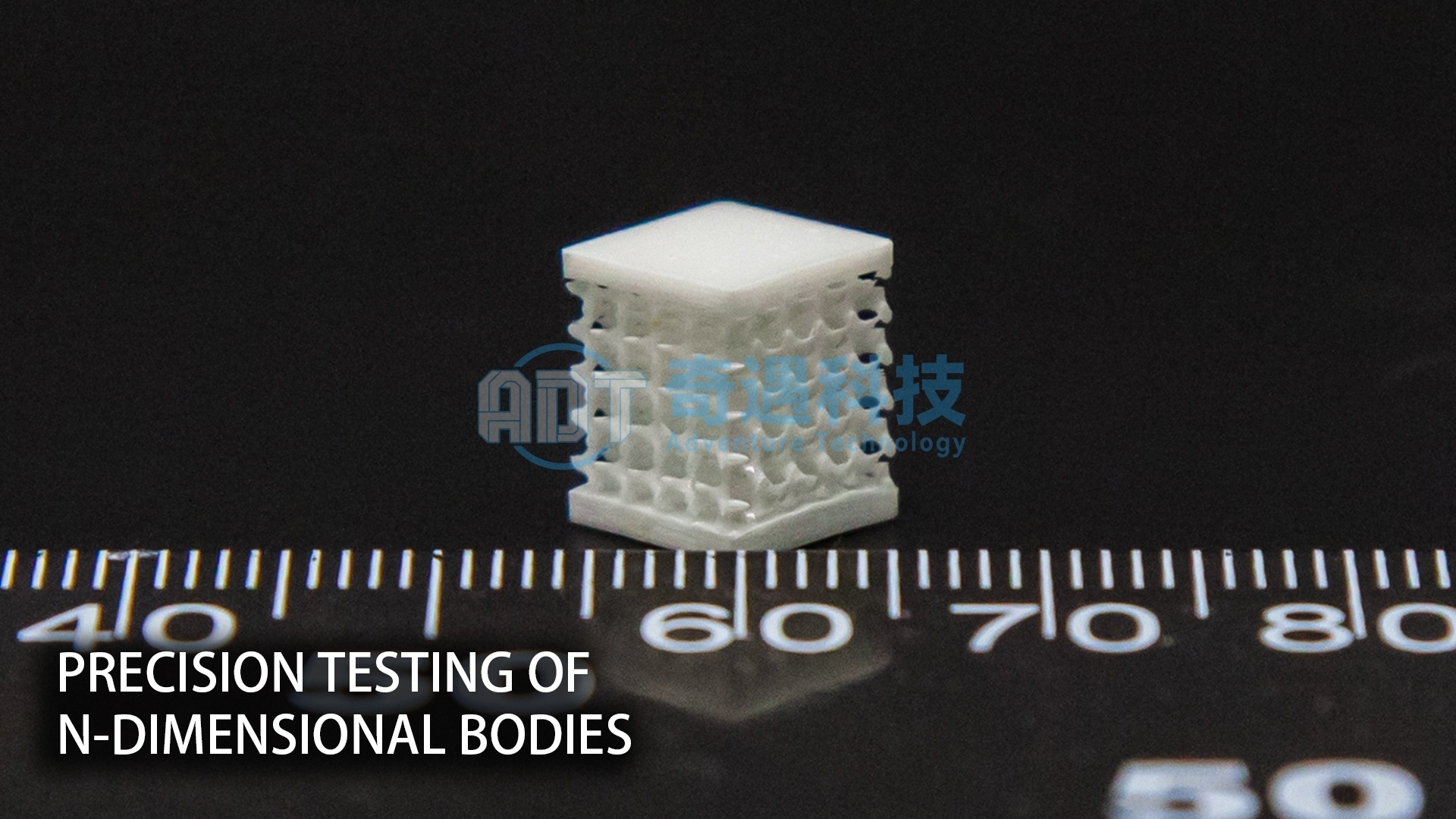
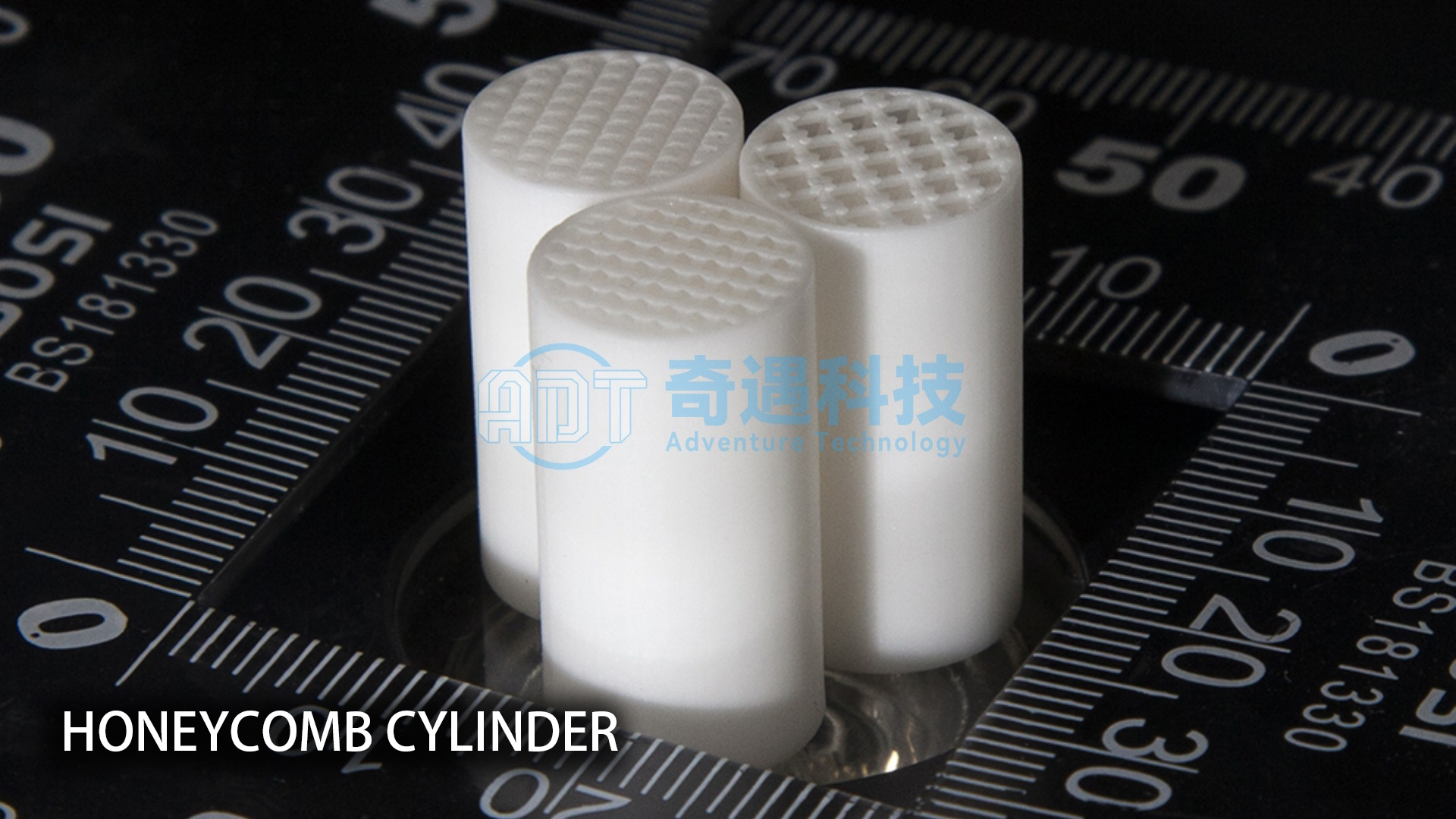
Research Applications
The application of ceramic 3D printing in the field of scientific research is continuously expanding. In university research settings, it enables the rapid validation of materials and structures, thereby facilitating scientific inquiry. To date, ADT Technology has partnered with over 100 universities and research institutions both domestically and internationally.
