
9 Advanced Ceramic Materials for DLP-Based 3D Printing and Their Applications
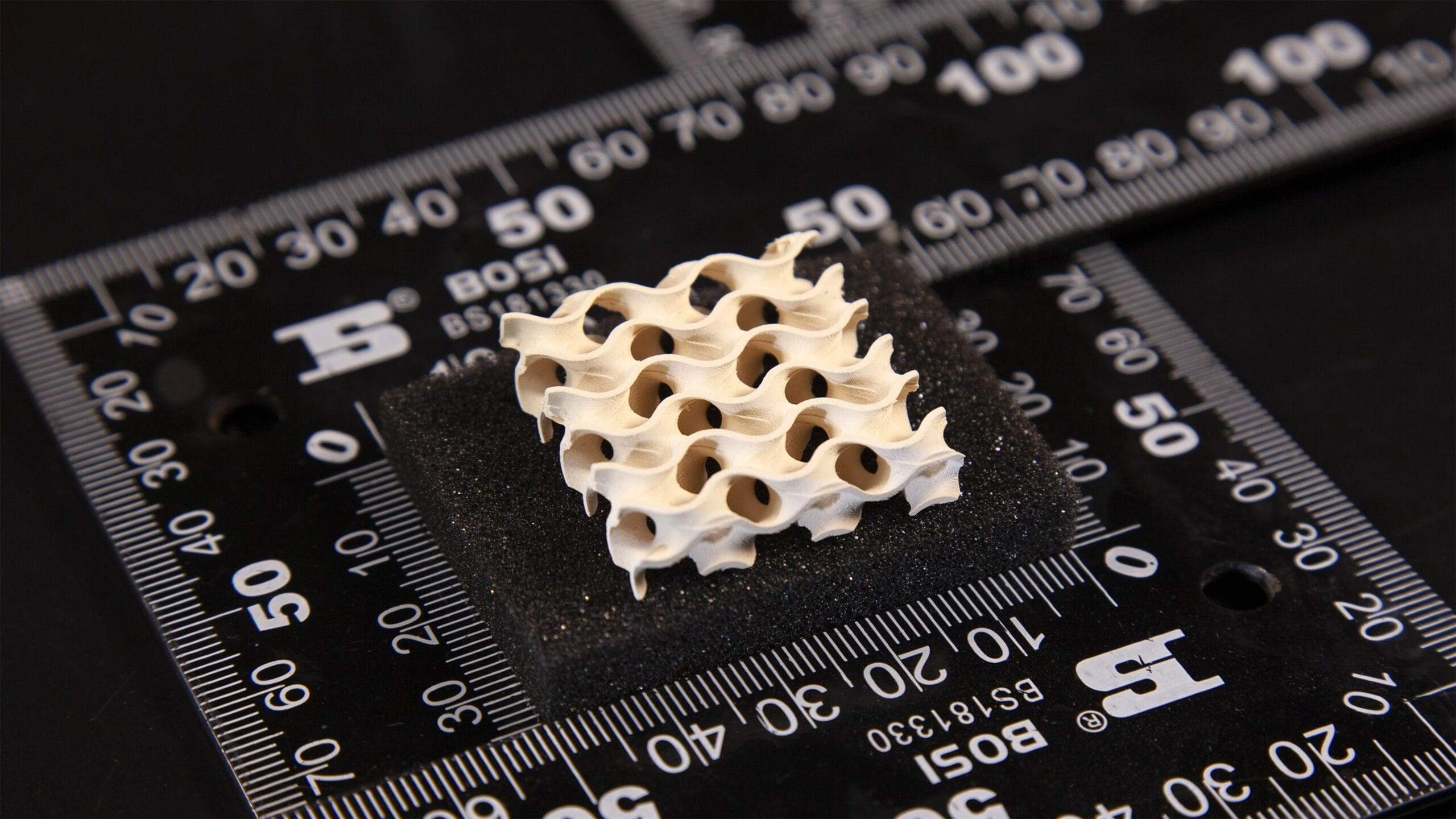
In modern materials processing, manufacturing freeform shapes of high-performance ceramics has long been limited by traditional forming methods. Recently, digital light processing (DLP)-based photosensitive ceramic 3D printing platforms have emerged as a key technology to overcome these limitations, offering sub-100-micron precision, layer-wise controllable architectures, and compatibility with various inorganic material systems.
Particularly in research, this technique simplifies the fabrication of complex microstructured ceramics while preserving densification, anisotropic properties, and multi-scale topology control. This enables integrated research paradigms from materials design to structure-performance tuning in functional ceramics.
This article systematically reviews nine experimentally validated advanced ceramic materials that can be stably printed and sintered to engineering-grade properties. These include oxides, carbides, nitrides, piezoelectric, and bioactive systems, along with their crystal structures, physical properties, and potential integration scenarios, serving as a reference for materials science, microsystems engineering, and bioceramics researchers.
1. Alumina (Al₂O₃)
Material Properties
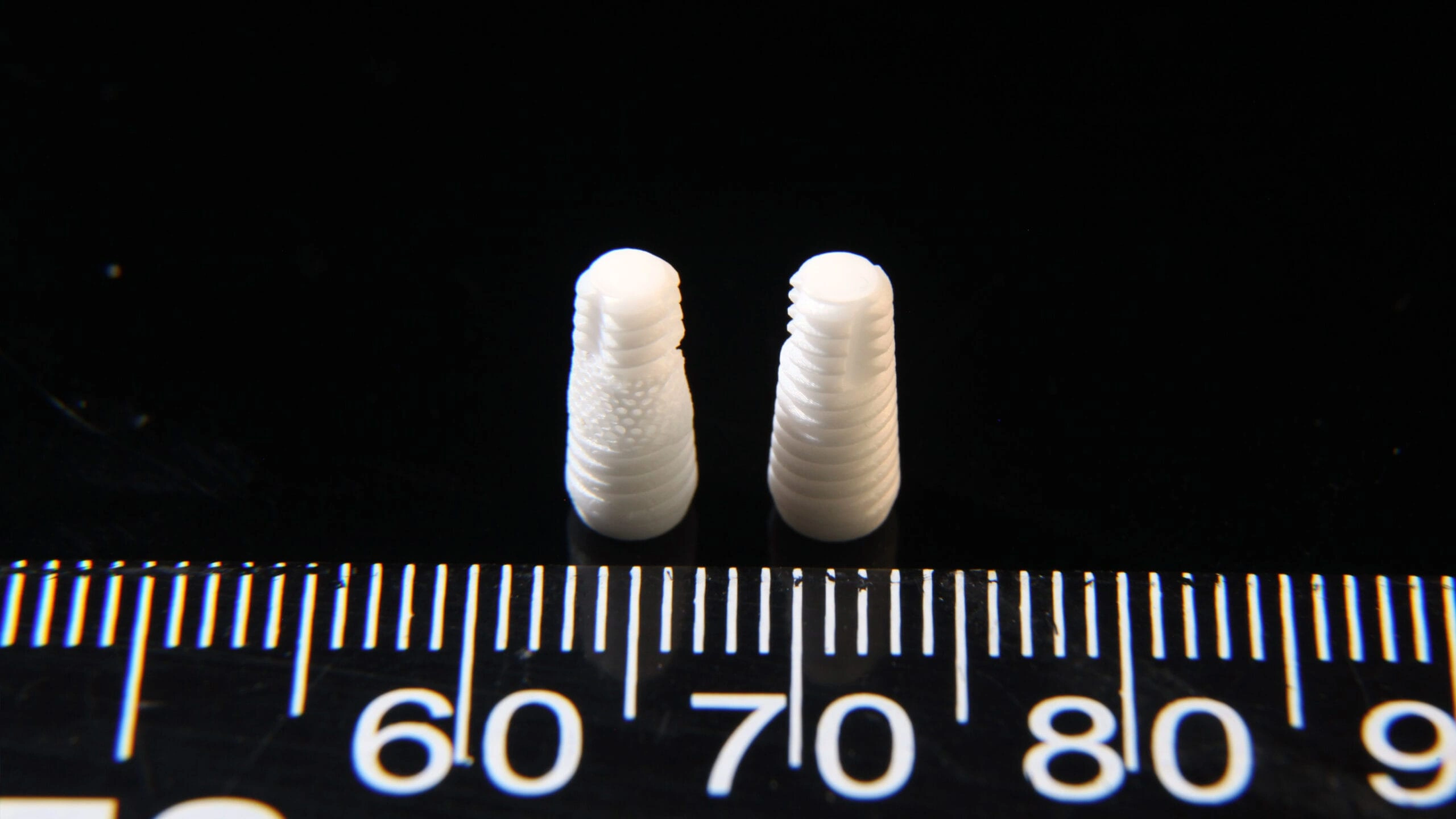
Alumina is a prototypical structural ceramic with a trigonal corundum crystal structure. It features high hardness (>15 GPa), excellent dielectric insulation (>10¹⁴ Ω·cm), and superior corrosion resistance.
DLP 3D Printing Advantages and Applications
Using photosensitive ceramic slurries, alumina can be precisely printed into complex internal channels or porous scaffolds, suitable for micro-thermal management, dental restorations, and chip packaging substrates.
2. Zirconia (ZrO₂)
Material Properties
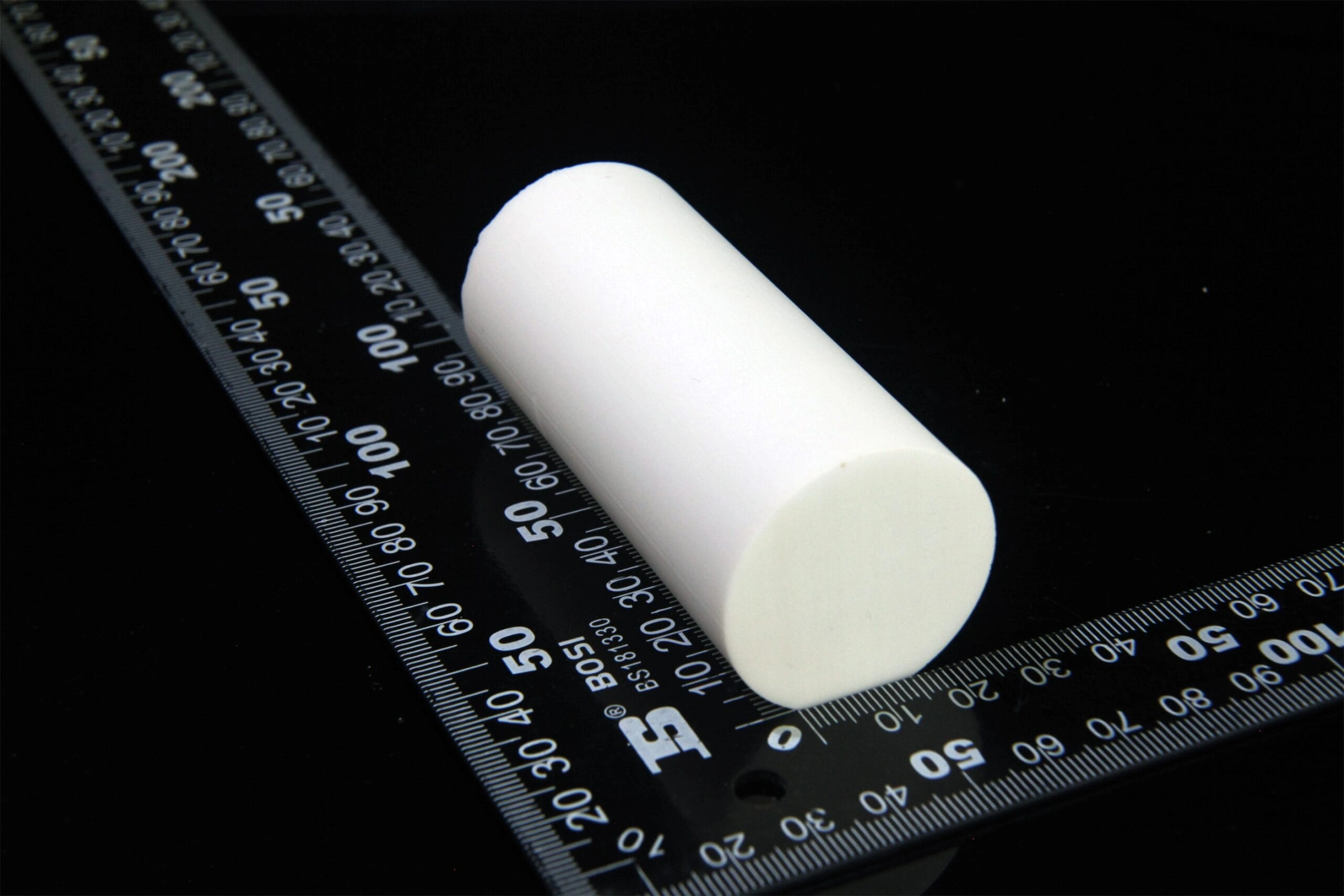
Zirconia is known for its excellent fracture toughness and thermal stability. Its tetragonal and cubic phases are stabilized by dopants like Y₂O₃, enabling transformation toughening.
DLP 3D Printing Advantages and Applications
In ceramic 3D printing, zirconia is commonly used for wear-resistant parts, dental implants, micro-pump bodies, and valve components.
3. Silicon Carbide (SiC)
Material Properties
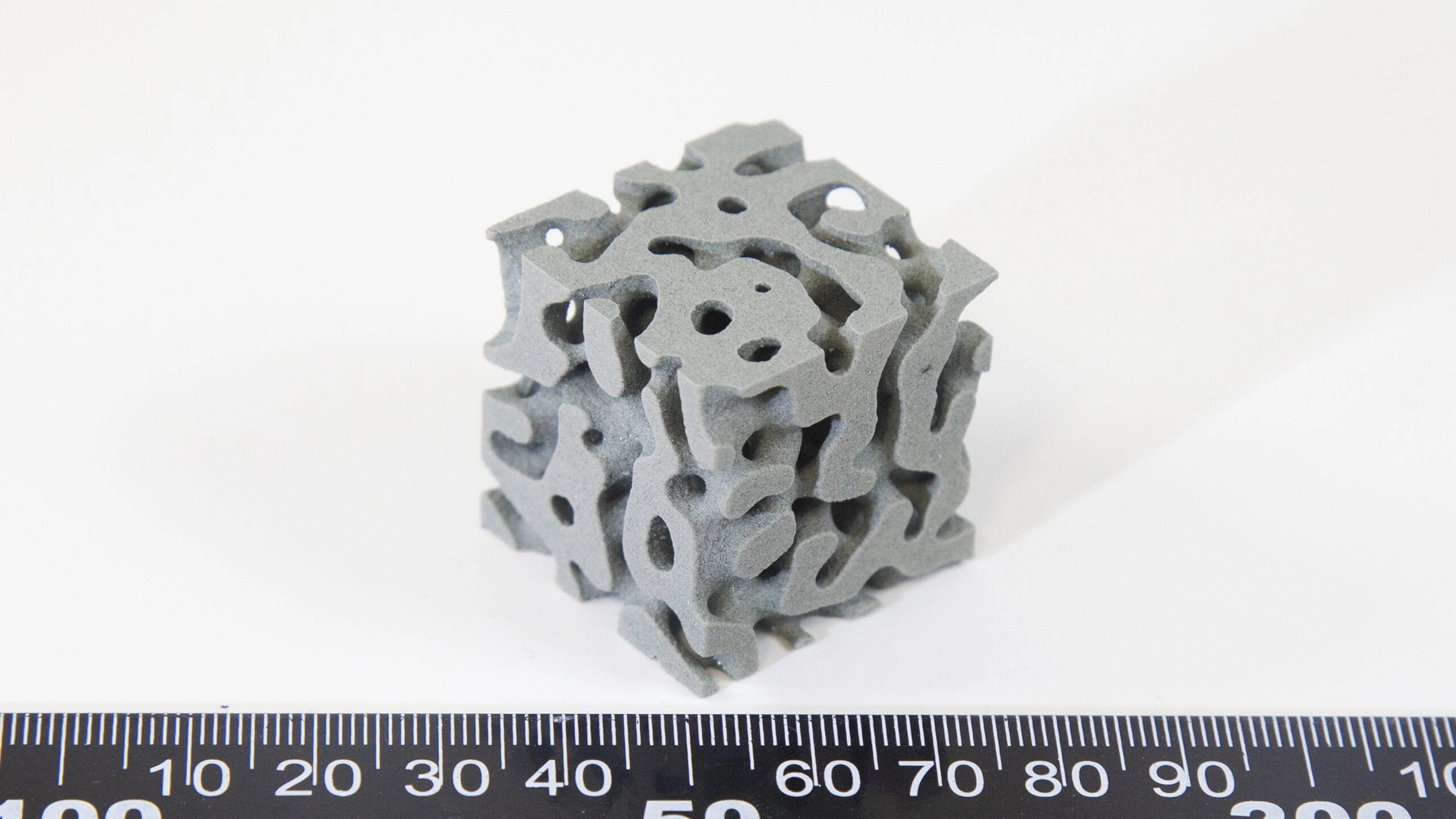
Silicon carbide offers high thermal conductivity (>120 W/m·K) and outstanding chemical resistance, while maintaining light weight and high strength.
DLP 3D Printing Advantages and Applications
SiC structures fabricated via DLP printing are suitable for aerospace nozzles, infrared windows, thermal protection panels, and X-ray lens substrates.
4. Silicon Nitride (Si₃N₄)
Material Properties
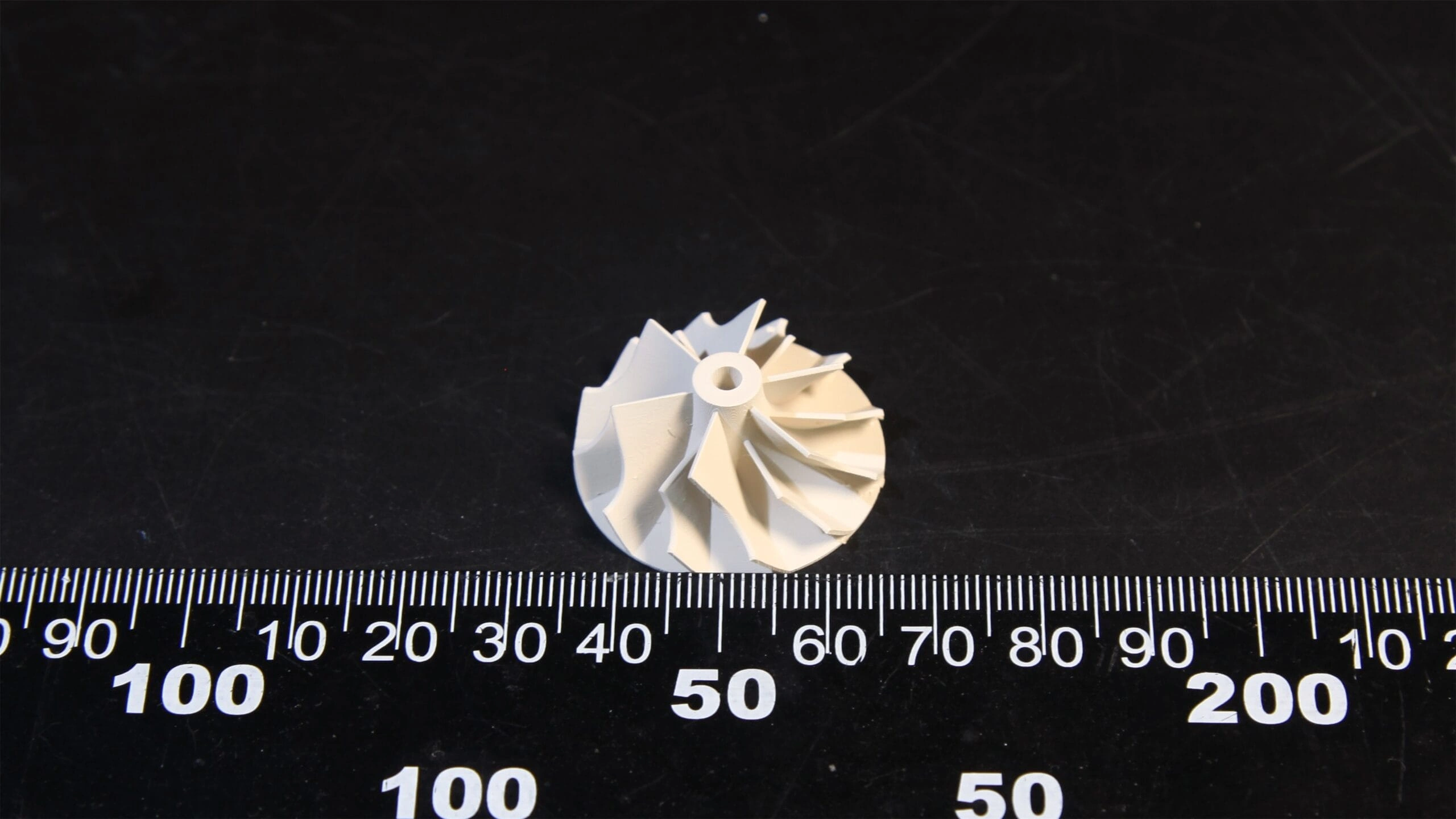
Silicon nitride is a covalently bonded ceramic with high fracture toughness (~6 MPa·m½) and low thermal expansion (~3.2×10⁻⁶/K), capable of long-term service under high thermal stress.
DLP 3D Printing Advantages and Applications
3D printed Si₃N₄ is applied in bearing rolling elements, plasma reaction chambers, and medical instruments.
5. Calcium Silicophosphate (CaSiP)
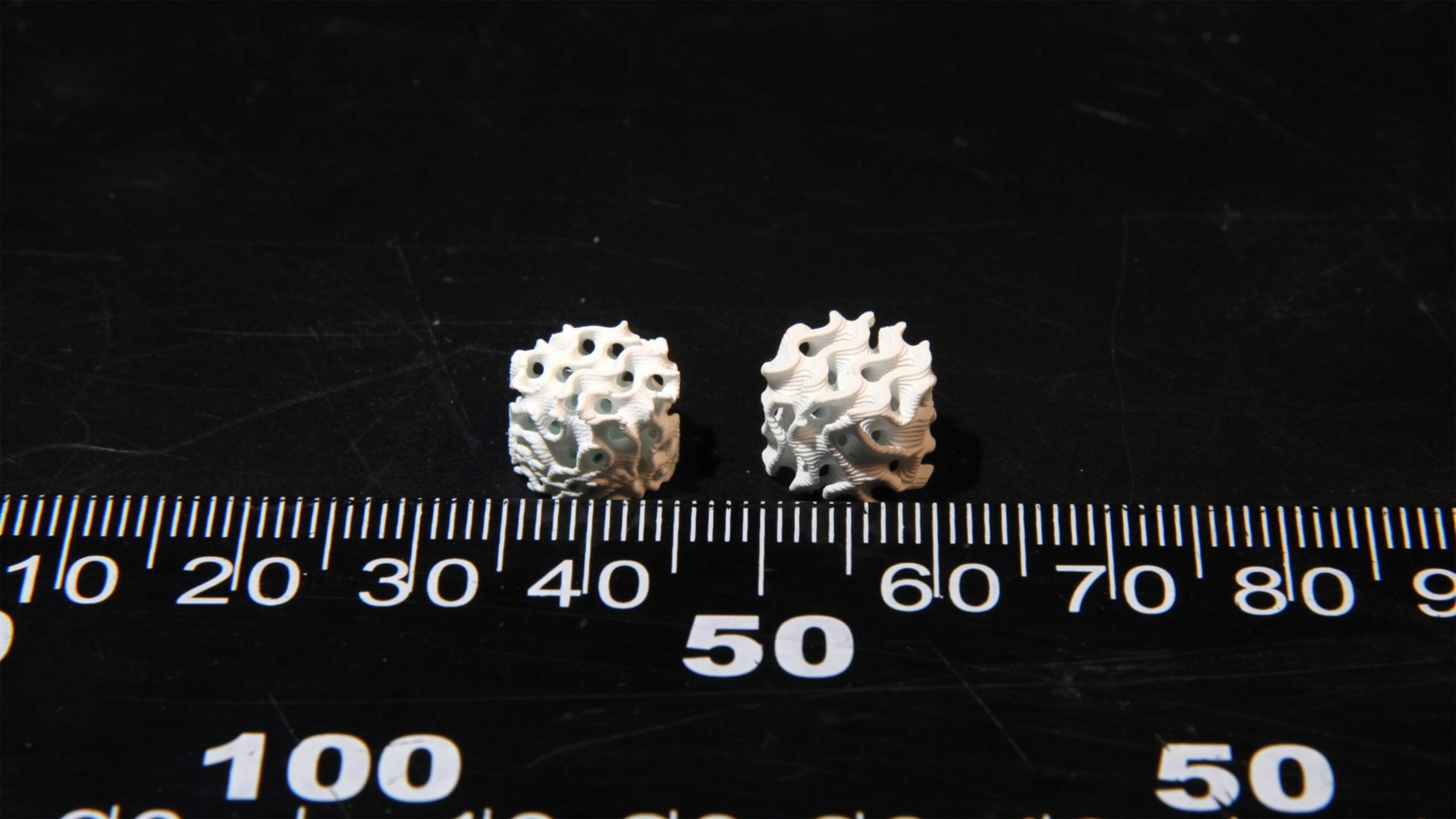
Material Properties
This bioactive ceramic induces bone-like apatite formation in physiological environments, integrating well with natural bone interfaces.
DLP 3D Printing Advantages and Applications
3D printed CaSiP porous scaffolds demonstrate superior performance in bone defect repair and tissue engineering scaffolds.
6. Hydroxyapatite (HA)
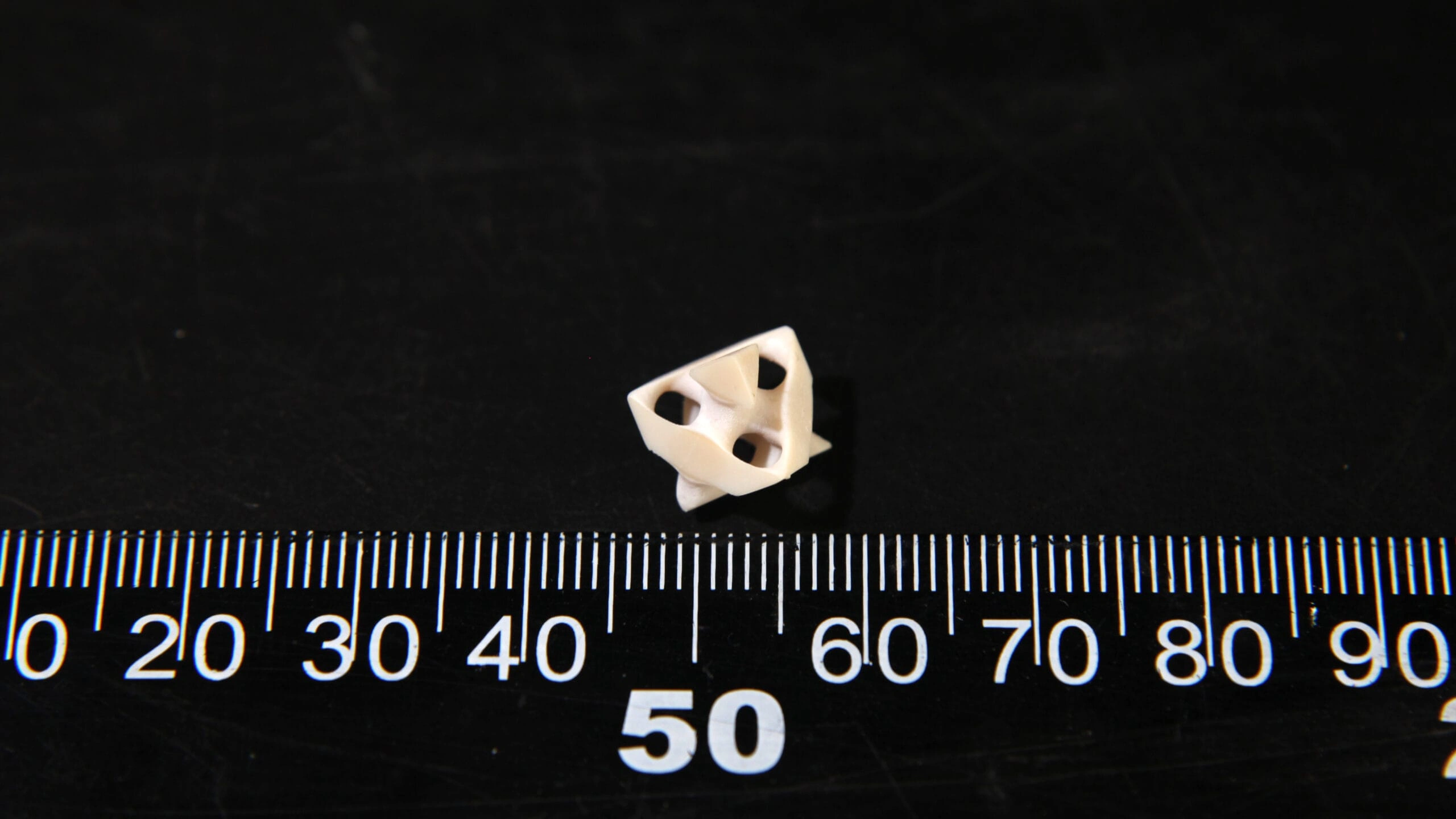
Material Properties
Hydroxyapatite is the primary mineral component of bone, exhibiting excellent biocompatibility.
DLP 3D Printing Advantages and Applications
3D printing enables fabrication of biomimetic porous bone substitutes, widely used in biomedical research, maxillofacial reconstruction, and drug delivery systems.
7. Barium Titanate (BaTiO₃)
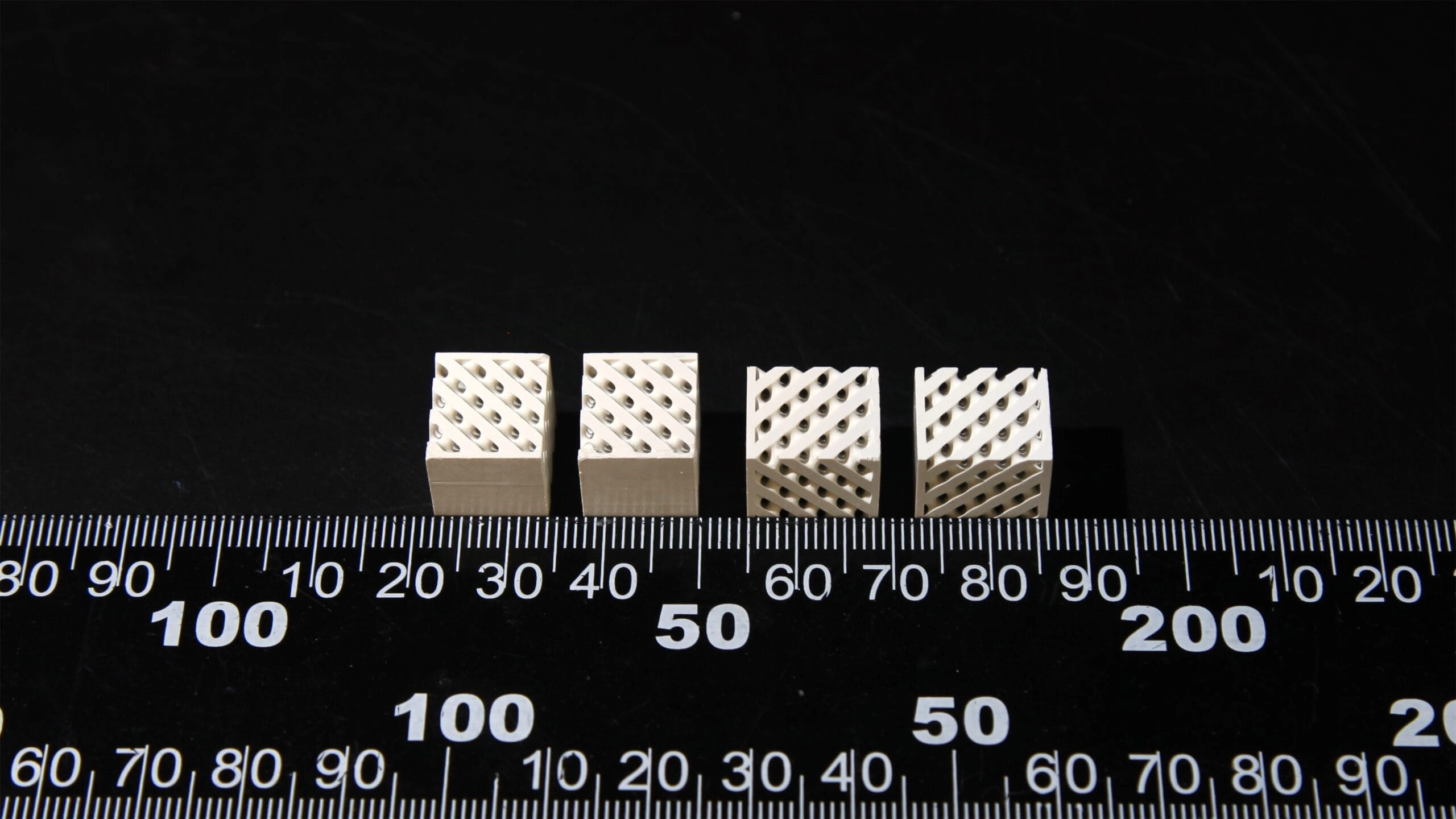
Material Properties
Barium titanate is a typical ferroelectric and piezoelectric ceramic with a Curie temperature around 120°C.
DLP 3D Printing Advantages and Applications
3D printed BaTiO₃ is used in microactuators, flexible acoustic devices, capacitor arrays, and sensor packaging.
8. Potassium Sodium Niobate (KNN)
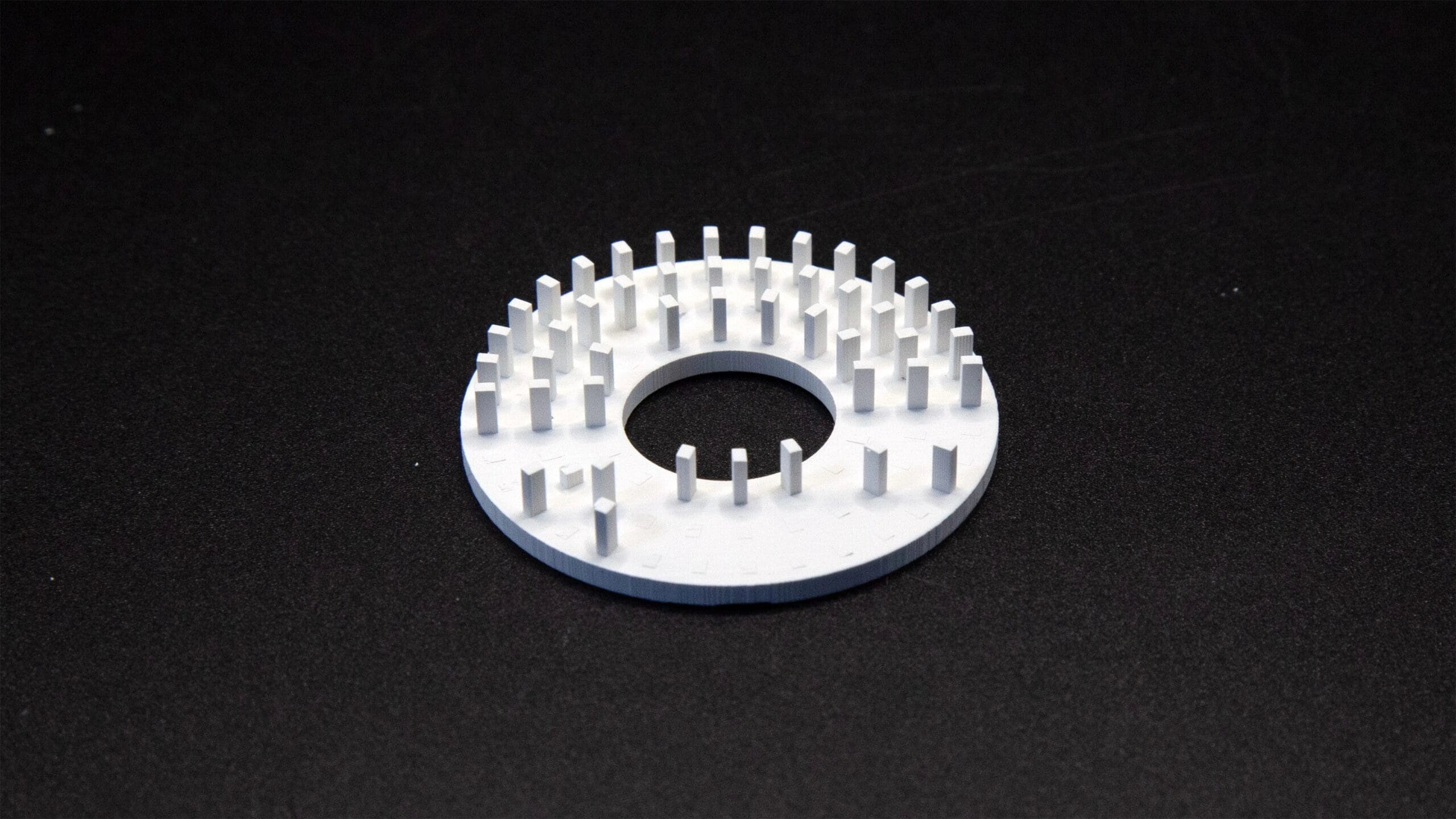
Material Properties
KNN is a lead-free piezoelectric ceramic gaining attention in green electronics.
DLP 3D Printing Advantages and Applications
3D printed KNN forms are explored for flexible electronic skin, ultrasound sensors, and energy harvesting devices.
9. Bismuth Ferrite (BiFeO₃)
Material Properties
Bismuth ferrite is a rare room-temperature multiferroic ceramic combining ferroelectricity, piezoelectricity, and weak magnetism.
DLP 3D Printing Advantages and Applications
It shows promise in spintronics, THz modulators, and magnetoelectric memory devices. Nano-to-meso scale 3D printing of BiFeO₃ is a cutting-edge research focus.
Conclusion
DLP-based advanced ceramic 3D printing, combined with these nine material systems, provides powerful tools for scientific and engineering applications. Each of these ceramic materials represents a convergence of functional performance and advanced manufacturing capability. DLP ceramic 3D printing transforms the way we prototype, study, and deploy ceramics in high-value fields such as biomedical engineering, aerospace, energy harvesting, and microscale systems.
At Adventuretechqy, our platform is designed to support researchers through full-stack solutions—including printable slurries, sintering workflows, and custom equipment configurations. If you are exploring materials for advanced applications or preparing for grant-based prototyping, our team welcomes collaboration.
Learn more about our research-grade systems.