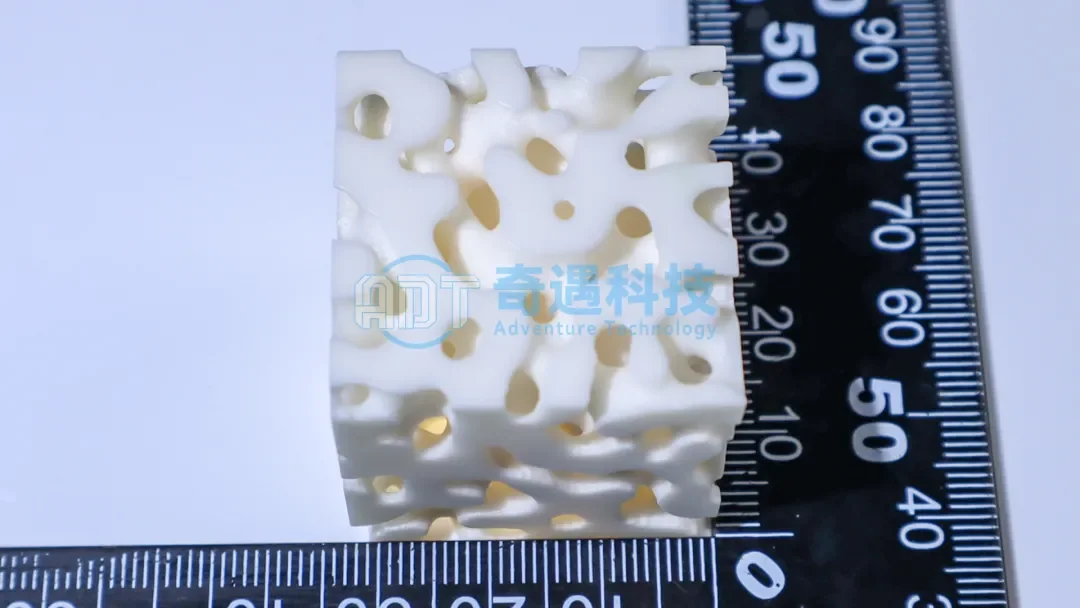
The TPMS (Periodic Minimal Surface) structure of alumina (Al₂O₃) ceramics is widely used in many fields, mainly due to its unique porous properties and excellent material properties. It is often used in scientific research to study the porous properties of materials and their performance optimization in thermal, mechanical, acoustic and other fields. These include heat conduction and heat dissipation, filtration and catalytic reaction studies, biomechanical simulations (e.g., bone tissue engineering), and the development of functional materials (e.g., phononic crystals and energy-absorbing structures).
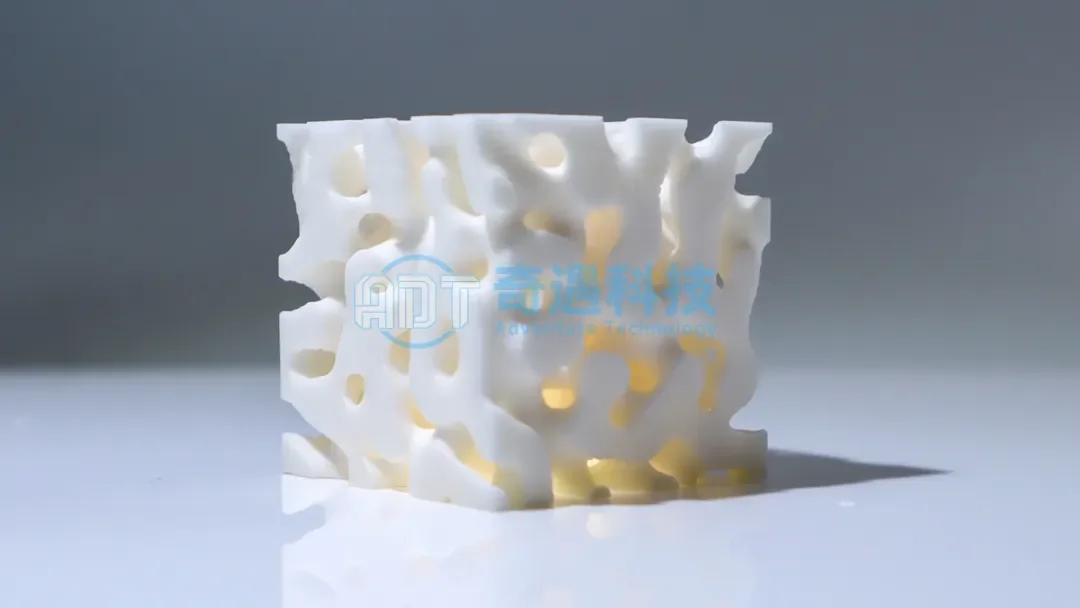
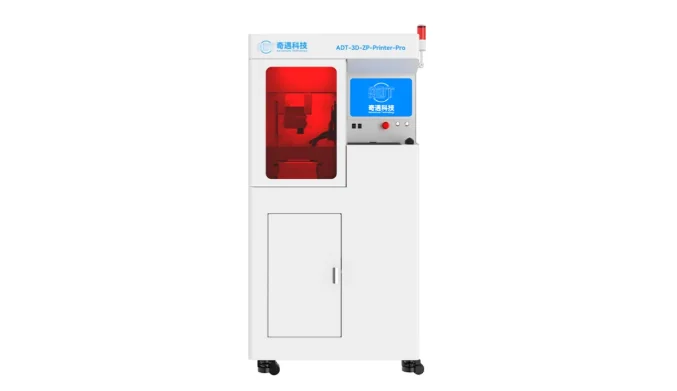
This time, our company uses a self-developed DLP light-curing ceramic 3D printer to print and sinter the alumina TPMS structure. With world-leading speed and precision, we provide complete ceramic 3D printing solutions for users in materials and structural research, aerospace, medical and industrial fields, making them ideal for precision model and part manufacturing. Next, let's take a look at the alumina TPMS structure printing process.
Printing equipment-ADT-3D-ZP-Printer-Pro-144-75
STL model slices
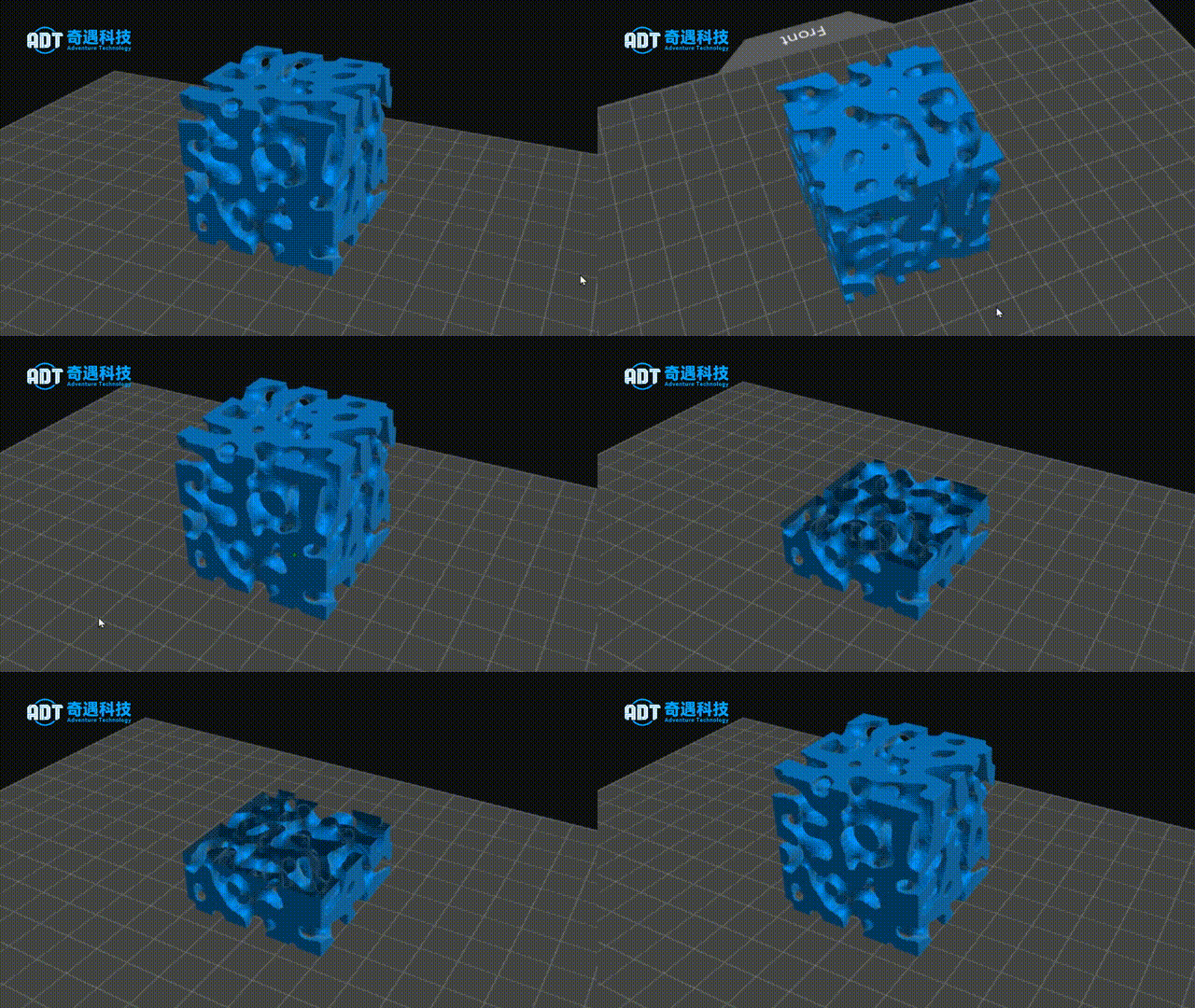
Size:33mm cube TPMS structure
Printing process
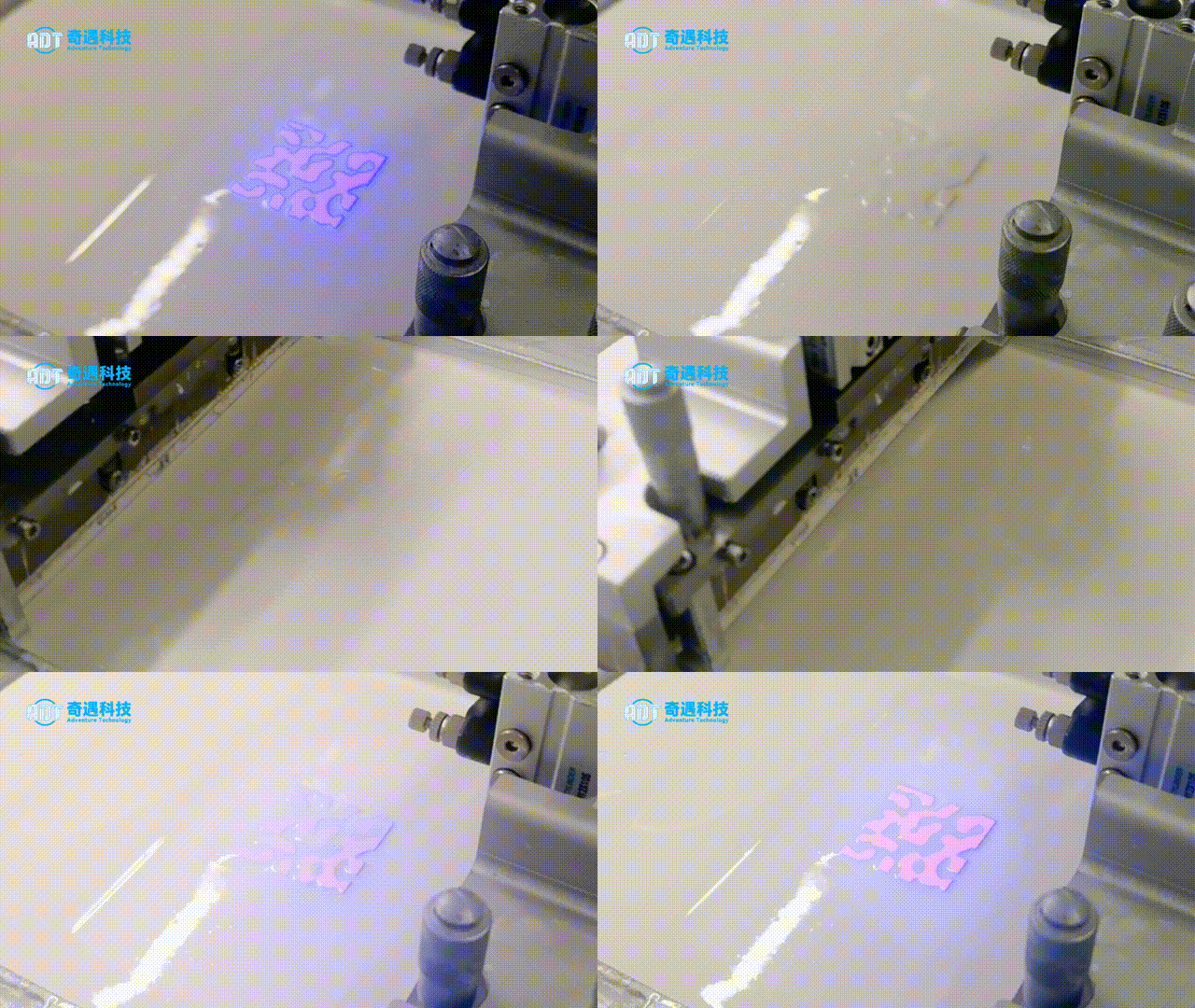
(The light intensity is 45mW/cm2, the layer thickness is 0.05mm, the adjusted exposure time is 1.5s, and the spreading speed is 120mm/s)
Complete the Rollout
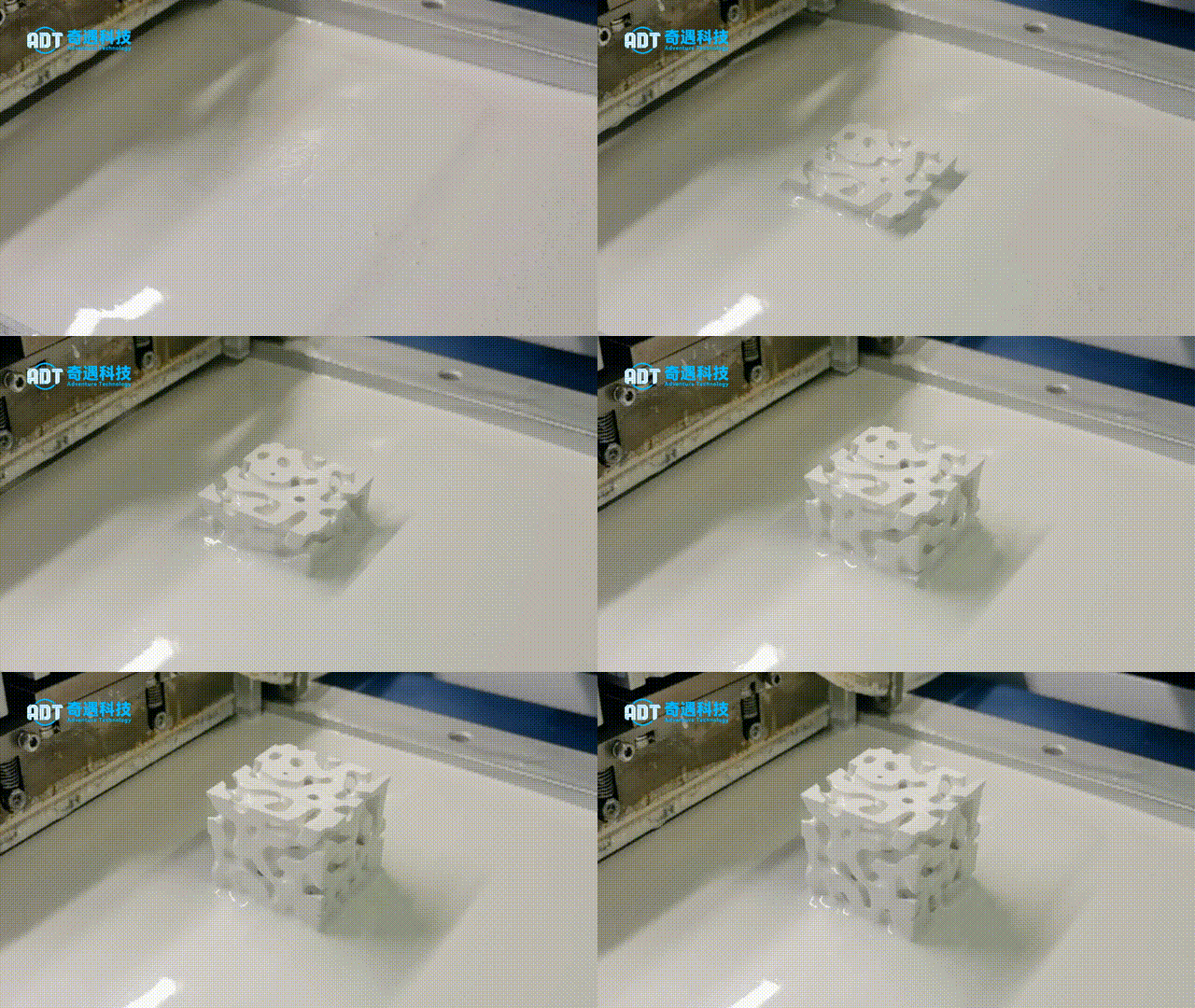
Pickup Process
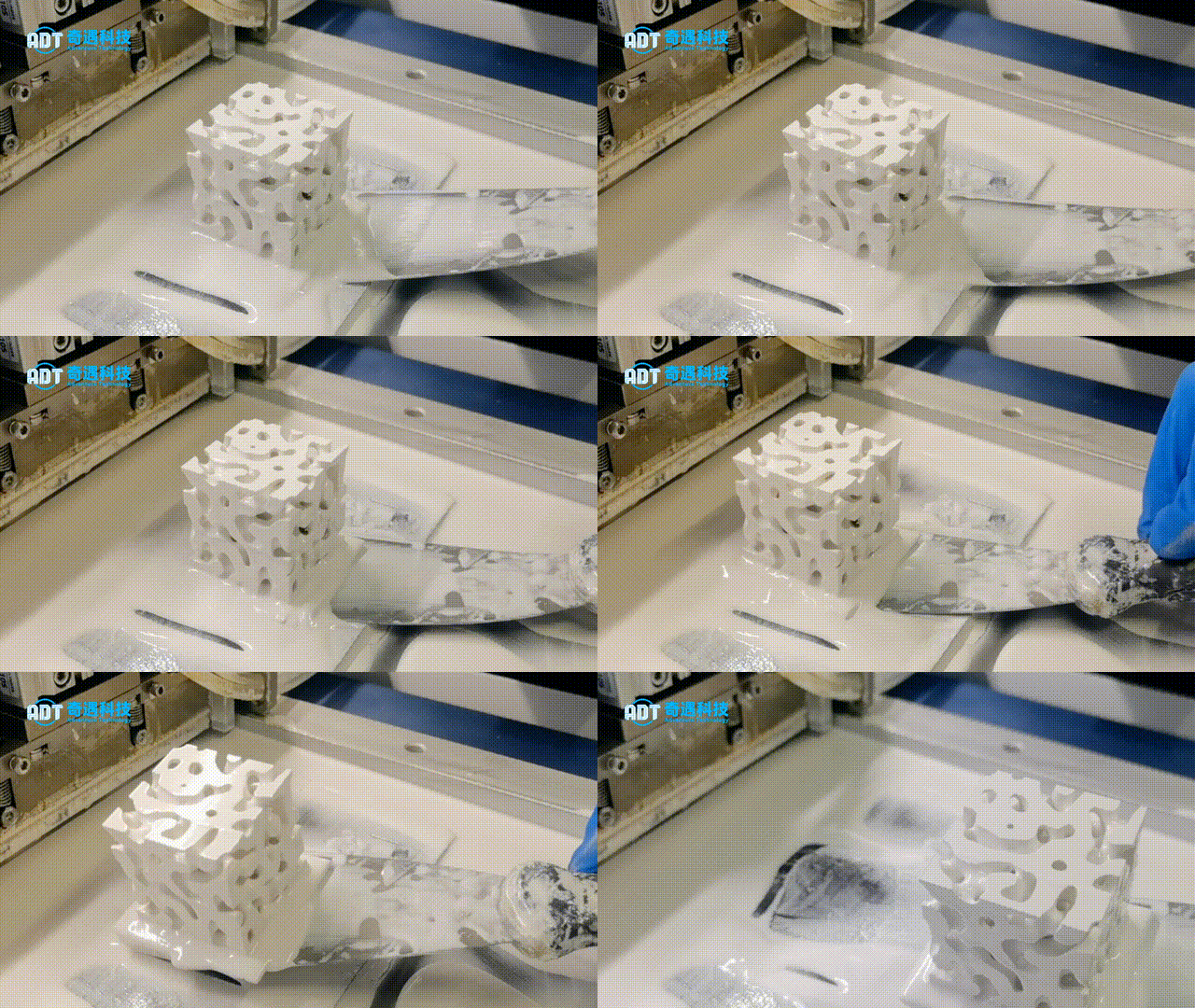
Cleaning Process
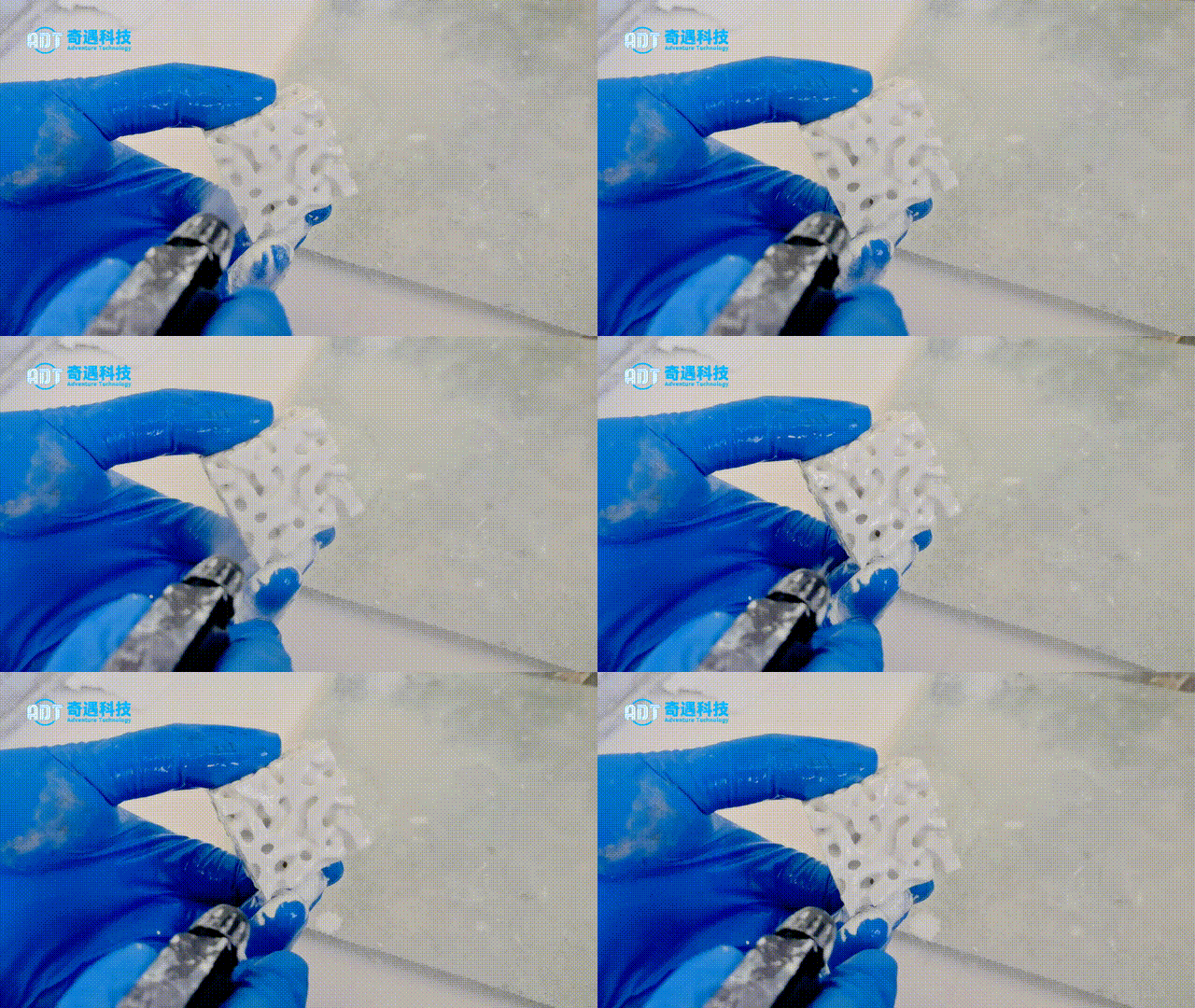
Sintering Process
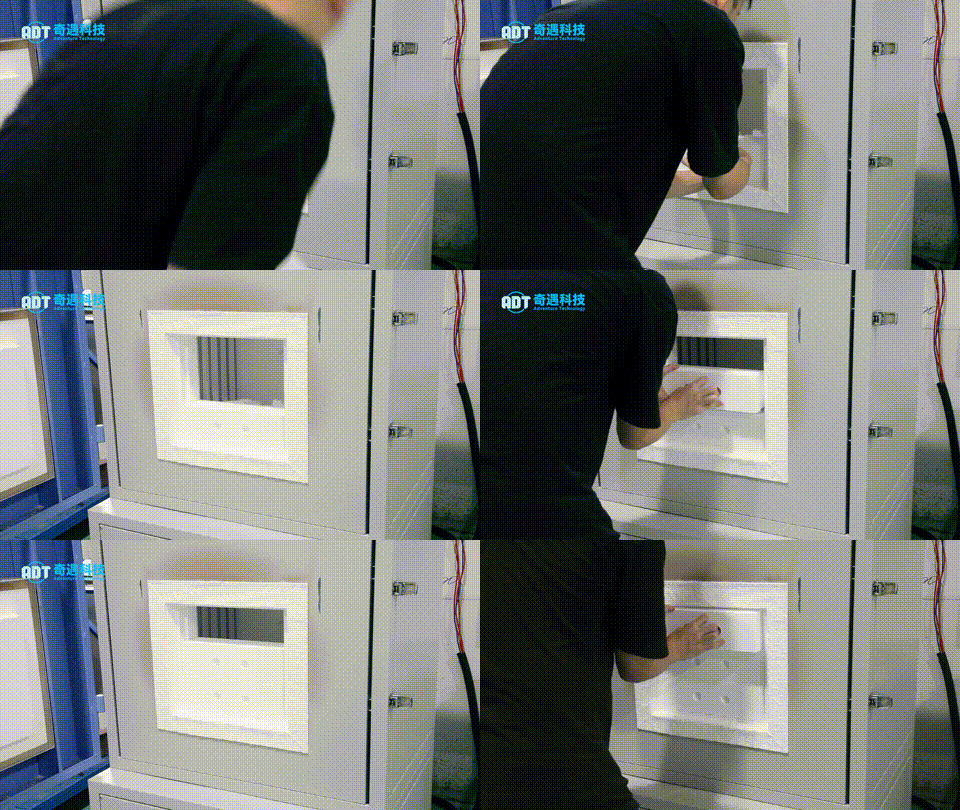
Sintering Display
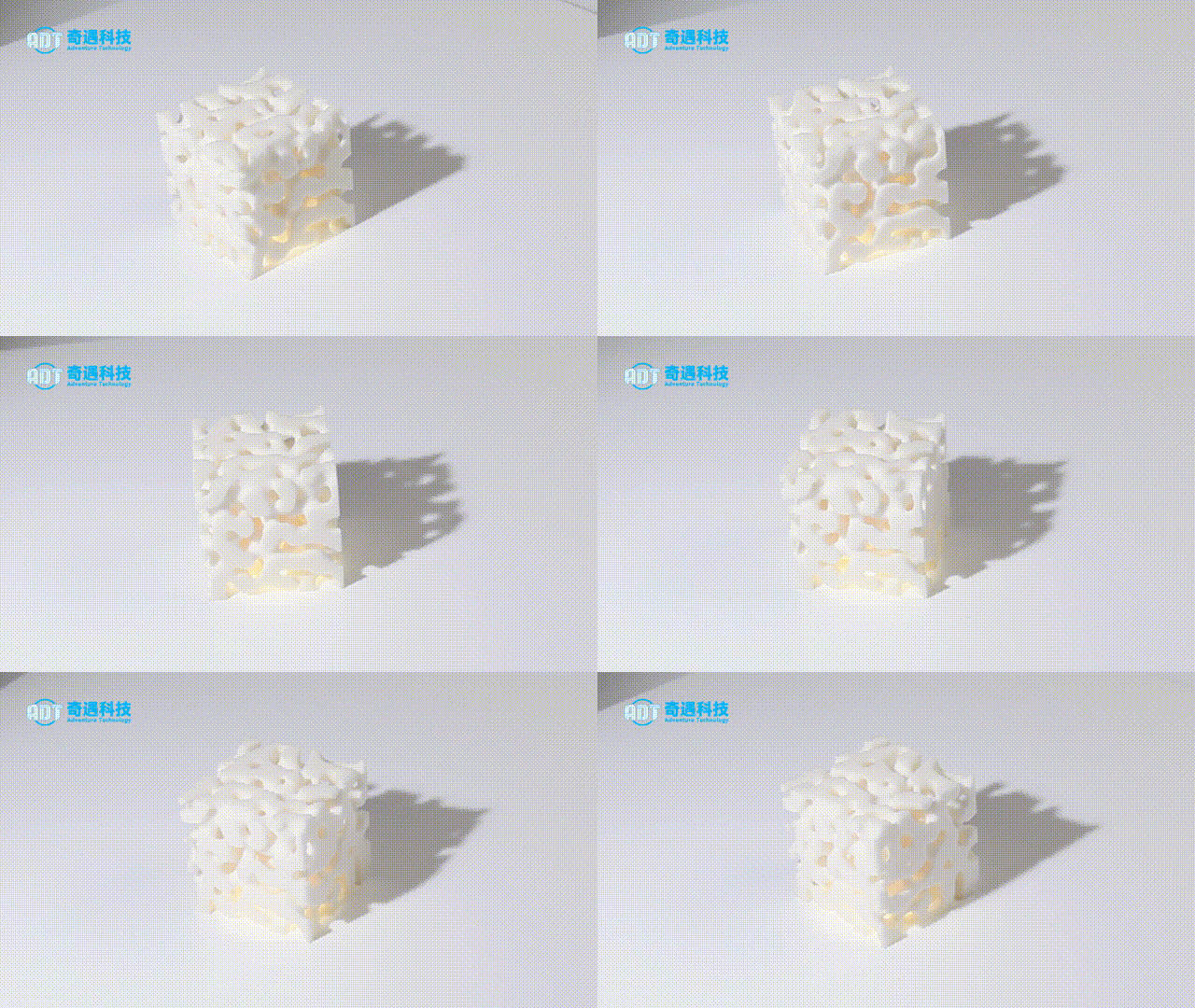
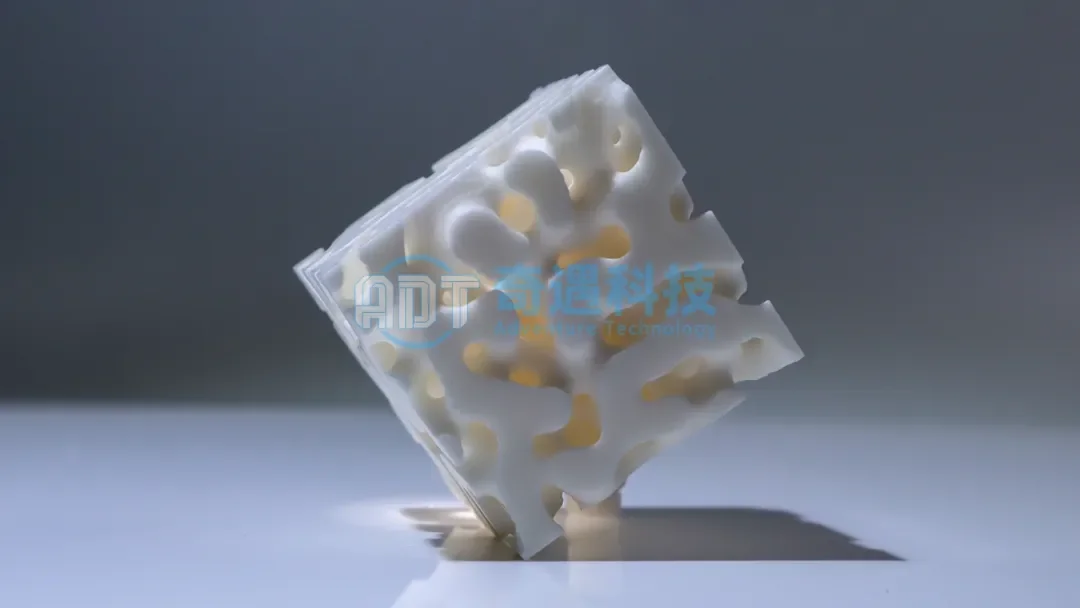
Finished Product