
The goal of bone tissue engineering is to develop materials and techniques that enable the repair of large segmental bone defects by the precise placement of locally added bioactive materials. Since the introduction of scaffold materials, significant progress has been made in this field and breakthroughs in materials science, biomechanics, biomedical engineering and regenerative medicine are needed. Due to its precision and ability to be customized, 3D printing technology has been widely used in creating personalized scaffolds, which can promote bone healing and regulate immune response. In this article, we will take a comprehensive look at the current progress of 3D printed bioceramic scaffolds in the field of bone tissue repair and immune regulation.
1.Self-repair of bone injury
Bone damage is usually caused by external forces, manifested as fractures or osteomyelitis, often accompanied by deformity, pain, swelling and other symptoms, may lead to shock and fever in severe cases. Bone tissue has the ability to repair itself, repairing damage through inflammation, regeneration and remodeling stages. However, chronic inflammation caused by persistent adverse stimulation may result in delayed or non-healing of the bone.
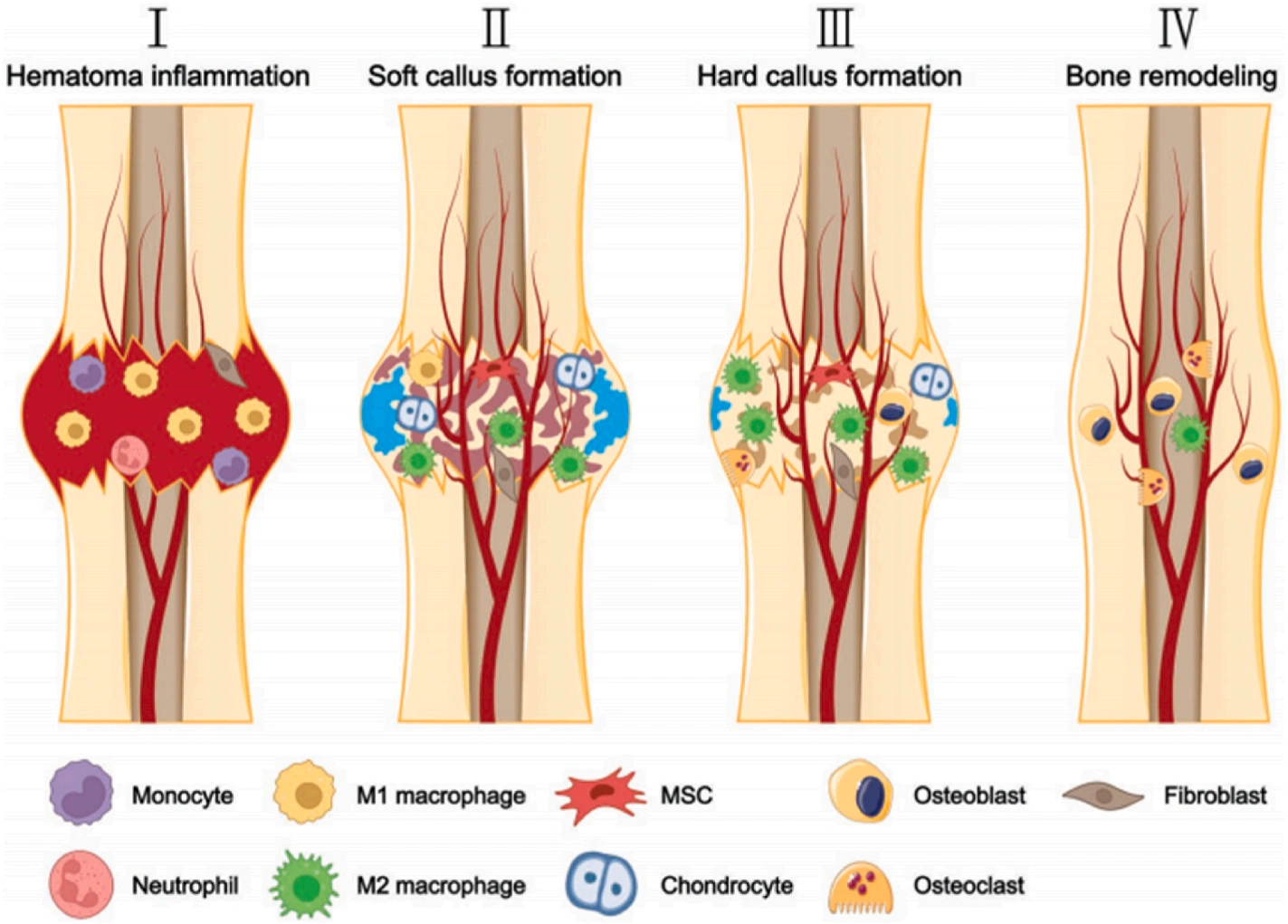
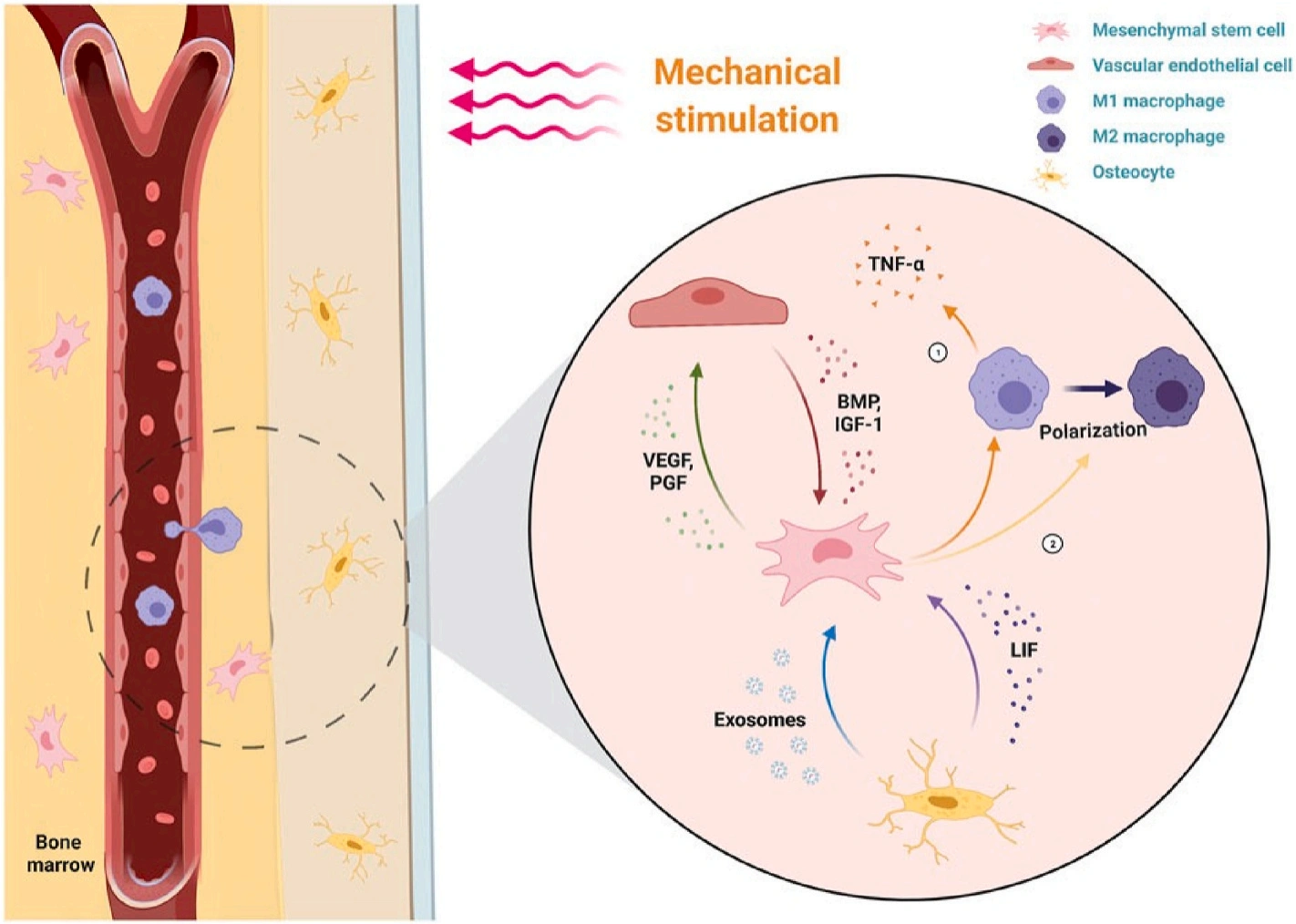
△ Figure 1, Schematic diagram of bone healing and macrophage phenotypic transition
2.3D printing technology for bioceramics
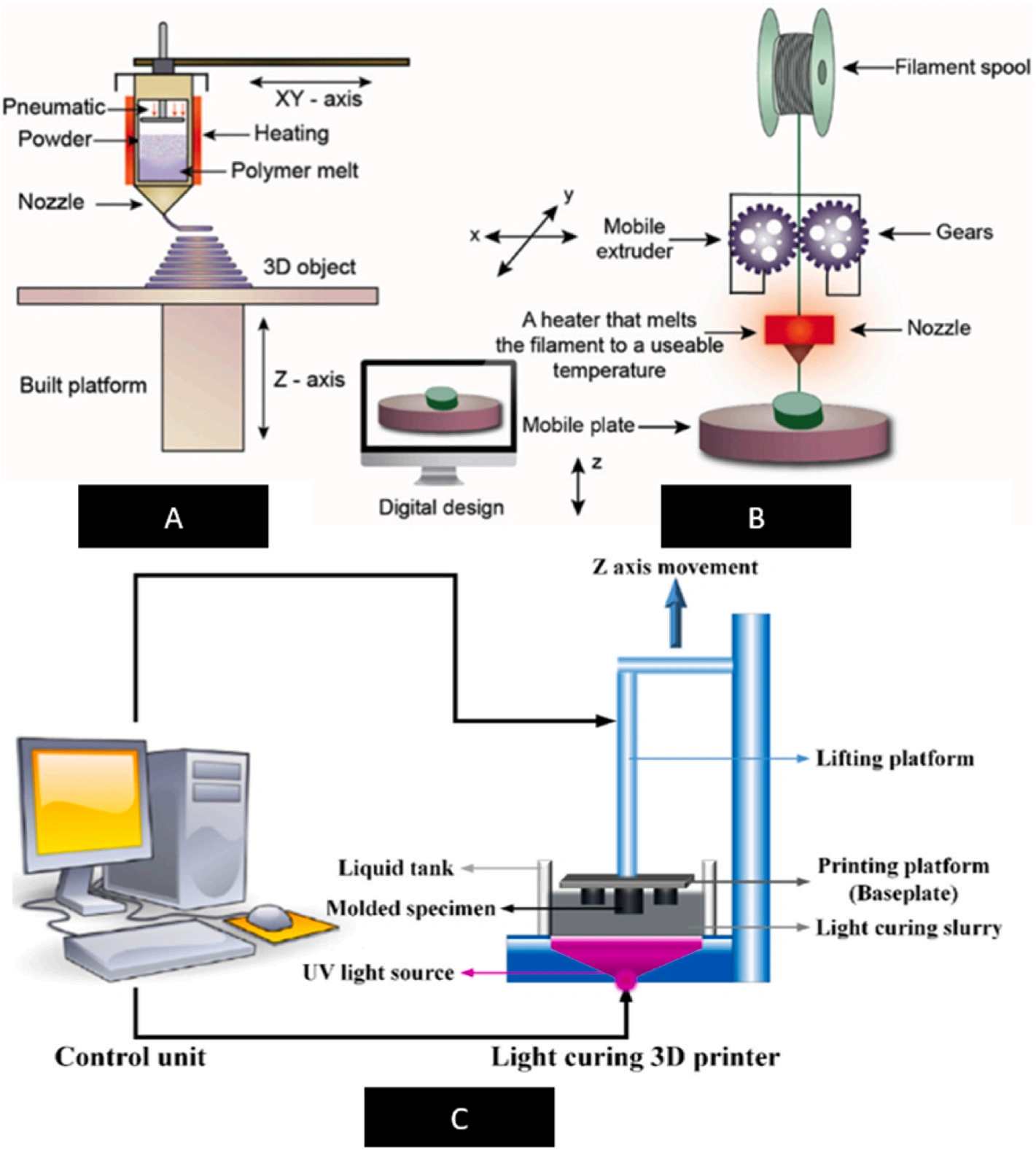
Current commonly used bioceramic 3D printing technologies includeFused Deposition Modeling (FDM) Light Curing (SLA, DLP) and Direct Write (DIW). The following is a brief description of these techniques.
FDM:The heating extrusion head melts the solid material and prints it layer by layer, which is low cost and suitable for complex geometric shapes, but the interlayer bonding strength is poor, which affects the accuracy and mechanical properties.
SLA和DLP:SLA cures photosensitive resin layer by layer through laser with high precision, but the speed is slow and the equipment is expensive. DLP cures quickly through digital projection, which has low precision but fast speed and high cost.
DIW:A printable material (such as a ceramic slurry) is deposited layer by layer on a predetermined trajectory by extrusion, but the printing speed is slow, and the accuracy and resolution are limited by the fluidity and viscosity of the material.
3.Application of 3D printed bioceramics in bone repair
Bioceramics have good biocompatibility and osteogenic guidance, and are widely used in bone repair. Due to its limited formability, 3D printing technology is used to create customized bioceramic bone repair scaffolds that can precisely control the shape and structure, and promote cell behavior and bone tissue repair. Different ceramic materials can be selected for application depending on the specific bone defect (Figure 2).
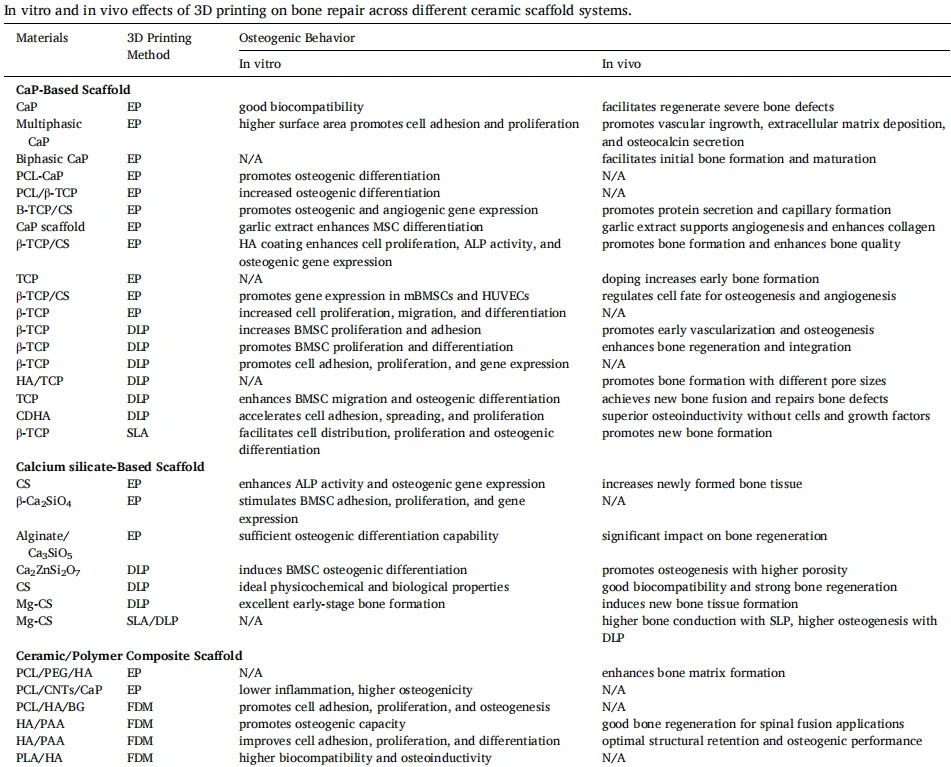
△ Figure 2
Calcium Phosphate (CaP) Stents:Its excellent biocompatibility and osteogenic properties are widely used in bone repair through 3D printing technology. Different printing techniques can improve the mechanical properties, biocompatibility and cell proliferation of CaP scaffolds, and promote bone repair.
Silicate (CS) Scaffolds:It has good biocompatibility, degradability and osteogenic induction, and can promote osteogenesis, angiogenesis and proliferation and differentiation of bone marrow-derived stromal cells. Through 3D printing technology, CS scaffold has a wide application prospect in bone repair, and has good mechanical properties and biological effects.
polymer composite porous scaffold:By designing the scaffold material by bionic method, combined with polymer and ceramic matrix, 3D printing can accurately control the geometry and microstructure of the scaffold, provide good mechanical support and promote the micro environment of bone repair.
metal composite porous scaffold:By embedding metal particles, the mechanical strength and fracture toughness are enhanced, while the biological activity of the ceramic is maintained, the brittleness of the ceramic is solved, and the clinical application stability of the bone repair scaffold is improved.
Live Cell Scaffold:For example, the alginate nanocomposite gel scaffold has a hierarchical pore structure, which effectively solves the problems of nutrient and oxygen supply limitation of microporous hydrogel network, as well as the limitation of cell migration and proliferation.
4.3D printed bioceramics in bone repairimmunomodulatory effect
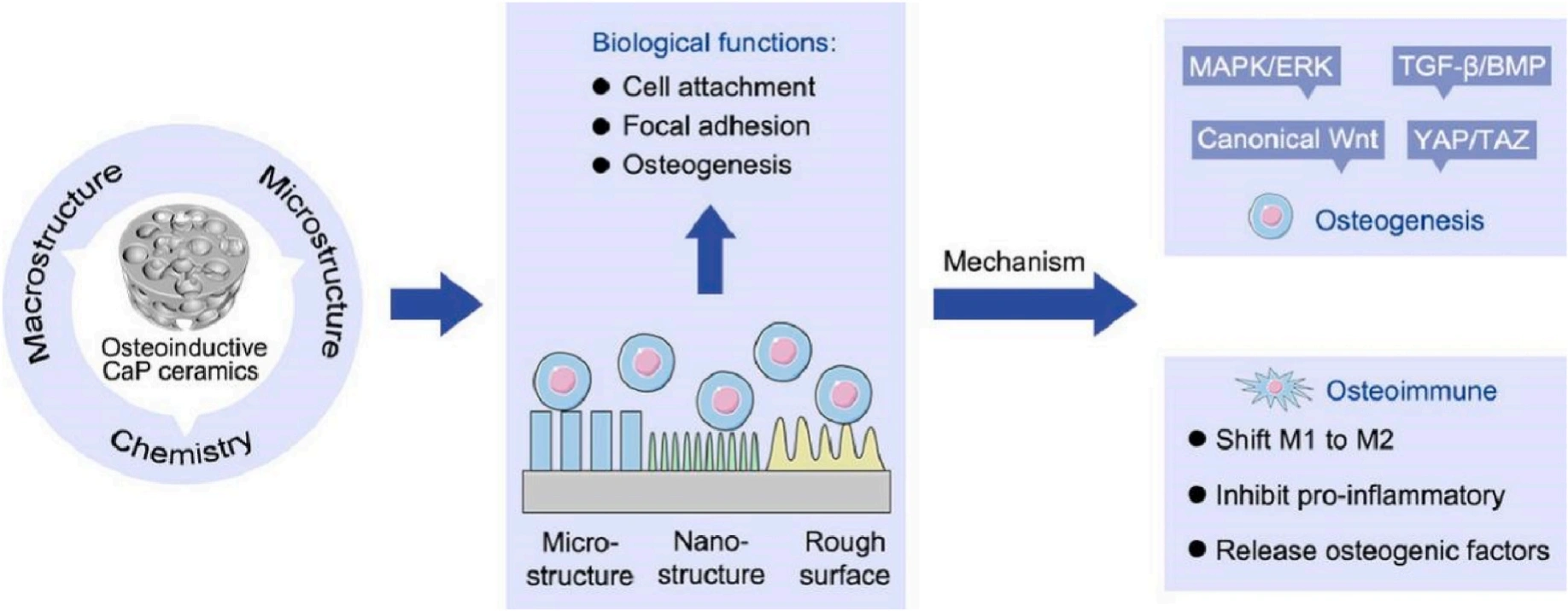
The immunomodulation induced by biomaterials provides the necessary conditions for the growth and maturation of osteoblasts during tissue repair and remodeling. The structural and physicochemical properties of the scaffold play a vital role in this process (Figure 3).
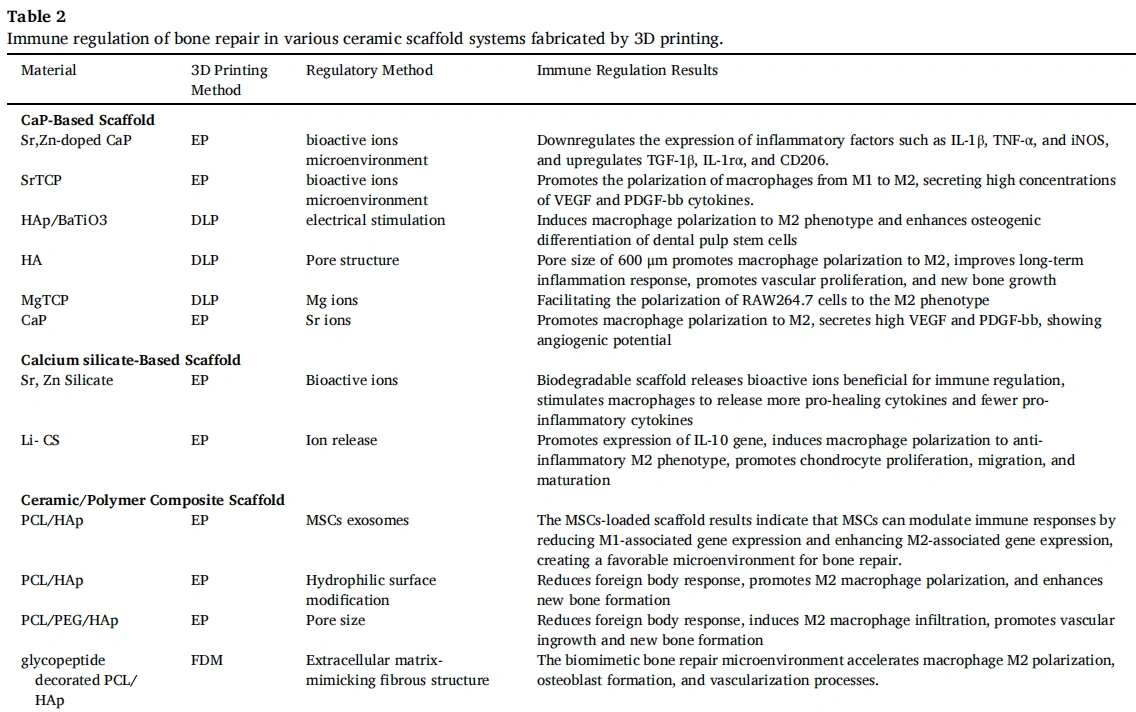
△ Figure 3
Immunomodulation of surface structures:The surface curvature and microstructure of bioceramic scaffolds are critical for cellular behavior and bone repair. Through 3D printing technology such as light-curing DLP, the surface morphology of the scaffold can be precisely controlled to promote cell adhesion, proliferation and immune regulation, thereby enhancing osteogenesis and accelerating bone healing.
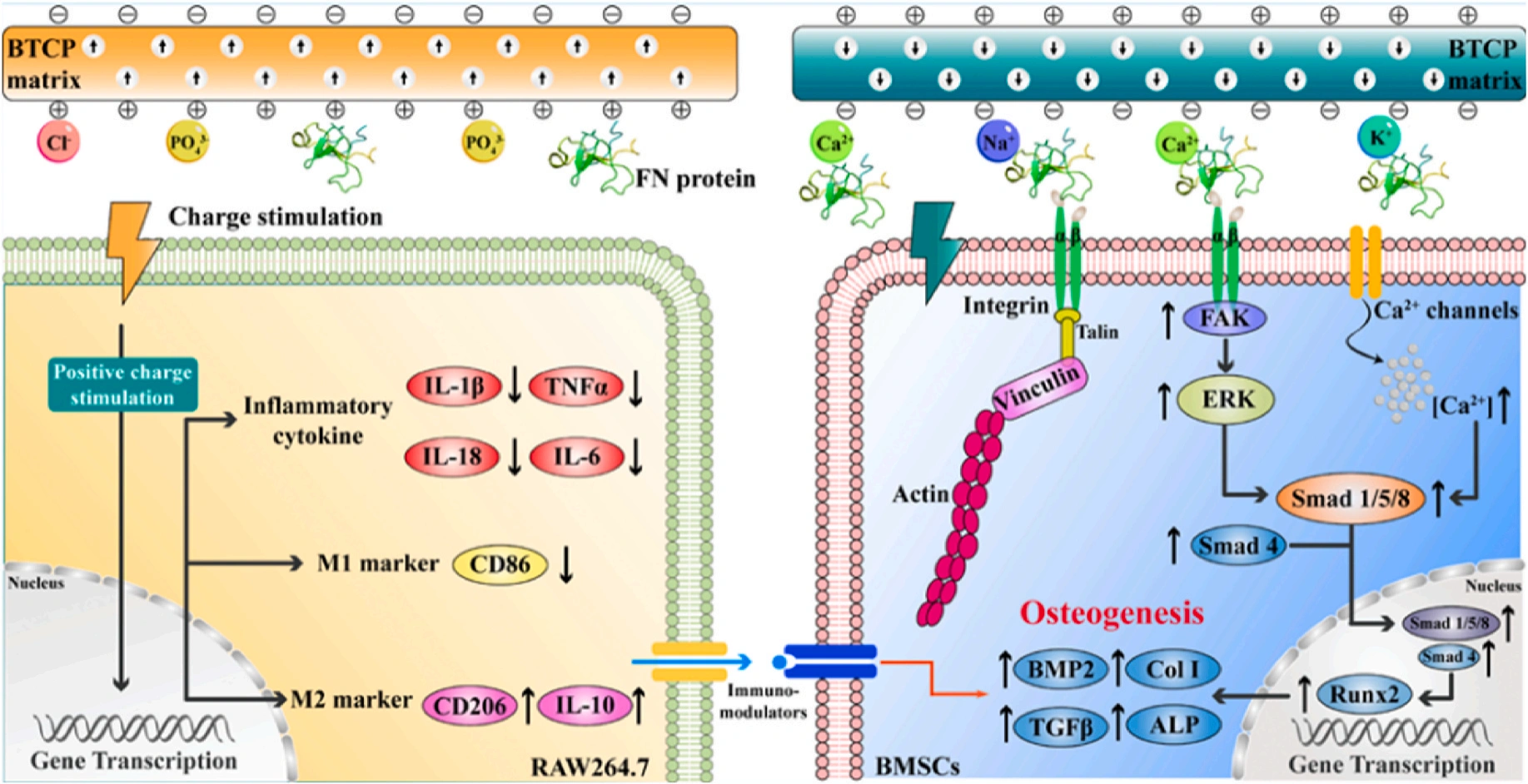
Immunomodulation of surface charge:The surface charge of bioceramics plays an important role in cell adhesion, macrophage polarization and bone repair. Negative charge can promote the osteogenic differentiation of BMSC, positive charge contributes to the polarization of M2 macrophages and inhibits the polarization of M1, and piezoelectric materials can restore the micro electrical environment and promote bone regeneration.
Immunomodulation of pore size and porosity:Pore size, porosity and their distribution in bone tissue scaffolds have important effects on cell behavior and immune response. Optimizing porosity and pore size structure can promote macrophage polarization, enhance immune regulation and osteogenesis. 3D printing technology can precisely control these parameters and improve the effect of bone repair.
metal ions of immune regulation:Metal ions play an important role in immune regulation in bone repair, and enhance the regeneration of bone tissue by regulating macrophage polarization, promoting osteogenic differentiation and mineralization. The release of metal ions can improve the immune microenvironment and accelerate the process of bone healing and repair.
Effect of scaffold mechanical strength on bone immune microenvironment:Bone tissue is highly sensitive to mechanical stimulation, and bone marrow mesenchymal stem cells and immune cells such as neutrophils and macrophages also respond to mechanical forces to promote bone repair and tissue regeneration by activating signaling pathways. The stiffness of the scaffold matrix affects the function of immune cells, and the harder matrix is conducive to cell adhesion and repair. High mechanical strength materials are often used to enhance scaffold performance and accelerate bone healing.
5.3D printing bioceramic materials facechallenges and prospects
Although 3D printed bioceramic scaffolds have made great progress in bone repair, they still face many challenges in clinical application.
High temperature shrinkage problem:Ceramic porous scaffolds usually shrink significantly during the sintering process, which affects the structural stability and mechanical strength.
3D printing accuracy issues:Existing 3D printing technology is difficult to accurately replicate the complex structure of human tissue, especially nano-scale tissue structure.
bone repair regulation:The brittleness and degradation rate of bioceramics make them unsuitable for repairing bone defects in load-bearing areas. Bone repair scaffolds need to have mechanical properties that are compatible with the surrounding tissue, while ensuring adequate mechanical support and appropriate pore structure design.
Immune Regulatory Issues:The immunomodulatory behavior of bioceramic scaffolds is influenced by their ion release, pore structure and surface microstructure, but these mechanisms are not fully understood.
Intelligent Design:Smart biomaterials that respond to environmental changes and enhance immune regulation and bone repair functions. 4D printing technology offers new potential for personalized medicine, but still faces the challenge of experimental-scale synthesis and large-scale production.
These challenges and the corresponding technological progress will determine the wide application potential of ceramic porous scaffolds in bone tissue repair, especially with the development of smart materials and 4D printing technology, which may open a new chapter in personalized medical repair in the future.
[1]Yasi Chen et al., Ceramics International, https://doi.org/10.1016/j. ceramint.2024.09.294.