In recent years,porous alumina ceramicsare often used as thermal insulation materials in industrial production and applications. The thermal insulation principle is mainly based on the low thermal conductivity of the material itself and the medium within the material matrix, which prevents heat dissipation in high-temperature environments or isolates heat flow in low-temperature environments. Currently, traditional preparation methods (such as pore agent method, sol-gel method, physical foaming method, etc.) often come with defects such as low porosity, uneven pore size, complex forming processes, and simple structures, making it difficult to achieve precise control of the porous alumina ceramic configuration, resulting in instability in mechanical and thermal insulation properties, which is hard to meet industrial requirements.
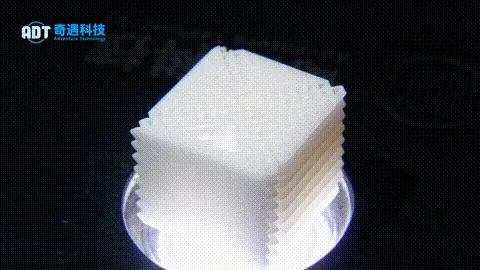
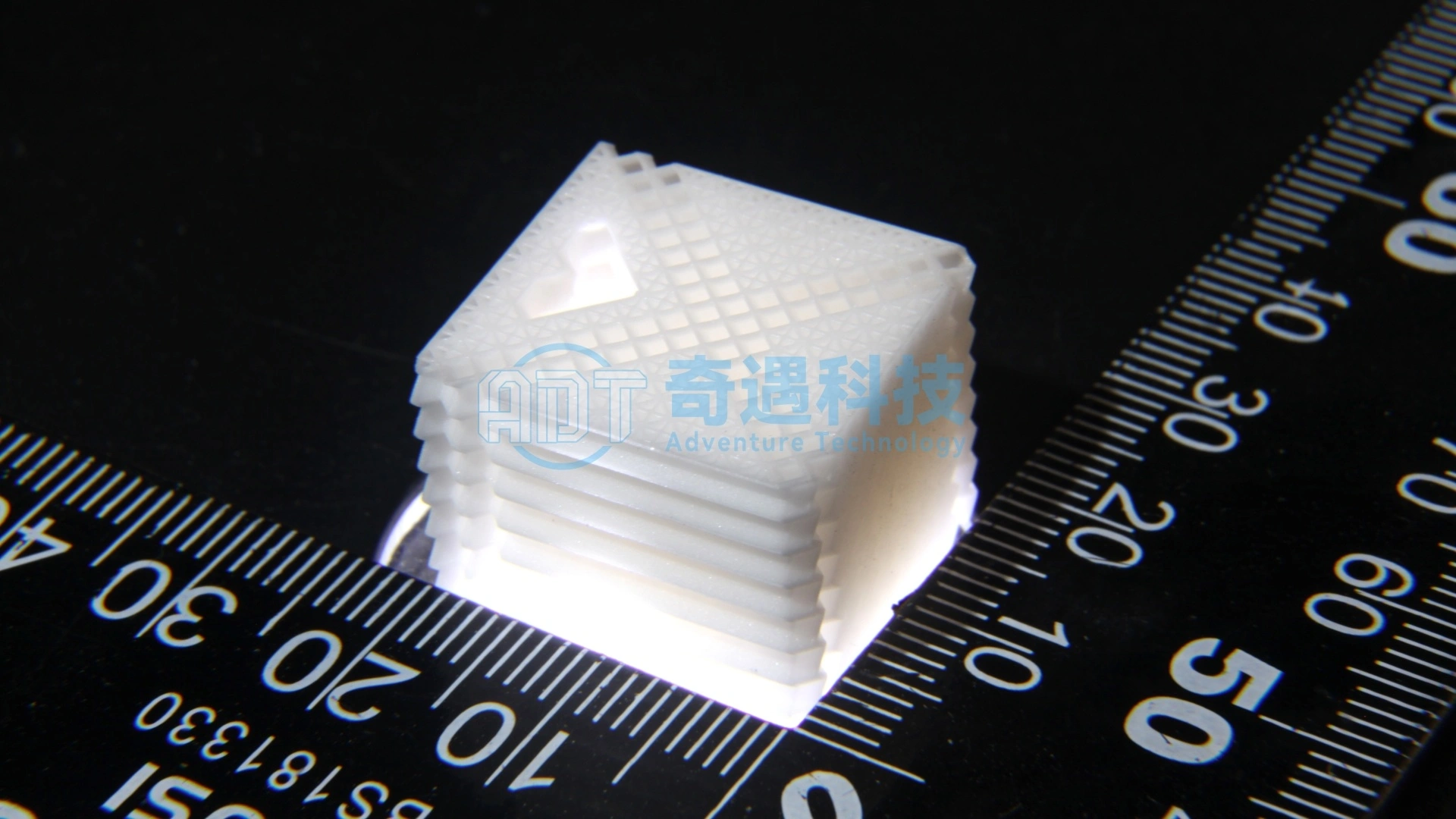
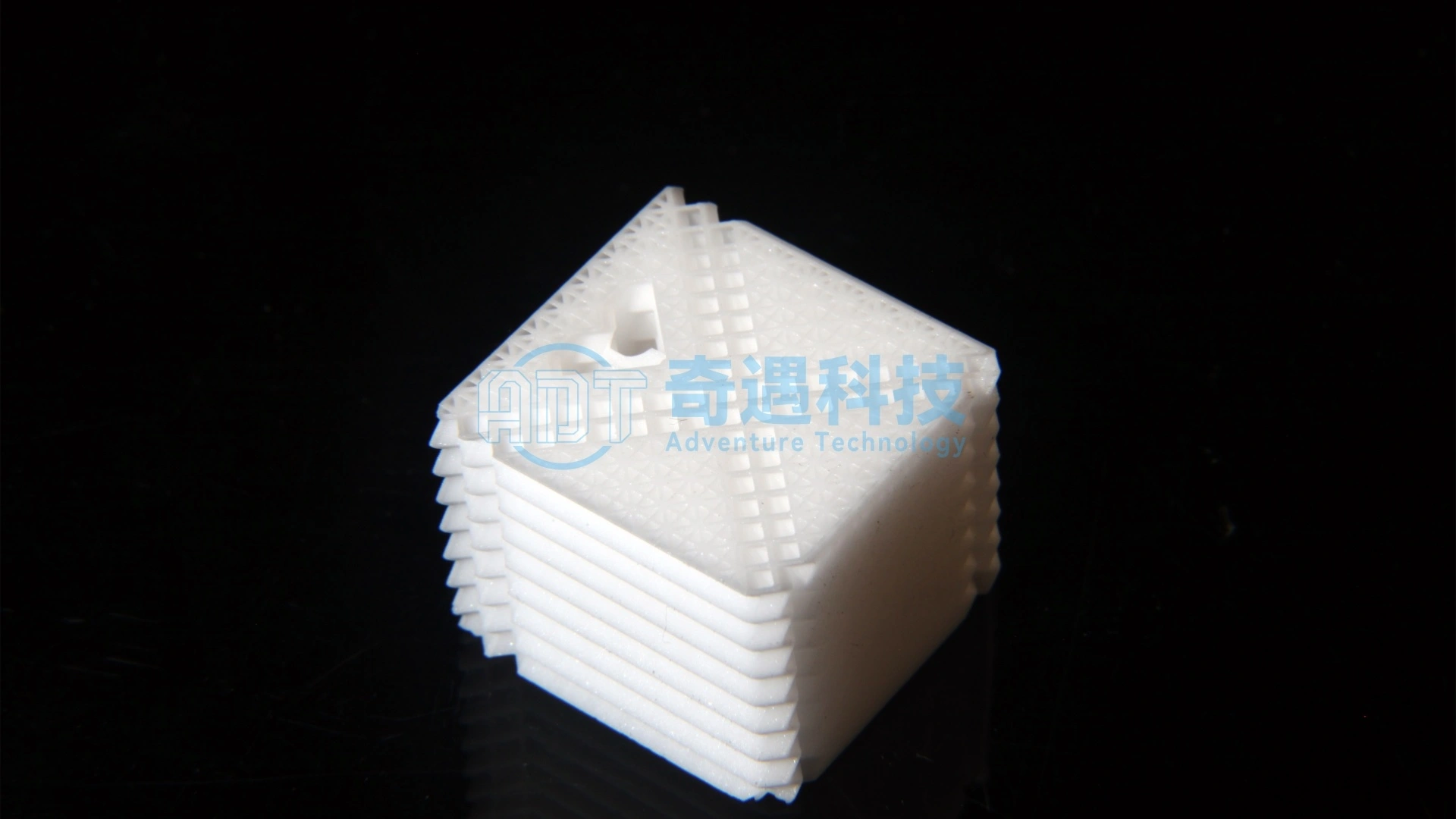
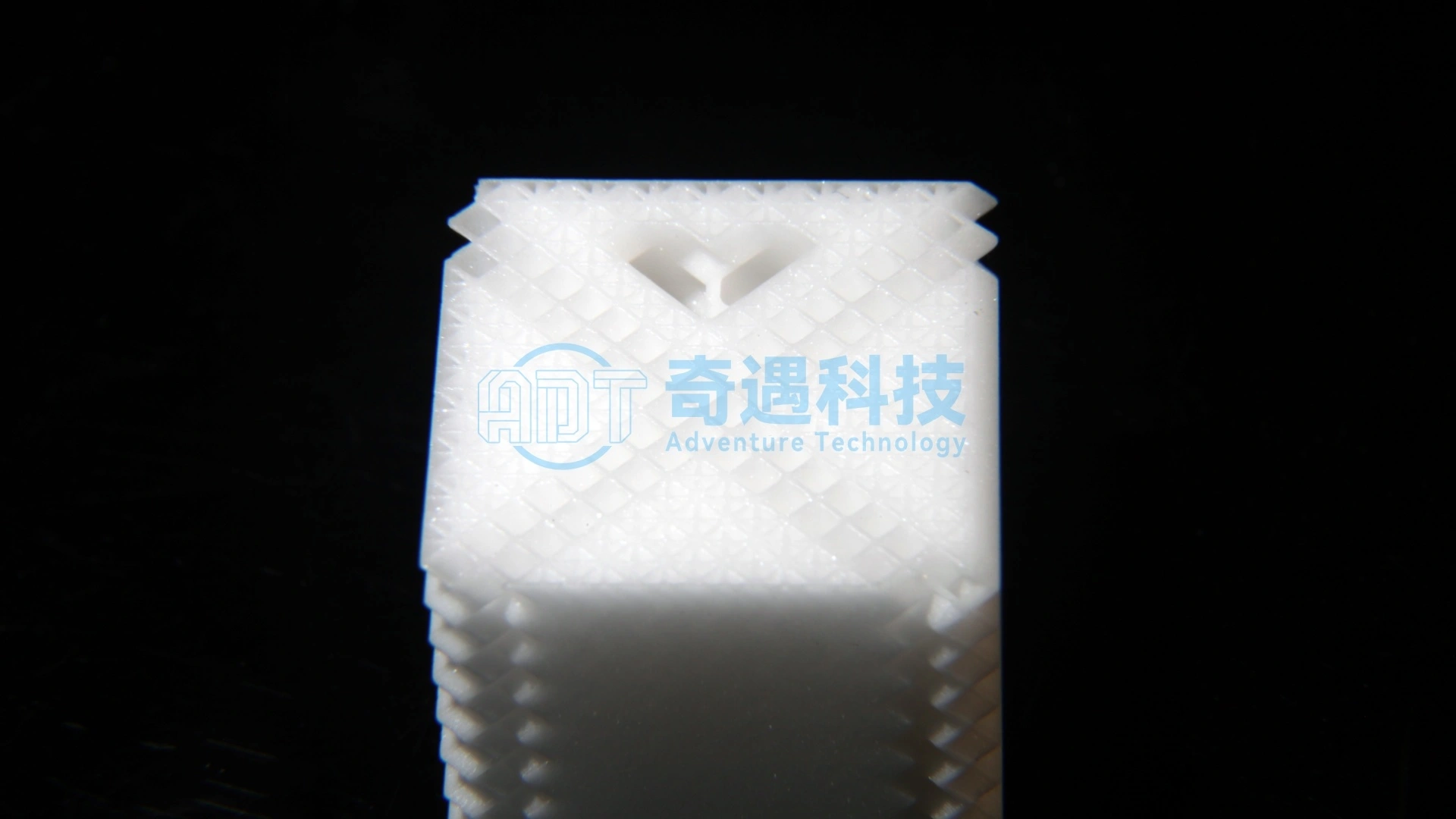
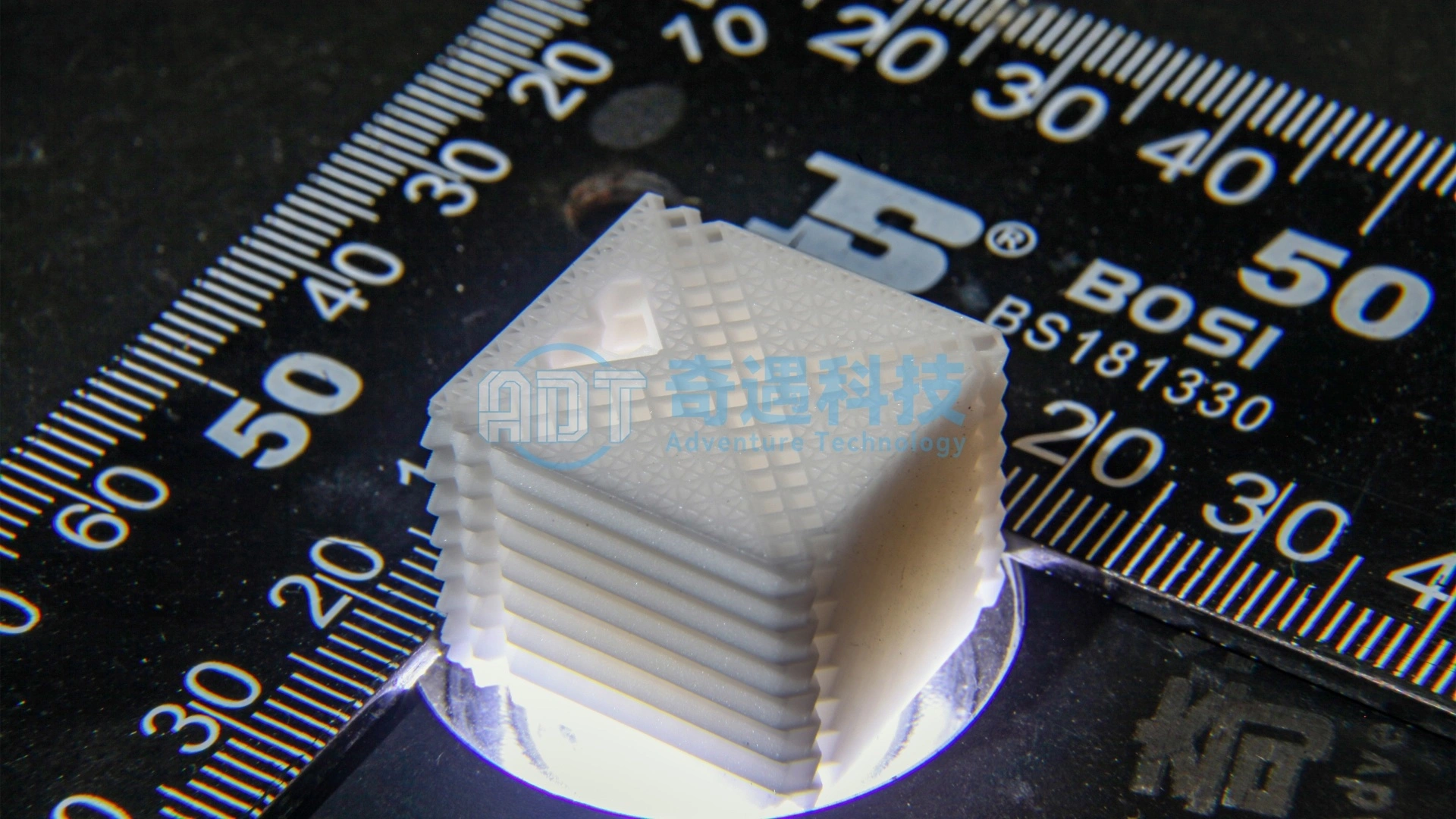
Recently, our companylaunched the Pro version of the light-curing DLP ceramic 3D printing equipment, model ADT-3D-ZP-Priner-Pro-144-75, which successfully assisted research teams in printing fine 20mm alumina cubic porous array structures with its ultra-fast printing efficiency of 600 layers per hour and optical precision of up to 75μm.This equipment not only meets the industrial requirements for large sizes but also ensures high efficiency and high precision during the printing process, providing strong technical support for the scientific verification of alumina structures.
Printing equipment
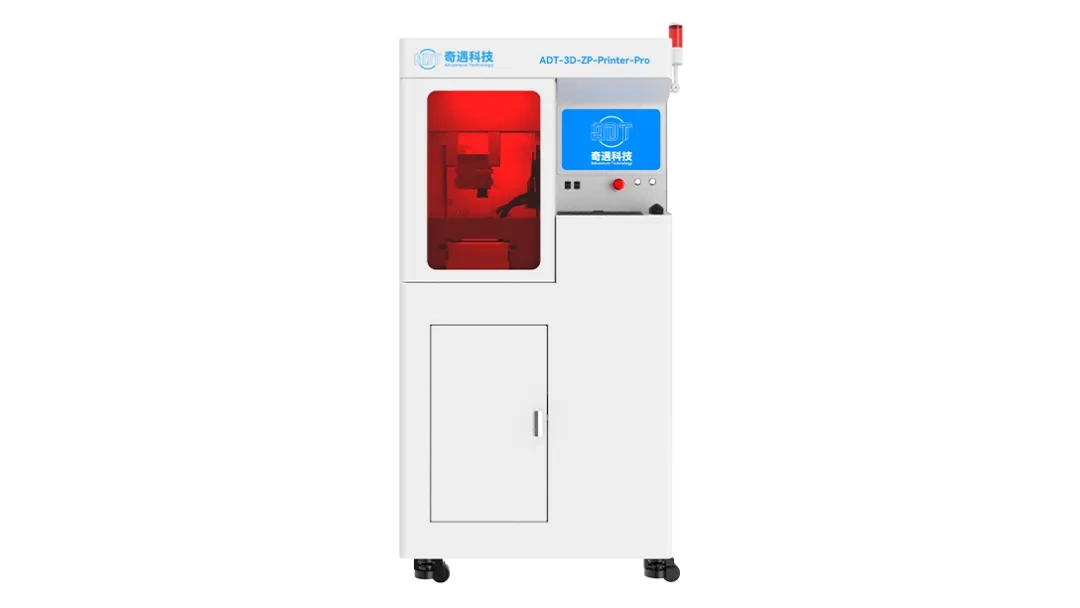
This time we used the self-developed printing equipment (ADT-3D-ZP-Priner-Pro-144-75) from Qiyu Technology to print
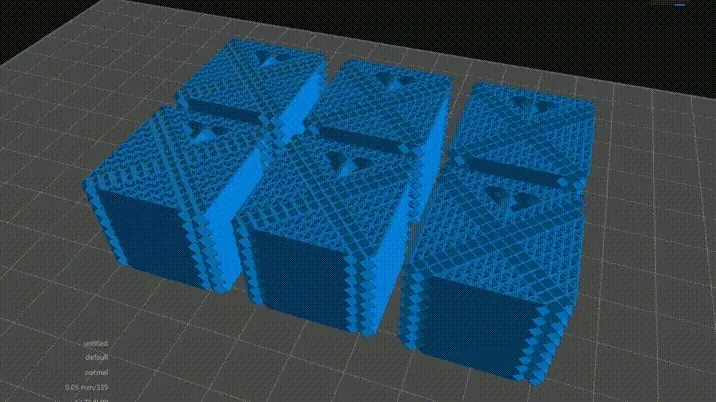
STL model slicing
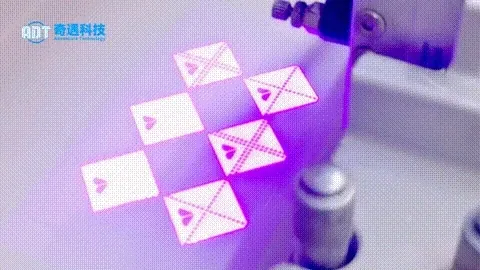
printing process
launch
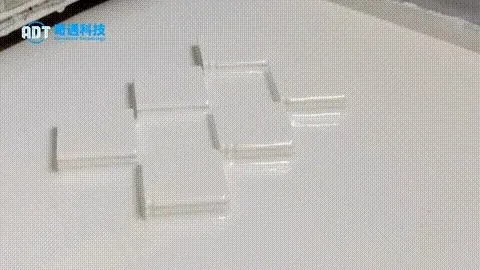
remove
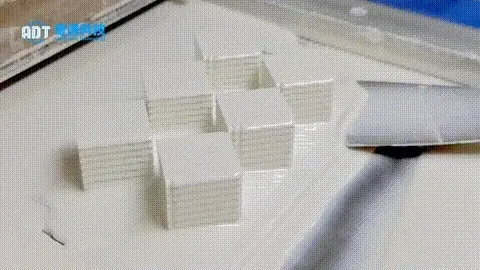
clean
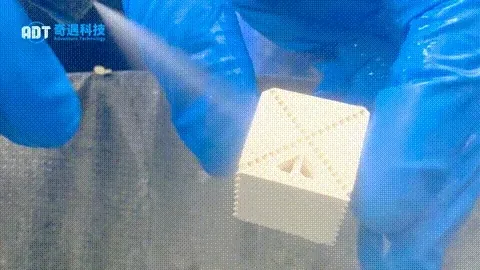
display after sintering