
1. The Promise of 3D Printing Silicon Carbide
Silicon carbide (SiC) is a ceramic material prized for its hardness, thermal stability, and electrical conductivity. Traditional manufacturing struggles with SiC’ s brittleness, but ceramic 3D printing offers design freedom, reduced waste, and complex geometries.
The paper "A perspective on 3D printing of silicon carbide" by Alberto Boretti and Stefania Castelletto, published in the Journal of the European Ceramic Society, explores the transformative potential of 3D printing silicon carbide (SiC). The authors project a growing market for SiC 3D printing, driven by industries like aerospace, nuclear energy, and electronics. They stress the need for interdisciplinary research to optimize nanoscale-to-macroscale manufacturing processes and improve design flexibility.

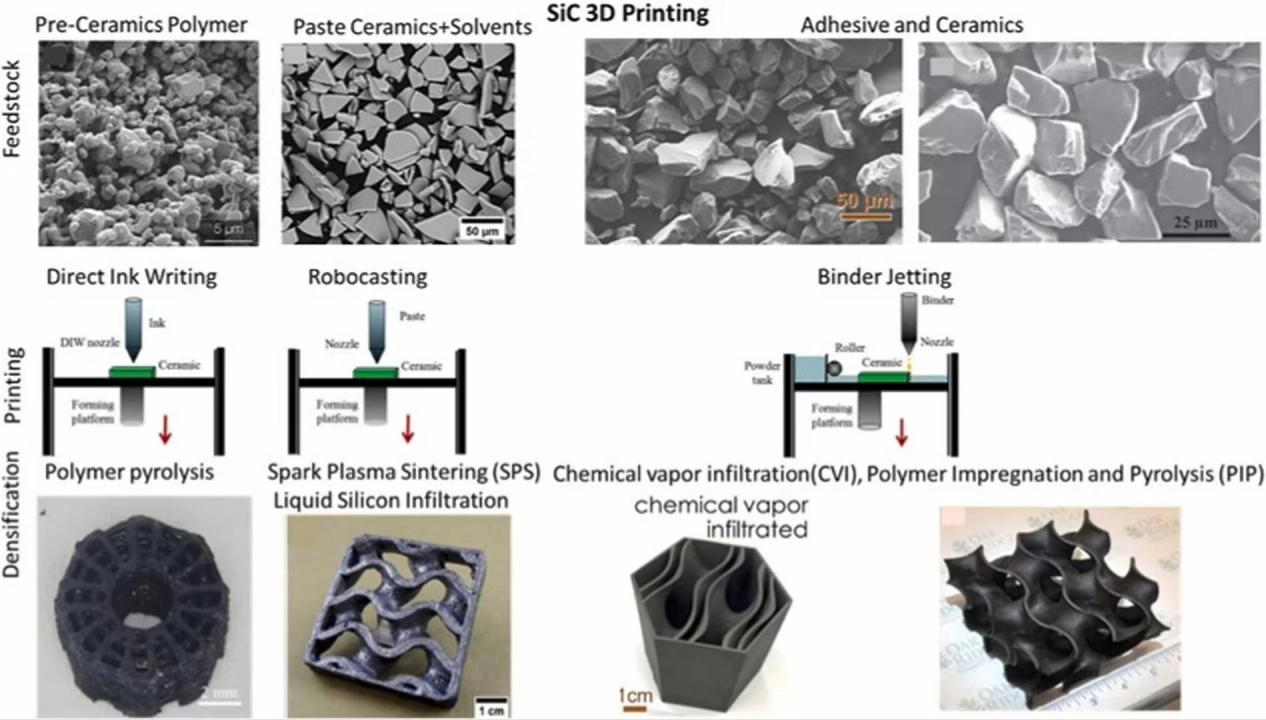
Figure 1: Overview of 3D printing methods for SiC, including Direct Ink Writing (DIW), Robocasting, and Binder Jetting.
2. Key Additive Manufacturing Techniques for SiC
The study evaluates three primary methods:
Direct Ink Writing (DIW): Uses SiC-based inks extruded through nozzles, followed by pyrolysis or sintering. Achieves flexural strengths up to 47.3 MPa after CVI .
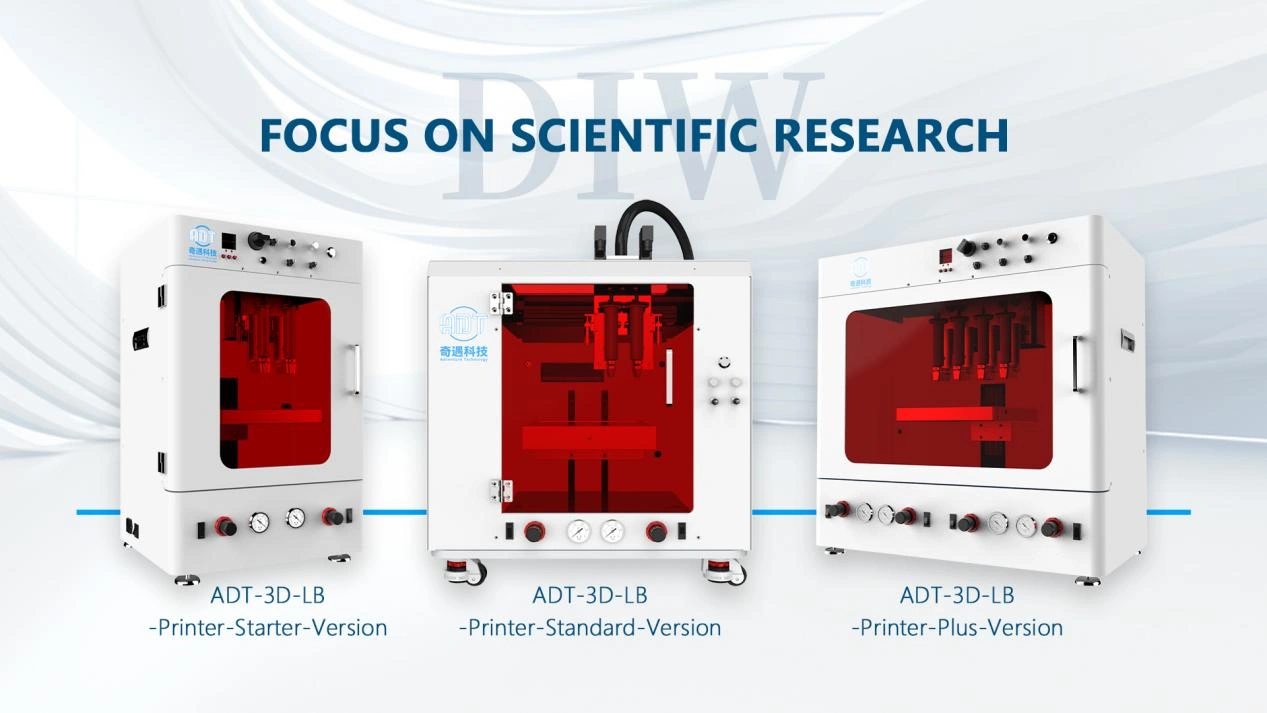
Figure 2: Adventure Tech's Direct Write 3D Printer Series
1.Self-developed “ADT-Slicer” and “CAD-Slicer” software for easy implementation of 3D and 4D printing.
2.High repeatability and motion resolution.
3.Flexible Print Control: Supports instant material start/stop with adjustable print speeds from 25% to 300%.
4.Dual nozzle and precise control system enable single model-multiple materials and multiple models-multiple materials printing.
5.Supports base heating, extruder heating, and nozzle photocuring features.
Binder Jetting (BJ): Layers SiC powder bound by adhesives, densified via CVI or LSI. Produces components with thermal conductivity up to 170 W/m·K.
Robocasting: Extrudes high-viscosity pastes for structural parts, achieving hardness of ~20 GPa and flexural strength of 224 MPa.
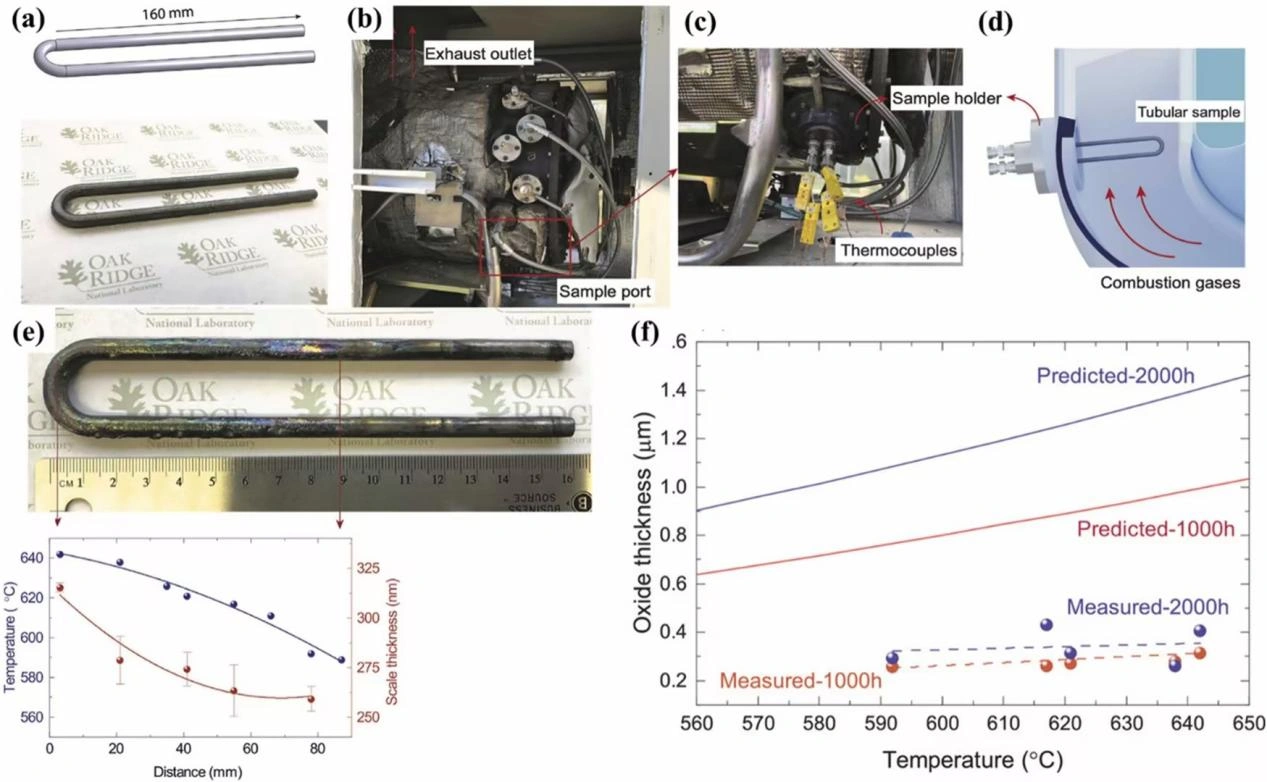
Figure 3: (a) XRD and particle size analysis of SiC feedstock; (c) BJ-PRIP-LSI process flow.
3. Mechanical and Thermal Properties of 3D-Printed SiC
Thermal Performance: Components like U-shaped SiC-Si tubes (Figure 4) withstand 634°C in microturbine tests, forming protective SiO₂layers.
Mechanical Strength: BJ with CVI yields flexural strengths of 297 MPa, rivaling traditional CVD-SiC . PIP cycles enhance Young’s modulus to 69.5 GPa .
Market Potential: Projected to reach $4–10 billion by 2025, driven by nuclear reactors and solar energy applications.
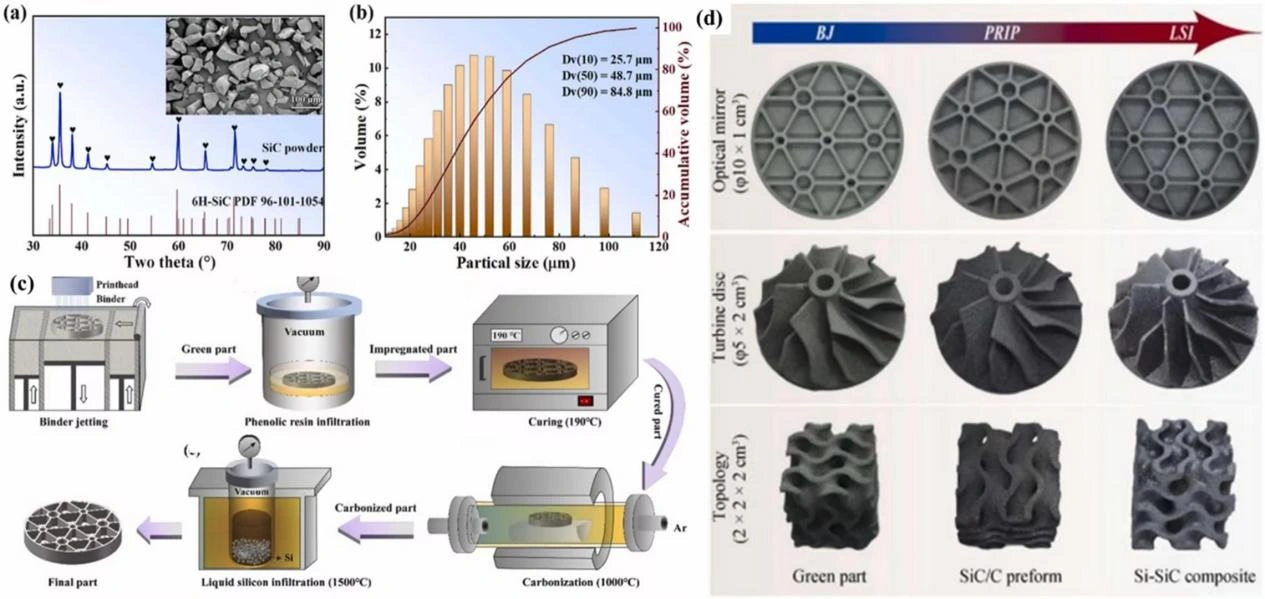
Figure 4: (a) CAD model and 3D-printed SiC-Si tube; (e) post-test oxide layer analysis.
4. Future Horizons for Ceramic 3D Printing
SiC 3D printing is poised to disrupt industries requiring extreme-performance materials. Challenges like residual silicon and process scalability persist, but innovations in CVI and hybrid techniques (e.g., carbon fiber reinforcement) are closing gaps with traditional methods. As R&D bridges nanoscale modeling and macroscale fabrication, SiC’s role in lightweight, high-temperature applications will expand, cementing ceramic 3D printing as a cornerstone of advanced manufacturing.