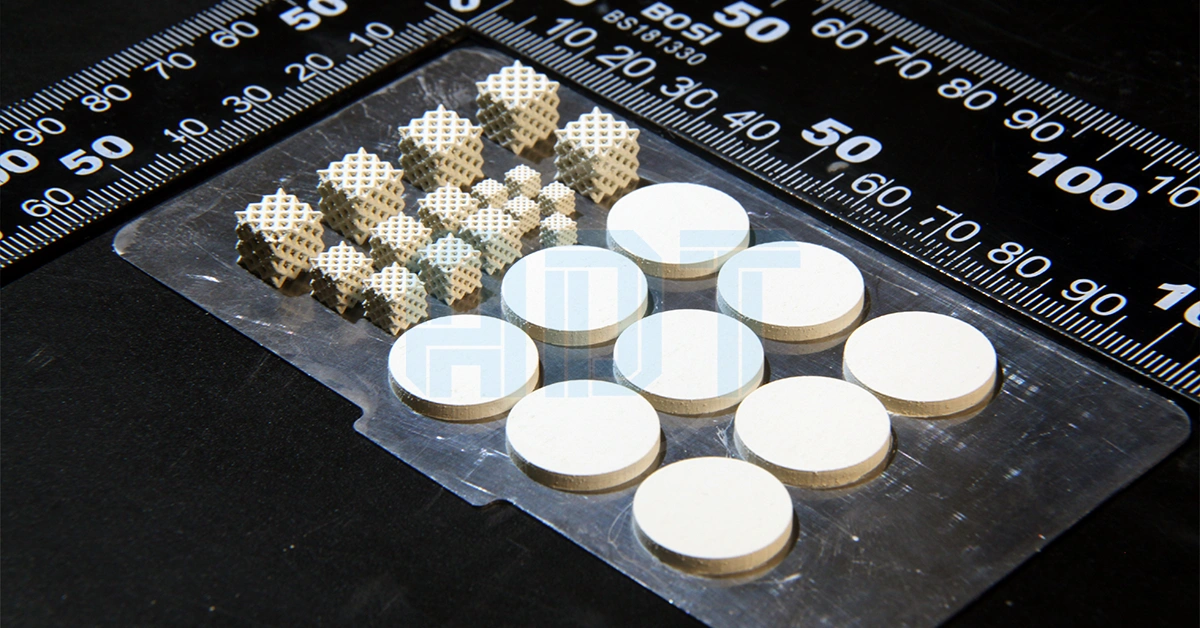
Understanding Ceramic Materials
Ceramic materials are inorganic, non-metallic compounds broadly classified into traditional ceramics and advanced ceramics, each serving distinct industrial and technological roles. Traditional ceramics form the backbone of everyday applications, while advanced ceramics drive innovation in high-tech sectors through tailored material properties and precision manufacturing.
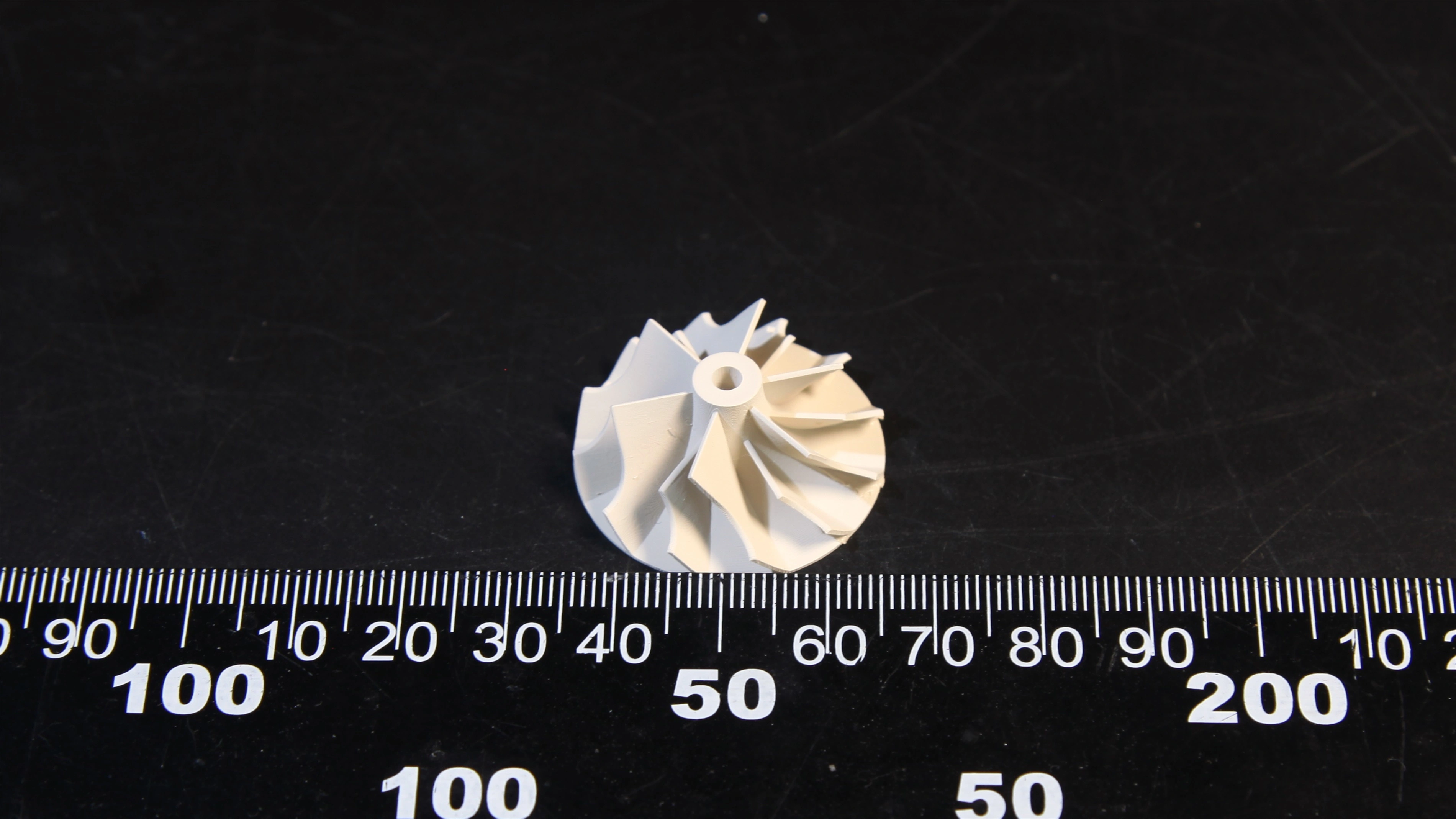
1.Traditional Ceramics: Legacy of Industrial Utility
Traditional ceramics rely on naturally occurring silicates such as kaolinite, feldspar, and quartz, combined with clay-based plasticizers like montmorillonite or illite. These materials undergo shaping processes such as slip casting or dry pressing, followed by solid-state sintering at temperatures between 1200°C and 1400°C.
The resulting products include architectural tiles from alumina-silica systems, diopside-based porcelain tableware, and aluminosilicate refractory bricks for high-temperature environments. While cost-effective and durable, traditional ceramics are limited by their relatively low mechanical strength and functional versatility compared to advanced variants.
2. Advanced Ceramics: Engineering the Future
Advanced ceramics represent a paradigm shift in material science, oxide ceramics like ultra-pure alumina (Al₂O₃ ≥99.9%) and yttria-stabilized zirconia (3Y-TZP) excel in wear resistance and thermal stability.
Non-oxide ceramics such as silicon carbide (β-SiC) and silicon nitride (α/β-Si₃N₄) dominate extreme environments due to their low thermal expansion and high hardness.
Functional ceramics, including barium titanate (BaTiO₃) for dielectric applications and hydroxyapatite (HA) for biomedical implants, bridge material science with electronics and healthcare.
Modern fabrication methods like gelcasting, tape casting, and vat photopolymerization 3D printing enable complex geometries, while sintering technologies such as hot isostatic pressing (HIP) and spark plasma sintering (SPS) enhance density and structural integrity. These innovations unlock applications ranging from 5G communication substrates to nuclear reactor components. 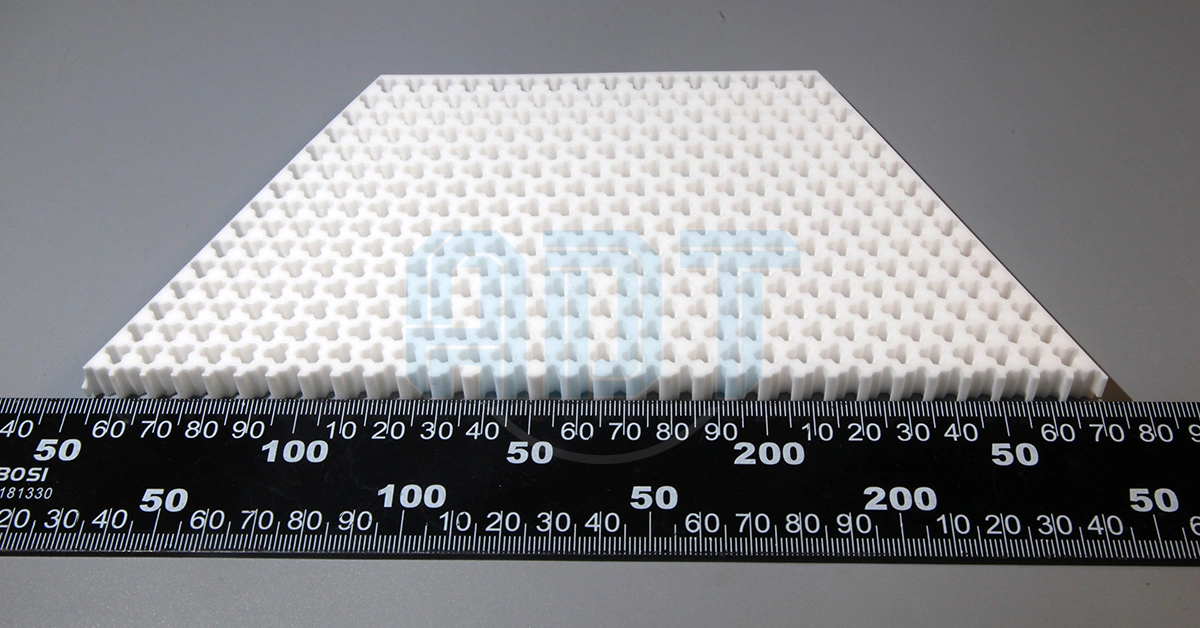
3. Critical Material Properties and Industrial Relevance
Ceramic materials are selected based on their mechanical robustness, functional attributes, or biocompatibility.
3.1 Structural ceramics like alumina and silicon carbide are prized for their hardness and thermal resistance.
Alumina’s Mohs hardness of 9 and flexural strength of 300–400 MPa make it ideal for precision bearings and transparent armor systems.
However, its brittleness remains a challenge for impact-prone applications.
Silicon carbide, with a thermal expansion coefficient of 4.0×10⁻⁶/°C (RT–1000°C), is indispensable in rocket nozzles and nuclear fuel cladding, particularly when reinforced via chemical vapor infiltration (CVI).
3.2 Functional ceramics such as barium titanate exhibit unique dielectric properties due to ferroelectric domain structures, enabling their use in flexible pressure sensors and energy-harvesting devices.
Silica-based ceramics, optimized through low-temperature co-fired ceramic (LTCC) technology, serve as millimeter-wave antenna substrates in 5G networks.
3.3 Bioceramics like hydroxyapatite and zirconia are revolutionizing healthcare. Nanocrystalline hydroxyapatite mimics natural bone composition, enabling 3D-printed scaffolds for bone regeneration. Zirconia’s combination of strength and aesthetics supports CAD/CAM-machined dental crowns, while silver-doped variants introduce antibacterial functionality for implants. 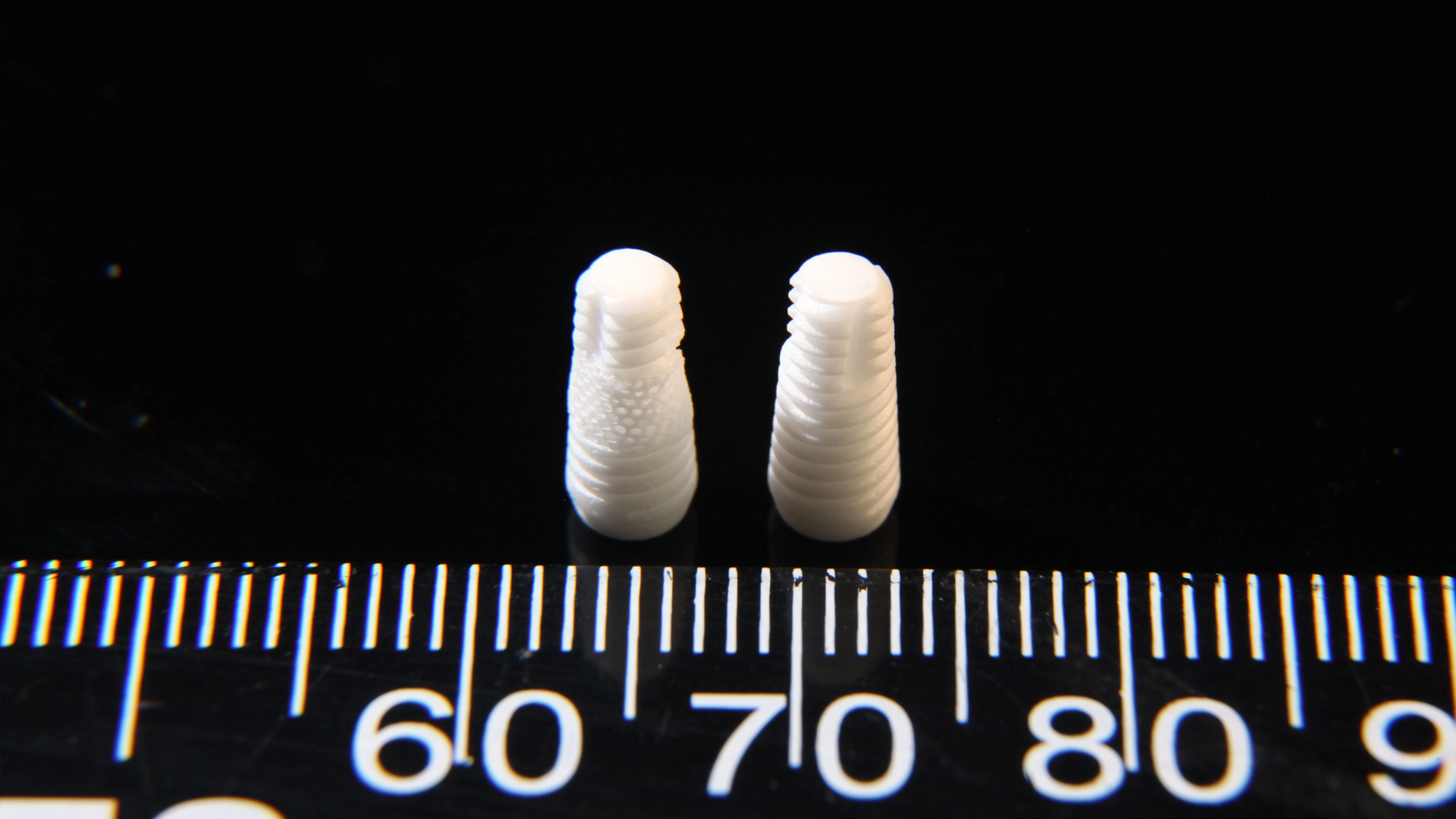
4. Innovations in Ceramic Manufacturing
Advanced manufacturing techniques are redefining ceramic fabrication. Photopolymerizable ceramics, processed through digital light processing (DLP) combined with debinding and sintering, achieve microstructures as μm level. This precision enables aerospace components with lightweight honeycomb designs. Similarly, additive manufacturing allows customized biomedical implants with patient-specific geometries, accelerating adoption in regenerative medicine. 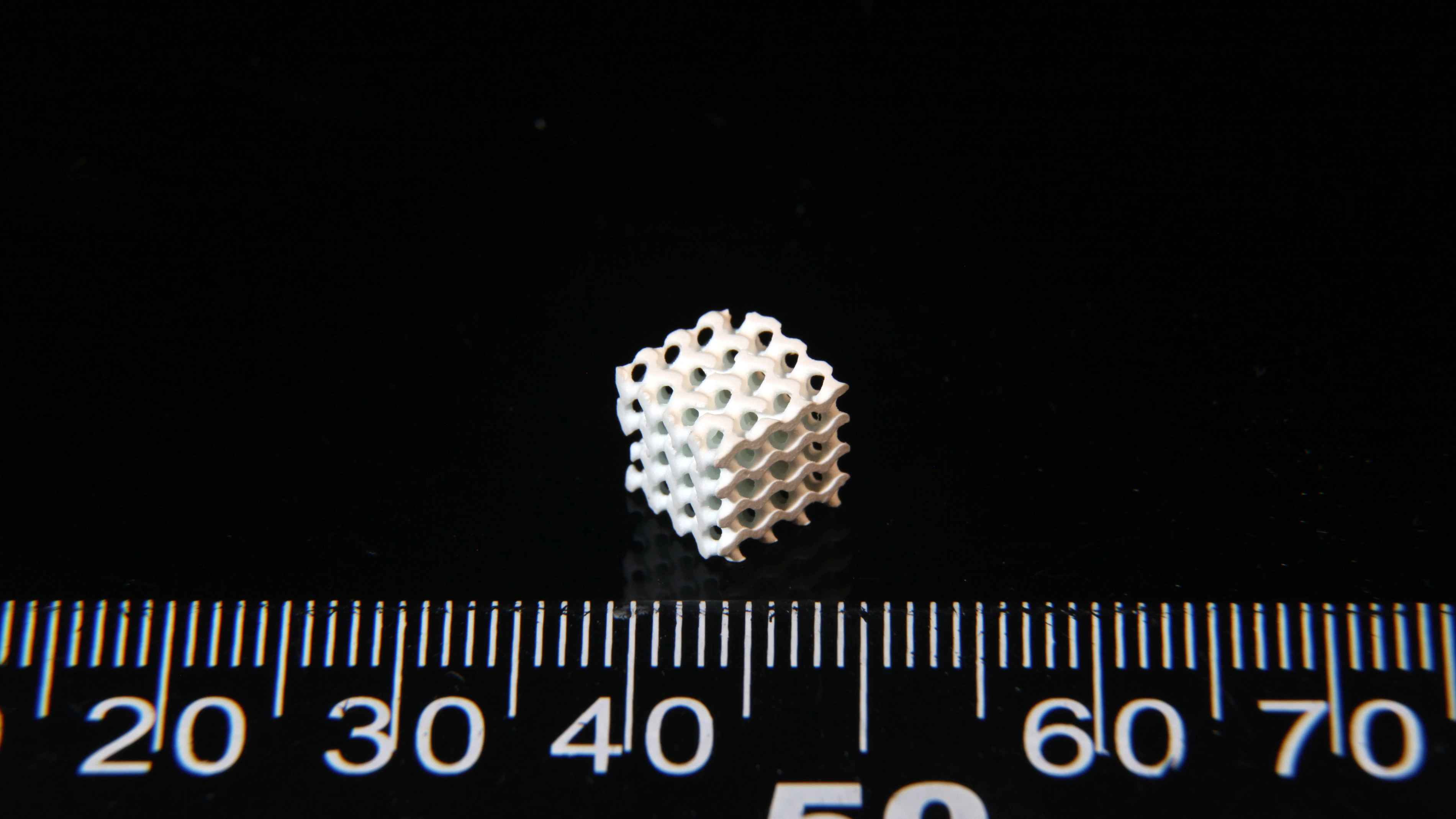
5. Industry Trends and Emerging Opportunities
The global ceramic materials market is shaped by rapid advancements in electronics, energy, and healthcare. In electronics, demand for ultra-thin alumina substrates (0.1 mm) and silicon carbide power modules is surging, driven by electric vehicles and renewable energy systems.
The dental restoration sector is dominated by zirconia, capturing 65% of the market, while 3D-printed bone scaffolds grow at a 30% annual rate.
Aerospace innovations include silicon carbide fiber-reinforced ceramic matrix composites (CMCs), now undergoing validation in next-generation jet engines. 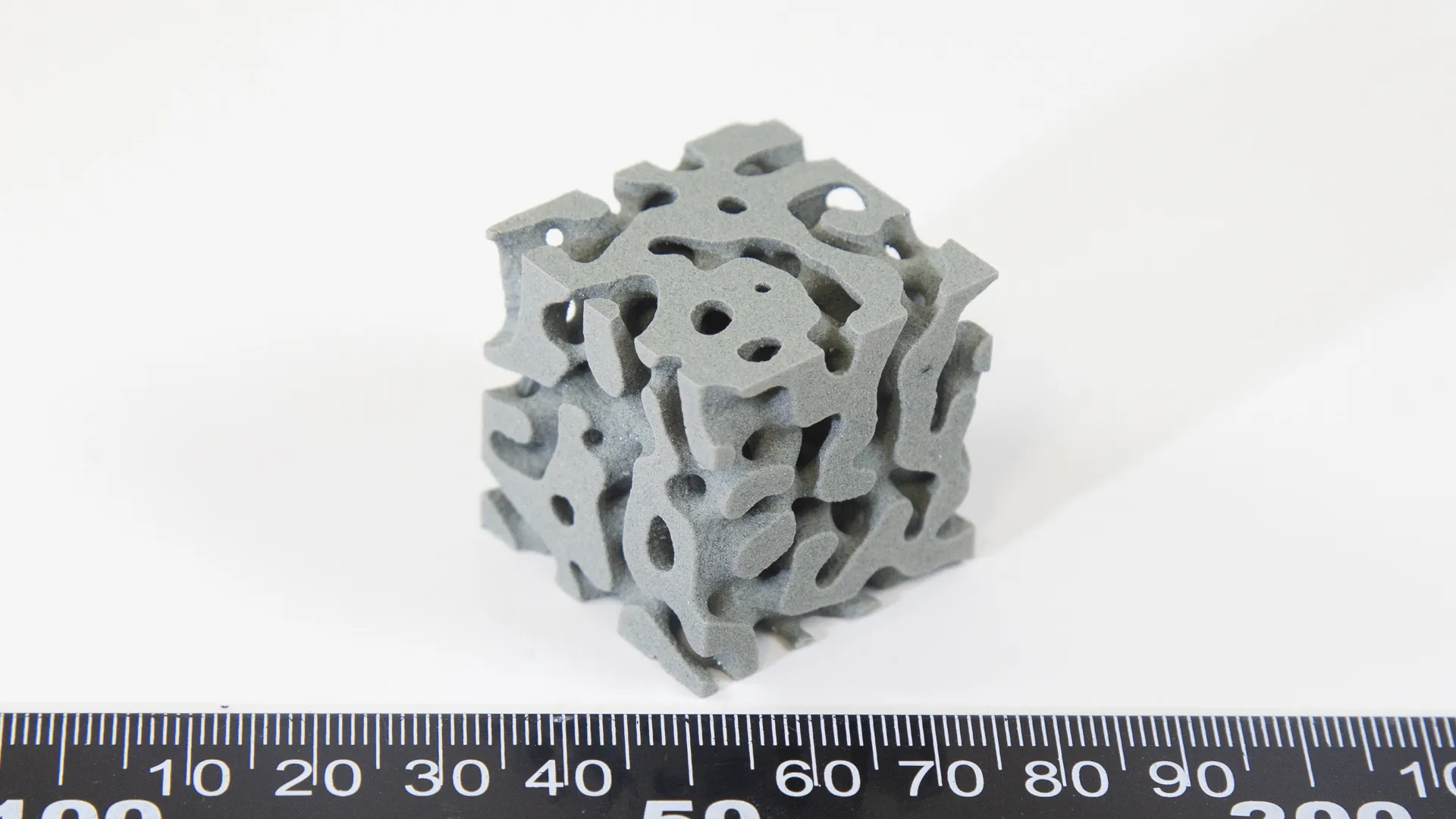
6. Strategic Material Selection
Choosing the optimal ceramic material requires evaluating primary performance criteria—whether mechanical strength, dielectric properties, or biocompatibility—against environmental factors like temperature extremes, chemical exposure, and electromagnetic conditions.
Process feasibility, including forming complexity and sintering requirements, must align with cost considerations such as raw material pricing and lifecycle return on investment.