
DLP 3D Printing: The Impact of Sintering Aid Type and Content on the Mechanical Properties of Si₃N₄ Ceramics
I. DLP 3D Printing: Recent Research on the Phase Composition, Microstructure, Grain Distribution, and Crack Propagation of Si₃N₄ Ceramics
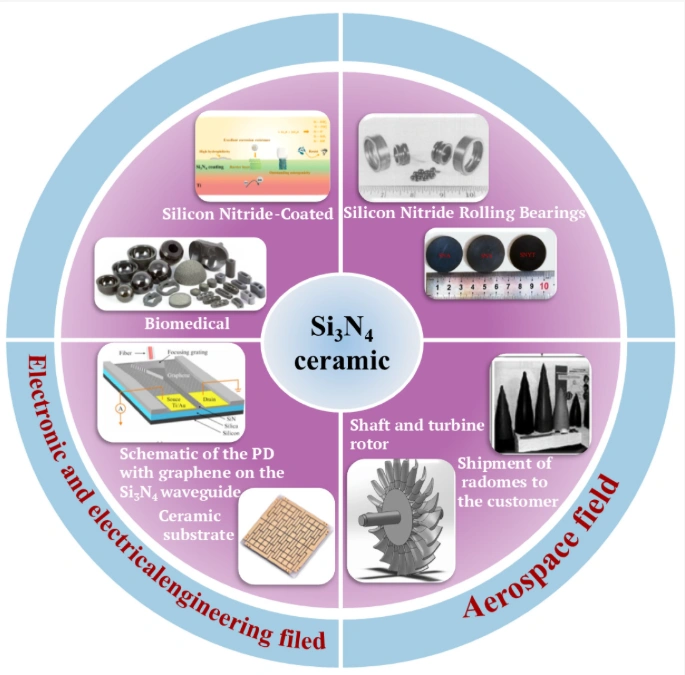
DLP photopolymerization 3D printing of Si₃N₄ ceramics offers unique advantages in meeting the high-strength and complex structural requirements of industries such as aerospace, semiconductors, healthcare, automotive, energy, and machinery. However, due to the high chemical stability, low diffusion rate, poor self-sintering ability, and high melting point of Si₃N₄, achieving densification under conventional sintering conditions is challenging. Therefore, sintering additives are crucial for promoting the sintering process, lowering the sintering temperature, improving densification, and enhancing performance. Recently, Professor Zhang Yujuan and her team at the University of Science and Technology Beijing published a study in *Materials* entitled "Impact of Sintering Aid Type and Content on the Mechanical Properties of Digital Light Processing 3D-Printed Si₃N₄ Ceramics." They used DLP 3D printing technology to study the phase composition, microstructure, grain distribution, and crack propagation of Si₃N₄ ceramics, laying the foundation for the future application of 3D printed Si₃N₄ ceramics, the optimization of different sintering aid combinations, and performance improvement in extreme environments.
Original article link: https://doi.org/10.3390/ma17235830
II. DLP 3D Printing: Methods, Data, and Conclusions of This Study
This study successfully prepared nine different formulations of Si₃N₄ ceramics using DLP 3D printing technology and achieved densification through gas pressure sintering under a nitrogen atmosphere. The addition of 5 wt% Al₂O₃-Y₂O₃ sintering aid effectively improved the sintering performance, refined the microstructure, and enhanced the mechanical properties of the material. This study investigated the toughening mechanisms of Si₃N₄ ceramic composites, revealing the contributions of crack deflection and bridging to improved fracture toughness. This further enriches the toughening strategies for materials and provides effective solutions for the application of high-performance ceramic materials. The following describes the research methods and data:
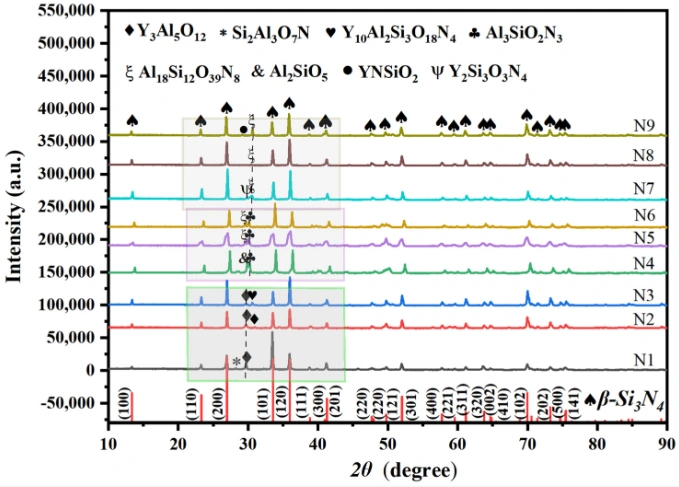
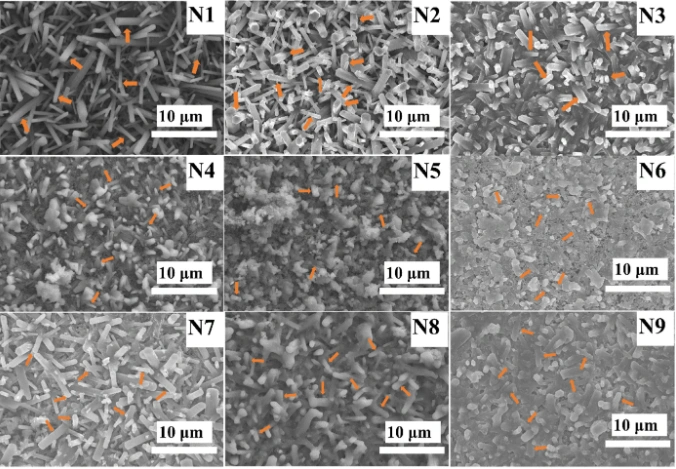
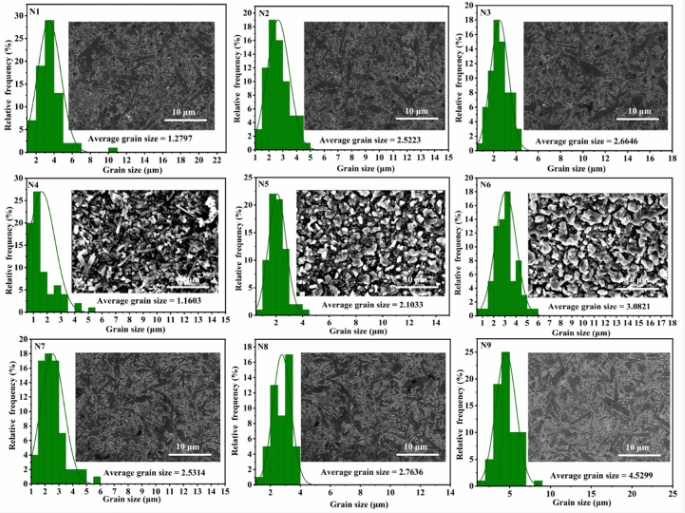
In this study, nine different Si₃N₄ ceramic green bodies (45 vol% solid content) were successfully prepared using DLP 3D printing technology. Densification of the ceramics was achieved through gas pressure sintering at 1 MPa, 1800 °C for 2 hours in a nitrogen atmosphere. Morphological and grain analysis showed that samples containing elongated β-Si₃N₄ grains exhibited fewer pores and a denser microstructure.
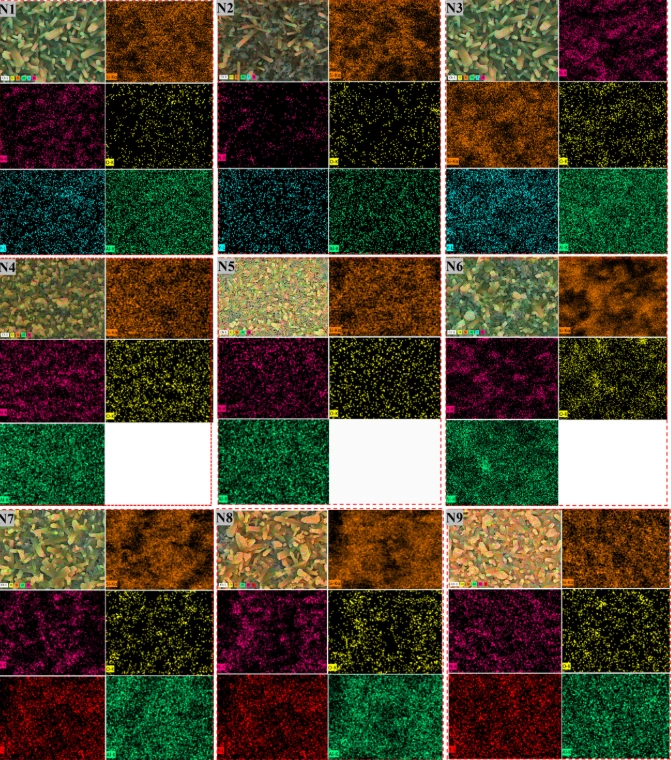
The introduction of Al₂O₃–Y₂O₃ as a sintering aid significantly improved the sintering activity and mechanical properties of the material. The sample with 5 wt% Al₂O₃–Y₂O₃ showed the best overall performance, with a Vickers hardness of 12.88 ± 0.52 GPa, a flexural strength of 540.63 ± 10.05 MPa, and a fracture toughness of 4.92 ± 0.07 MPa·m¹ᐟ².
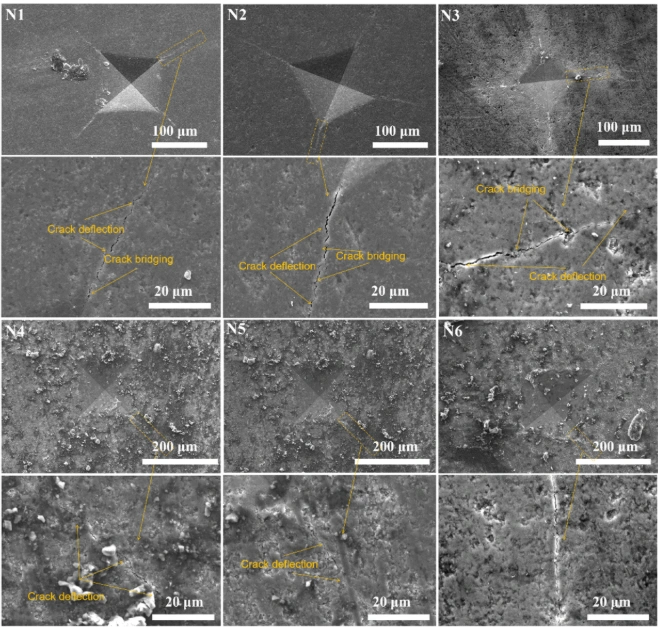
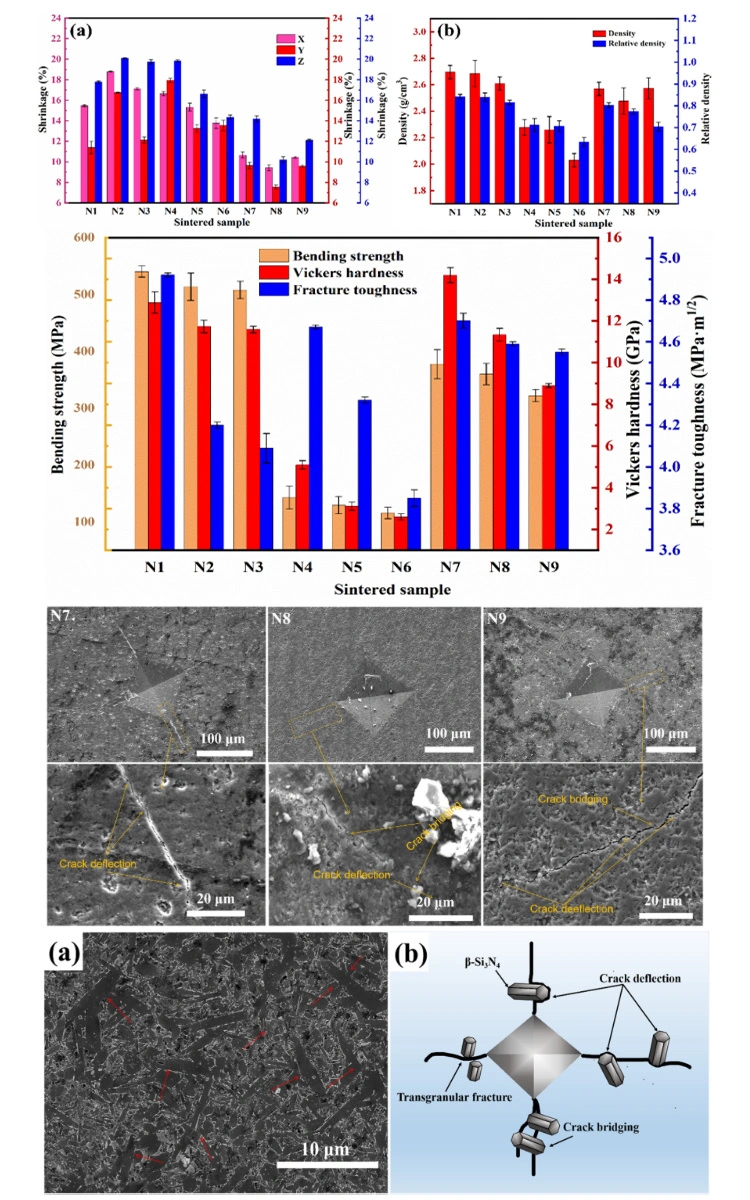
By combining crack path analysis and microstructure observation, the roles of various toughening mechanisms, including crack deflection, crack bridging, and β-Si₃N₄ grain pull-out, in the fracture process of the material were revealed. These mechanisms work synergistically to effectively improve the fracture toughness of the ceramic. This study provides a new technical path and theoretical basis for the design and toughening mechanism research of high-performance Si₃N₄ ceramic materials based on DLP 3D printing, demonstrating good potential for engineering applications.