
Zirconium oxide (ZrO₂) ceramic 3D printing faces challenges such as high sintering temperature, high precision requirements, material shrinkage and crack control. The temperature needs to be precisely controlled to avoid cracks during the printing process, and the post-processing and demolding process after sintering is complicated, requiring fine equipment and processes.
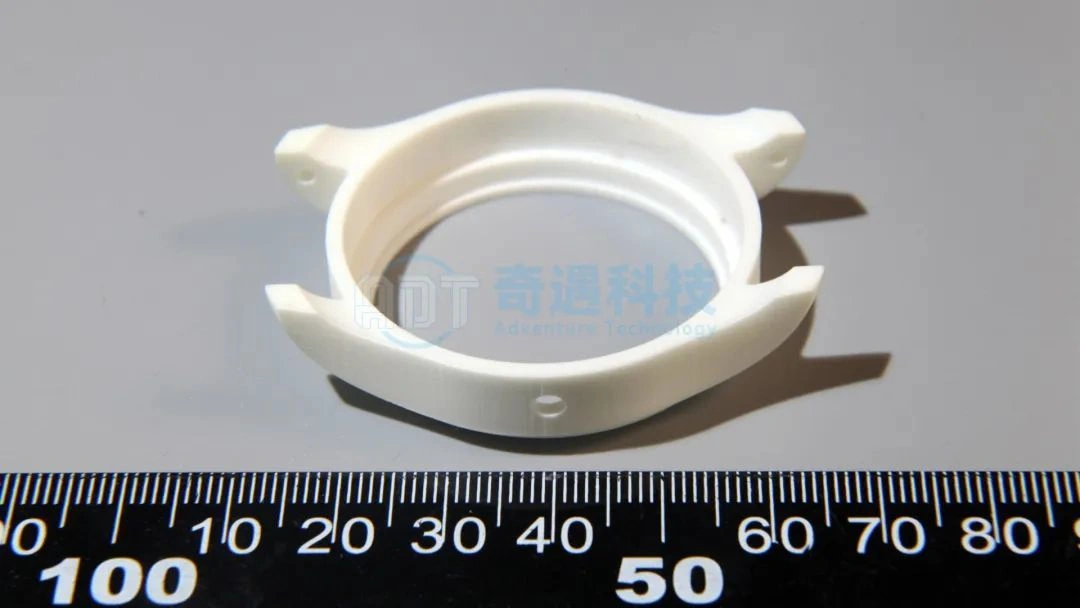
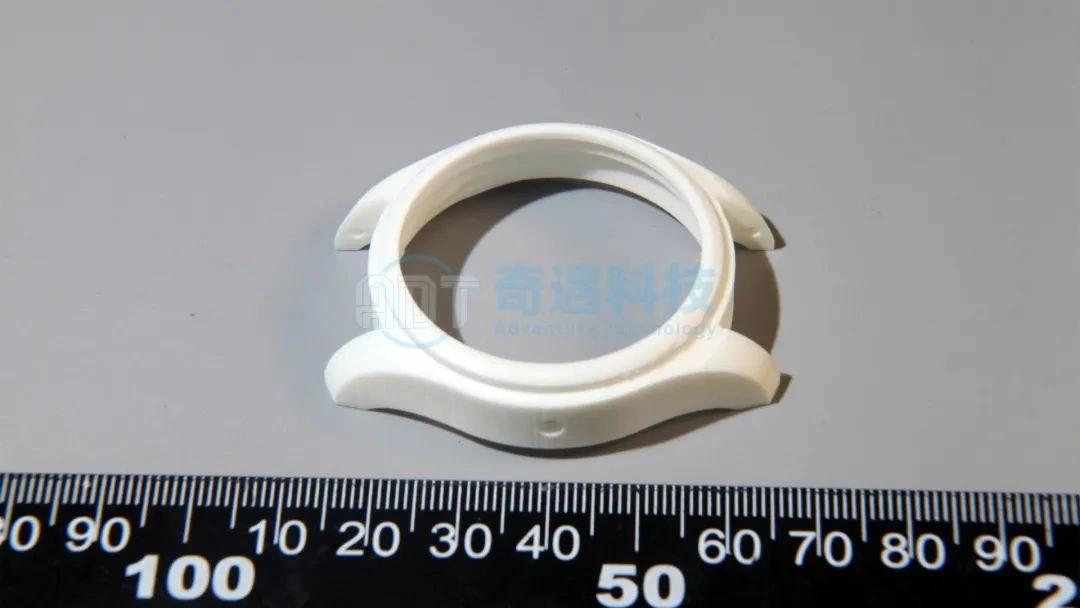
This time, our company used the self-developed DLP ceramic 3D printer and photosensitive zirconium oxide ceramic materials to print and sinter a customized zirconium oxide watch case. We efficiently transform customers' unique design concepts into reality. Next, let's take a look at the printing process of its friction-resistant, anti-oxidation and comfortable tactile zirconium oxide watch case.
Model Slicing
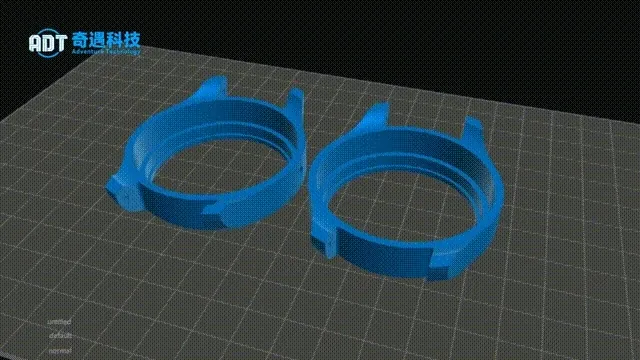
Print layer thickness:0.03mm
Printing process
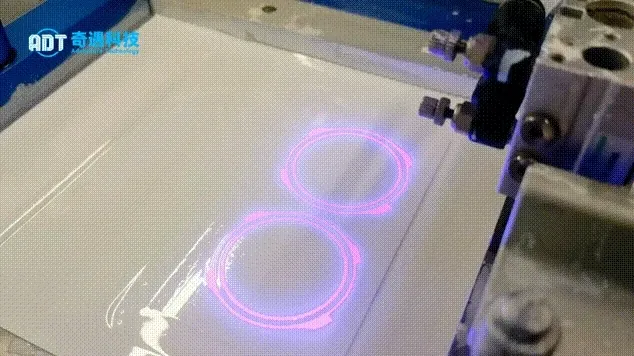
Light curing process (light intensity is 60mW/cm2, exposure time is adjusted to 4s, and material laying speed is 120mm/s)
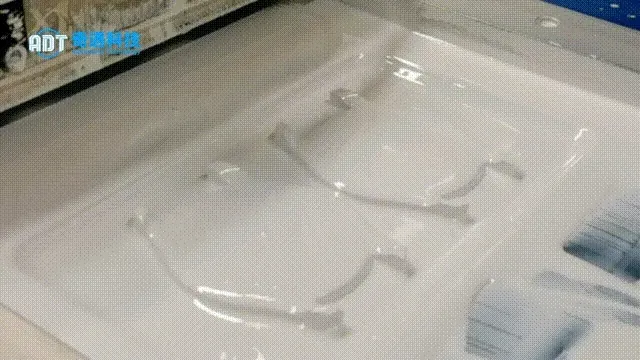
Printing completed
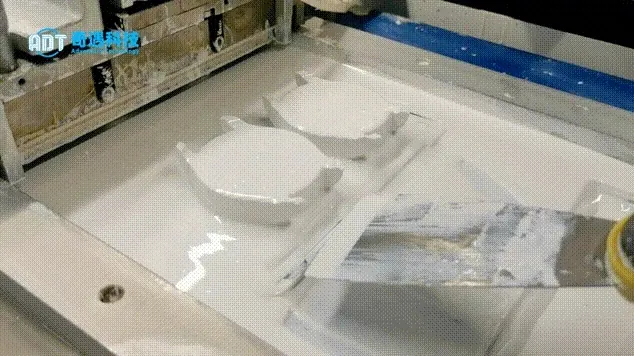
Remove the product
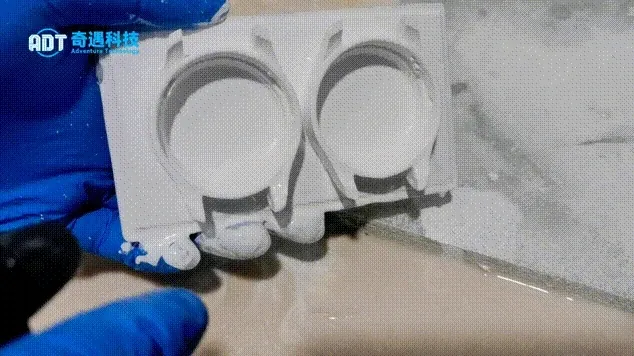
After careful cleaning, the product can be sintered.
Sintering
Finished product display
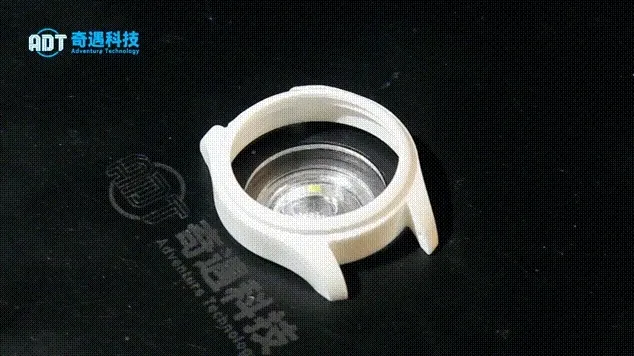
Conclusion
We provide customized, sophisticated watch case solutions that meet modern aesthetic needs. Our customers also give us positive feedback.Through ceramic 3D printing, we can customize many personalized products or scientific research models. If you are also interested, you can contact us at any time to provide services.