
Ceramic 3D Printing Slurry Breakthrough
In a significant advancement for ceramic 3D printing, the team led by Qiaolei Li has published a groundbreaking study in Ceramics International—“Optimisation and application of high solid loading stereolithography 3D printing ceramic cores slurry.”
The study successfully tackles one of the most pressing technical challenges in ceramic 3d print: balancing high solid loading with low viscosity to print complex ceramic core geometries with enhanced precision and strength.
Background: Challenges in Traditional Ceramic Core Manufacturing
Conventionally, ceramic cores are manufactured using hot-press injection molding, which is time-consuming, expensive, and ill-suited for intricate geometries. As industries demand more complex parts—particularly in aerospace, energy, and investment casting—there’s a growing need for innovative, rapid, and digital manufacturing solutions.
Solution: Photocuring-Based Ceramic 3D Print Slurry Optimization
The research focuses on stereolithography (SLA)-based ceramic 3D printing—a technique that utilizes light-curable resin mixed with ceramic particles. The core innovation lies in formulating a photocurable ceramic slurry with:
- High solid content (up to 60–65 vol%)
- Low viscosity for smooth layer recoating
- Stable suspension and excellent curing behavior
Experimental Findings: Viscosity, Stability, and Curing Performance
By adjusting resin ratios and analyzing the interactions between resin–resin and resin–ceramic phases, the researchers identified the ideal formulation. Below are visual highlights from their experiments:
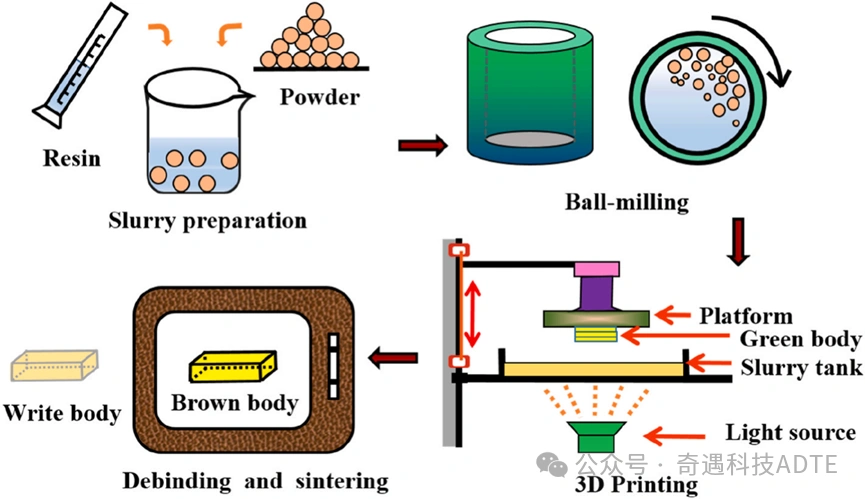
Figure 1: Process flow of ceramic core printing using stereolithography.
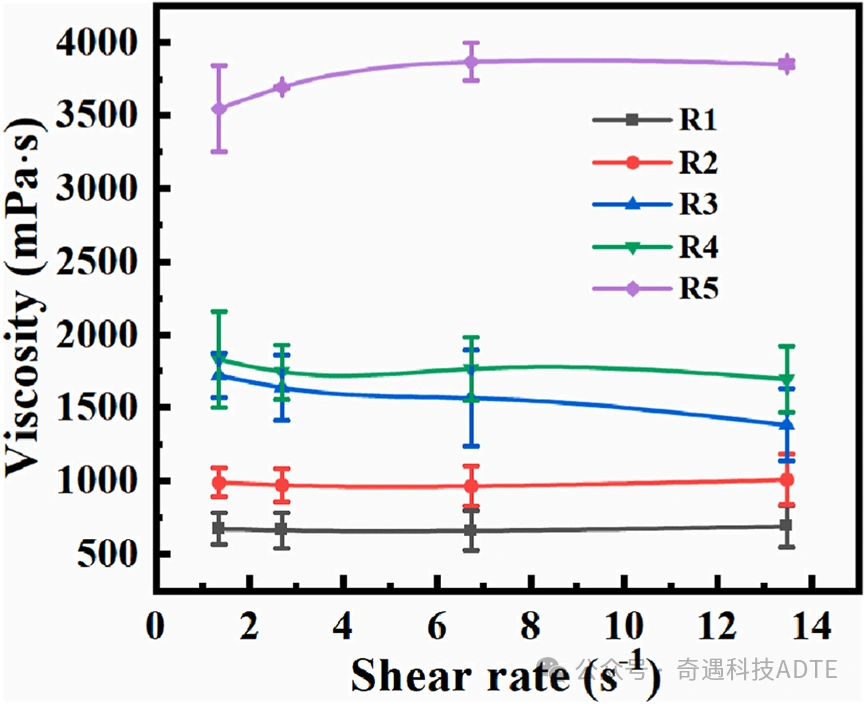
Figure 2: Viscosity curves across shear rates for different slurry formulations.
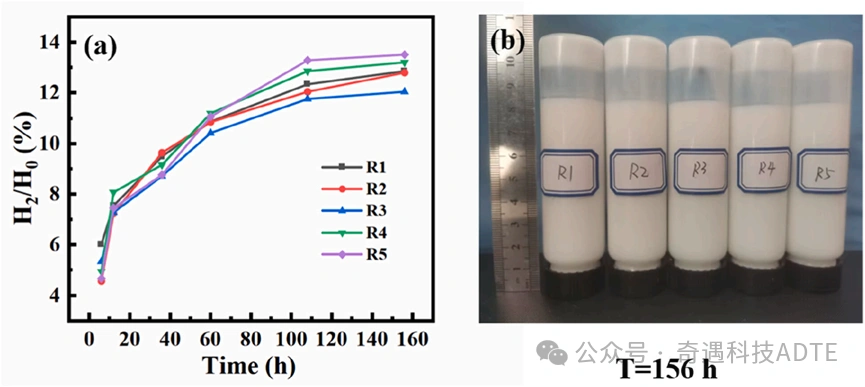
Figure 3: Slurry sedimentation and long-term stability comparison.
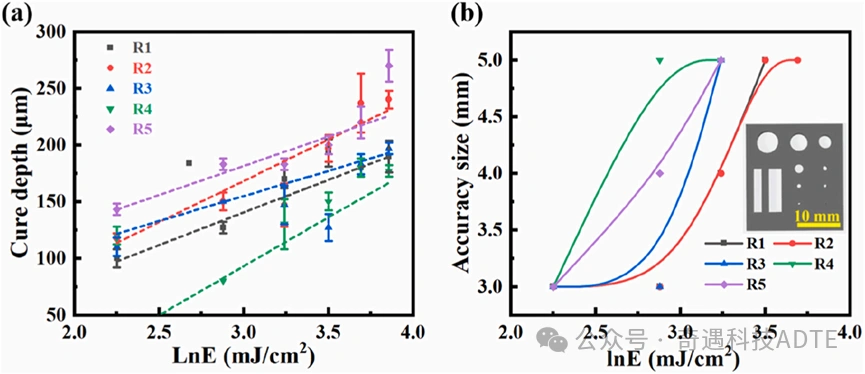
Figure 4: Curing performance based on exposure energy and precision metrics.
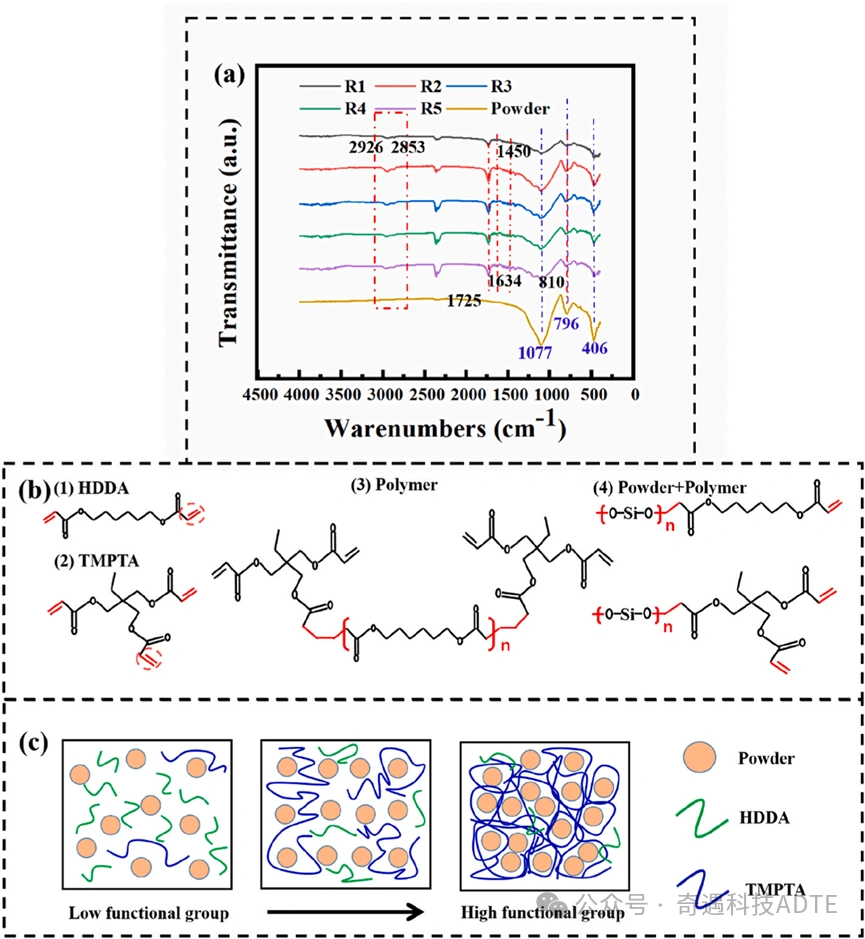
Figure 5: Polymerization and powder dispersion schematic in SLA ceramic slurries.
Key Insight: Ceramic Slurry Must Balance Solid Content and Printability
The research reinforces a central tenet of ceramic 3D print development: there is a fine line between increasing solid content for strength and maintaining rheological properties for successful SLA processing.
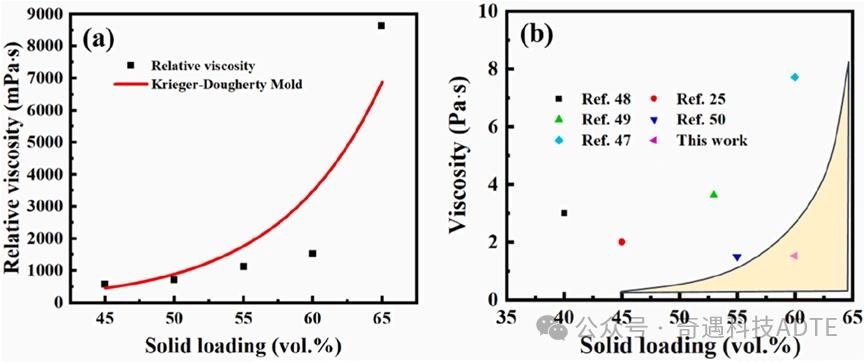
Figure 6: Stability curves and photos for slurries after 60 days.
Application Outlook: Toward High-Performance Industrial Ceramic Cores
This optimized slurry enables the fabrication of ceramic cores with finer features and more uniform mechanical properties. Applications include:
- Gas turbine blade internal cooling channels
- Medical-grade porous ceramic components
- Complex mold cores for precision casting
Conclusion: Ceramic 3D Printing at the Frontier of Industrial Transformation
The study serves as a landmark contribution to the growing field of ceramic 3D printing. By optimizing photocurable ceramic slurries, researchers pave the way for faster, cleaner, and more flexible ceramic manufacturing. With companies like Adventuretech already applying similar technologies, the transition from laboratory to industrial scale is within reach.
Original Paper:
https://www.sciencedirect.com/science/article/abs/pii/S0272884223035393
Adventuretech Official Website:
Call now to schedule a consultation
Visit our office on Foshan, China