
Fused silica ceramics possess excellent properties such as low coefficient of thermal expansion, low dielectric constant, and low dielectric loss, making them widely used in aerospace, electronics, and metallurgical industries.
However, the relatively low strength of fused silica ceramics cannot meet the ever-evolving demands of industrial applications. Recently, Professor Chen Jian and his team from the National University of Defense Technology published a study titled “Regulation of sintering procedure on property of DLP-printing SiO₂-Al₂O₃ ceramic: Key of cristobalite precipitation” in *Applied Ceramic Technology*. They used digital light processing (DLP) 3D printing technology to prepare SiO₂-Al₂O₃ multiphase ceramics. Through sintering process screening and optimization, they obtained SiO₂-Al₂O₃ multiphase ceramics with high flexural strength and low dielectric constant 3d print ceramic.
Original link: https://doi.org/10.1111/ijac.15005
AdventureTech Official Website:
https://www.adventure-tech.cn/
Numerous studies have shown that the main properties of ceramics prepared based on DLP technology largely depend on the sintering process 3d print ceramic.
This study selected alumina as the second phase to enhance fused silica ceramics, and combined it with DLP 3d print ceramic technology based on photopolymerization to prepare SiO₂-Al₂O₃ multiphase ceramic green bodies. The effects of the sintering process on the physical, microstructure, mechanical, and dielectric properties of the multiphase ceramics were investigated in detail. By controlling the sintering process, including the heating rate, holding time, and sintering temperature, SiO₂-Al₂O₃ multiphase ceramics with both mechanical and dielectric properties can be obtained.
The following are the research methods and data presented in this article:
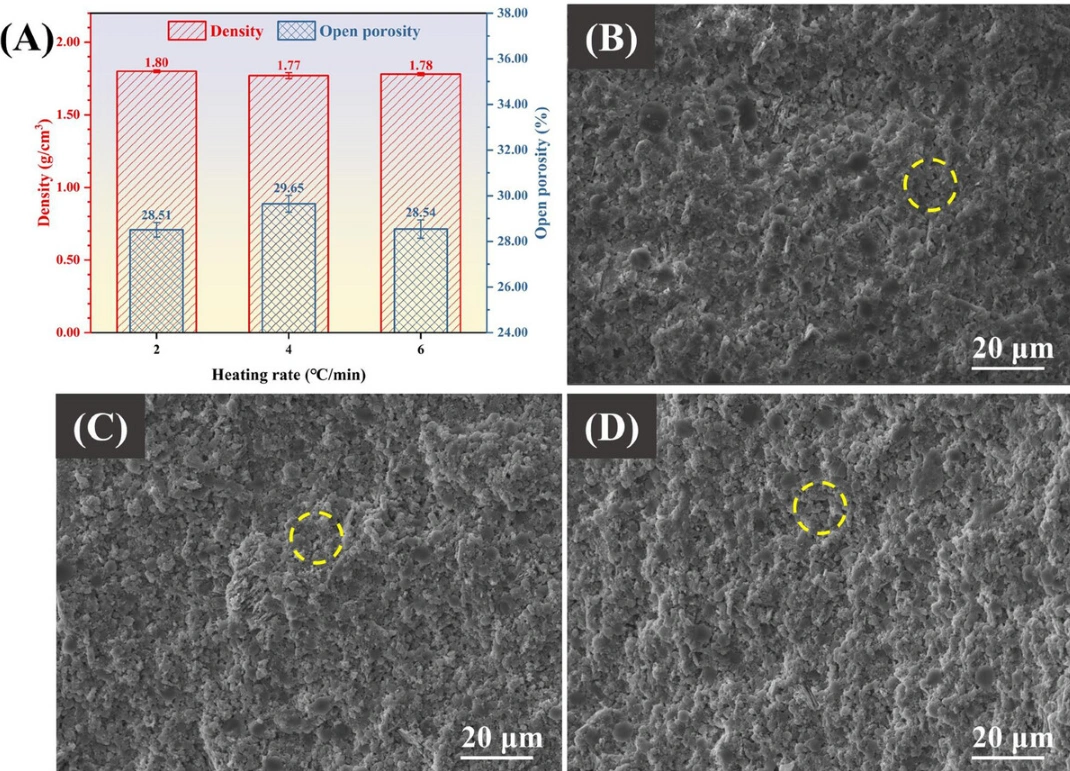
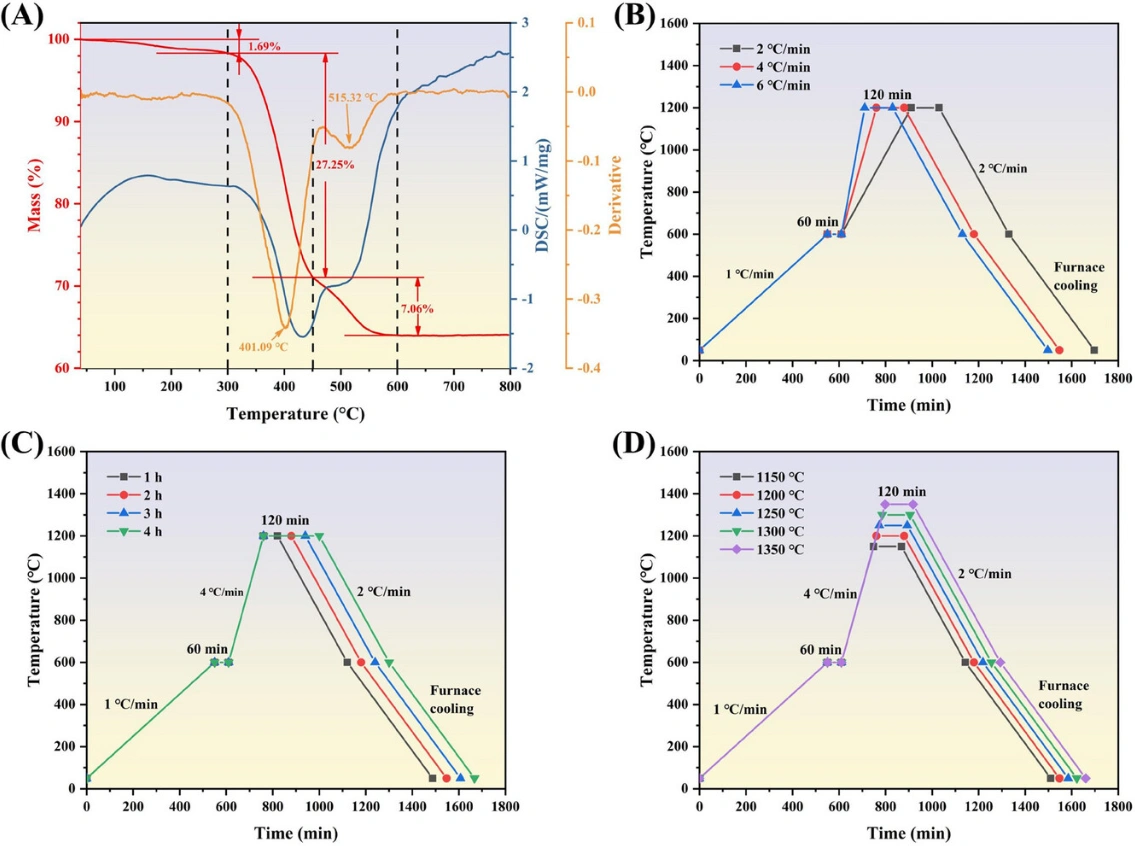
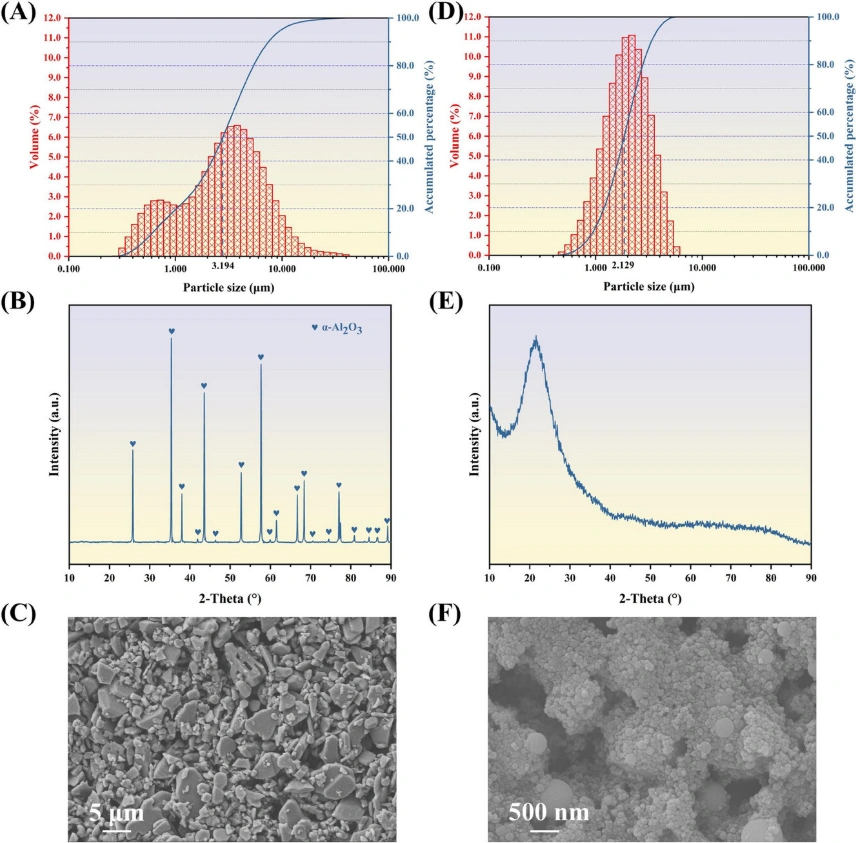
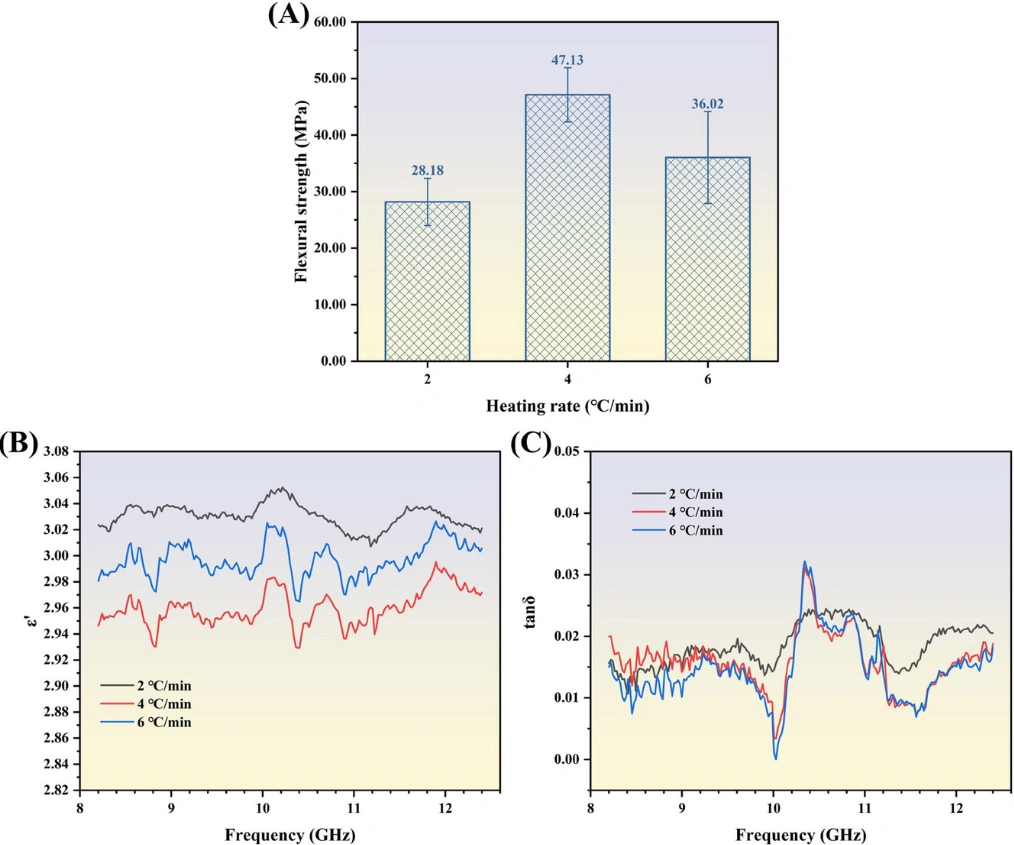
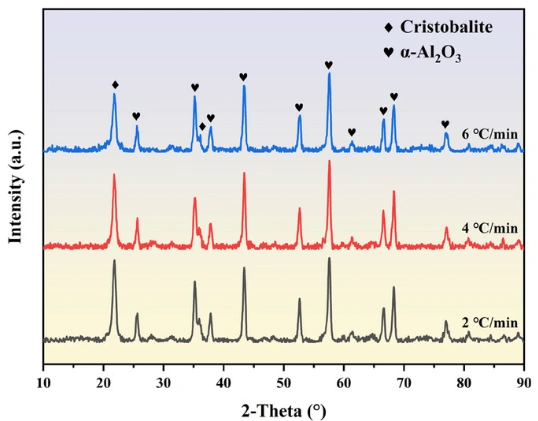
In summary, the sintering heating rate, holding time, and sintering temperature have a significant impact on the microstructure and properties of SiO₂–Al₂O₃ multiphase ceramics.
A heating rate that is too low leads to prolonged cristobalite precipitation time, while a rate that is too high easily results in insufficient densification. Prolonged holding time promotes continuous cristobalite precipitation, increasing the ceramic’s dielectric constant, but excessive precipitation weakens mechanical properties. While increasing the sintering temperature promotes densification, it simultaneously exacerbates cristobalite precipitation.
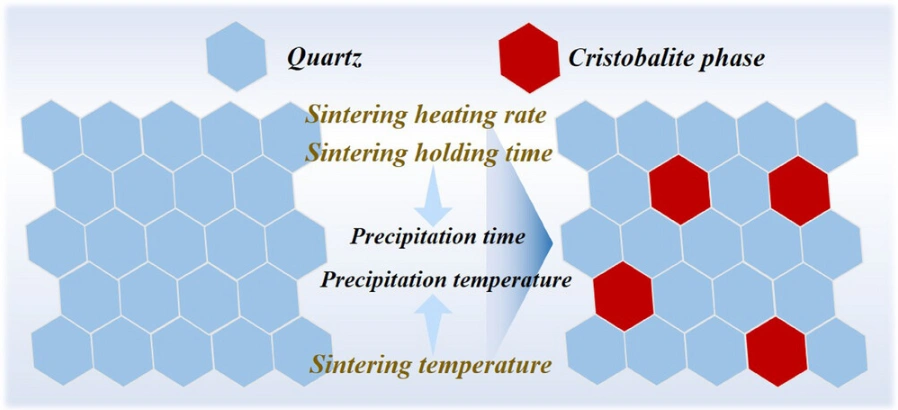
Considering the effects of all factors, the optimal comprehensive performance of the multiphase ceramics was determined to be achieved at a sintering temperature of 1200 °C, a holding time of 2 h, and a heating rate of 4 °C/min. Under these conditions, the material’s flexural strength reaches 47.13 MPa, the dielectric constant remains stable between 2.90 and 2.97, and the dielectric loss (tan δ) is below 0.041.
Combining the advantages of DLP 3d print ceramic technology in the precision forming of complex structures, this study proposes a new process for preparing SiO₂–Al₂O₃ multiphase ceramics with excellent mechanical and dielectric properties, providing an effective path for the design and manufacturing of high-performance composite dielectric ceramics.