
The demand for advanced stealth technologies is driving innovation in materials science, particularly in Electromagnetic Interference (EMI) shielding and Radar Absorbing Materials. Among emerging solutions, SiCN ceramic structures derived from Polymer-Derived Ceramics (PDCs) are gaining significant attention.
With the integration of DLP Ceramic 3D Printing, these materials can now be fabricated into complex honeycomb architectures, offering unprecedented control over electromagnetic performance and structural design.
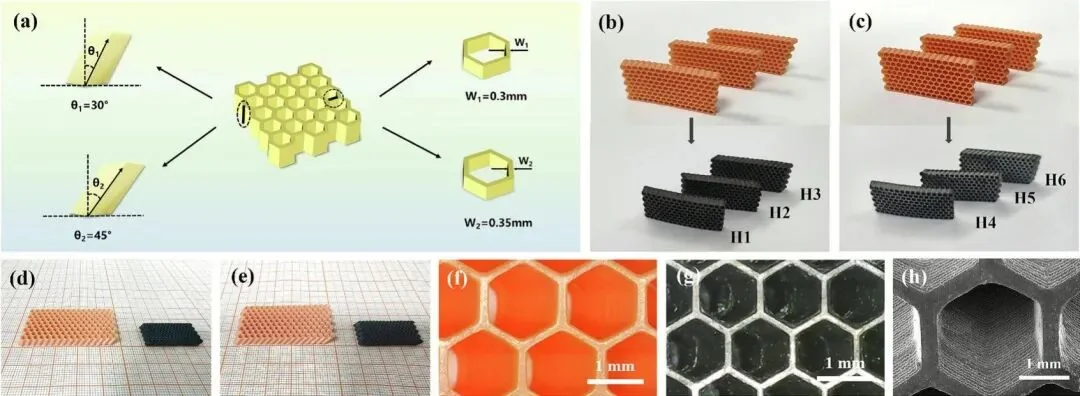
What Are Polymer-Derived Ceramics (PDCs)?
Polymer-Derived Ceramics (PDCs) are a class of advanced ceramics produced through the pyrolysis of preceramic polymers. Unlike traditional powder-based ceramics, PDCs enable molecular-level design of composition and structure.
Common PDC systems include:
- SiCN (Silicon Carbon Nitride)
- SiC (Silicon Carbide)
- SiOC (Silicon Oxycarbide)
Among these, SiCN ceramic structures are particularly suitable for electromagnetic applications due to their tunable electrical conductivity and thermal stability.
SiCN Ceramic Structures for EMI Shielding and Radar Absorption
SiCN ceramic structures exhibit unique dielectric and conductive properties, making them ideal for Electromagnetic Interference (EMI) Shielding and Radar Absorbing Materials.
Key Functional Advantages
- Adjustable dielectric properties
- High thermal resistance
- Oxidation resistance in harsh environments
- Stable performance at high frequencies
These characteristics allow SiCN to effectively attenuate electromagnetic waves, making it suitable for aerospace, defense, and electronic applications.
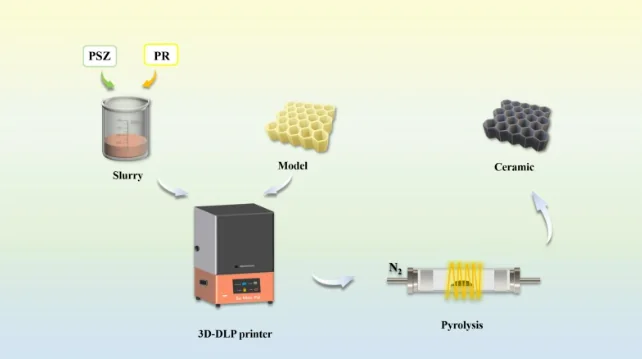
Honeycomb Design: Enhancing Radar Absorption Performance
The introduction of honeycomb geometries significantly enhances the performance of Radar Absorbing Materials.
A well-designed honeycomb structure provides:
- Multiple internal reflections of electromagnetic waves
- Increased energy dissipation pathways
- Reduced material density (lightweight structures)
- Optimized impedance matching
This structured design approach is critical for maximizing absorption efficiency while maintaining mechanical integrity.
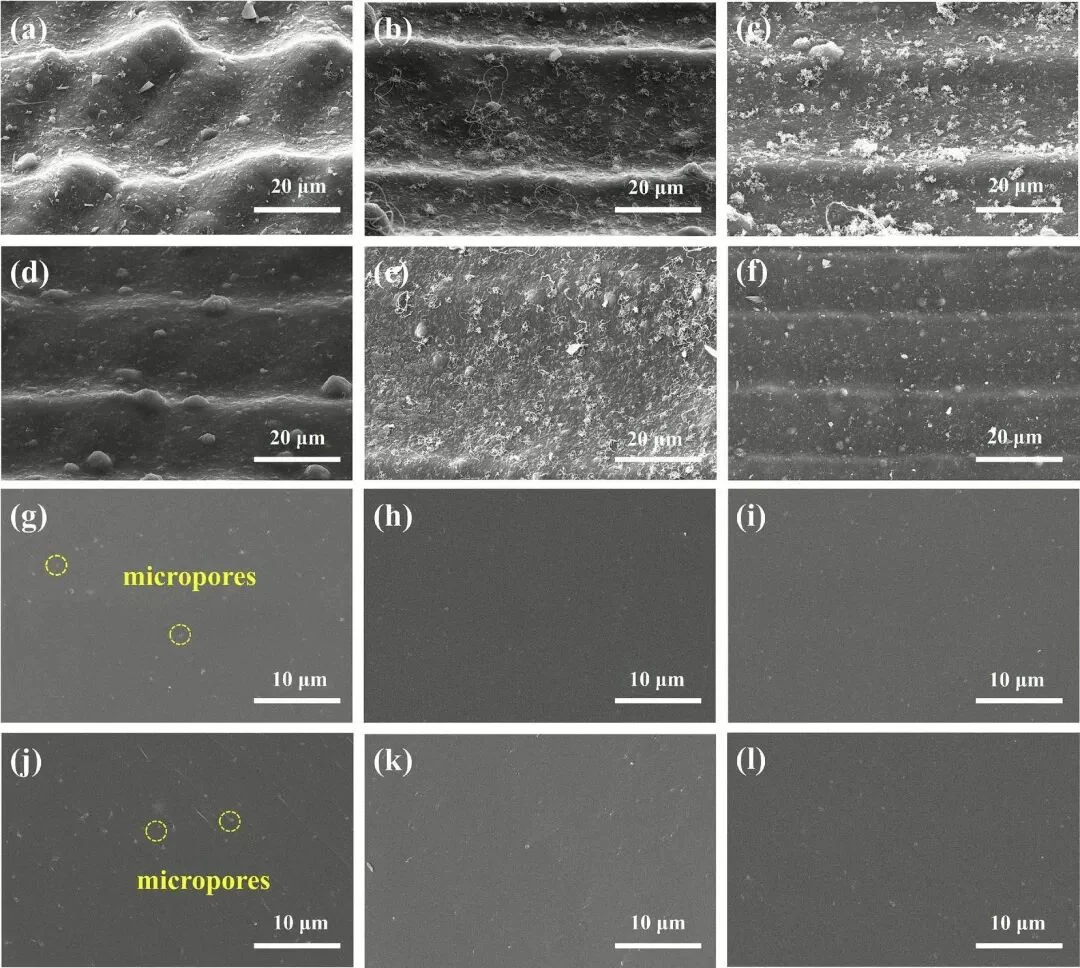
DLP Ceramic 3D Printing: Enabling Complex SiCN Architectures
Traditional manufacturing methods cannot easily produce complex internal geometries required for advanced electromagnetic materials. This is where DLP Ceramic 3D Printing becomes transformative.
Using high-resolution digital light processing, engineers can fabricate intricate SiCN structures with precise control over geometry and porosity.
Advantages of DLP Technology
- High printing resolution
- Excellent surface quality
- Design flexibility for complex geometries
- Repeatable and scalable production
This technology bridges the gap between theoretical design and real-world manufacturing of advanced stealth materials.
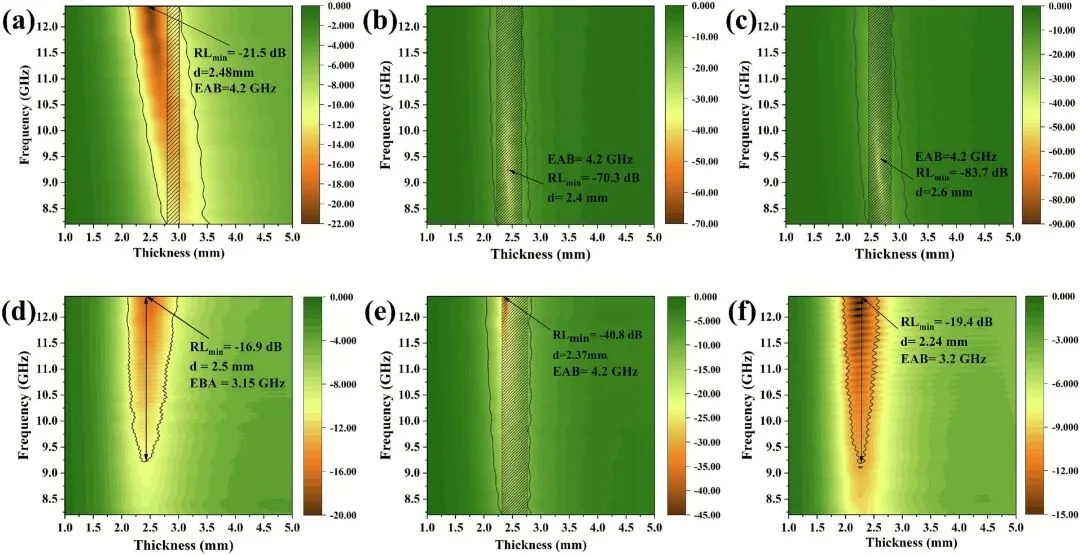
ADT Ceramic 3DP: Driving Innovation in Stealth Materials
ADT Ceramic 3DP is a leading innovator in DLP Ceramic 3D Printing, providing advanced solutions for high-performance ceramic applications, including electromagnetic materials.
ADT offers:
- Customized PDC-based material systems
- High-precision ceramic 3D printing equipment
- Application-driven design and engineering support
By combining material innovation with advanced manufacturing, ADT enables the scalable production of next-generation SiCN ceramic structures for demanding applications.
Industrial Applications of SiCN Stealth Materials
DLP-printed SiCN materials are rapidly being adopted in:
- Aerospace stealth structures
- Radar absorbing coatings and components
- High-frequency electronic systems
- Defense and communication technologies
These applications benefit from lightweight design, thermal stability, and excellent electromagnetic performance.
Conclusion
The combination of Polymer-Derived Ceramics (PDCs) and DLP Ceramic 3D Printing is redefining the design and manufacturing of advanced electromagnetic materials.
With tunable properties and complex architectures, SiCN ceramic structures represent the next generation of Radar Absorbing Materials and EMI shielding solutions.
AdventureTech (ADT) provides DLP ceramic 3D printing systems, compatible high-solid-loading slurries, and technical support for developing and optimizing such composite bioceramics. Researchers interested in replicating or extending these workflows can explore compatible equipment and materials through https://www.adventure-tech.cn