
The TCT Asia 2026 exhibition has once again demonstrated why it is the leading platform for industrial 3D printing technologies in the Asia-Pacific region. Held in Shanghai from March 17–19, the event gathered over 550 exhibitors and thousands of professionals, showcasing the rapid evolution of additive manufacturing trends across industries.
From advanced materials to production-grade systems, this year’s exhibition highlighted a clear shift: additive manufacturing is no longer limited to prototyping—it is becoming a core manufacturing solution for end-use parts.
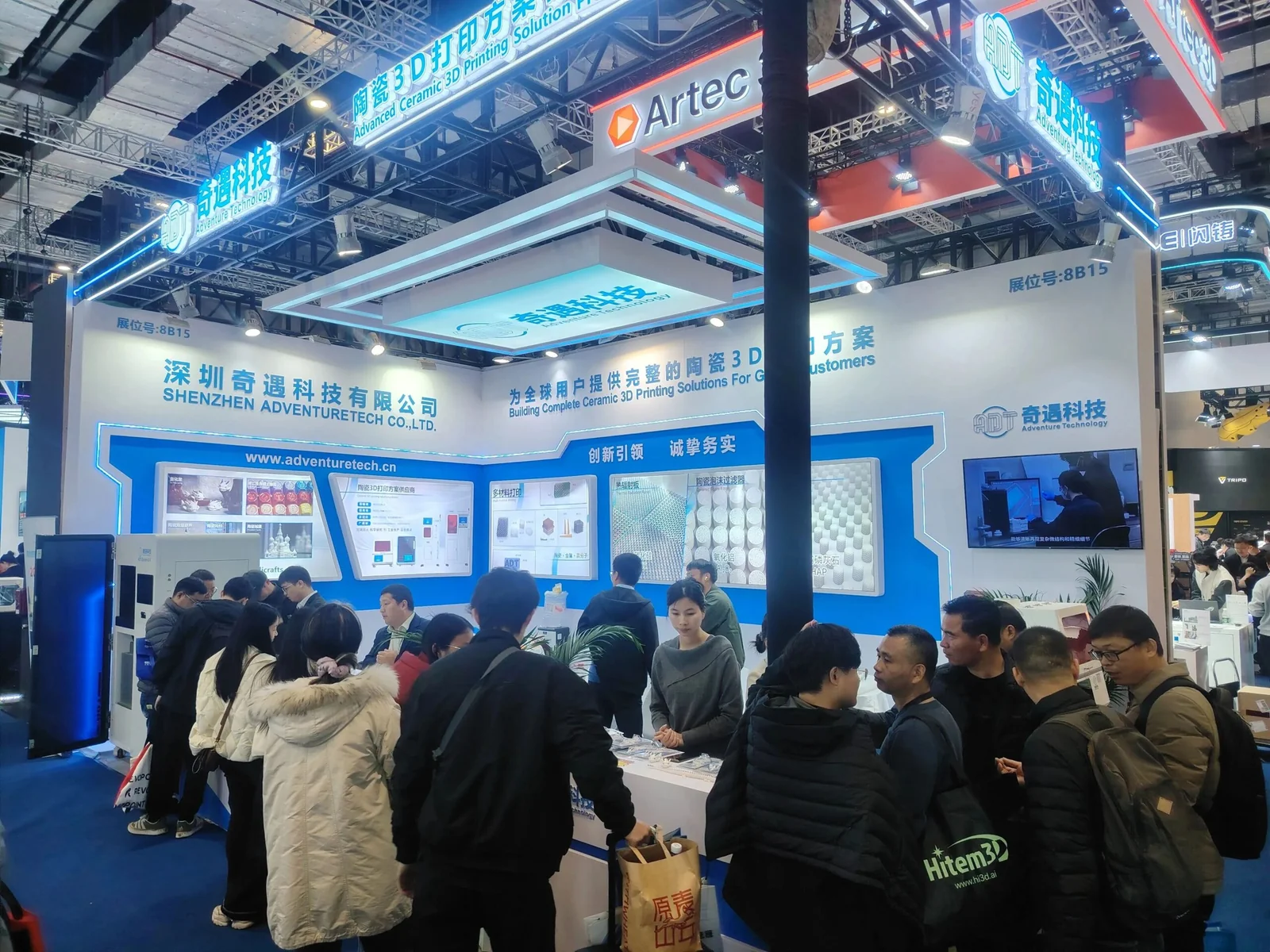
TCT Asia 2026: A Hub for Industrial Additive Manufacturing Innovation
As one of the most influential additive manufacturing exhibitions globally, TCT Asia provides a comprehensive view of the industry—from hardware and software to materials and applications. The event emphasizes real-world applications, enabling engineers and manufacturers to evaluate scalable solutions.
A key theme in 2026 is “Application-Driven Innovation”, where companies demonstrate how additive manufacturing is integrated into aerospace, healthcare, automotive, and electronics sectors.
Key Additive Manufacturing Trends in 2026
Transition from Prototyping to Production
One of the most important additive manufacturing trends observed at TCT Asia 2026 is the transition toward full-scale production. Manufacturers are increasingly adopting AM for tooling, functional components, and mass customization.
Material Innovation Driving Performance
Material development remains a critical driver of innovation. High-performance ceramics, metal alloys, and engineering polymers are enabling new applications in extreme environments, including aerospace and thermal management systems.
Integration with Industry 4.0
Additive manufacturing is becoming deeply integrated with digital manufacturing ecosystems, including AI-driven design, simulation, and smart production workflows.
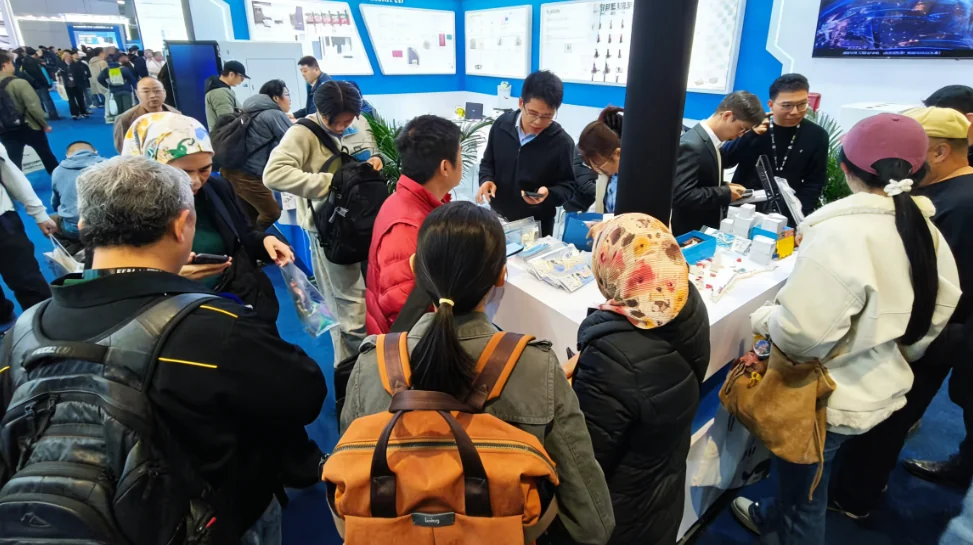
Ceramic 3D Printing Solutions: Unlocking Advanced Applications
Among all technologies presented, ceramic 3D printing solutions stand out due to their unique ability to produce complex geometries with exceptional thermal, chemical, and mechanical properties.
Advantages of Ceramic AM
- High temperature resistance
- Excellent wear and corrosion resistance
- Electrical insulation or conductivity (depending on material)
- Capability to fabricate complex internal structures
Key Ceramic AM Applications
Ceramic additive manufacturing is increasingly used in:
- Aerospace components
- Medical implants and dental restorations
- Electronic substrates and insulating parts
- Energy systems and catalytic structures
These ceramic AM applications highlight the growing importance of ceramics in next-generation manufacturing.
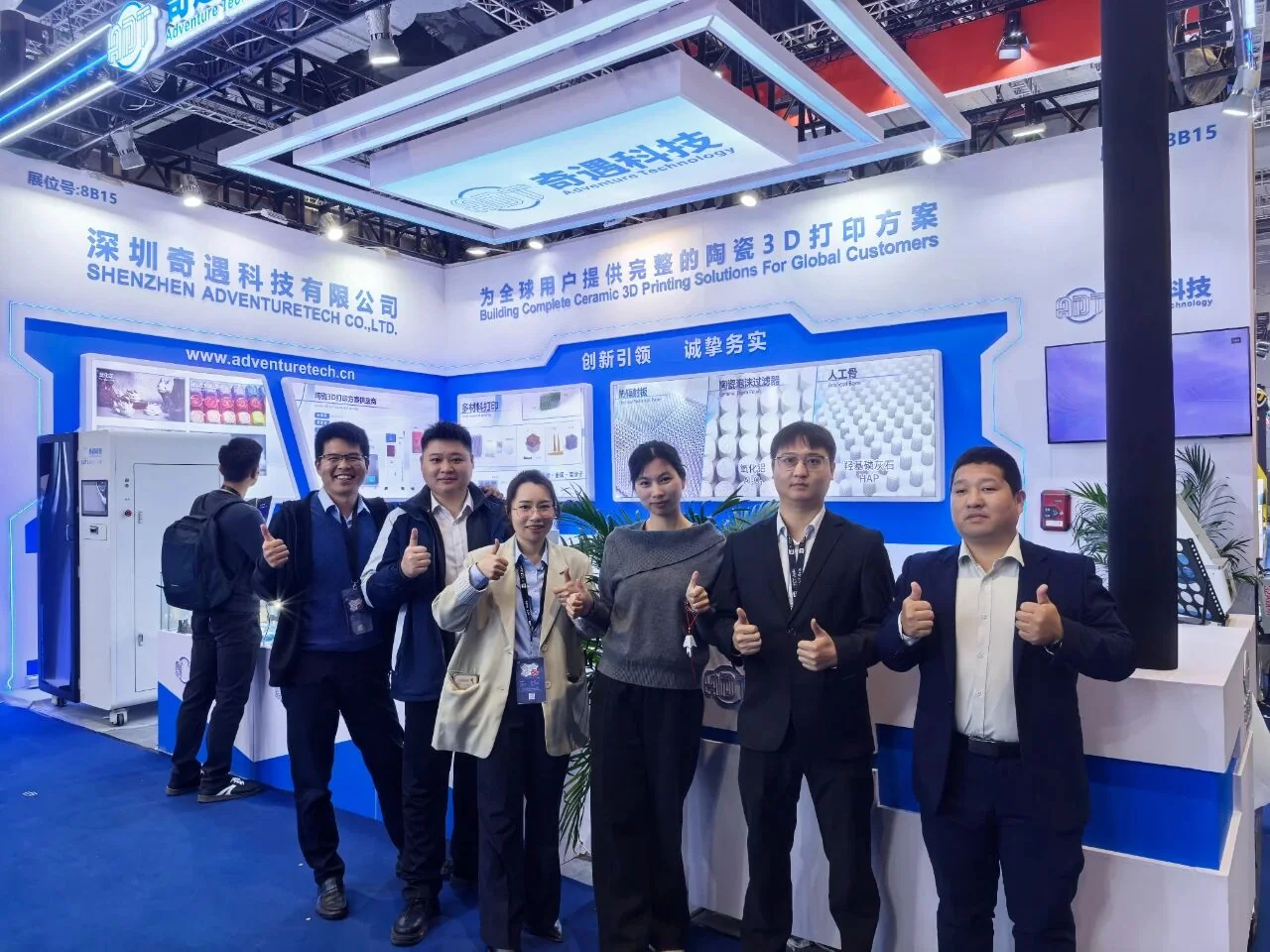
At TCT Asia 2026, a major breakthrough accelerating this adoption trend is the significant reduction in material costs. ADT Ceramic 3DP has announced a strategic optimization of ceramic slurry formulations, dispersion processes, and supply chain systems—successfully lowering the cost of mainstream ceramic materials to as low as RMB 200/kg.
This shift marks a critical turning point for the industry: ceramic 3D printing is evolving from a high-cost, niche technology into a scalable manufacturing solution. By making materials more accessible and economically viable, ADT is enabling manufacturers to move from “limited use” to “high-volume production,” further unlocking the full potential of industrial 3D printing technologies.
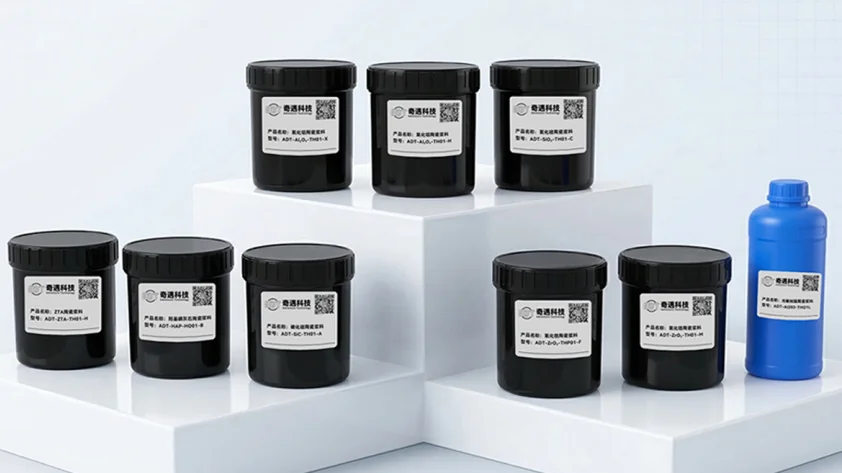
ADT Ceramic 3DP: Advanced Ceramic Additive Manufacturing Solutions
At the forefront of this transformation is ADT Ceramic 3DP, a company specializing in high-performance ceramic additive manufacturing technologies.
With deep expertise in material science and engineering, ADT provides:
- High-precision ceramic 3D printing systems
- Customized ceramic materials for industrial applications
- End-to-end solutions from design to final production
By combining innovation with practical industry experience, ADT empowers manufacturers to adopt industrial 3D printing technologies efficiently and reliably.
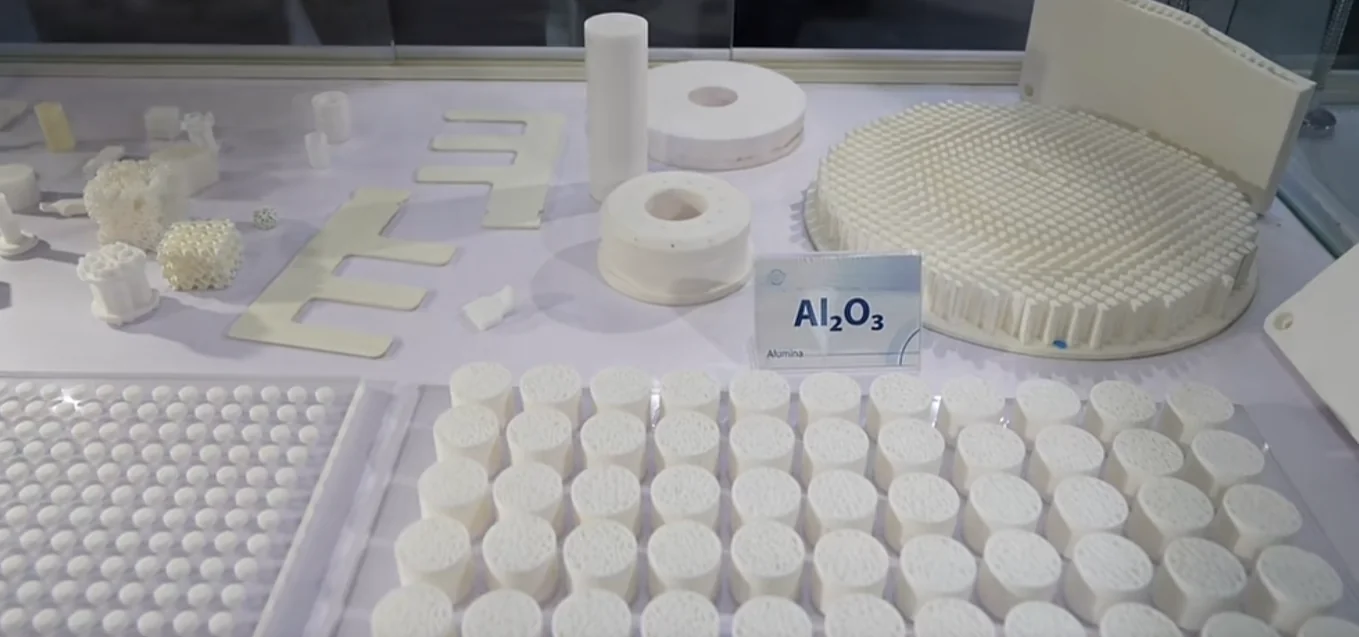
The Future of Ceramic Additive Manufacturing
Looking ahead, ceramic AM is expected to play a critical role in advanced manufacturing ecosystems. As industries demand higher performance materials and more complex designs, ceramic 3D printing will continue to expand its applications.
TCT Asia 2026 clearly demonstrates that the future of manufacturing lies in the convergence of materials innovation, digital design, and scalable additive technologies.
Companies like ADT Ceramic 3DP are well-positioned to lead this transformation by delivering reliable and high-performance ceramic solutions tailored to industrial needs.
Conclusion
TCT Asia 2026 highlights the accelerating adoption of additive manufacturing across industries. From emerging additive manufacturing trends to cutting-edge ceramic 3D printing solutions, the event confirms that AM is transitioning into a mainstream industrial technology.
For companies seeking to stay competitive, investing in ceramic AM applications and partnering with experienced providers like ADT Ceramic 3DP will be key to unlocking new opportunities in the evolving manufacturing landscape.
Ready to explore the future of ceramic AM?
Contact ADT today:
Website: https://www.adventure-tech.cn
Website: https://adt-ceramic3dp.com