
Let’s face it—ceramics aren’t just for your grandma’s teacups anymore.
Thanks to the fast growth of 3D printing, the world of ceramics has moved beyond traditional manufacturing limits.
In Part 1, we explored the wonders of slurry-based techniques like stereolithography (SL) and digital light processing (DLP).
Now, in Part 2, we’re diving into the powder-based and bulk solid-based technologies that are reshaping how we 3D print ceramics.
Original link: 3d printing of ceramics: a review
These two approaches are like the dynamic duo of ceramic 3D printing:
Powder-based methods work by bonding small ceramic particles one layer at a time. Imagine building a sandcastle, but with lasers and great precision.
Bulk solid techniques use a different method. They stack pre-made ceramic sheets or extrude solid filaments, like a high-tech assembly line. Imagine LEGO, but for rocket parts.
These technologies help scientists control things from tiny pores, smaller than a hair, to the shape of large parts.
And the best part? Top research institutions around the world are using 3D printed ceramics. They create advanced applications, like aerospace parts that handle extreme heat. They also make custom medical implants that fit perfectly.
1. Powder-Based Technologies: The Art of Printing with Dust
1.1 Three-dimensional printing (3DP)
-How It Works
Imagine a printer that doesn’t use ink but instead sprays liquid glue onto a bed of ceramic powder. That’s 3DP in a nutshell!
A printhead puts binder on the powder surface, layer by layer, to create your ceramic part (Fig. 1). The loose powder serves as a natural support. After printing, the part undergoes debinding and high-temperature sintering. This process turns it into a strong ceramic piece.
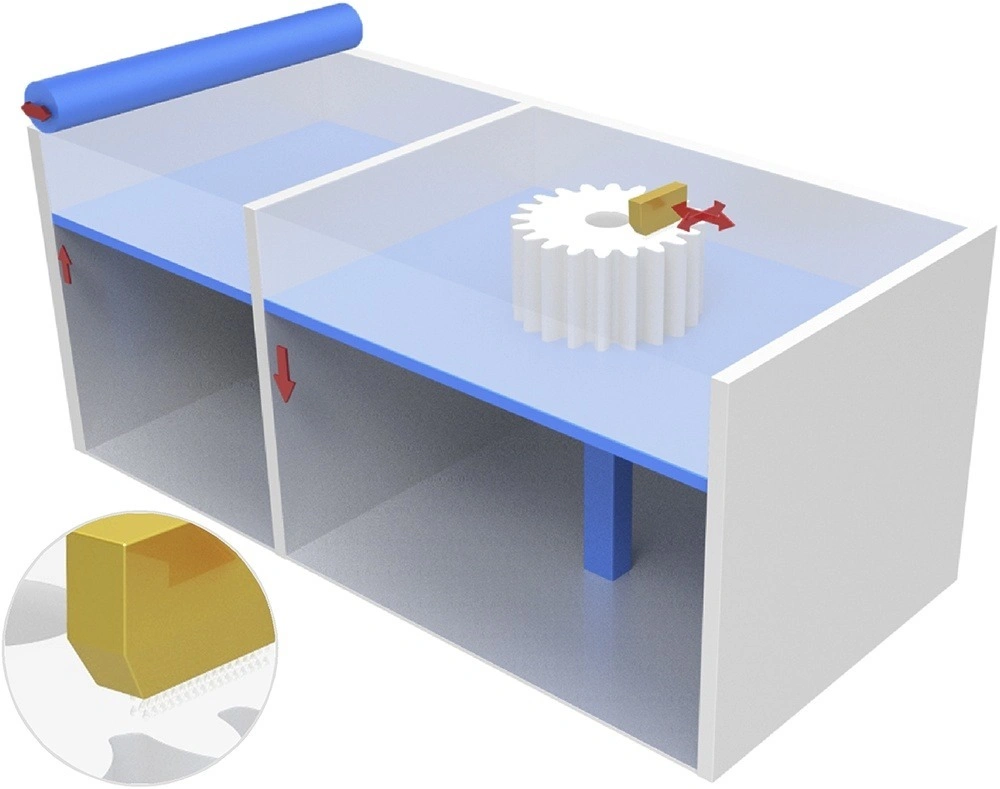
Fig. 1. Schematic of 3DP process, showing the printhead depositing binder onto the powder bed.
-Key Breakthroughs
Material Compatibility: This technique can handle a variety of ceramic powders, from alumina to silicon carbide and even hydroxyapatite. The binder? You’ve got options—organic resins or inorganic silica sols.
Pore Control: By adjusting the size of the powder particles (10-100μm) and how deep the binder goes, you can make bio-scaffolds. These scaffolds can have porosity between 30% and 70% (Fig. 2).
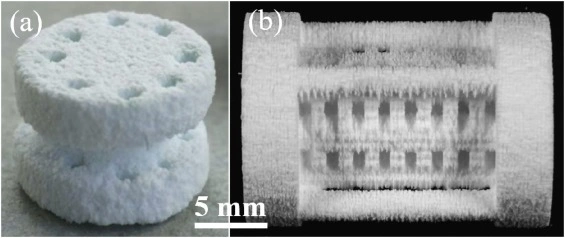
Fig. 2. Bio-scaffold made using biocompatible materials via 3DP.
Post-Processing Perfection
Using cold isostatic pressing (CIP) with silicon infiltration improves the density of Ti3SiC2 ceramics. The density reaches an impressive 99% (see Fig. 3).
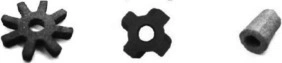
Fig. 3. Final Ti3SiC2 component after cold isostatic pressing and sintering
-Where It Shines
Think of 3DP as the go-to method for functional parts that don’t need a mirror finish. It’s perfect for: Casting molds; Porous bone scaffolds and Catalyst carriers.
1.2 Selective Laser Sintering (SLS): The Laser Whisperer of Ceramics
-How It Works
Picture this: a high-powered laser (CO2 or Nd:YAG) zaps a bed of ceramic powder mixed with a low-melting binder. The binder melts, gluing the ceramic particles together to form a "green part." After some debinding and sintering magic, you’ve got yourself a fully baked ceramic component (Fig. 4).
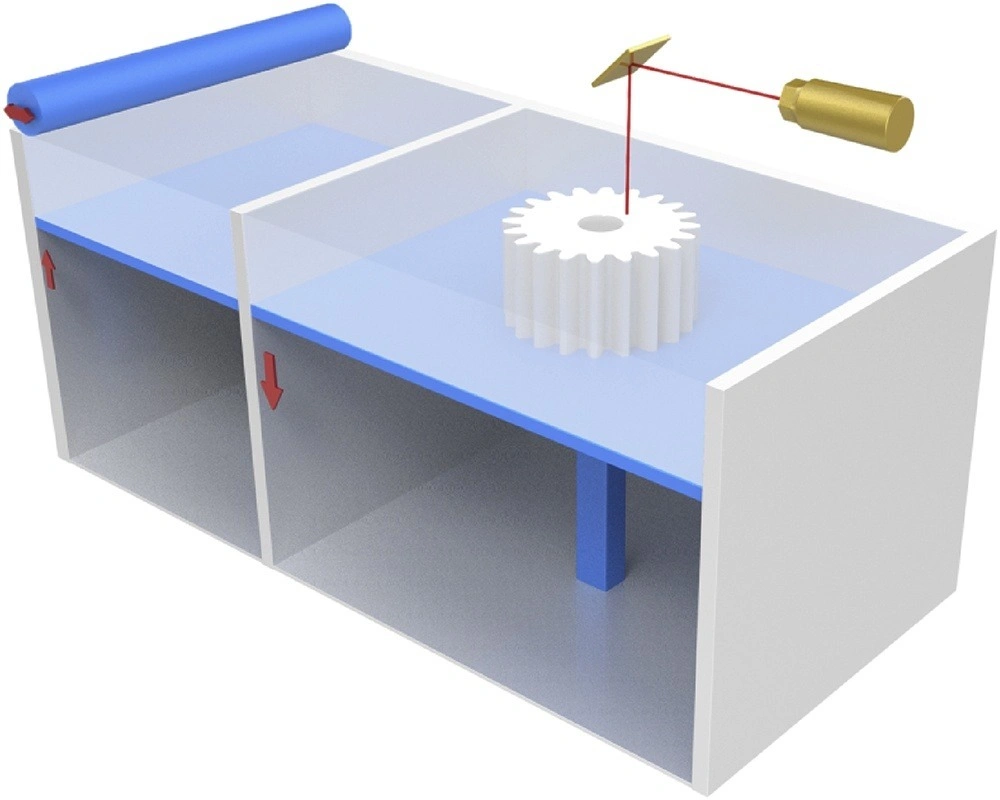
Fig. 4. Schematic of the SLS process—where lasers meet ceramics.
-Innovation in Action
Composite Powder Design: Al2O3-PA12 microspheres (50vol% ceramic content) ensure smooth powder flow, because nobody likes a clogged printer.
Densification Strategy: Warm isostatic pressing (WIP) increases the density of 3YSZ ceramics from 64% to 92% (Fig. 5).
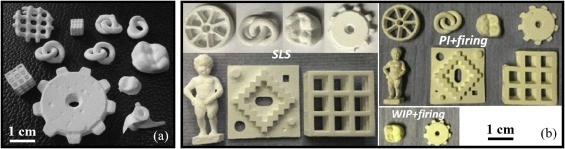
Fig. 5. Complex ceramic parts made using SLS—proof that lasers can indeed make miracles.
Gradient Structures: By tweaking the laser energy, you can create bio-inspired scaffolds with gradient porosity (Fig. 6).
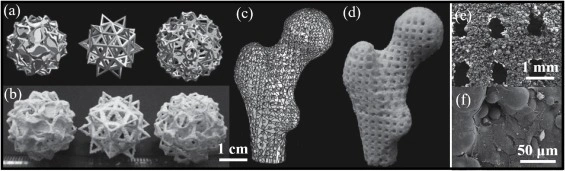
Fig. 6. Microstructure of a calcium phosphate-polyhydroxybutyrate-co-hydroxyvalerate (CP-PHBV) scaffold—nature would be proud.
-The Catch
Even with all this laser wizardry, SLS parts still have a pesky 5-10% residual porosity. But hey, that’s what infiltration techniques (like silicon infiltration) are for—to beef up those mechanical properties.
1.3 Selective Laser Melting (SLM): The Hot New Kid on the Block
-How It Works
Think of SLM as the ultimate ceramic forge. A 2000°C preheating system works with a 1070nm fiber laser. Together, they fully melt ZrO2-Al2O3 eutectic ceramics. This process creates parts that are as dense as a physics textbook (Fig. 7).
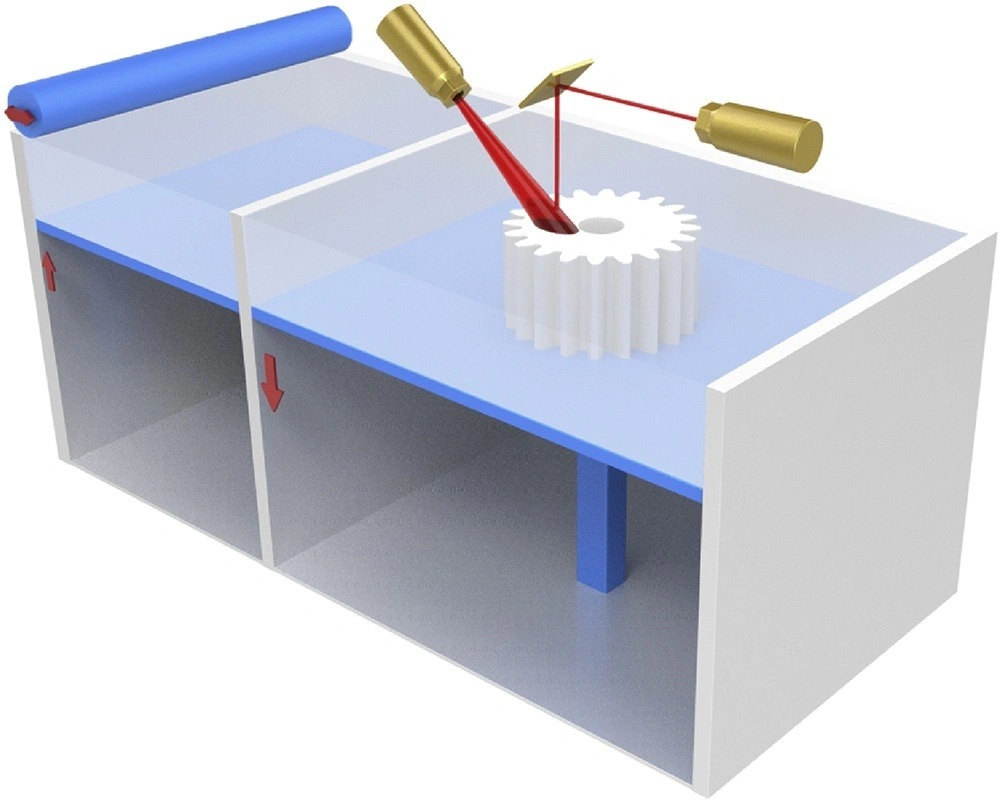
Fig. 7. Schematic of SLM with powder bed preheating—where ceramics meet the heat of a thousand suns.
-Key Breakthroughs
Preheating Precision: A CO2 laser preheats the powder bed to 1700°C, reducing thermal stress cracks. Because nobody likes a cracked ceramic.
Microstructural Mastery: Rapid cooling forms tiny layered structures in the ceramic. This gives it a hardness of 17.5 GPa. The ceramic version of Wolverine’s claws resembles them.
Complex Geometry: SLM can craft dental crowns with wall thicknesses as thin as 0.3mm (Fig. 8c).
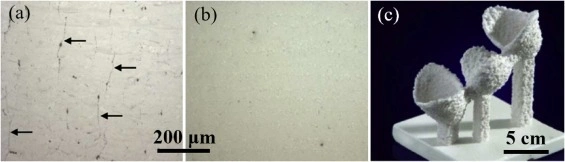
Fig. 8. Cross-sections of ZrO2–Al2O3 parts made by SLM: (a) without preheating (cracks galore!), (b) with preheating (smooth sailing), and (c) a ZrO2–Al2O3 dental crown framework preheated to ~1700°C.
-Challenges and Future Directions
Currently, the surface roughness is approximately Rz≈60μm. Scientists are experimenting with fine powders and Q-switched lasers, concentrating on sintering in localized regions. (Fig9 illustrates this).
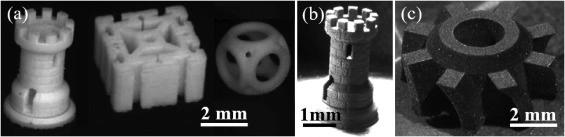
Fig. 9. Complex ceramic parts made by SLM: (a) Al2O3, (b) SiO2, and (c) SiSiC with micron-level resolution.
2. Bulk Solid-Based Technologies: Stacking the Future
2.1 Laminated object manufacturing (LOM)
-How It Works
Consider LOM as an advanced method for creating a multi-layered cake. Instead of frosting, you use ceramic sheets that are 0.1 to 0.5 mm thick and lasers. Workers bond and cut each layer to shape, creating complex 3D structures (Fig. 10).
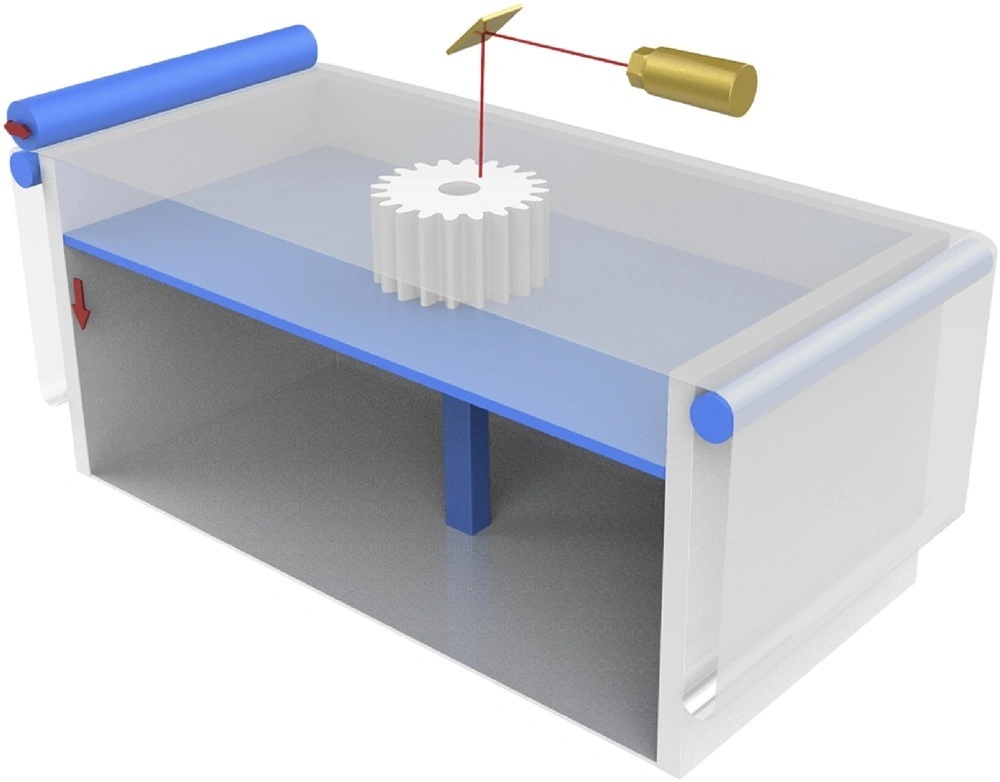
Fig. 10. Schematic of the LOM process—where ceramics meet laser precision.
-Showcase Examples
Si3N4 Turbine Blades: With interlayer shear strength of 25MPa and post-sintering density of 97%, these blades are built to spin (Fig. 11c).
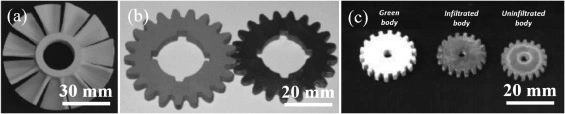
Fig. 11. Ceramic parts made by LOM: (a) Al2O3 turbine rotor, (b) SiC gear, and (c) complex Si3N4 parts.
MAX Phase Ti3SiC2 Gears: After adding silicon, these gears shrink less than 3% and have a flexural strength of 320 MPa (Fig. 12).
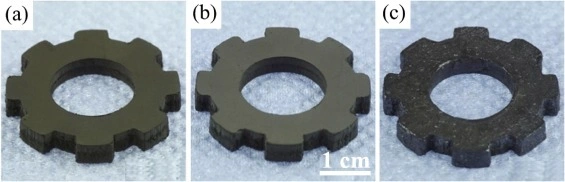
Fig. 12. 3D gear made with MAX phase Ti3SiC2 via LOM.
LZSA Glass Ceramics: Tailored thermal expansion coefficients through clever layer design.
-Technical bottlenecks
Interlayer porosity (2-5%) can weaken Z-axis mechanical properties. Yet, keep in mind, perfection doesn't exist—not even with lasers.
2.2 Fused deposition modelling (FDM)
-How It Works
FDM is like a hot glue gun for ceramics. A heated nozzle extrudes ceramic-loaded filaments (1.75mm diameter) layer by layer to build up your part (Fig. 13).
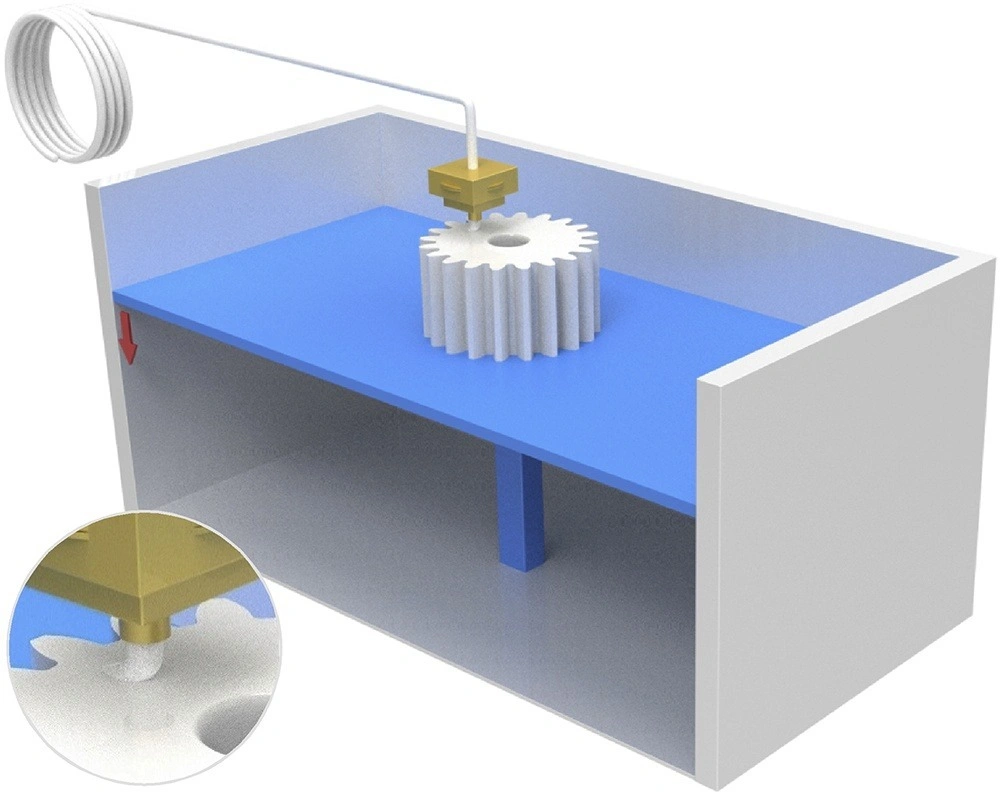
Fig. 13. Schematic of the FDM process—where ceramics get the hot glue treatment.
-Material Breakthroughs
Piezoelectric Ceramics: PZT-PMMA filaments achieve a piezoelectric response of d33=380pC/N (Fig. 14).
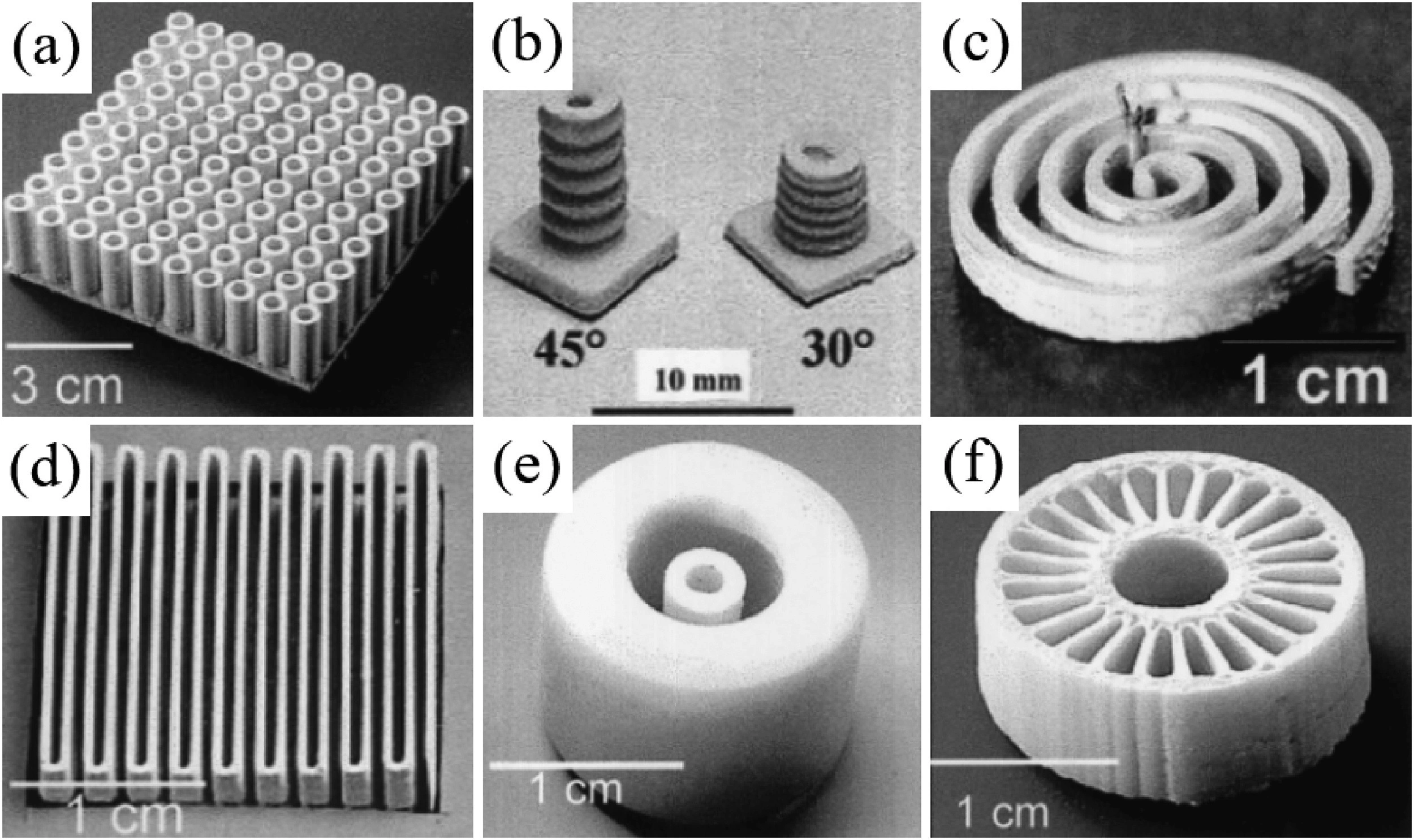
Fig. 14. Various sensors made using FDM.
Bioceramics: HA-PCL filaments create bone scaffolds with multi-scale pores (50-500μm) (Fig. 15a).
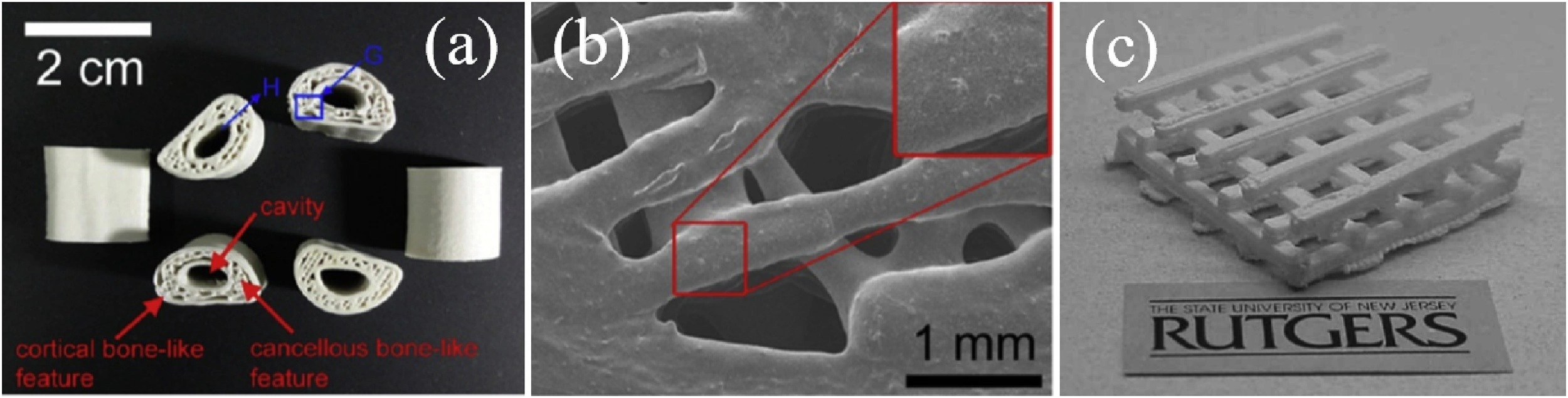
Fig. 15. Bioceramic scaffolds: (a) PCL-HA artificial bone scaffold made using CT-guided FDM.
Photonic Crystals: Al2O3 filaments stack into periodic structures with bandgaps of 3-5THz.
-Process Optimization
Nozzle temperature: 180-220°C
Layer thickness: 0.1-0.3mm
Ultrasonic vibration: Reduces filament extrusion resistance
Quad-nozzle system: Enables multi-material co-printing (Fig. 16)
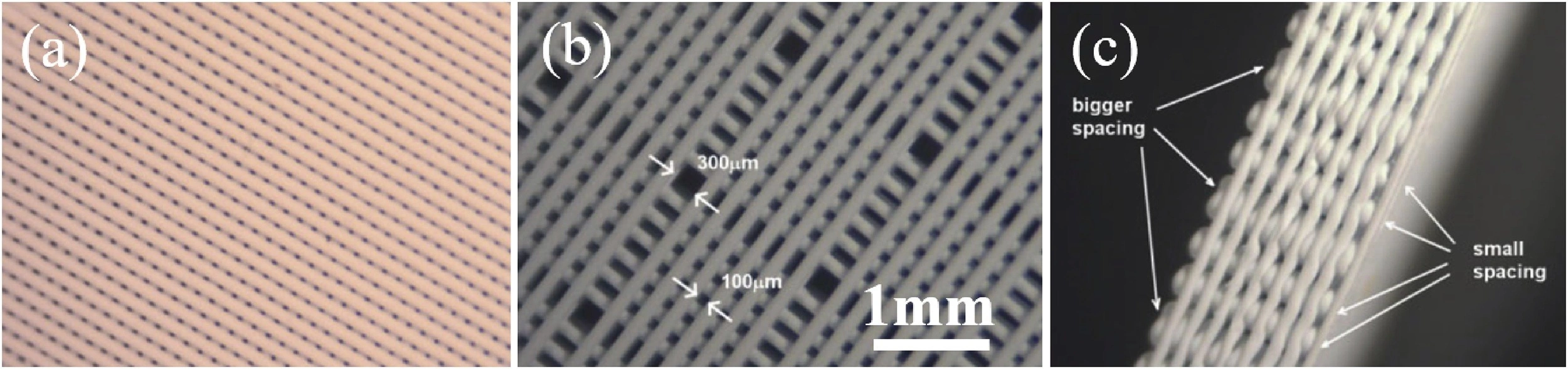
Fig. 16. (a) Fine lattices with regular spacing; (b) lattices with graded spacing structures; (c) side view of the lattices.
Technology comparison and outlook
Technology | Precision (μm) | Density | Typical Applications | Current Challenges |
3DP | 100-200 | 85-95% | Porous Structures | Surface Roughness |
SLS | 50-100 | 90-98% | Functionally Graded Materials | Requires Post-Processing |
SLM | 20-50 | >99% | Precision Components | High Equipment Costs |
LOM | 200-500 | 95-99% | Large-Scale Parts | Interlayer Bonding Strength |
FDM | 100-300 | 80-90% | Custom Functional Devices | Filament Production Difficulty |
The Future of Ceramic 3D Printing: Where We’re Headed
The next step in ceramic 3D printing is about pushing limits. This includes multi-material printing, exceptionally precise details, and new sintering methods. These advancements are not just dreams from science fiction. They are the keys to unlocking the full potential of 3D printed ceramics in fields like aerospace and biomedicine.
Imagine printing rocket engine parts with built-in sensors or custom bone implants that grow with you. It sounds like the future, right? Well, it’s closer than you think.
As we finish this look into ceramic 3D printing, look out for our next article: The Secrets of Ceramic 3D Printing: How It Works.