Piezoelectric ceramics have been successfully fabricated using 3d print ceramic.
Piezoelectric ceramics are widely used in various fields, but due to their hard and brittle nature, complex structures of piezoelectric ceramics are difficult to achieve. Recently, Professor Wu Dawei and his team from Nanjing University of Aeronautics and Astronautics published a study titled “3D-printed piezoelectric ceramics with auxetic structure for high-performance sensing applications” in *Ceramics International*. They used a 3D printing method to introduce a negative Poisson’s ratio structure (auxetic structure) to prepare lead zirconate titanate (PZT) ceramics. The 3D-printed complex structured ceramics exhibited the expected piezoelectric properties and good vibration performance.
Original article link: https://doi.org/10.1016/j.addma.2024.104143
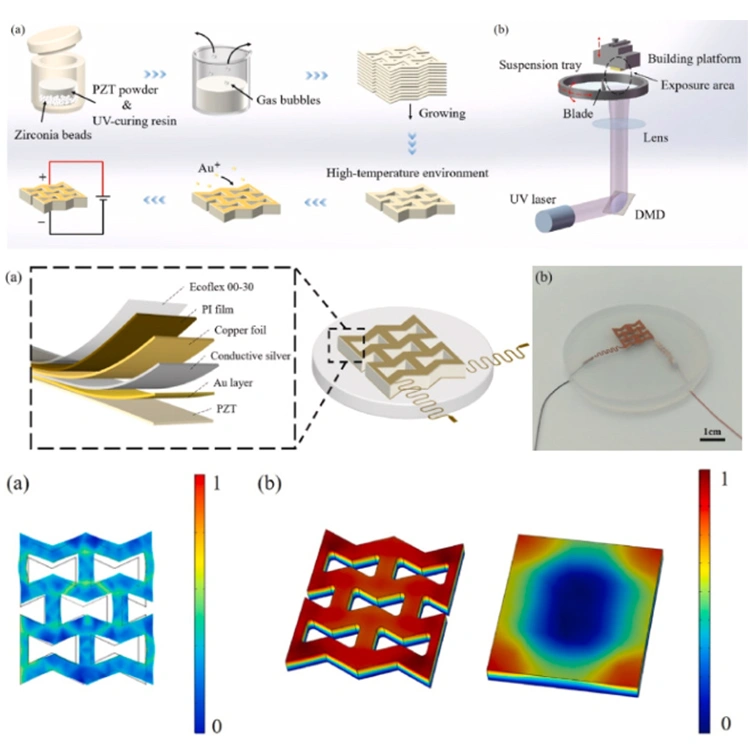
This study designed an auxetic structure with large stress deformation and response, and used μSL technology to prepare PZT ceramics with a special complex structure, and conducted physical performance verification to understand the effectiveness of the auxetic structure 3D printing method. To further evaluate the performance of the auxetic structure PZT ceramics, the samples were packaged and integrated, and comparative experiments were conducted.
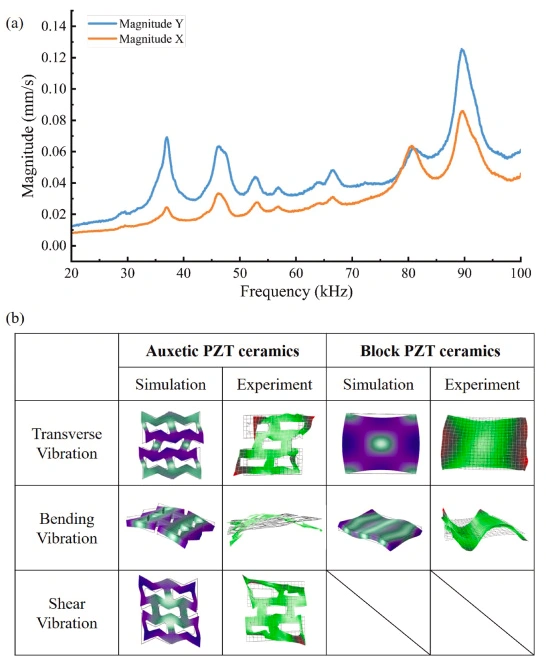
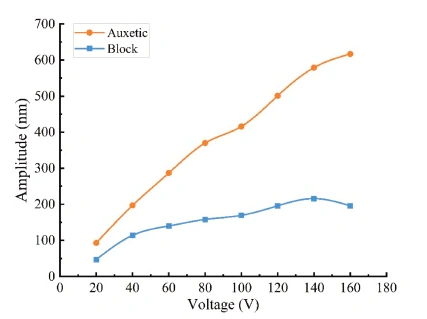
The following are the research methods and data for 3d print ceramic piezoelectric ceramics:
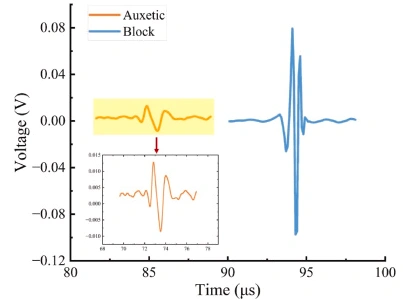
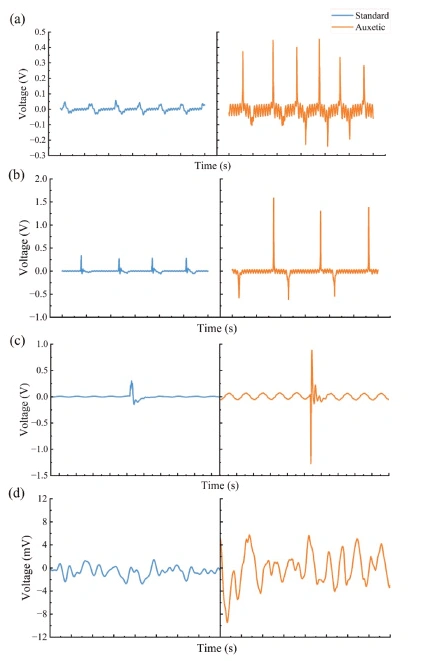
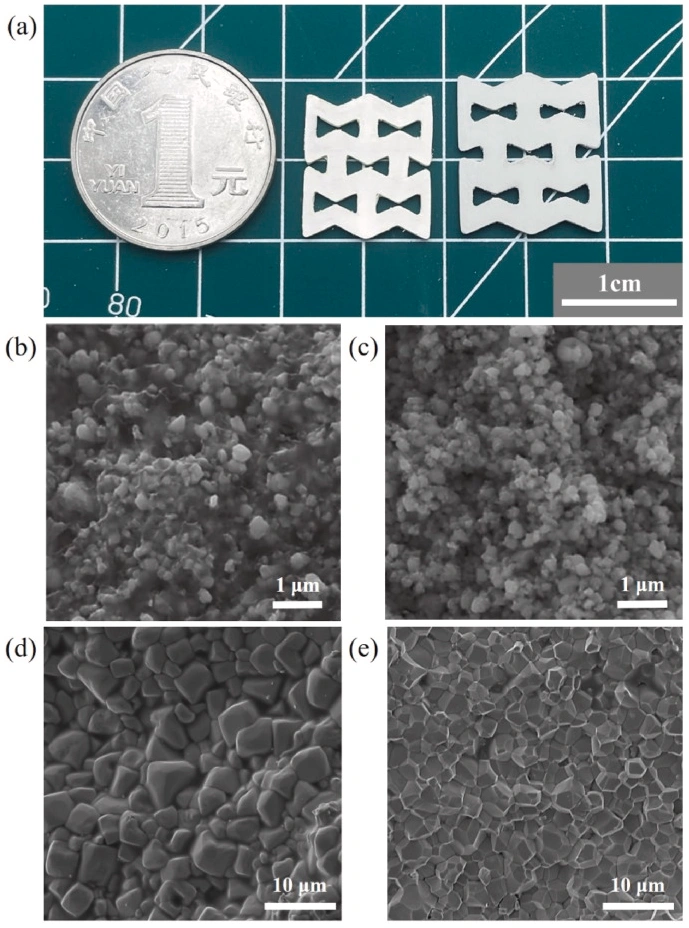
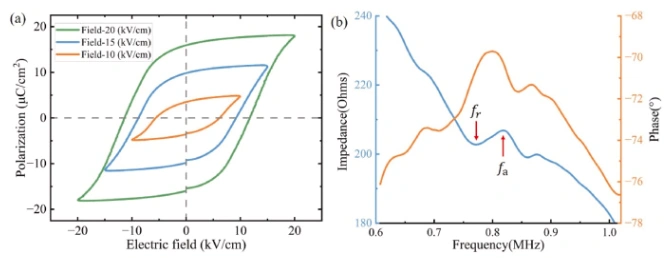
The research team used micro-stereolithography (μSL) 3D printing technology to prepare piezoelectric ceramic sheets with auxetic structures. The 3D-printed PZT ceramics achieved a dense, crack-free microstructure with uniform grains and exhibited the expected piezoelectric and ferroelectric properties. In addition, a piezoelectric device composed of a 3D-printed auxetic structure was fabricated, and a series of device application tests were conducted. The 3D-printed piezoelectric ceramics with auxetic structures can be used for ultrasonic sensing. Compared with traditional bulk ceramics, it has greater advantages in mechanical sensing, with a voltage output 5-8 times higher. This demonstrates the advantages of the auxetic structure in terms of high stress deformation and response, high energy conversion efficiency, and high sensitivity.