
Zirconia Ceramic 3D Printing Case Study by Adventuretech
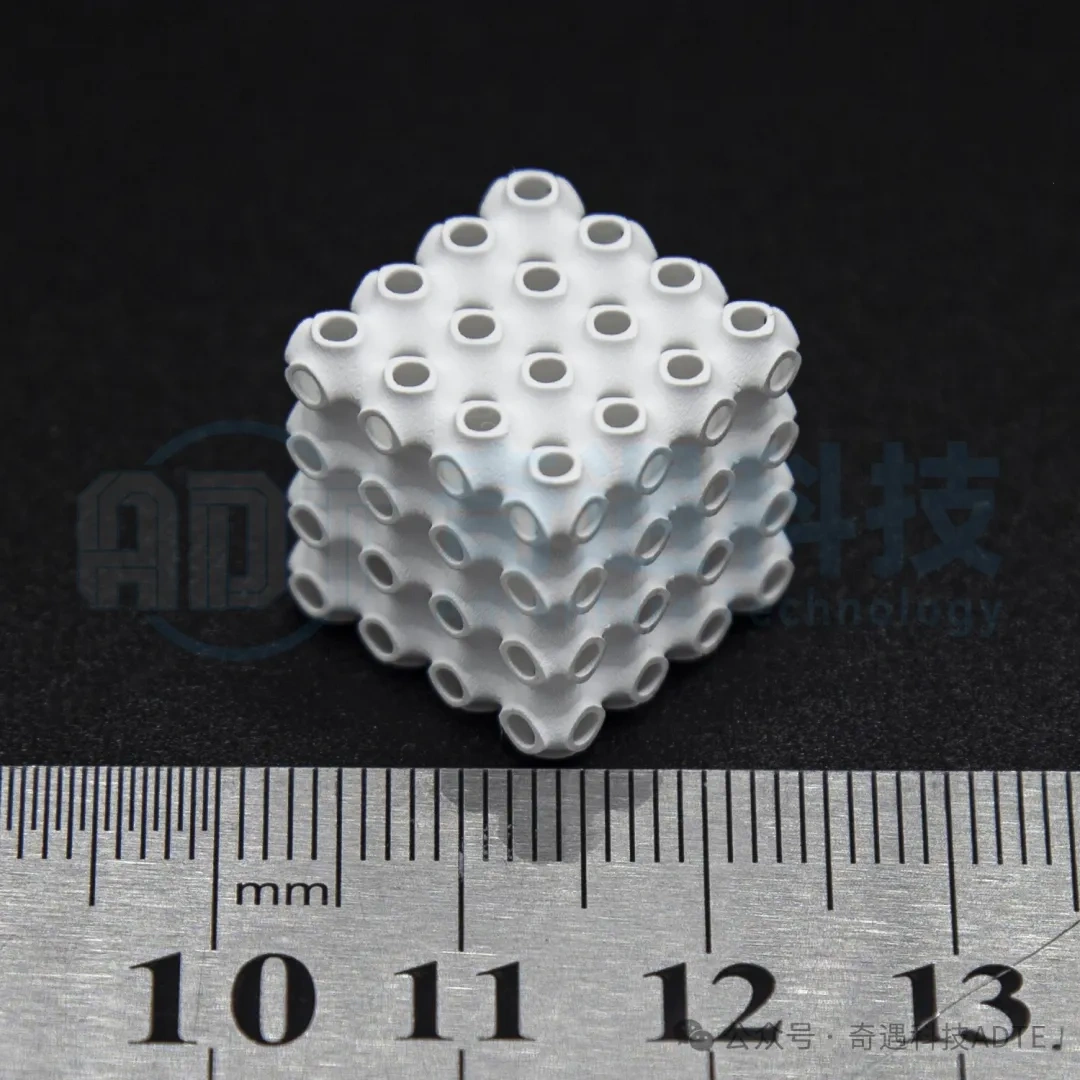
Zirconia (ZrO₂) is one of the most robust and versatile advanced ceramics, widely known for its exceptional mechanical strength, high melting point, and chemical inertness. These properties make it a top-tier material in medical implants, dental prosthetics, electrical insulation, wear-resistant tools, and high-temperature structural components.
At Adventuretech, we specialize in DLP-based ceramic 3D printing, enabling the precise fabrication of zirconia components with complex geometries and tight tolerances. This case study demonstrates our successful printing of zirconia parts using the ADT-3D-ZP-Printer-96-50, highlighting each stage of the additive manufacturing workflow.
Printing performed using ADT-3D-ZP-Printer-96-50
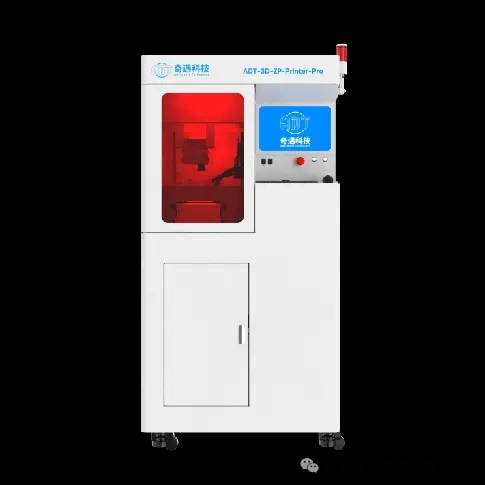
Our zirconia parts were printed on the ADT-3D-ZP-Printer-96-50, a desktop DLP ceramic 3D printer engineered for high-resolution, small-to-medium volume fabrication. With high light intensity and layer stability, it supports demanding materials like zirconia with superior performance.
STL Model
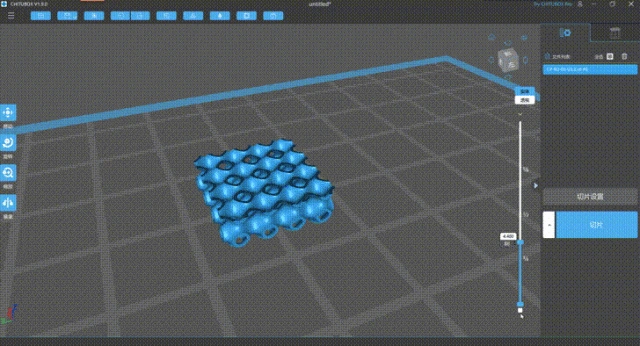
The part was designed in CAD software and exported as a high-resolution STL file optimized for ceramic 3D printing. Considerations included support generation, overhang handling, and shrinkage allowance for sintering.
Print Workflow Overview
-
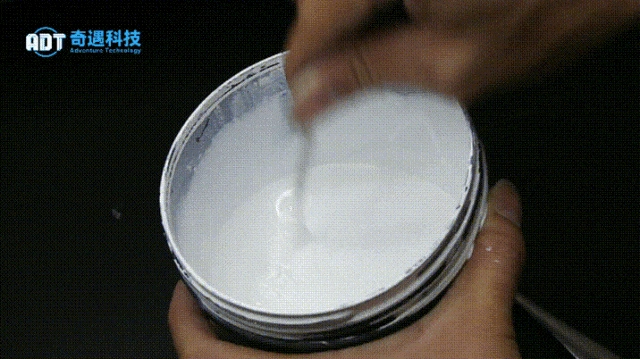
Batching
Zirconia slurry was prepared using Adventuretech’s proprietary light-curable ceramic formulation. Homogeneous dispersion ensures stable flow and consistent photopolymerization. -
Printing
The part was printed layer by layer using digital light processing (DLP). Precise exposure (typ. 1.3s/layer) and uniform coating (up to 100 mm/s) resulted in excellent surface finish and dimensional control. -
Ejection & Removal
Once printed, the green body was carefully ejected and supports were removed manually to protect delicate features. -
Cleaning
Residual uncured resin was removed using a specialized solvent protocol. Clean green parts are essential to avoid sintering defects. -
Sintering (Not pictured)
The parts were sintered in a high-temperature furnace (>1400°C), converting the green body into dense, strong zirconia ceramics.
Finished Product Results
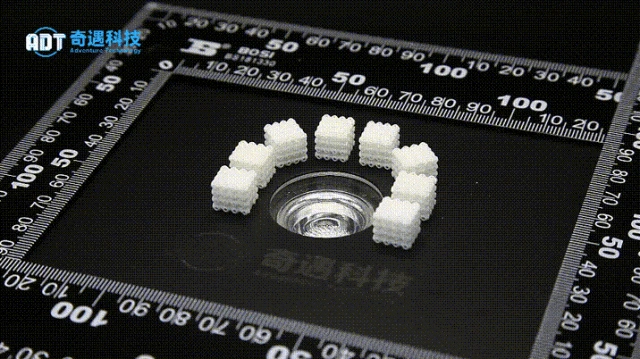
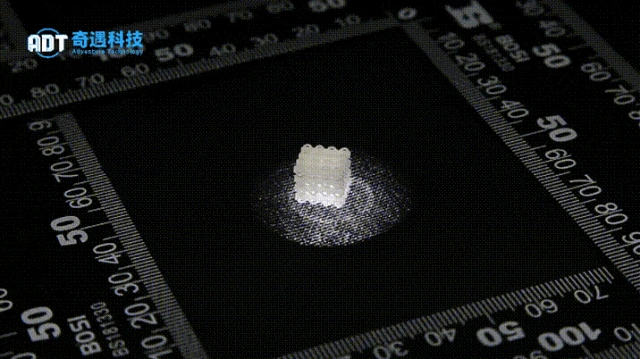
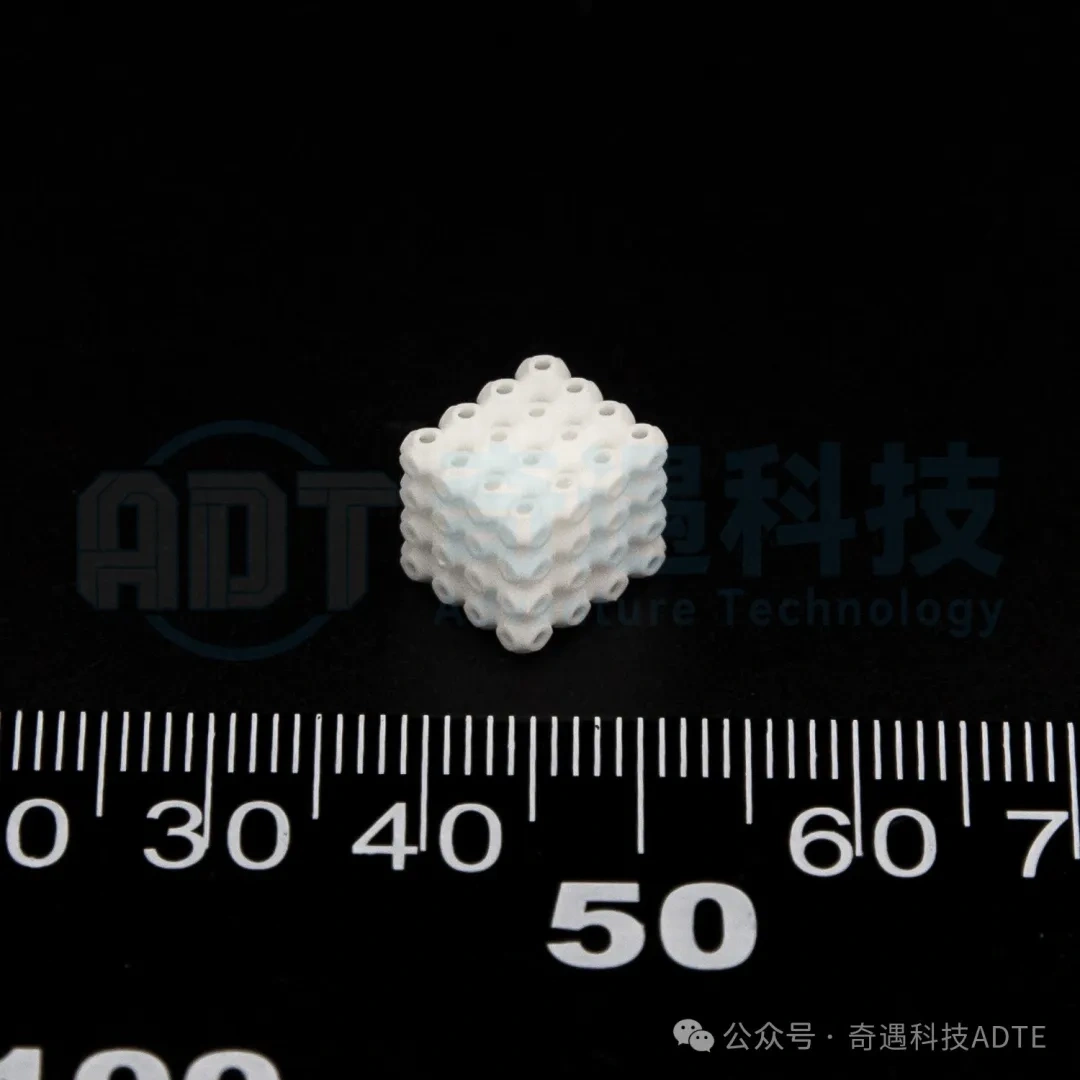
The final zirconia parts exhibited:
-
High mechanical strength and fracture toughness
-
Excellent dimensional accuracy and surface quality
-
Stability at elevated temperatures and in corrosive environments
-
Design complexity achievable via additive manufacturing
These results validate DLP 3D printing as a reliable method for prototyping and producing functional zirconia ceramics in medical, industrial, and research domains.
Applications of Zirconia Ceramic 3D Printing
-
Dental crowns, bridges, and implants
-
Orthopedic components and bio-compatible implants
-
Solid oxide fuel cells (SOFCs)
-
Thermal barrier coatings and high-temp insulation
-
Chemical-resistant nozzles and microfluidic devices
-
Decorative applications such as ceramic jewelry
Contact Adventuretech for Zirconia Ceramic 3D Printing
Looking to prototype or manufacture zirconia ceramic parts with high precision and reliability?
Adventuretech provides end-to-end ceramic 3D printing solutions — from material formulation to final sintering.
Learn more on our website
Contact us for inquiries or email adventuretech@adt-ceramic3dp.com