
Catalyst supports explained: in heterogeneous catalysis, the support material is not just a passive carrier—it is a critical component that directly influences catalytic activity, selectivity, and durability.
Modern catalyst carrier materials are engineered to optimize surface area, pore architecture, and mass transfer. With the emergence of ceramic 3D printing, engineers can now design highly controlled ceramic catalyst structures that significantly outperform conventional supports.
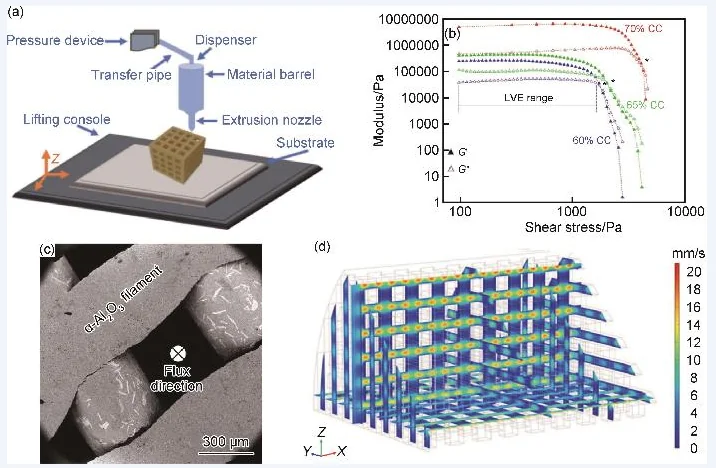
1. What Are Catalyst Supports?
Catalyst supports are solid materials that provide a surface for active catalytic components. Their primary function is to disperse active sites while maintaining structural integrity under harsh reaction conditions.
Key roles include:
- Maximizing active surface area
- Enhancing mass transfer efficiency
- Providing thermal and chemical stability
- Improving mechanical strength
A well-designed support directly determines the efficiency of the entire catalytic system.
2. Catalyst Carrier Materials: Types and Properties
Different catalyst carrier materials are selected based on application requirements:
- Alumina (Al₂O₃) – High surface area, widely used
- Zirconia (ZrO₂) – Excellent thermal stability
- Silicon Carbide (SiC) – High thermal conductivity
- Cordierite – Low thermal expansion, ideal for monoliths
Material selection is a key part of catalyst design principles, as it impacts reaction kinetics, durability, and operating conditions.
3. Catalyst Design Principles for High Performance
Effective catalyst design principles focus on balancing multiple factors:
3.1 Surface Area vs. Strength
Higher surface area improves catalytic activity, but excessive porosity can reduce mechanical strength. Advanced design must optimize both.
3.2 Pore Structure Engineering
Hierarchical pore systems (macro, meso, micro) improve diffusion and reaction efficiency.
3.3 Flow Dynamics Optimization
Uniform flow distribution reduces pressure drop and increases reaction efficiency.
Traditional manufacturing methods struggle to achieve these optimizations simultaneously.
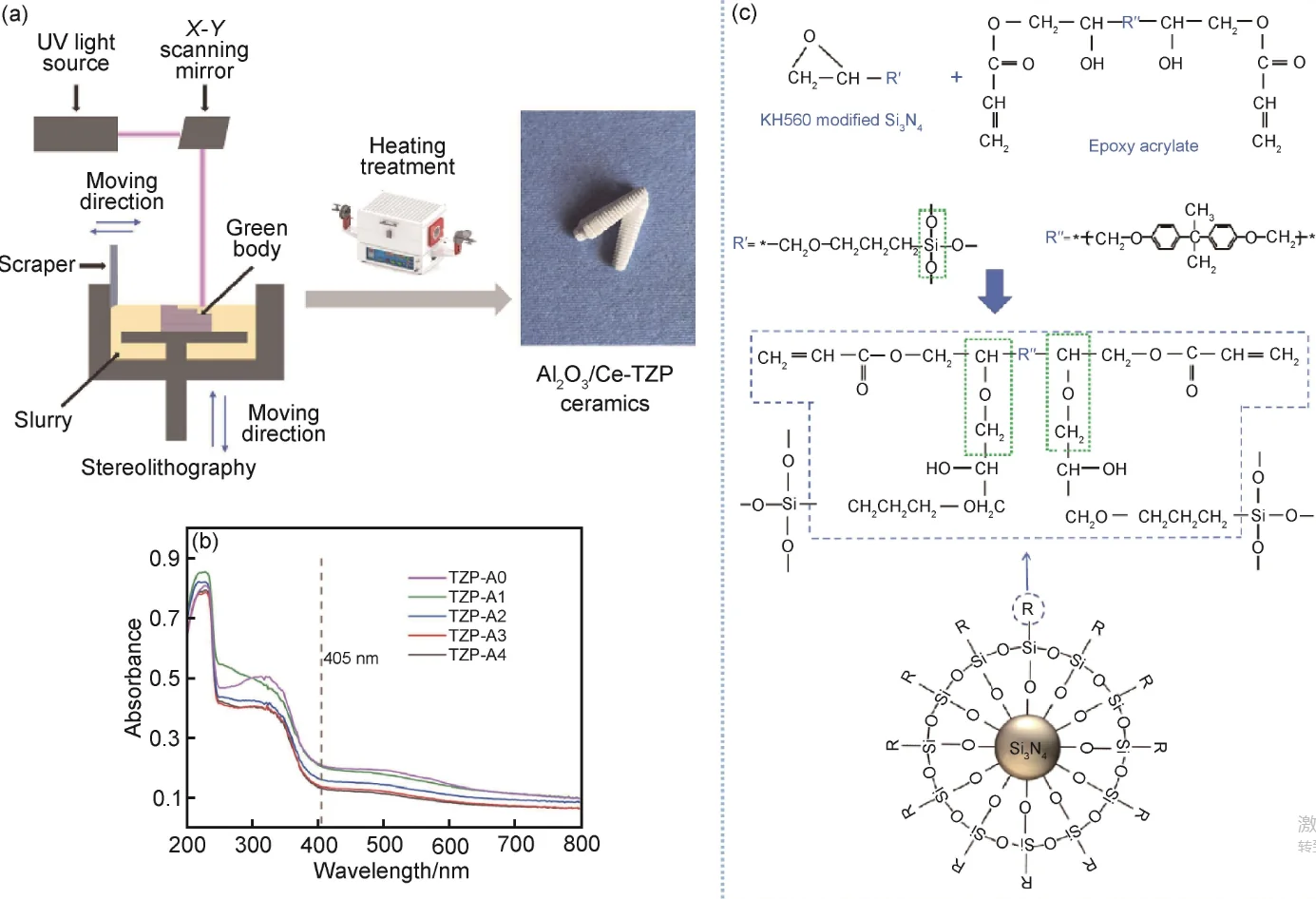
4. Ceramic Catalyst Structure: From Random to Engineered
The evolution of ceramic catalyst structure is shifting from random porous media to precisely engineered architectures.
With advanced design, structures can include:
- Lattice and gyroid geometries
- Controlled channel networks
- Gradient porosity
- Optimized surface exposure
These structures dramatically improve mass transfer and catalytic efficiency compared to traditional supports.
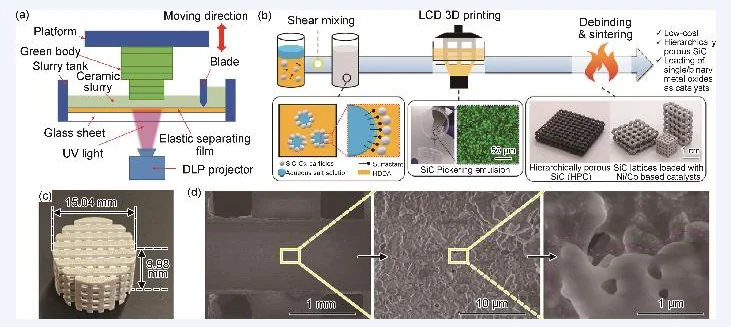
5. The Role of Ceramic 3D Printing in Catalyst Design
Ceramic 3D printing enables full control over geometry and internal structure, making it a transformative tool in catalyst engineering.
Using a high-precision ceramic 3D printer, manufacturers can:
- Create complex internal geometries
- Achieve consistent and repeatable structures
- Customize designs for specific reactions
- Reduce material waste and production time
This technology bridges the gap between theoretical catalyst design principles and real-world manufacturing.
6. ADT Ceramic 3DP: Advanced Solutions for Catalyst Supports
ADT Ceramic 3DP is a leading innovator in ceramic additive manufacturing, providing advanced solutions for next-generation catalyst supports.
ADT offers:
- High-precision ceramic 3D printers
- Optimized ceramic slurry materials
- Custom catalyst support design services
With deep expertise in both materials and process engineering, ADT helps customers develop high-performance ceramic catalyst structures tailored to industrial applications.
By combining advanced materials with digital manufacturing, ADT enables scalable production of optimized catalyst carrier materials.
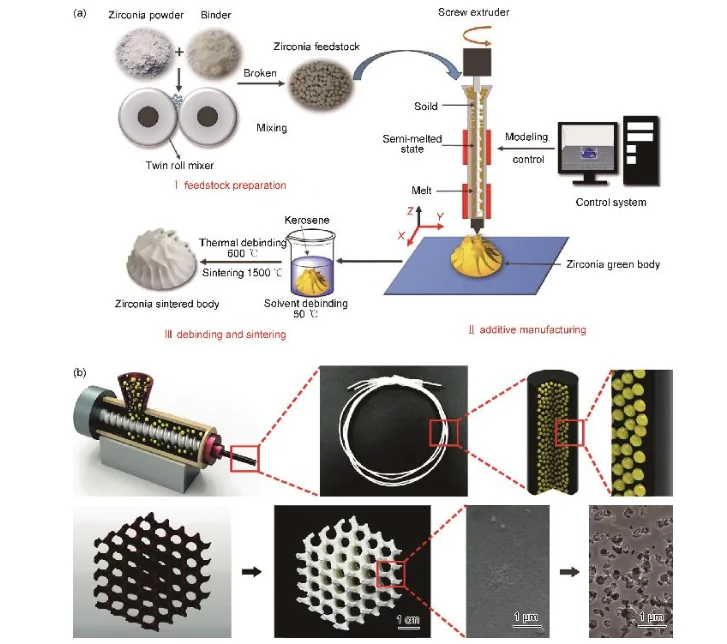
7. Industrial Applications of Advanced Catalyst Supports
Advanced catalyst supports enabled by ceramic 3D printing are widely used in:
- Automotive catalytic converters
- Hydrogen production systems
- Petrochemical processing
- Environmental catalysis (VOC removal)
These applications benefit from improved efficiency, longer service life, and reduced energy consumption.
Conclusion
Understanding catalyst supports explained requires a holistic view of materials, structure, and design principles. With the integration of ceramic 3D printing, catalyst engineering is entering a new era of precision and performance.
As industries continue to demand higher efficiency and sustainability, advanced ceramic catalyst structures will become essential for next-generation manufacturing and chemical processes.
AdventureTech (ADT) provides DLP ceramic 3D printing systems, compatible high-solid-loading slurries, and technical support for developing and optimizing such composite bioceramics. Researchers interested in replicating or extending these workflows can explore compatible equipment and materials through https://adt-ceramic3dp.com.