
What Is the Ceramic Sintering Process?
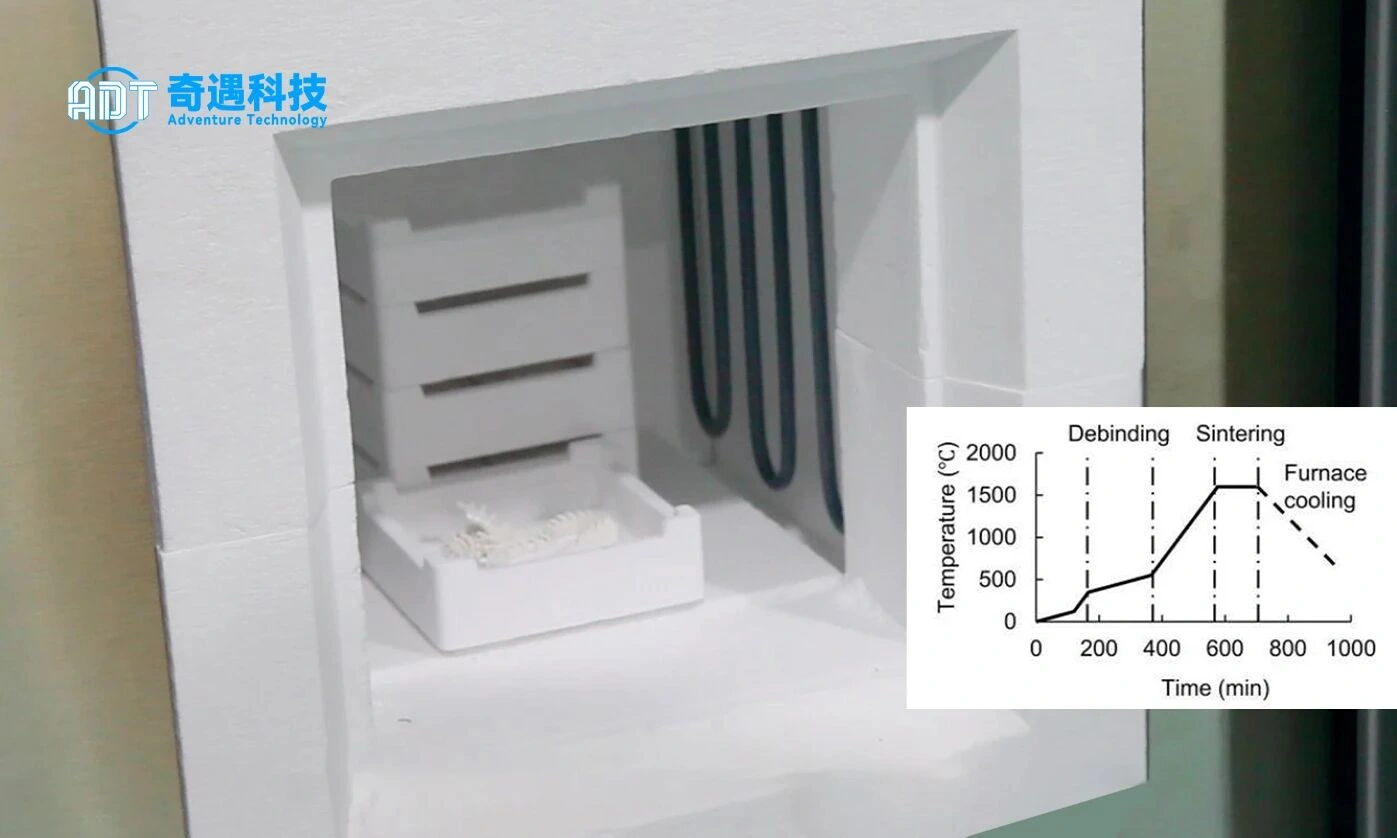
The ceramic sintering process is a thermal treatment that densifies ceramic particles below their melting point, increasing strength and reducing porosity.
During sintering, particle bonding, grain growth, and pore elimination occur simultaneously, transforming the printed structure into a dense ceramic component.
In DLP-based processes, sintering follows a critical intermediate step: debinding, where organic components are thermally removed.
Key Stages of the Ceramic Heating Curve
A well-designed ceramic heating curve typically includes three major stages:
Debinding Stage (200–600°C)
This stage removes polymer binders from the printed part. Research shows that binder decomposition mainly occurs between 250–550°C, requiring slow heating rates to avoid internal stress and cracking.
- Heating rate: 0.5–2°C/min
- Multiple holding zones (e.g., 250°C, 400°C, 550°C)
- Critical for defect prevention
Pre-Sintering Stage (600–1000°C)
Initial particle bonding begins, forming necks between particles with limited shrinkage.
High-Temperature Sintering Stage (1000–1400°C+)
Rapid densification occurs, significantly increasing density and mechanical strength.
The sintering temperature profile directly determines final density, grain size, and performance.
Designing Sintering Temperature Profiles for DLP Ceramic 3D Printing
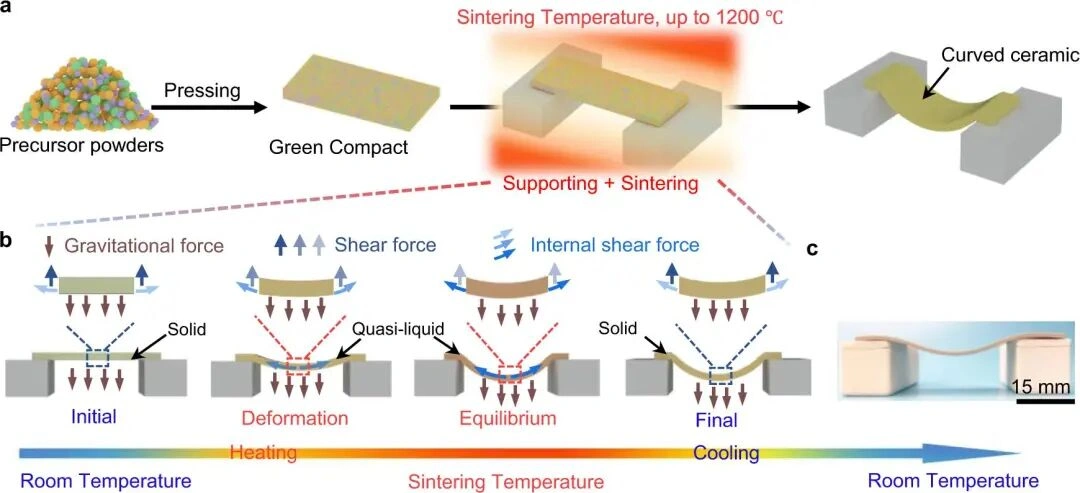
In DLP ceramic 3D printing, heating curve design must consider the interaction between material composition, geometry, and binder content.
Slow Heating During Debinding
Excessive heating rates cause rapid gas release, leading to internal pressure, pores, and cracks.
Multi-Step Holding Strategy
Holding at key decomposition temperatures ensures complete binder removal and structural stability.
Controlled Sintering Ramp
A moderate heating rate during densification improves uniform shrinkage and reduces deformation.
Optimized Peak Temperature
Too low → insufficient densification Too high → grain growth and performance degradation
Balancing these parameters is essential for producing defect-free ceramic parts.
Common Sintering Defects in Ceramics
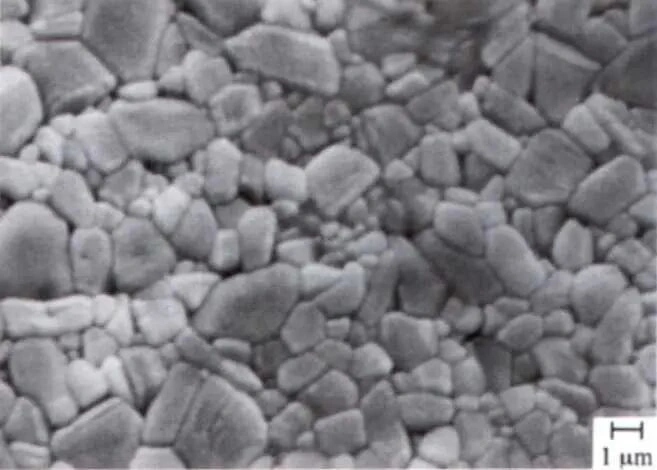
Improper ceramic sintering process design can lead to critical defects:
- Cracking: Caused by thermal stress or rapid debinding
- Warping: Due to uneven shrinkage
- Porosity: Incomplete densification
- Blistering: Trapped gases during binder removal
Studies show that heating rate, holding time, and temperature gradients are the primary factors influencing defect formation.
Careful design of the ceramic heating curve is the most effective way to minimize these sintering defects in ceramics.
ADT Ceramic 3DP: Optimizing Sintering for High-Performance Parts
ADT Ceramic 3DP provides advanced solutions for DLP ceramic 3D printing, including optimized sintering strategies tailored to specific materials and geometries.
ADT offers:
- Customized ceramic slurry systems
- Optimized debinding and sintering profiles
- High-precision DLP ceramic printing equipment
By combining material science with process engineering, ADT helps manufacturers achieve consistent, defect-free high-performance ceramic parts.
Conclusion
The ceramic sintering process is a complex but essential step in DLP additive manufacturing. A well-designed sintering temperature profile and ceramic heating curve determine the final quality, strength, and reliability of ceramic components.
As ceramic 3D printing continues to evolve, mastering sintering design will be the key to unlocking scalable, high-performance manufacturing.
AdventureTech (ADT) provides DLP ceramic 3D printing systems, compatible high-solid-loading slurries, and technical support for developing and optimizing such composite bioceramics. Researchers interested in replicating or extending these workflows can explore compatible equipment and materials through https://adt-ceramic3dp.com.