
DLP Ceramic 3D Printing of Surface-Activated SiC-Polymer Composite Hollow Three-Dimensional Structures
DLP ceramic 3D printing: Additive manufacturing has revolutionized the manufacturing process of silicon carbide polymer composite ceramic materials, enhancing material properties.
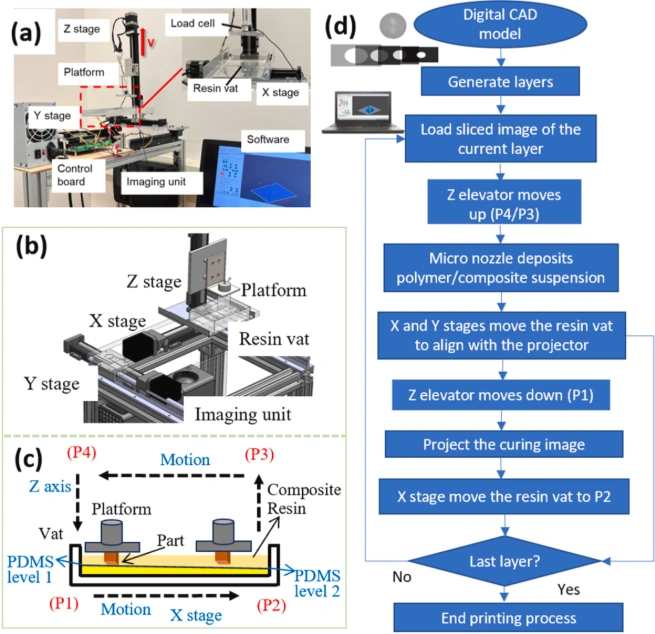
For example, lighter weight, greater toughness, and superior thermal performance. Nevertheless, there remains a significant knowledge gap in effectively processing high-solid-content SiC materials to achieve the desired mechanical and thermal properties. Recently, Professor Erina Baynojir Joyee and her team at the University of North Carolina published a study in *Composites Part B: Engineering* entitled “DLP-based additive manufacturing of hollow 3D structures with surface activated silicone carbide-polymer composite,” where they successfully developed a high-solid-content silicon carbide polymer composite resin for direct light projection (DLP)-based additive manufacturing (AM), and studied the effect of SiC particles on the compressive strength and thermal conductivity of 3D printed samples ceramic 3D printer.
Original article link: https://doi.org/10.1016/j.compositesb.2025.112236
DLP ceramic 3D printing: This study successfully developed a high-solid-content silicon carbide polymer composite resin for direct light projection (DLP)-based additive manufacturing (AM).
The resin preparation process used orthogonal optimization of components to achieve suitable viscosity, stability, and uniformity. In addition, experimental determination of photocuring parameters (curing time and critical exposure time) was performed. Furthermore, they used additive manufacturing technology to prepare SiC-polymer composite materials with different particle sizes and filler concentrations, and studied the effect of SiC particles on the compressive strength and thermal conductivity of 3D printed samples. The following is the research methodology and data from the article:
DLP ceramic 3D printing: This study successfully developed a high-solid-content silicon carbide polymer composite resin for direct light projection (DLP)-based additive manufacturing (AM).
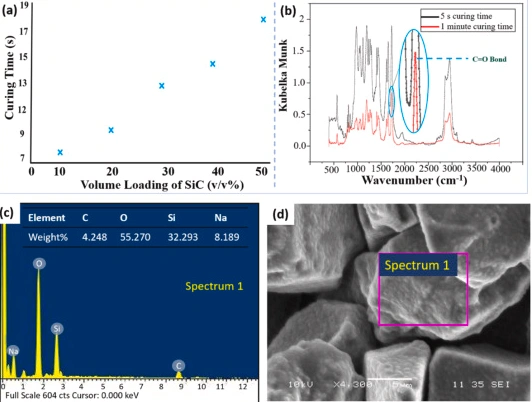
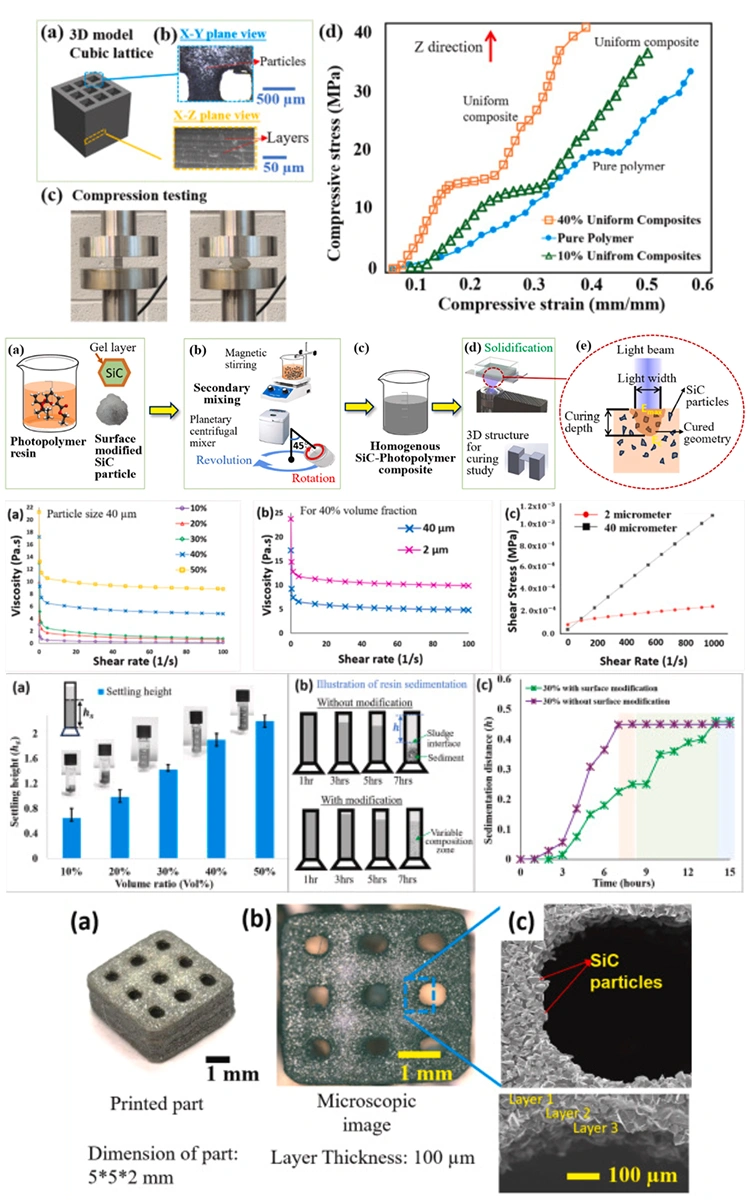
The processability of the resin is determined by rheology and curing parameters. Orthogonal optimization of components was used to achieve suitable viscosity, stability, and uniformity. The study found that viscosity increased with decreasing particle size, while increasing solid content resulted in an exponential increase in viscosity. Furthermore, the curing time of SiC increases with increasing solid content. When the solid content is between 10% and 50%, the curing time ranges from 7 to 18 seconds, with longer curing times resulting in more complete polymerization Ceramic 3D Printing Project Cases.
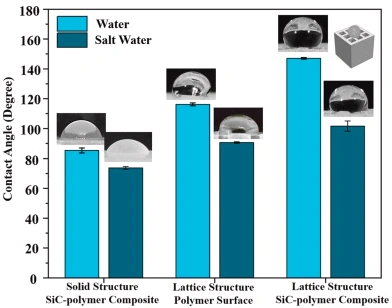
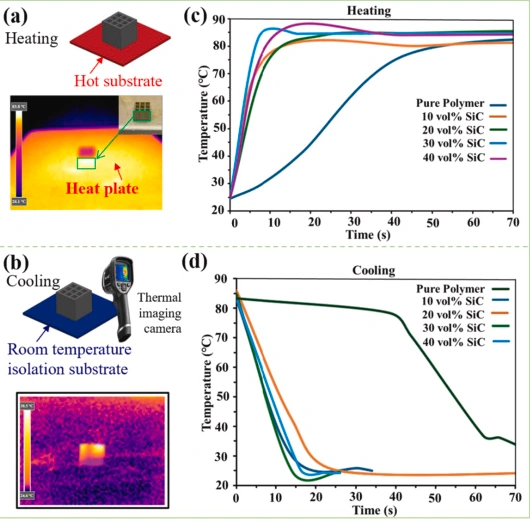
In addition, after studying the effects of SiC particles on the compressive strength and thermal conductivity of 3D printed samples, it was found that both compressive strength and thermal conductivity are directly proportional to the solid filler content, showing significant performance improvements compared to the pure polymer matrix. This study provides a material basis for polymer-based porous structure 3D printing and demonstrates its potential for advanced applications in various industries Ceramic 3D Printing Material.
Shenzhen Adventure Technology Co., Ltd. was established in 2015 as a high-tech company focused on ceramic additive manufacturing technology. The company has a research and development team primarily consisting of postdoctoral researchers from Tsinghua University and returning PhDs from the Norwegian University of Science and Technology, dedicated to providing complete solutions for “ceramic 3D printing equipment + ceramic 3D printing materials + ceramics sintering processes.”
Official Website 1 : https://adt-ceramic3dp.com/
Official Website 2 : https://www.adventure-tech.cn/