
In the biomedical field, ceramic 3D printing is enabling groundbreaking solutions—from bone tissue engineering to next-gen dental devices. Leveraging materials like zirconia, hydroxyapatite (HA), and calcium silicate, researchers and clinicians are developing patient-specific implants with improved biocompatibility, mechanical strength, and bioactivity.
1. Orthodontic Brackets Made with 3D Printed Zirconia
Traditional metal brackets often compromise aesthetics and cause allergic reactions. Our 3D printed zirconia brackets offer both mechanical durability and natural tooth color, making them ideal for modern orthodontics.
2. Bone Grafts with Hydroxyapatite and Calcium Silicophosphate
3D printed hydroxyapatite scaffolds provide a porous structure that promotes osteointegration. When combined with calcium silicate, they form resorbable bone grafts with high compressive strength—ideal for craniofacial or maxillofacial surgery.
[Source: ScienceDirect – Hydroxyapatite Applications]
3. Bio-Inert Cochlear and Auditory Implants
For inner ear prostheses, alumina-based ceramics provide electrical insulation and chemical stability. These precision-fabricated parts fit micro-mechanical assemblies and are compatible with long-term implantation.
4. Biomedical Ceramic 3D Printing Antibacterial Ceramic Coatings for Surgical Tools
Silver-doped zirconia coatings created via DLP ceramic 3D printing reduce infection rates on surgical instruments. The ceramic acts as a stable matrix for sustained antimicrobial release.
5. Bioceramic Micro-Devices for Drug Delivery
Complex hollow micro-geometries can be printed with silica-based ceramic slurries, enabling slow-release drug carriers. These devices are biocompatible and customizable for patient-specific doses.
[PubMed: Ceramic Drug Delivery Systems]
6. Patient-Specific Cranial Implants
3D printed alumina-toughened zirconia cranial plates are now replacing titanium mesh due to their radiolucency, biocompatibility, and reduced post-op inflammation. We work with research labs to create custom geometries based on CT data.
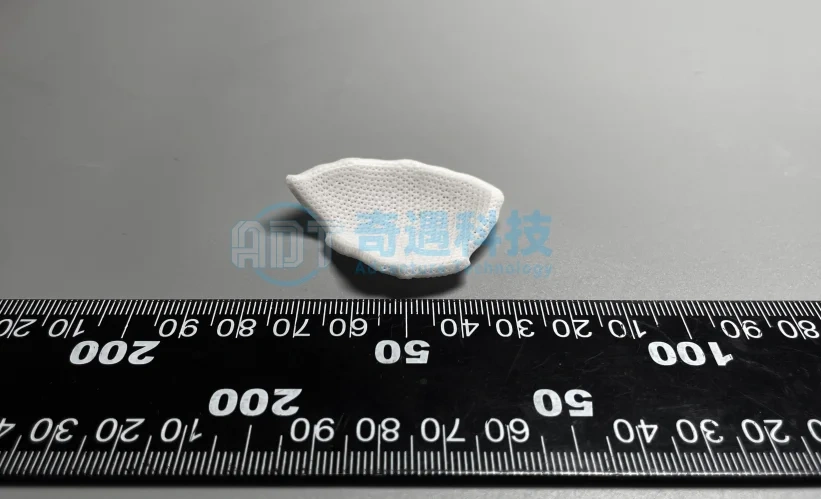
What are the advantages of Biomedical Ceramic 3D Printing ?
- Excellent biocompatibility and corrosion resistance
- Ability to print porous or patient-specific geometries
- Integration of functional agents like antibacterial metals
- Material choices like HA, zirconia, bioglass, and alumina
At Adventuretech, we support researchers and device developers with professional ceramic 3D printers capable of handling bioceramic slurries with high accuracy and minimal post-processing needs.
Ready to Print Biomedical Ceramics?
Have a project in mind or looking for material guidance? Click here to schedule a one-on-one consultation with our ceramic 3D printing experts. We’re here to support your R&D, prototyping, or production needs with tailored solutions.