
Mastering Surface Quality in Ceramic 3D Printing: Challenges and Techniques
In ceramic 3D printing, achieving dimensional accuracy is only half the battle. The real test—especially in industrial, biomedical, and aesthetic applications—is surface quality. Whether you’re printing intricate microchannels for fluidics, or external parts for wearables and implants, a smooth, consistent surface finish can make or break your final product.
But what determines the surface finish in ceramic additive manufacturing? And more importantly, how can we control it?
The Nature of Ceramic Slurry: Particle Size and Dispersion Matter
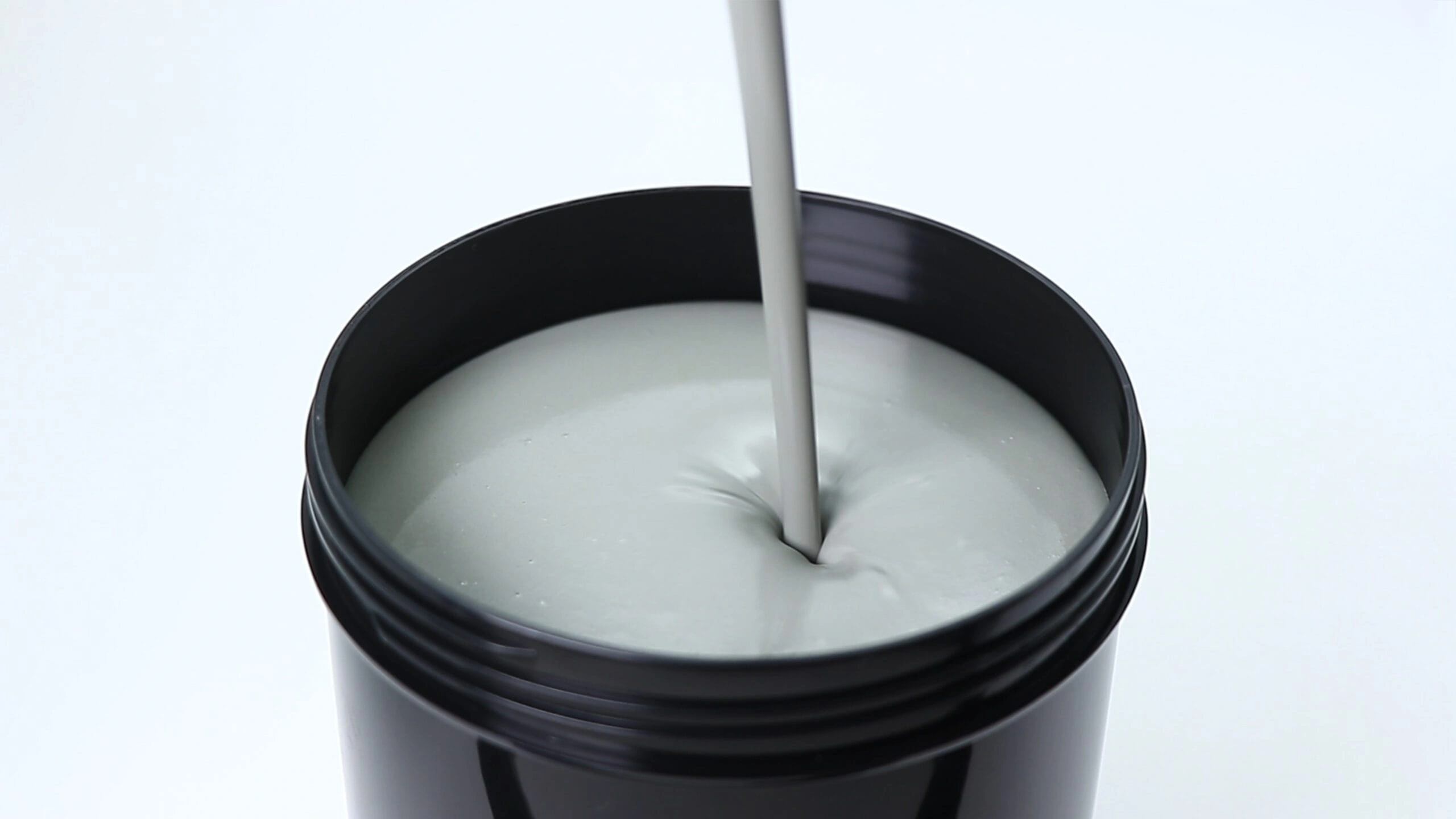
Let’s start at the root. In DLP-based ceramic 3D printing, surface smoothness is directly influenced by the particle size distribution of the ceramic powder used in the slurry. Finer particles generally yield better surface resolution—but they also raise viscosity, which can cause recoating issues and light scattering during photopolymerization. It’s always a balancing act.
At Adventuretech, we work with custom-formulated slurries, carefully tuning particle morphology, dispersants, and light absorbers to optimize both print resolution and surface uniformity.
Print Orientation and Support Strategy
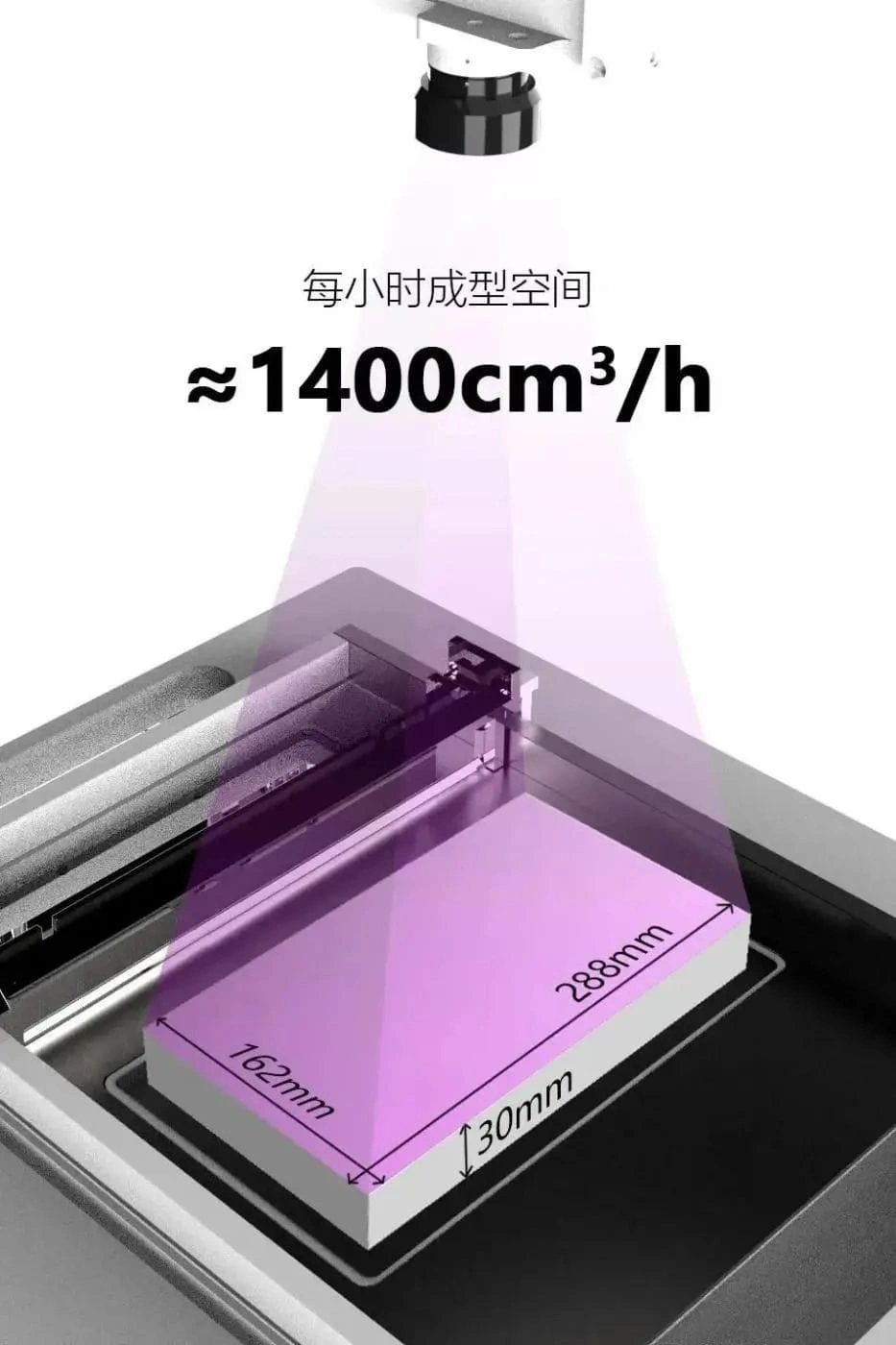
The angle at which a ceramic part is printed can have a surprising impact on surface quality. Horizontal surfaces tend to accumulate more staircase effects due to layer discretization, especially in high-aspect-ratio geometries. Smart support placement and strategic orientation can minimize these effects—though it sometimes comes at the cost of longer print times or increased post-processing.
Post-Processing: Debinding, Sintering, and Surface Treatments
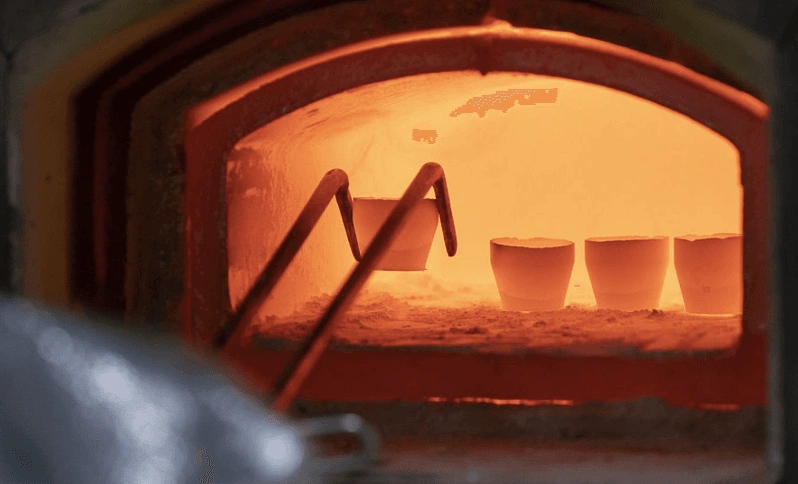
No matter how advanced your printer is, some surface imperfections are inevitable—especially after sintering shrinkage. That’s where post-processing comes in. Debinding and sintering must be precisely temperature-controlled to avoid deformation and warping that worsen surface texture.
Polishing, lapping, and sandblasting are common methods to refine the ceramic surface. For biomedical applications, we often use chemical polishing or plasma surface activation to enhance biocompatibility and tissue integration. Functional ceramics used in microelectronics may require additional coatings to reduce porosity or improve dielectric strength.
Material Matters: Alumina vs Zirconia vs Silicon Nitride
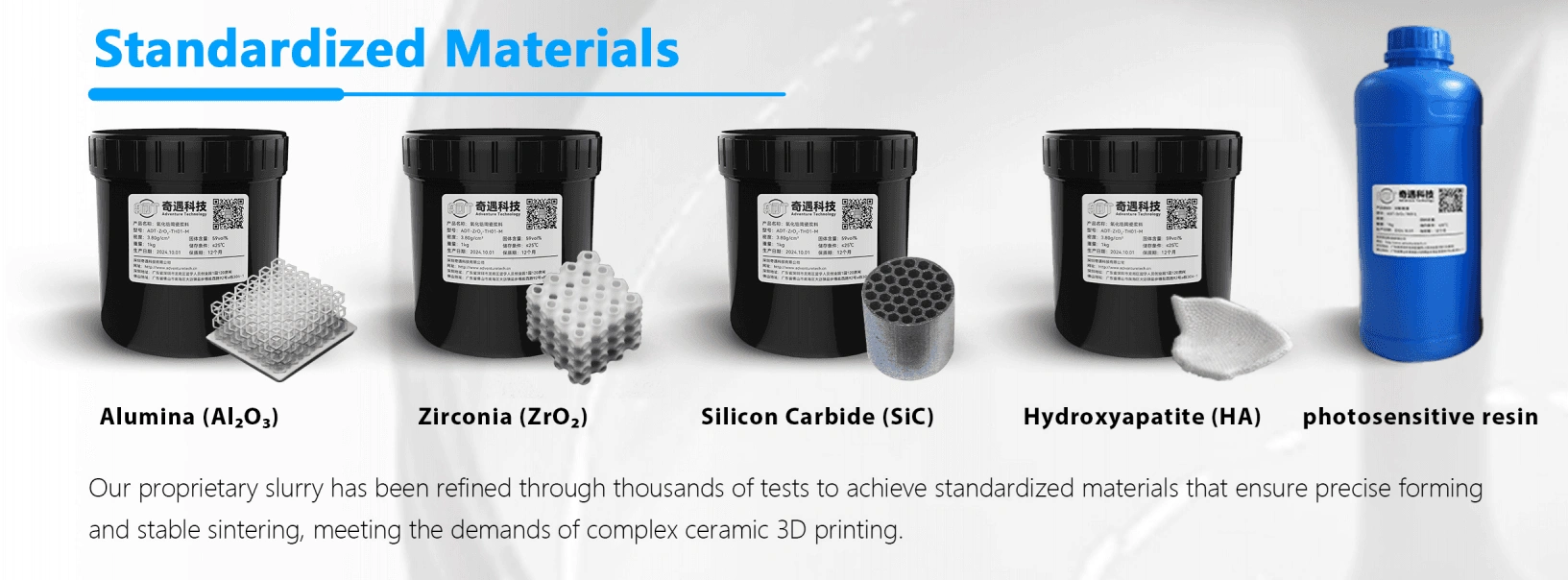
The ceramic material you choose fundamentally affects both surface roughness and how it responds to post-processing. Alumina (Al₂O₃) tends to sinter into a relatively smooth finish, especially when processed at high temperatures. Zirconia (ZrO₂), known for its high strength and toughness, may require extra polishing for certain applications like dental crowns. Meanwhile, Silicon Nitride (Si₃N₄)—used in electronics and aerospace—has a more granular microstructure, and benefits from hot isostatic pressing (HIP) to achieve smoother surfaces.
Every application has a different threshold for acceptable roughness. For example, a substrate used in electronic packaging may require Ra values below 0.2 μm, while a load-bearing biomedical implant may tolerate slightly rougher textures if it improves bone integration.
Emerging Techniques: Additive Post-Tuning
One of the most exciting developments in recent years is the idea of additive post-processing—where a second ceramic coating is applied to the printed part and cured to smooth over imperfections. Think of it as digital glazing. Techniques like aerosol jetting and electrophoretic deposition are being explored in academic labs to achieve mirror-smooth finishes without the labor of traditional polishing.
Conclusion: Surface Finish is Not Just Cosmetic
In ceramic 3D printing, surface quality is far more than a cosmetic detail. It determines friction coefficients, thermal barriers, light reflectivity, and even biological response. As applications push toward higher-performance demands, surface engineering must be treated as a critical design variable, not an afterthought.
At Adventuretech, we support clients from material formulation to post-processing strategy, ensuring that your printed ceramics are not only precise—but functionally and visually excellent. Ready to elevate your ceramic parts from rough to refined? Let’s talk.