
Preparation of ZrC/SiC ultra-high-temperature ceramics using photopolymerization 3D printing and reactive sintering
1.Photopolymerization 3D printing: Photopolymerization 3D printing enables the fabrication of complex zirconia-based ultra-high-temperature ceramic components.
Zirconium-based ultra-high-temperature ceramics (UHTC) are widely used as key components of aircraft thermal protection systems. However, these materials usually require high sintering temperatures and traditional manufacturing methods are difficult to produce parts with complex shapes. Recently, Professor Lao Changshuo from the Additive Manufacturing Institute of the School of Mechanical and Electrical Engineering and Control Engineering at Shenzhen University led a team and published a research paper titled “Photopolymerization and reaction sintering of ZrC/SiC ultra-high-temperature ceramics fabricated by 3D printing” in “Ceramics International”. They developed a method for successfully preparing complex Zr-based UHTC parts through the 3D printing photopolymerization process, providing an effective approach for designing complex UHTC parts for extreme environment applications.
Original link: https://doi.org/10.1016/j.ceramint.2025.03.141
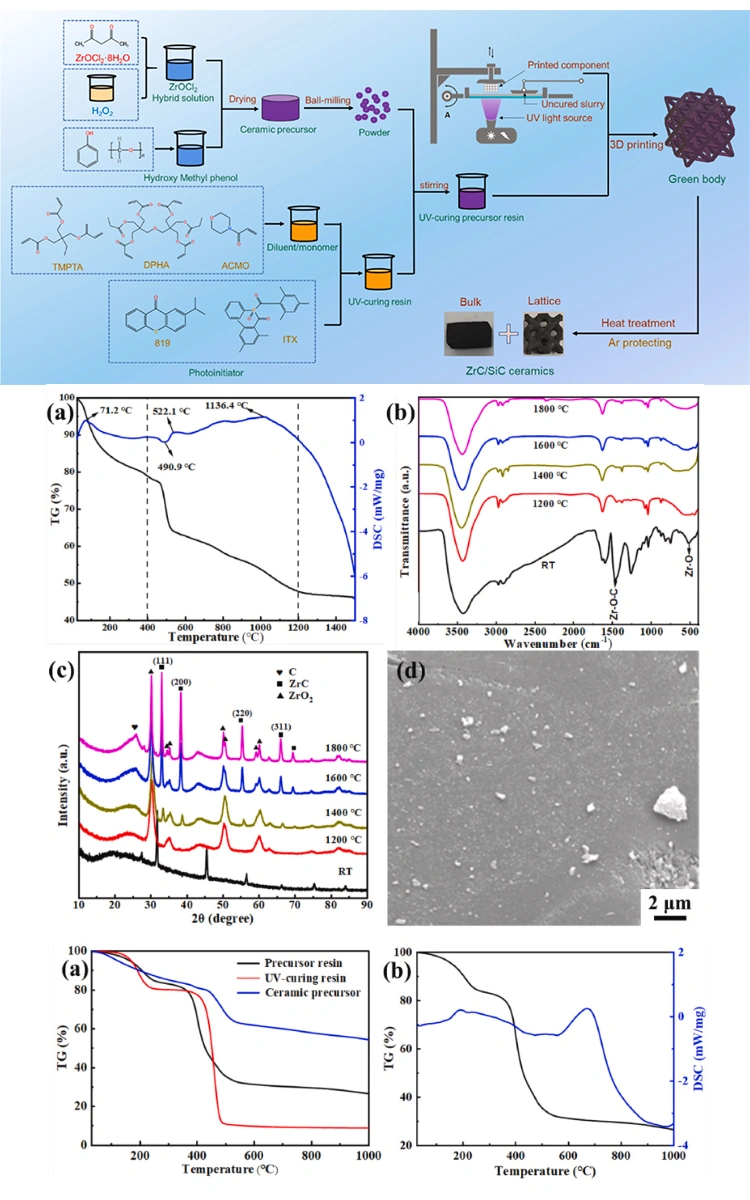
2.Photopolymerization 3D Printing: The precursor photopolymerization 3D printing technology, combined with low-temperature heat treatment, successfully produced highly dense ZrC/SiC ultra-high-temperature ceramics.
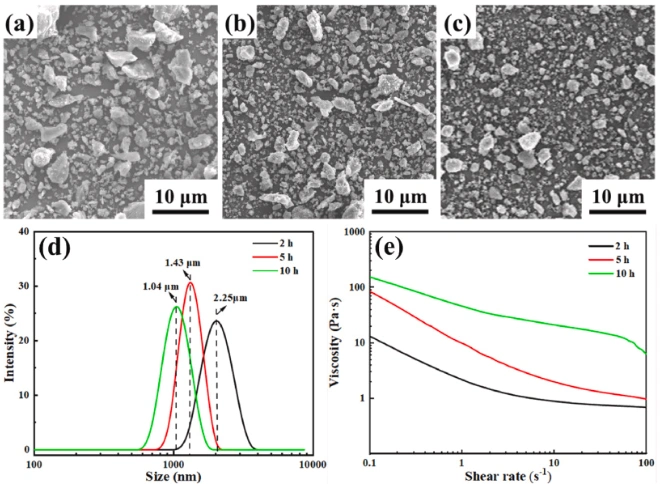
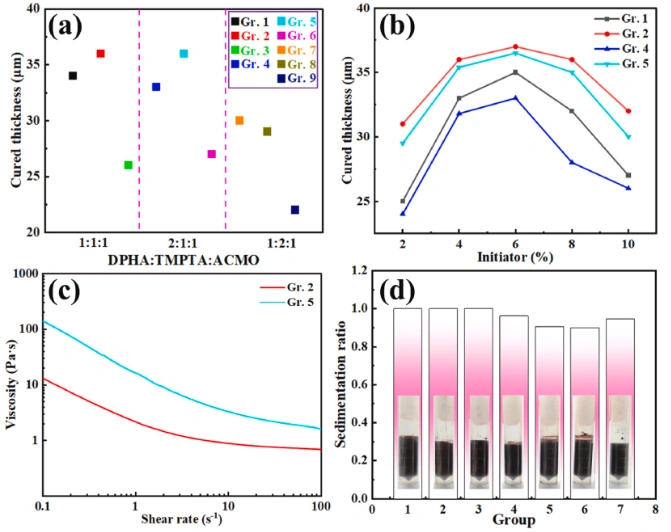
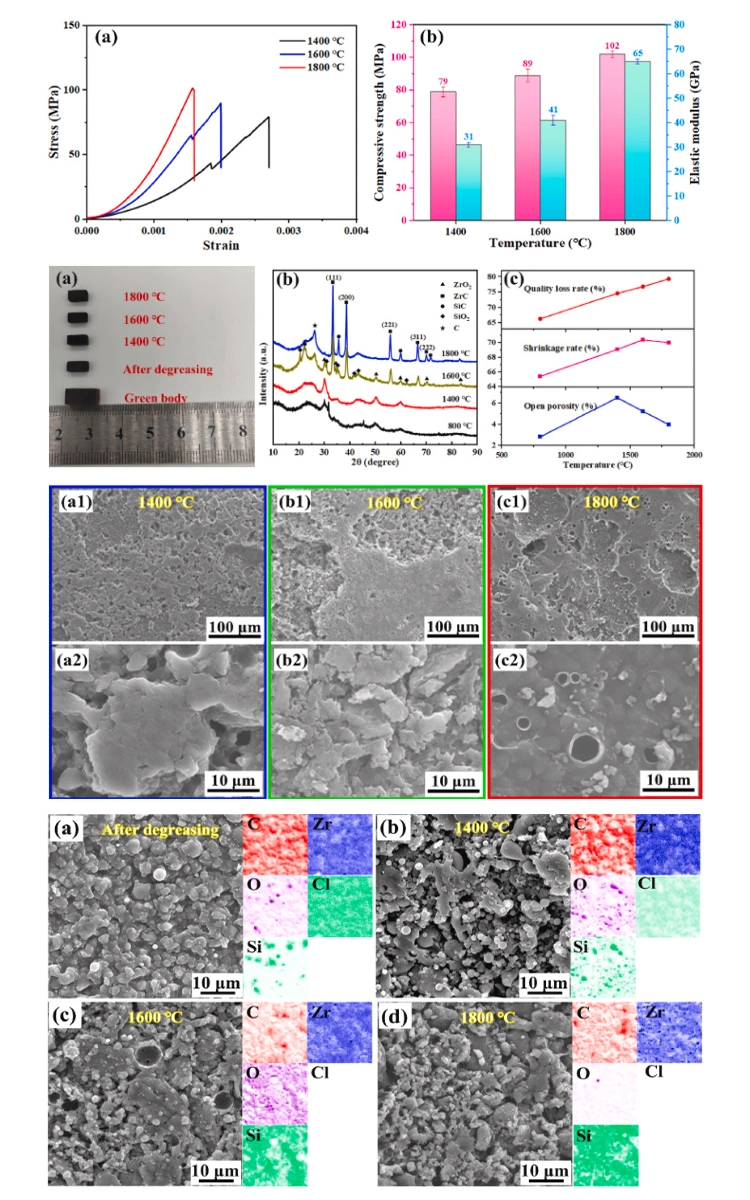
In response to the difficulties in sintering, densification and post-forming of zirconium-based ultra-high-temperature ceramics, this work introduced zirconium into organic macromolecular compounds through a simple and controllable in-situ chemical reaction as a precursor material. The thermal evolution process and transformation mechanism of the ceramic phase change were studied in detail. The curing performance, printability and rheological behavior of the precursor ceramic slurry used for photopolymerization 3D printing processes were investigated. The effects of heat treatment on the microstructure, phase composition and mechanical properties of 3D-printed precursor ceramics were also studied. The results show that by performing heat treatment on the samples prepared by photopolymerization 3D printing, high-density ZrC/SiC duplex ceramics can be obtained, providing an effective approach for designing complex zirconium-based ultra-high-temperature ceramic components for extreme environment applications. The following are the research methods and data of the article:
In this study, ZrC/SiC ultra-high-temperature ceramics (UHTCs) were successfully fabricated by using the precursor conversion method in combination with photopolymerization 3D printing technology. The main conclusions are as follows:
Crystallization degree and ZrC content increase: As the pyrolysis temperature rises, the crystallinity of the material increases and the content of ZrC keeps rising. Under the sintering condition at 1800℃, the content of ZrC reaches approximately 48.3%.
Optimization of precursor ceramic slurry formula: The optimal formula consists of 60 vol% active diluent (DPHA, TMPTA, ACMO in a ratio of 1:1:1), 40 vol% precursor powder, supplemented with 6 wt% photoinitiator (819:ITX = 2:1), 2.5 wt% dispersant, 5 wt% coupling agent, and 10 wt% SiO₂ powder, meeting the curing and rheological performance requirements for photopolymerization printing.
The influence of heat treatment temperature on performance: Increasing the heat treatment temperature enhances the densification degree of ceramics, reduces the defects of degreasing and thermal decomposition, and improves mechanical properties. After heat treatment at 1800℃, the compressive strength of the sample reached 102 ± 2 MPa, and the elastic modulus was 65 ± 1 GPa.
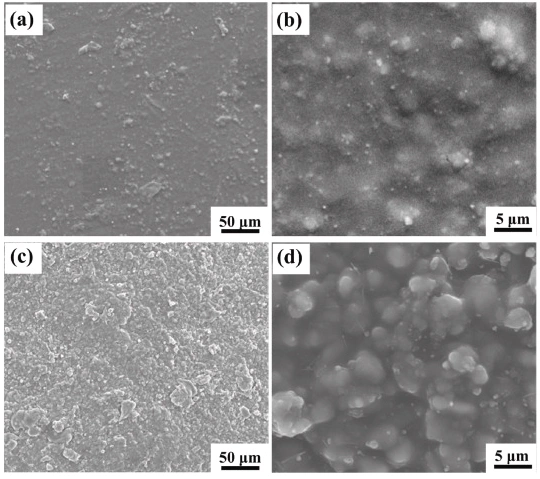
Process advantage: Compared with the traditional Zr-based UHTC preparation process, this method requires a lower heating temperature for treatment and does not need to apply pressure. It can produce ZrC/SiC ceramic components with complex structures at 1800℃.
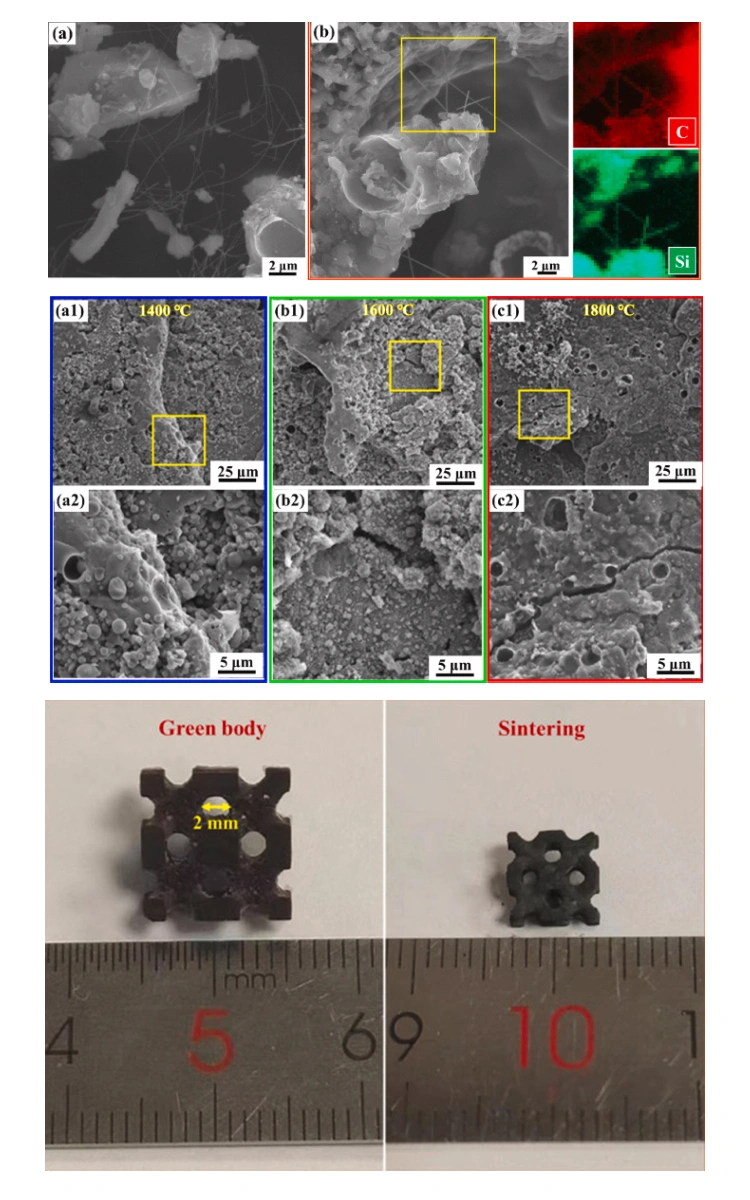
Furthermore, the study also analyzed the carbon thermal reduction reaction and the formation mechanism of carbon vacancies during the precursor conversion process. It was pointed out that although the reduction of carbon content would lower the melting point, it could improve the sintering property, facilitate the realization of low-temperature preparation, reduce costs, and promote the development of ZrC-based UHTC additive manufacturing.
About AdventureTech
Shenzhen AdventureTech Co., Ltd. was established in 2015 as a high-tech company focused on ceramic additive manufacturing technology. The company has a research and development team primarily consisting of postdoctoral researchers from Tsinghua University and returning PhDs from the Norwegian University of Science and Technology, dedicated to providing complete solutions for “ceramic 3D printing equipment + ceramic 3D printing materials + ceramics sintering processes.”
Official Website 1 : https://adt-ceramic3dp.com/
Official Website 2 : https://www.adventure-tech.cn/